





 Portuguese
  English
  Spanish
  3 min of reading
  0 comments


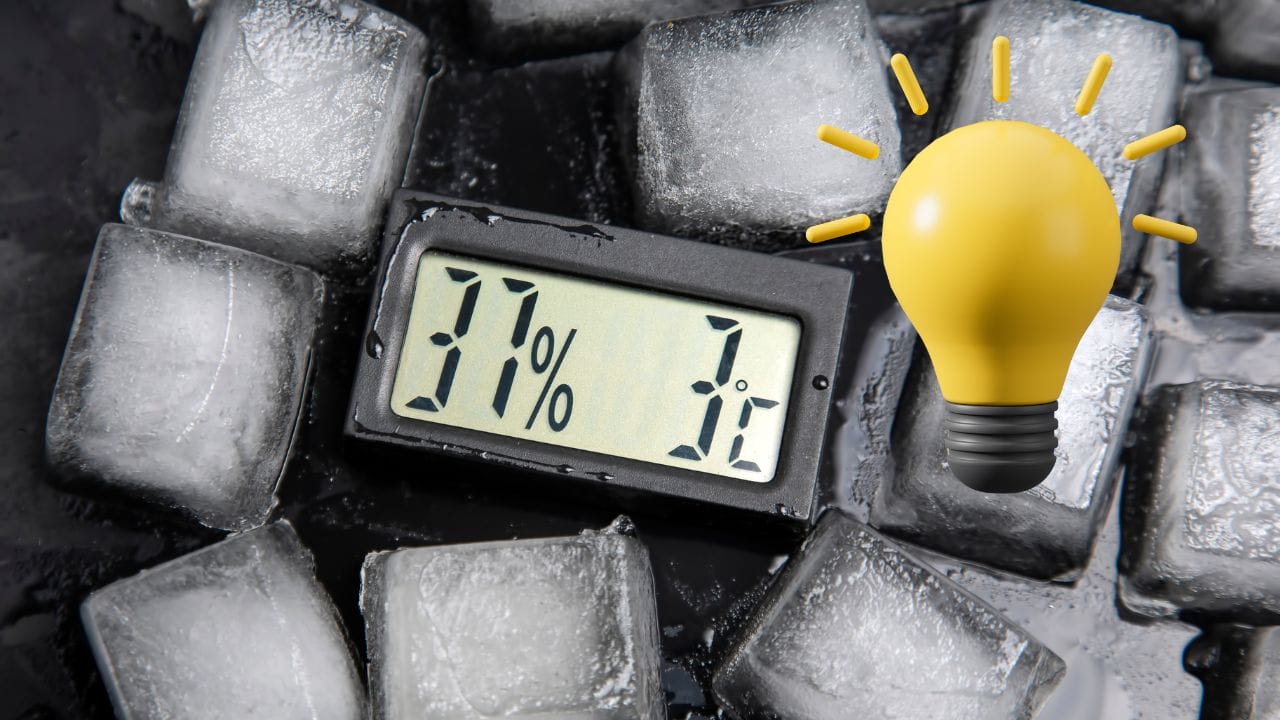
Innovative Device Developed by University of Massachusetts Scientists Capable of Generating Electricity from Moisture in the Air Promises to Revolutionize the Renewable Energy Sector, Offering a Constant and Effective Solution to Complement Intermittent Sources Such as Solar and Wind.
In a world seeking sustainable solutions and renewable energy, the discovery by scientists at the University of Massachusetts is a milestone. The Air-Gen device not only captures moisture from the air to produce electricity but also stands out for its low maintenance and potential for operation in diverse climatic conditions.
Imagine the transformation in the renewable energy landscape: a source that does not depend on sun or wind but takes advantage of the constant presence of moisture in the air. This not only complements other renewable sources but also promises a constant delivery of energy.
How The Device That Generates Electricity from Moisture in the Air Works


The mechanism works through nanopores, which capture moisture and generate electricity through the dynamic exchange of water molecules, creating a charge imbalance that results in the production of electrical energy. This approach not only addresses the issue of energy intermittency but also opens doors for use in high-humidity regions, such as the tropics, where Brazil stands out as a ideal location for implementing this technology.
-
Renewable energy advances over protected areas in Brazil, and a survey by the Energy Transition Observatory reveals silent impacts that challenge environmental conservation and pressure sensitive traditional territories.

-
Rio Grande do Sul accelerates energy transition: State invests in renewable technologies and consolidates decarbonization strategies and pathways to attract billions in new industrial investments.

-
With 160,000 m² of collectors, an area larger than 20 football fields, Silkeborg, in Denmark, hosts a solar thermal plant that heats 19,500 homes and could become the largest solar heating plant in the world.

-
A study reveals the expansion of renewable energy procurement in Brazil and shows how companies are taking advantage of opportunities to reduce expenses, ensure energy efficiency, and strengthen strategic environmental commitments.


Still in the experimental phase, the research aims to optimize the device to capture more energy and develop materials that function efficiently in various climates. The future of renewable energy may lie in the integration of these new technologies, making them more adaptable and efficient, thus ensuring sustainable and continuous energy production.
This advancement not only represents a great step for science but also a revolution for the renewable energy market, enhancing electricity generation in a more sustainable and consistent manner. The initiative of these scientists not only makes us rethink the possibilities of technology in renewable energy but also reinforces the importance of continuous innovation in the pursuit of a more sustainable future.
How Does Humidity Work?
Atmospheric humidity plays a crucial role in Earth’s climatic systems, representing the amount of water vapor present in the air. This phenomenon begins with the evaporation of water from rivers, lakes, and oceans. Water vapor rises and, upon reaching cooler altitudes, condenses into clouds. This condensation process releases heat, which in turn affects climatic and meteorological conditions, including temperature, wind patterns, and precipitation.
Humidity directly influences air temperature, acting as a thermal regulator. In regions with high humidity, for example, nights tend to be warmer due to the capacity of water vapor to retain heat. Additionally, humidity is vital for maintaining ecosystems, as it affects the distribution and growth of plants and the availability of water for animals and humans.
The interaction between air energy and humidity reveals the complexity and interconnection of terrestrial systems, fundamental for sustaining life on the planet. The new device that generates electricity from moisture in the air explores these principles, highlighting innovation and the potential for harmonization with the environment by harnessing natural resources sustainably and efficiently.

What Is Air Energy, Benefiting Renewable Energy?
Air energy, often associated with wind energy, is the energy potential found in atmospheric air currents. Primarily used in wind turbines, this form of energy transforms the force of the wind into electricity. Turbines capture the movement of air, converting it into mechanical energy which, in turn, is converted into electricity through a generator. This process is considered clean and renewable, as it does not emit pollutants and utilizes an inexhaustible energy source: the wind.









Seja o primeiro a reagir!