





 Portuguese
  English
  Spanish
  4 min of reading
  3 comments


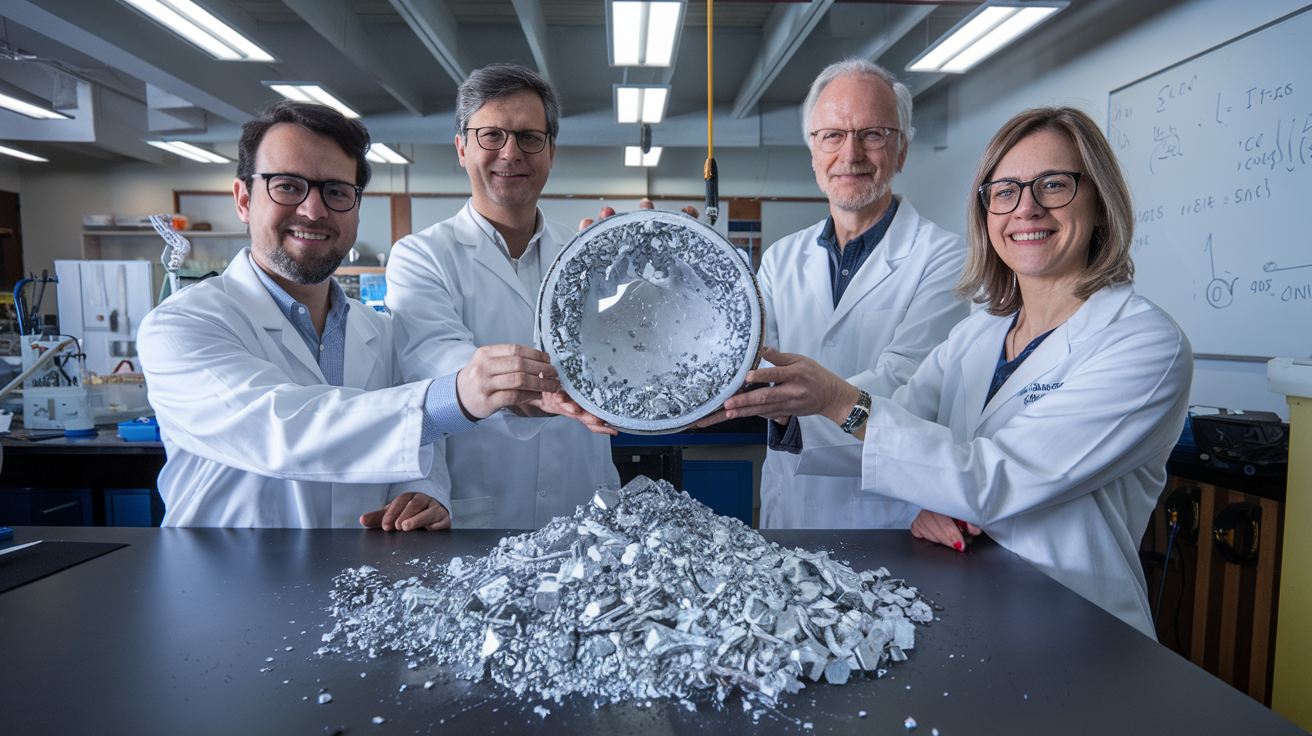


MIT Scientists Develop Revolutionary Technology That Captures Aluminum Waste With Unprecedented Efficiency, Boosting Recycling and Paving the Way for a More Sustainable and Environmentally Conscious Future!
Aluminum, one of the most used metals in the world, is present in everything from soda cans to rocket components. However, despite its versatility, its production has a significant environmental cost. With this in mind, researchers at MIT have developed an innovative nanofiltration technology that can transform the metal manufacturing process, reducing aluminum waste and promoting recycling.
Why Is Aluminum So Important?
With applications in sectors such as construction, transportation, and packaging, aluminum is the second most produced metal in the world, second only to steel. It is known for its lightweight, corrosion resistance, and energy efficiency. However, the production of this metal requires enormous quantities of energy and generates toxic waste, primarily due to the use of cryolite, a compound essential in the process of extracting pure aluminum.
The forecast is that by the end of this decade, global demand for aluminum will increase by 40%, making the adoption of more sustainable solutions urgent.
-
Something is happening around the Earth: Inside the huge explosion of fireballs in 2026

-
A hot air bubble coming from Argentina expands over Brazil, causing thermometers to exceed 38 degrees with a thermal sensation of 40 degrees in late March, affecting 6 states at once.

-
The radish leaf that almost everyone throws away has more polyphenols, flavonoids, and fiber than the consumed root, and a 2025 study showed that the leaf contains compounds that protect the intestine, combat inflammation, and may inhibit the growth of cancer cells.

-
A planet that seemed to defy the laws of physics has intrigued scientists for decades, until the James Webb revealed what is really affecting Saturn’s rotation.


MIT’s Solution: What Is Aluminum Waste Nanofiltration?
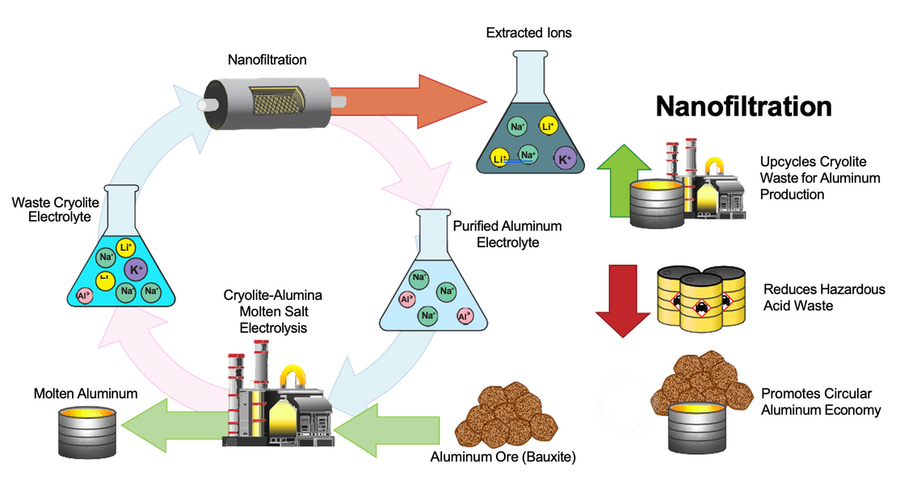
The MIT team developed a membrane for nanofiltration capable of capturing aluminum ions present in the waste generated during the metal manufacturing process. These ions, which were previously discarded along with the cryolite used in the process, can now be recycled and reused, reducing waste.
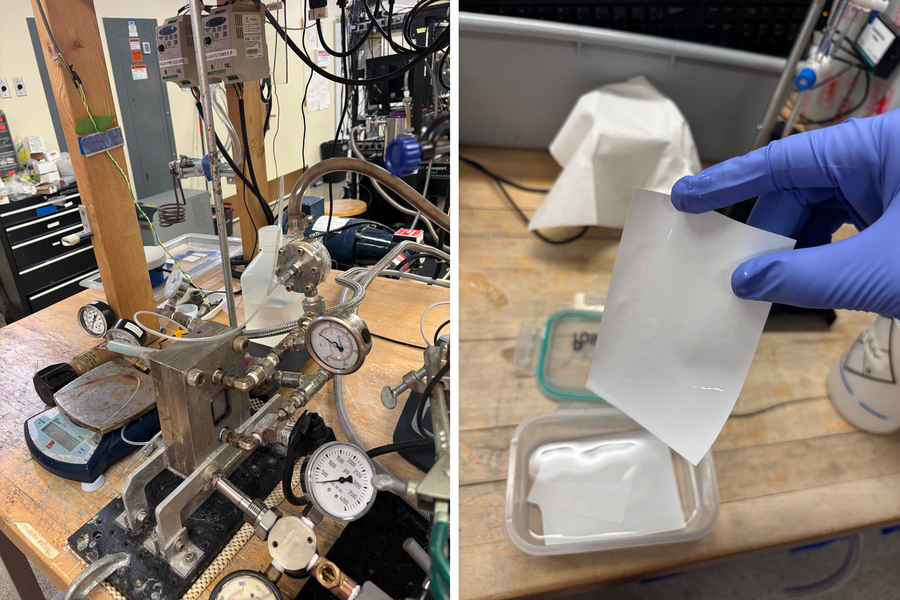
The membrane is made from a polymeric material with nanometric pores, adjusted to selectively filter aluminum while allowing other elements, such as sodium and lithium, to be released. In laboratory tests, the membrane was able to capture over 99% of aluminum ions, proving its efficiency and viability.
How Does the Process Work?
Aluminum is produced from bauxite, an ore rich in alumina. After undergoing chemical and thermal processes, the alumina is placed in electrolysis tanks with molten cryolite, where an electric current separates pure aluminum from other elements.
Over time, the cryolite accumulates impurities and loses its effectiveness, being replaced and discarded as waste. The method created by MIT allows for the filtration of this waste, capturing residual aluminum and returning it to the production process, while other ions are eliminated.
Benefits of the New Technology
The innovation offers several advantages for industry and the environment:
- Aluminum Recycling: The technology increases aluminum recovery, reducing the need for new bauxite extractions;
- Reduction of Waste: The spent cryolite, which was previously discarded as toxic waste, can now be reused after filtration;
- Circular Economy: The process helps close the production cycle, making aluminum manufacturing more sustainable;
- Reduced Environmental Impact: Less toxic waste means lower contamination of soils and waters.
The Role of Industry in Sustainability With MIT’s Filter
If implemented on a large scale, MIT’s technology could revolutionize the aluminum sector. Major companies in the industry, such as auto manufacturers and construction firms, are already facing pressure to reduce their carbon emissions and adopt more sustainable practices. This innovation could be a significant step in that direction.
The reuse of waste makes the process more efficient, lowering costs and reducing the need for bauxite mining, which often causes significant environmental damage.
Collaboration With Nitto Denko and Next Steps
The technology was developed in partnership with Nitto Denko, a Japanese company specializing in membranes for water treatment. The new membrane is similar to those used in desalination plants but adapted to capture aluminum ions.
Currently, the membrane is less than 10 cm, but researchers plan to scale it up to meet the needs of large-scale aluminum industries. The final design will be rolled in a spiral shape, allowing large volumes of waste to be treated efficiently.
The Future of Aluminum and the Circular Economy
MIT’s research is not just about improving efficiency in aluminum production but also about creating a sustainable model for the entire recycling industry. With the adoption of this technology, aluminum production can align with circular economy practices, where waste is minimized and resources are reused to the fullest.
This is especially important in a world where the demand for metals such as aluminum, lithium, and nickel is only growing, driven by industries such as electric vehicles and renewable energies.
With the innovation developed by MIT, aluminum production can become more sustainable, reducing waste and increasing recycling. This solution not only benefits the environment but also reinforces the importance of research and innovation in creating a greener future.







Disseminar estudos em pesquisas para proteção do meio ambiente sempre serão bem-vindos. Parabéns pela matéria.
Bom , só deveria produzir isso em grande quantidade pras fábrica de reciclagem, apesar que a fábrica hergen de Rio do sul SC já tinha inventado uma máquina que dividia o alumínio do papel tipo caixas de leite, então digamos que a ciência tá um pouco atrasada.
Precisa desenvolver um método para separar alumínio do PVC que são gerados sob forma de blister nas indústrias farmacêuticas.