





 English
  Francês
  Alemão
  Italiano
  Japonês
  Norueguês
  Portuguese
  Spanish
  3 min of reading


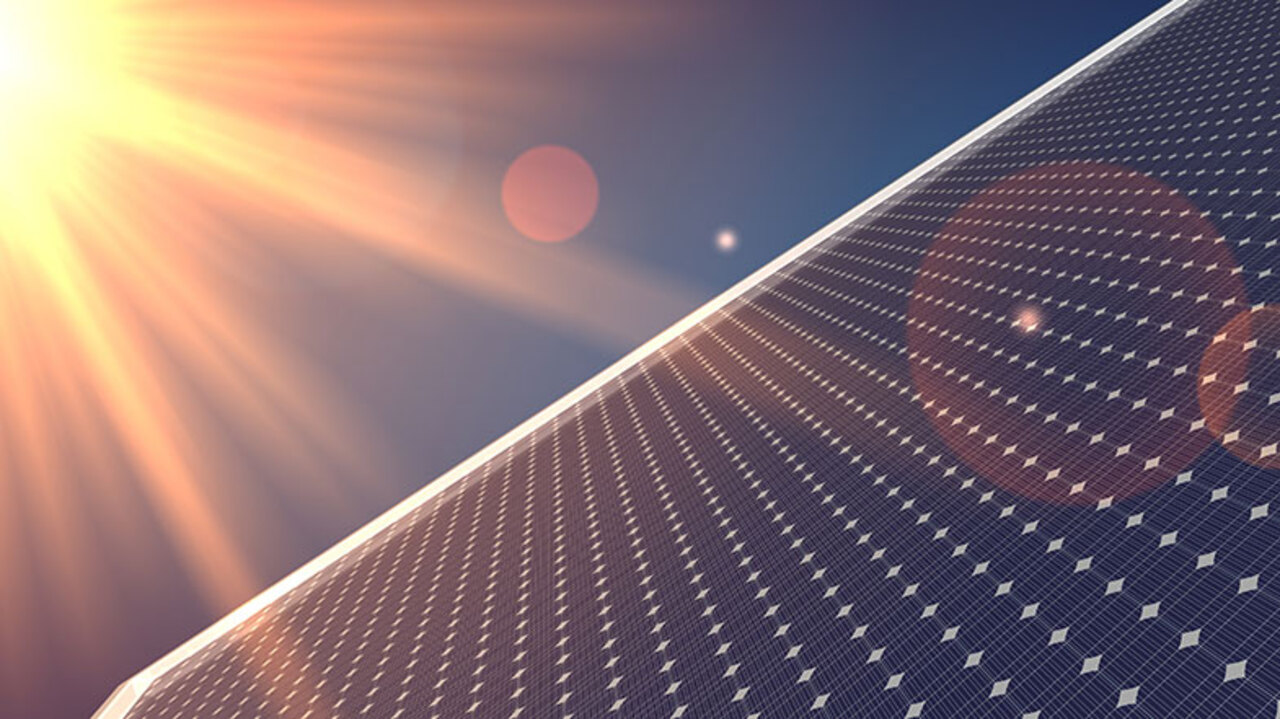
A Team of Scientists from the United Kingdom, Portugal and Brazil Managed to Increase the Absorption of Solar Energy Cells and Make Them Even Thinner.
The importance of this research that the scientists discovered for the solar energy sector is that it allows for the use of much thinner slices of photovoltaic silicon to produce the same amount of electricity as the thicker silicon cells used in the production of solar panels today.
Read Also
Greater Absorption in Solar Energy Cells and Lower Price in Solar Panels, According to Scientists
One of the scientists, Dr. Christian Schuster from the Department of Physics at the University of York, says: “We found a simple trick to increase the absorption of thin solar cells.” The team’s investigations show that the idea actually rivals the enhancement of absorption from more sophisticated designs while absorbing more light deeper in the plane and less light near the surface structure itself.
“Our design rule for solar panels addresses all relevant aspects of light trapping for solar energy cells, paving the way for simple, practical yet excellent diffractive structures, with a potential impact beyond photonic applications.” According to the team of scientists, this design offers the potential to further integrate solar energy cells into thinner and flexible materials, thereby creating more opportunities to use solar energy in more products and possibly make solar panels cheaper.
-
Rio Grande do Sul accelerates energy transition: State invests in renewable technologies and consolidates decarbonization strategies and pathways to attract billions in new industrial investments.

-
With 160,000 m² of collectors, an area larger than 20 football fields, Silkeborg, in Denmark, hosts a solar thermal plant that heats 19,500 homes and could become the largest solar heating plant in the world.

-
A study reveals the expansion of renewable energy procurement in Brazil and shows how companies are taking advantage of opportunities to reduce expenses, ensure energy efficiency, and strengthen strategic environmental commitments.

-
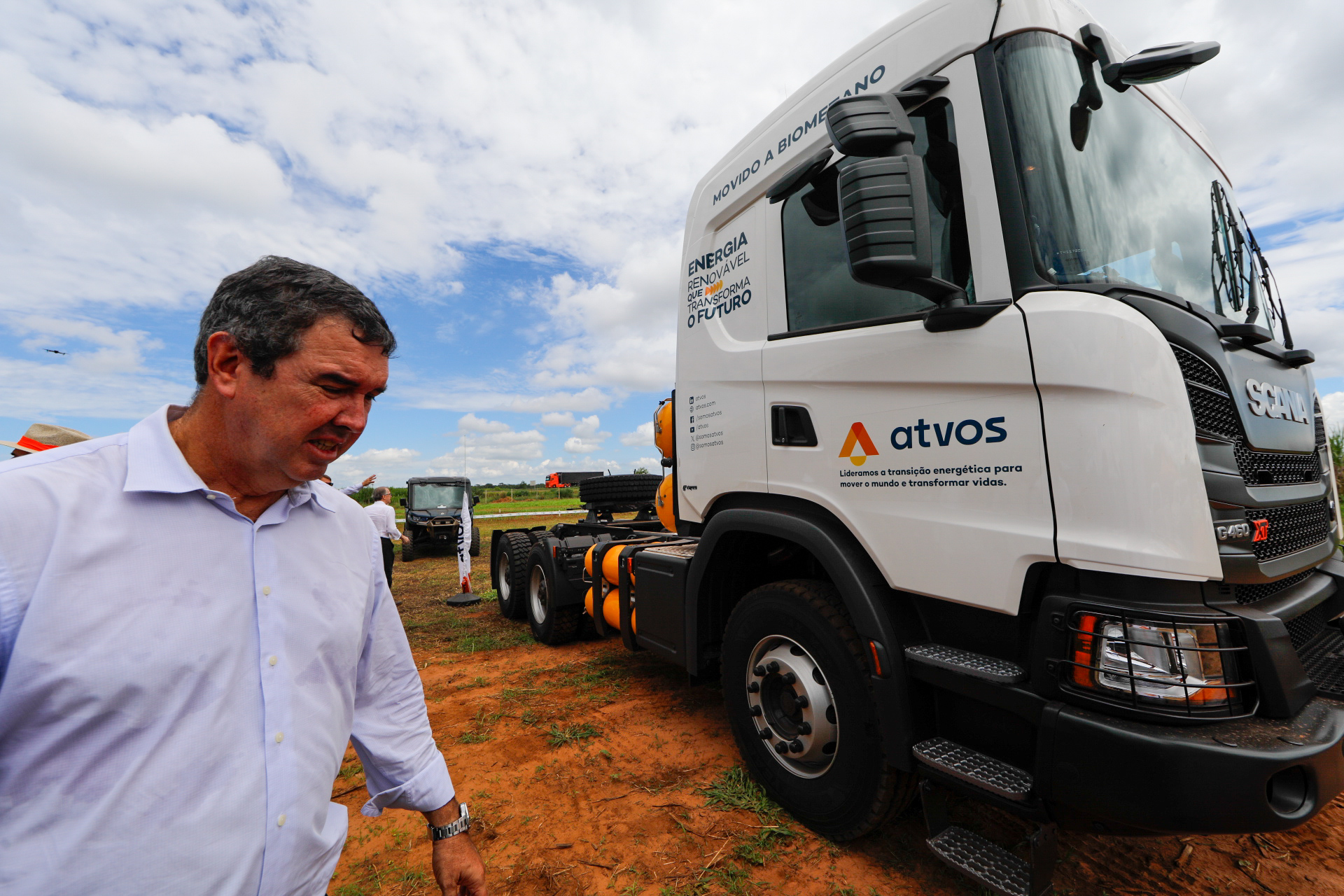
Mato Grosso do Sul excels in the sugar-energy sector: the state reaches a milestone of 22 operating mills and accelerates the production of clean energy in MS with a focus on sustainability.

“In principle, our team of scientists would deploy ten times more solar energy with the same amount of absorbing material. Ten times thinner solar energy cells could allow for rapid expansion of photovoltaic energy, increase solar electricity production, and significantly reduce our carbon footprint. In fact, the team of scientists claims that since refining silicon raw material is an energy-intensive process, ten times thinner silicon cells would not only reduce the need for refineries but also cost less, thus strengthening our transition to a greener economy.”
The Solar Energy Market and the Sales of Solar Panels in Brazil
Data from the Department of Business, Energy and Industrial Strategy shows that renewable energy – including solar energy – represented 47% of electricity generation in Brazil, Portugal and the United Kingdom in the first three months of 2020.
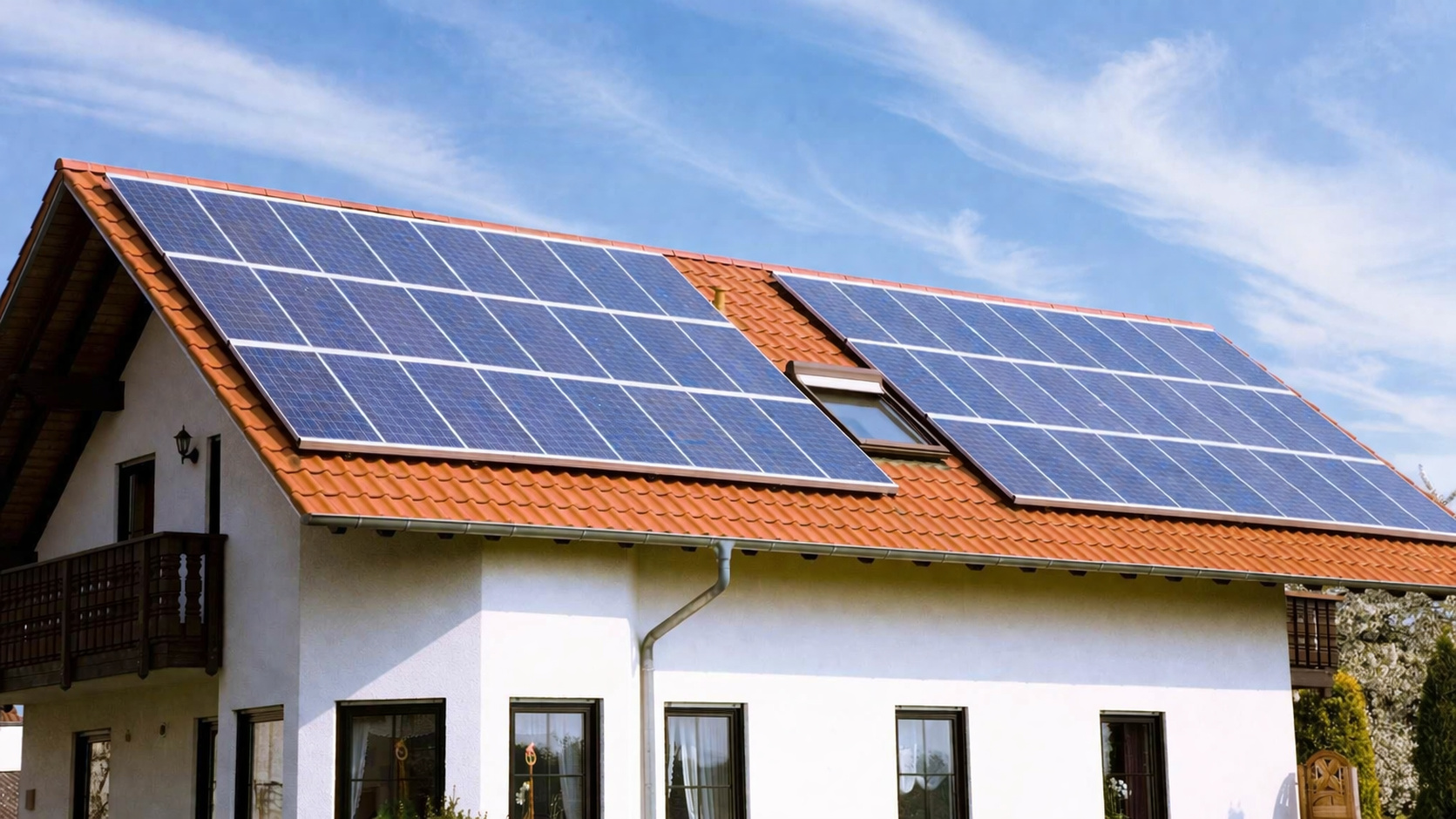
With this research, solar energy and solar panels are significantly influenced, as cheaper materials will be used for the production of solar panels.








Seja o primeiro a reagir!