Portuguese
  Spanish


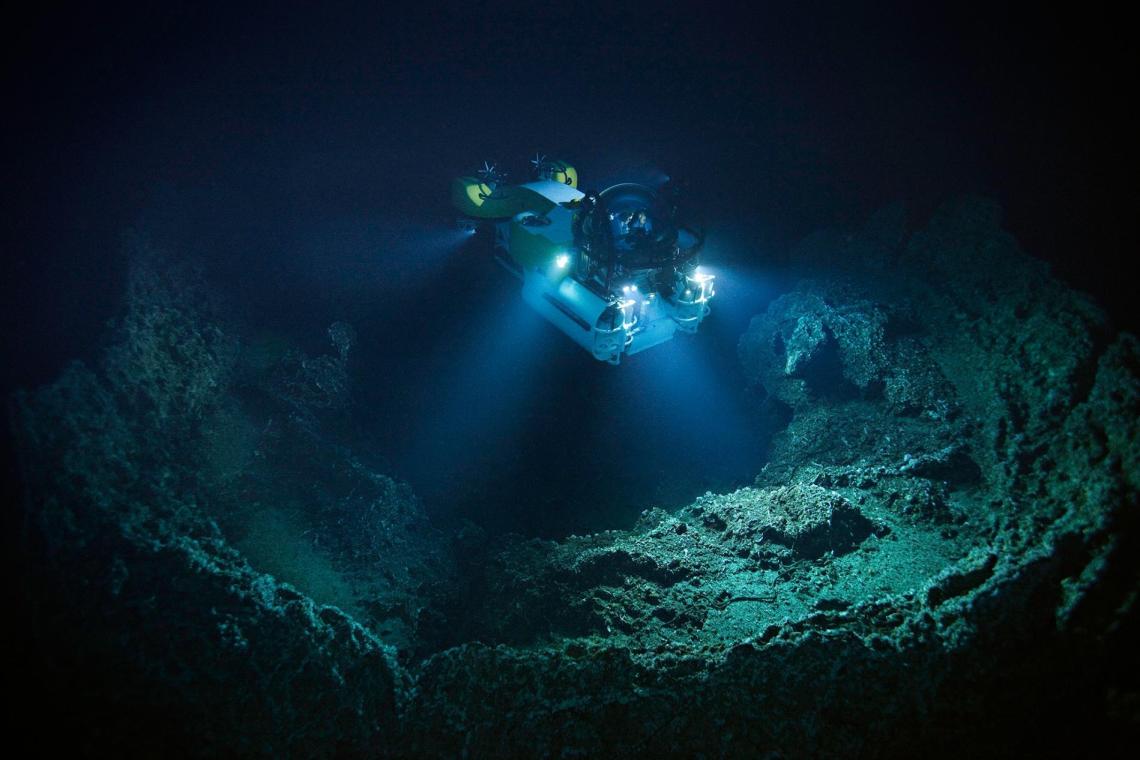

The Mining Industry Promises to Minimize Damage to Ocean Ecosystems Alongside Mining Companies, Scientists Say We Can’t Predict Its Total Extent – Or How to Reverse It.
Almost everything we use depends on the mining industry, whether phones contain elements like aluminum, nickel, and lithium. How can mining companies change this? The growing human population imposes an increasing demand on non-renewable resources that come from the Earth’s crust. Technological advancements and the search for renewable energy sources may exacerbate the situation.
Read Also
- Mining Company Vale Is Hiring Equipment Operators, Maintenance Engineers, Control and Process Technicians, and More for Minas Gerais, Maranhão, and Pará on This Day 29
- Mining – The Week Starts with Many Job Openings at Vale for Minas Gerais, Espírito Santo, and Pará
- Mining Company Vale Announces Updated Job Openings for Professionals from Different Areas and Backgrounds
- Technicians Are Required for Job Opportunities Due to Maintenance Demand at a Mining Company in Minas Gerais
Mining 3,000 Leagues Under the Sea
The insertion of the mining industry offshore will imitate operations on land, with a major caveat: everything must happen under crushing pressures and nearly freezing waters. Furthermore, the deposits in question (polymetallic nodules, polymetallic sulfides, and cobalt-rich crusts) occur predominantly at depths between 400 and 6,000 meters below sea level, prohibiting the use of manned vehicles.
Instead, the operations of the mining industry will be entirely controlled by a support ship on the surface. Fiber optic cables running from the ship to the seabed by mining companies will power and control vehicles that look like a supervillain’s tool to take over the world with instruments to shred, scrape, and vacuum sediments and ore.
-
Unable to secure a mortgage as a self-employed single mother, she designed her own floating home from a 20-meter boat and now lives “off-grid” with her two children and solar panels on an English canal.

-
Man Transforms Rusty Shipping Container into Luxury Home with Insulated Walls, Large Windows, and Drywall Finish, Surprising Onlookers

-
“Super Grass” Miscanthus Grows Rapidly Without Pesticides, Replacing Heating Oil in Europe and Now Used in Carbon-Capturing Concrete and Walls in World’s First “Bale House”
-
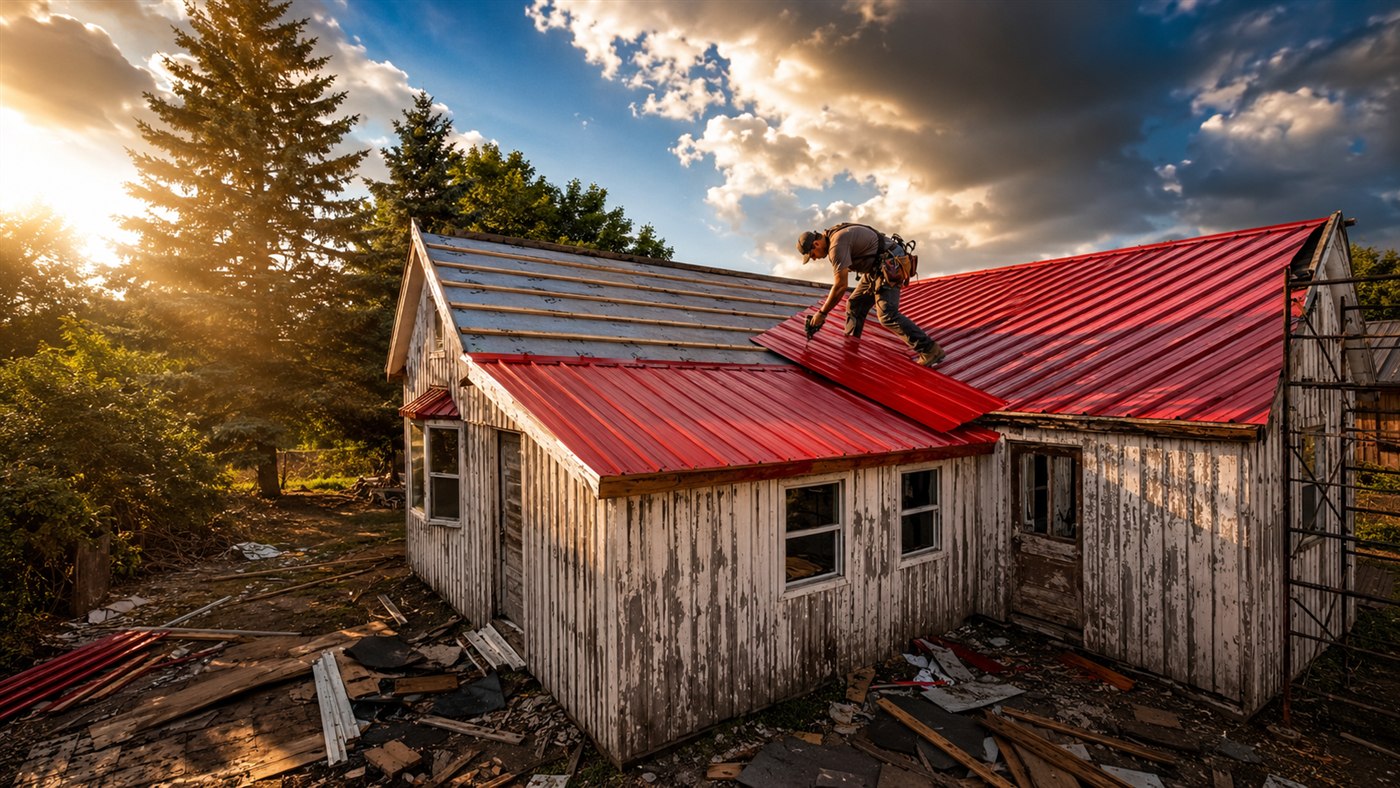
Abandoned House Renovation Fixes Decades-Long Leak in Two Days with Red Steel Roof Installation


After the ore has been extracted from the seabed, a slurry of minerals, sediments, and seawater must be mechanically pumped back to the support ship, where the desired metals will be separated from the rest of the slurry. Any unwanted water and materials – called “industry waste” – will be discarded back into the ocean.
Minimizing Damage
The ISA seems to have accepted the inevitability of the environmental damage caused by offshore mining and plans to focus on minimizing damage and restoring ecosystems after mining damage occurs.
In doing so, the ISA may neglect its responsibility to protect fragile deep-sea habitats from harmful mining activities.
Scientists have expressed concerns about the recommendations within the latest strategic plan, which provide only non-binding guidelines with little legal backing to ensure contractors’ compliance.
Some also find flaws in the plan’s apparent reliance on restoring damaged habitats after mining – efforts that prove costly and often unsuccessful, even in shallow water habitats (like coral reefs and salt marshes) that we understand much better than any deep-sea ecosystem.