Portuguese
  Spanish


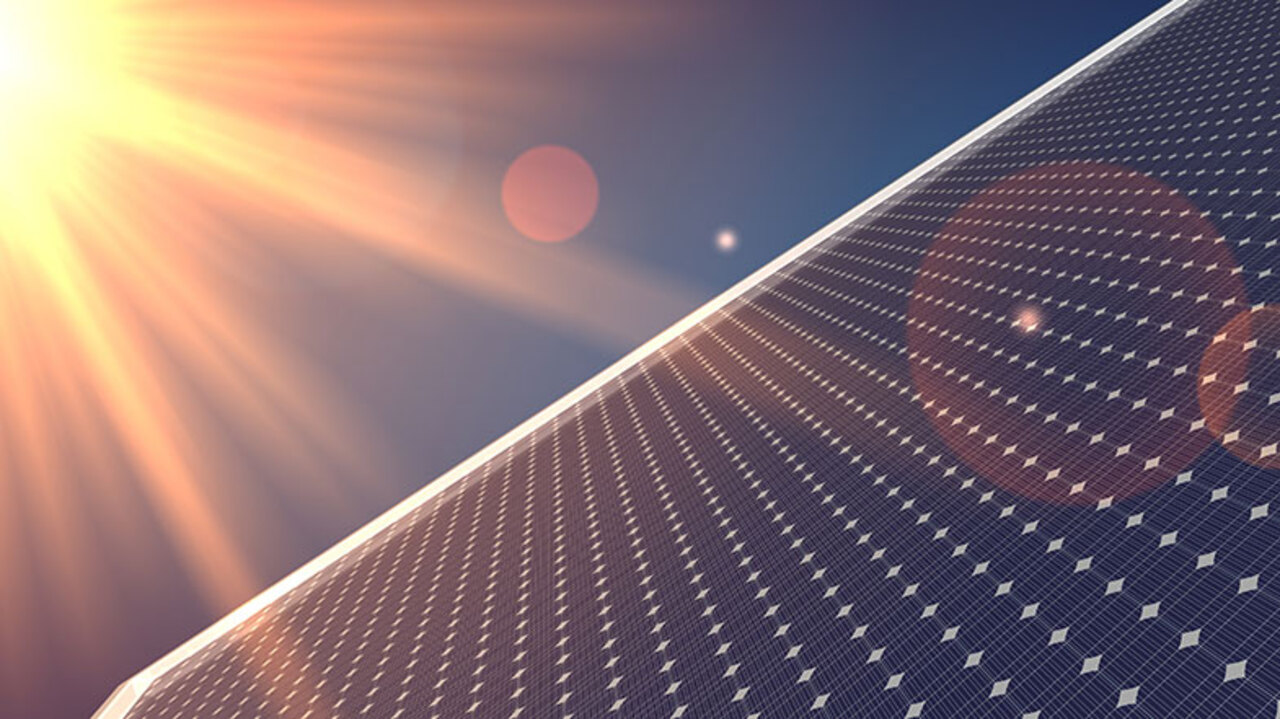

A Team of Scientists from the United Kingdom, Portugal and Brazil Managed to Increase the Absorption of Solar Energy Cells and Make Them Even Thinner.
The importance of this research that the scientists discovered for the solar energy sector is that it allows for the use of much thinner slices of photovoltaic silicon to produce the same amount of electricity as the thicker silicon cells used in the production of solar panels today.
Read Also
Greater Absorption in Solar Energy Cells and Lower Price in Solar Panels, According to Scientists
One of the scientists, Dr. Christian Schuster from the Department of Physics at the University of York, says: “We found a simple trick to increase the absorption of thin solar cells.” The team’s investigations show that the idea actually rivals the enhancement of absorption from more sophisticated designs while absorbing more light deeper in the plane and less light near the surface structure itself.
“Our design rule for solar panels addresses all relevant aspects of light trapping for solar energy cells, paving the way for simple, practical yet excellent diffractive structures, with a potential impact beyond photonic applications.” According to the team of scientists, this design offers the potential to further integrate solar energy cells into thinner and flexible materials, thereby creating more opportunities to use solar energy in more products and possibly make solar panels cheaper.
-
Giant Batteries Take Center Stage in Chile Auction as Company Offers 960 GWh of Solar Energy for Nighttime Use, Aiming to Stabilize Solar Power Supply

-
After a Year of Success in Switzerland, Solar Railway Attracts Italy’s Interest for Clean Energy Transformation
-
Robots Clean Solar Panels in Desert Power Plants Without Water, Preventing Energy Losses
-
Brazil’s Offshore Wind Energy Potential Worth $1 Trillion Stalled by Long-Delayed Agreement




“In principle, our team of scientists would deploy ten times more solar energy with the same amount of absorbing material. Ten times thinner solar energy cells could allow for rapid expansion of photovoltaic energy, increase solar electricity production, and significantly reduce our carbon footprint. In fact, the team of scientists claims that since refining silicon raw material is an energy-intensive process, ten times thinner silicon cells would not only reduce the need for refineries but also cost less, thus strengthening our transition to a greener economy.”
The Solar Energy Market and the Sales of Solar Panels in Brazil
Data from the Department of Business, Energy and Industrial Strategy shows that renewable energy – including solar energy – represented 47% of electricity generation in Brazil, Portugal and the United Kingdom in the first three months of 2020.
With this research, solar energy and solar panels are significantly influenced, as cheaper materials will be used for the production of solar panels.