





 Portuguese
  English
  Spanish
  3 min of reading
  89 comments


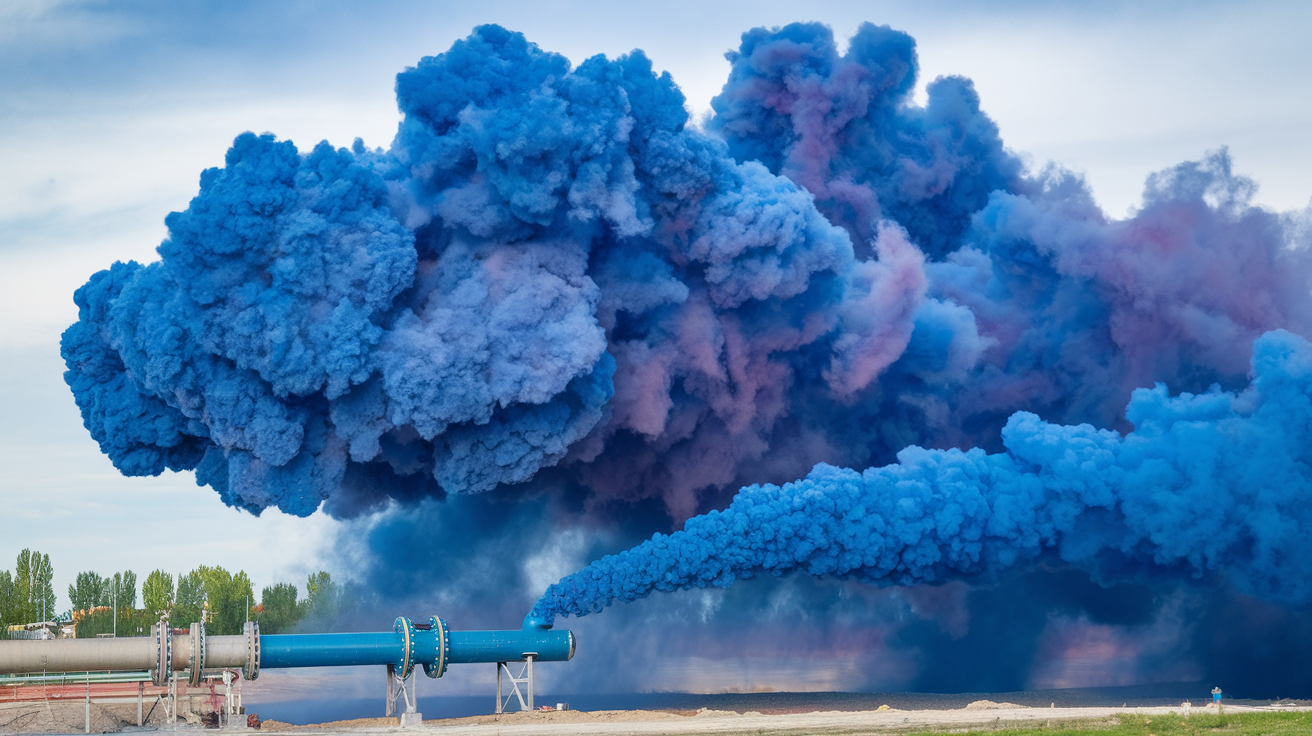


Scientists Discover Gas 3,500 Times More Powerful Than CO2. This Mortal Synthetic Gas Is Present in Many Homes Around the World. Understand How the Synthetic Gas More Powerful Than CO2 Is Scaring Researchers.
Gas 3,500 Times More Powerful Than CO2: A new threat is alarming scientists worldwide: the HFC-125, a highly harmful synthetic gas, is gaining attention in climate studies. Recent data from satellites reveal an alarming increase in its concentration in the atmosphere, setting off a real explosion that worries experts. This mortal synthetic gas, widely used in refrigeration systems and as a substitute for substances that destroy the ozone layer, has a global warming potential thousands of times greater than carbon dioxide (CO2).
Its increasing presence may significantly worsen existing climate problems, contributing to rising global temperatures and intensifying extreme weather events. Scientists warn that urgent measures are needed to mitigate its impact and regulate its use before the damage becomes irreversible.
Understand the Concern Behind the Gas 3,500 Times More Powerful Than CO2
Hydrofluorocarbons, of which HFC-125 is a part, were initially designed to replace CFCs, which are responsible for ozone layer destruction. Although it has no impact on the ozone layer, its effect on global warming is alarming. Being a gas 3,500 times more powerful than CO2 over 100 years in terms of global warming potential, HFC-125 is a significant heat trap.
-
Airbus and Mercedes take the G-Class to the skies: the ACH145 helicopter priced at R$ 78 million debuts in São Paulo, unit goes to Brazilian, AMG cabin, 5-blade rotor, and a 2-year wait.
-
New material could change everything: it is the thickness of an atom, 200 times stronger than steel, and 100,000 times thinner than a human hair.

-
A new study published in Nature reveals that the SLIT3 protein can increase calorie burning by activating brown fat in the body, functioning as a kind of “biological switch.”

-
New signals detected by NASA suggest that the Moon may hide accessible underground cavities, after data from Mini-RF indicated a conduit over 60 meters beneath a lunar pit.

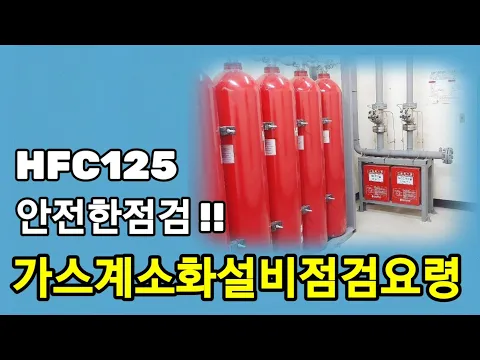
Used mainly in air conditioning systems, refrigerators, and fire extinguishers, the mortal synthetic gas is released into the atmosphere through industrial emissions. Its chemical stability makes it a persistent gas, remaining in the atmosphere for several decades.

For the first time, a team from Waterloo University, in collaboration with the Canadian Space Agency, measured the concentration of this synthetic gas more powerful than CO2 in space. The ACE-FTS satellite, in orbit since 2004, provided precise data from an altitude of 11 to 25 kilometers (around 7 to 15.5 miles).
Measures Taken to Prevent the Mortal Synthetic Gas
The results of the measures are impressive; in just two decades, the levels of the synthetic gas more powerful than CO2 have increased 10 times. This rapid rise reflects the growing demand for cooling technologies, particularly in emerging countries where such equipment is becoming common.
The climatic impact of the gas 3,500 times more powerful than CO2 is not limited to its mere presence. By capturing infrared radiation, it intensifies the greenhouse effect and directly contributes to rising global average temperatures.
To address this trend, the international community adopted the Kigali Amendment to the Montreal Protocol. This agreement aims to gradually reduce the production and use of the mortal synthetic gas, promoting greener alternatives.
However, scientists emphasize that the effectiveness of these measures depends on their swift and widespread implementation. Without immediate action, concentrations of the synthetic gas more powerful than CO2 will continue to grow, threatening to worsen an already fragile climate.
If regulations prove effective, as was the case with CFCs, scientists expect to see a gradual decline of this gas in the coming years. But time is critical to combat its effects and avoid irreversible climatic disruptions.
Understand What the Global Warming Potential (GWP) Is
Global warming potential (GWP) measures the impact of a greenhouse gas on global warming. It compares the ability of a molecule to retain heat in the atmosphere relative to carbon dioxide (CO2), which serves as the baseline.
This value is calculated over a specific period, usually 20, 100, or 500 years. For example, in the context of this study, a GWP of 3,500 means that the mortal synthetic gas retains 3,500 times more heat than the same amount of CO2 over 100 years.
Gases with high GWP values, such as HFC-125, are particularly concerning. Their long lifespan amplifies their impact, as they persist in the atmosphere for decades or even centuries. By accounting for GWP, international regulations like the Kigali Amendment aim to reduce the use of these substances to limit their contribution to global warming.








A ****(v,,,aca) SEQUESTRA 25 X MAIS CO2 DO Q EMITE METANO.
Quanta censura!!!!
**** = fêmea do **** e o outro ****= PUM da fêmea do **** vacum.
A b…urrice artificial do algorítmo censurou.
BESTEIROL AO CUBO E **** ACREDITAM.
Primeiro, o **** da ****.
A **** SEQUESTRA 25 X MAIS CO2 DO Q EMITE METANO.
Posso provar!