





 Portuguese
  English
  Spanish
  4 min of reading
  0 comments


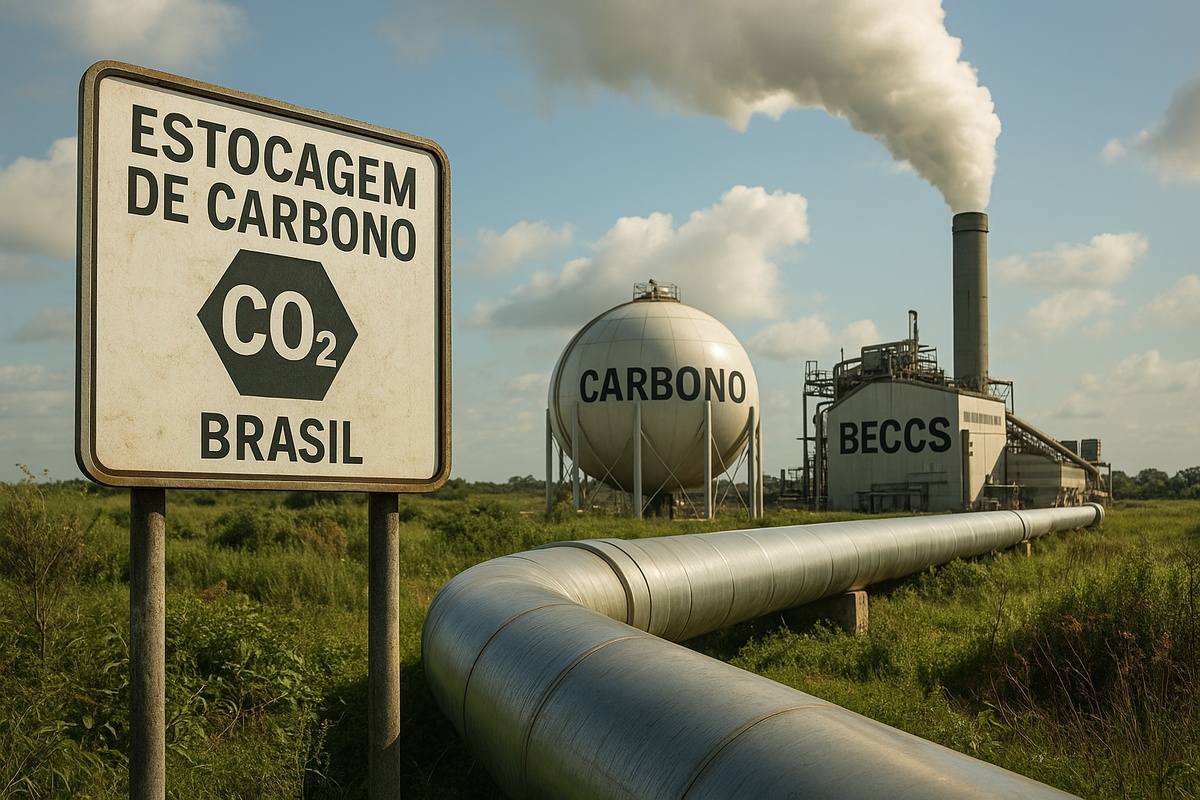
USP Technical Report Reveals Where Carbon Capture and Storage Technologies Can Transform the National Industry Based on Solid Scientific and Environmental Foundations
An unprecedented mapping led by RCGI at USP revealed strategic areas in Brazil with technical capacity to apply decarbonization technologies such as CCS and BECCUS.
Thus, the report presented on July 14, 2025, to the Ministry of Mines and Energy, during the event “Future Fuel: CCS, CCUS and BECCS Workshop” in Brasília, gained national relevance.
The research, conducted by Karen Mascarenhas and Drielli Peyerl, is part of the Social Perception and Scientific Diplomacy in Technological Transitions for a Low Carbon Society project, linked to the Research Center for Innovation in Greenhouse Gases (RCGI) at the University of São Paulo.
-
Embrapa’s discovery reveals an unexpected advancement by allowing the production of seedlings from the caatinga using brackish water, opening a new frontier for farmers to face drought more efficiently.

-
6 sources of free fertilizer that you are throwing away every day and can transform your garden without spending anything.

-
With a water crisis on the radar, Sabesp invests in reclaimed water for data centers and transforms sewage treatment into a solution that saves millions of liters and protects public supply.

-
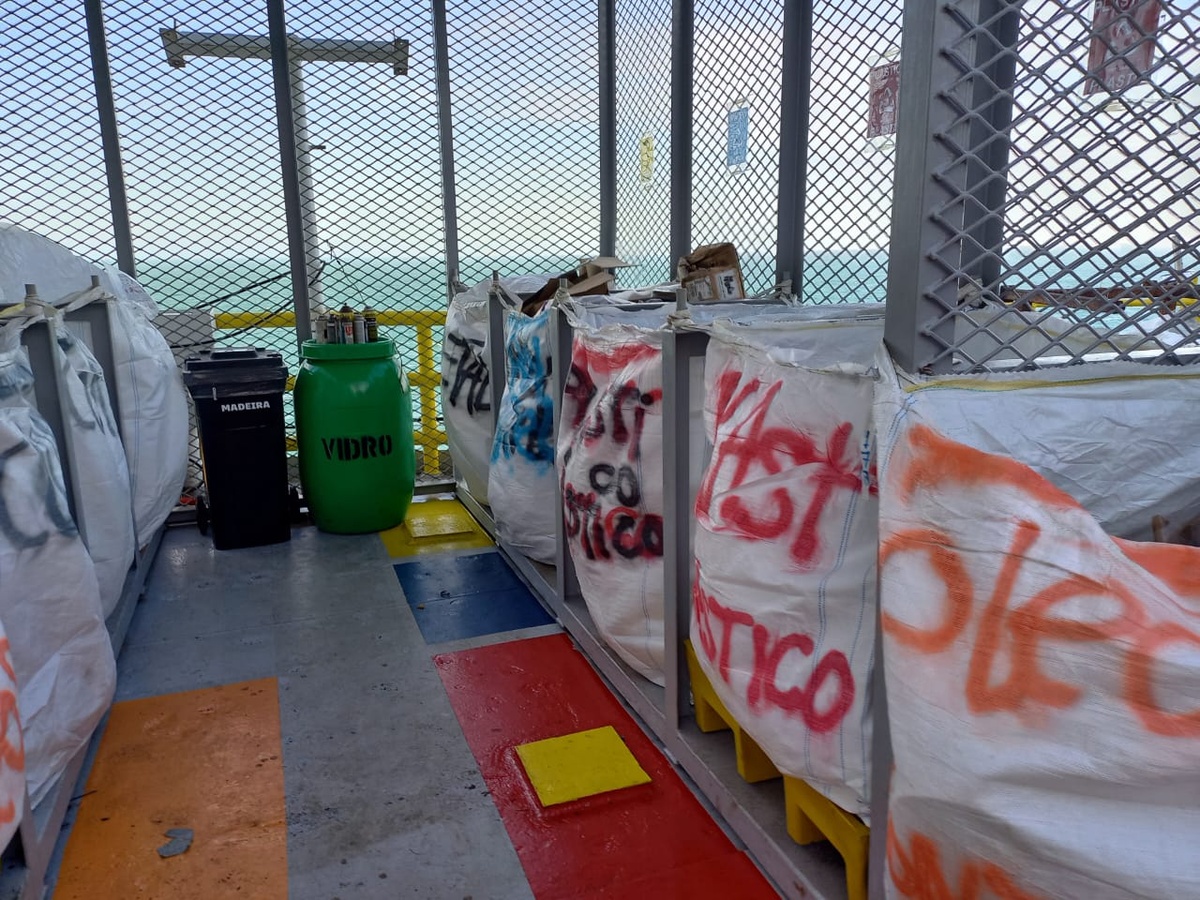
Foresea achieves 100% offshore waste reuse in 2025, eliminates landfill disposal, and consolidates sustainable strategy with 1,500 tons recycled.

Geospatial Study Reveals Concrete Opportunities for Industrial Decarbonization
Based on integrated geospatial data, the report assessed industrial emissions, transportation infrastructure, and geological storage capacity.
Thus, it was possible to identify priority regions for the implementation of capture and CO₂ storage technologies.
In this way, the methodology used the QGIS platform to overlay data on production, logistics, and geology, resulting in a “technical atlas” capable of guiding public policies in a structured manner.
According to Mascarenhas, “local population trust will be as important as technology in consolidating a low carbon economy.”
Strategic Cities Are Ready to Lead Carbon Capture Projects
The research highlighted, therefore, municipalities with greater technical, logistical, and environmental feasibility for the application of the technologies:
Serra (ES), with intense emissions from steelmaking;
São Gonçalo do Amarante (CE), with the presence of steel mills and thermoelectric plants;
Manaus (AM), whose emissions come from gas thermoelectric plants;
Uberaba (MG), a bioenergy hub with high-purity CO₂;
Mato Grosso, where there is a concentration of ethanol, biodiesel, and biogas.
Thus, these locations prove ideal as they gather high CO₂ emissions, functional logistics, and infrastructure already installed, factors that reduce costs and facilitate the development of pilot projects.
Brazilian Coast Can Store Hundreds of Megatonnes of CO₂
In addition, the largest geological storage reserves have been identified in the marine basins of Espírito Santo, Ceará, and Rio Grande do Norte.
According to the report, these locations have the potential to accommodate between 167 and 372 megatonnes of carbon, utilizing structures already used by the oil and gas industry.
Meanwhile, other basins with intermediate capacity — between 32 and 167 megatonnes — were located in areas of the Southeast, Northeast, and the Amazon.
For this reason, the choice of territories also considered the proximity to emission hubs and the existence of logistical infrastructure, such as gas pipelines and railroads.
Application of Technologies Can Advance Climate Goals but Requires Care
Although technologies such as CCS and BECCUS directly contribute to SDG 13 (Climate Action), the report warned of challenges associated with other global goals.
For example, SDG 14 (Life Below Water) could be compromised in cases of leaks during offshore storage.
Additionally, the high water demand of these processes puts pressure on SDG 6 (Clean Water and Sanitation) in regions with limited resources.
Therefore, the document advocates for a careful and tailored application, always based on rigorous technical and environmental assessments.
Technical, Regulatory, and Social Barriers Still Hinder Progress
Despite the high technical potential, large-scale adoption in Brazil faces significant hurdles.
Among them are the high cost of technologies, the difficulties in continuous monitoring of stored carbon, and the slow conversion of studies into pilot projects.
Furthermore, the absence of clear regulations, the lack of fiscal incentives, and the lack of public awareness also hinder social acceptance.
According to Drielli Peyerl, “social acceptance will be as decisive as geological parameters. We need to combine technical data with dialogue and engagement.”
Recommendations Outline Paths to Enable Technologies in the Country
In light of this, the report presents objective recommendations for Brazil to advance safely in industrial decarbonization:
Create specific technical standards that define responsibilities for stored carbon;
Encourage pilot projects in areas with greater geological and productive feasibility;
Implement continuous monitoring systems, with auditable protocols;
Strengthen communication strategies and social engagement, to promote acceptance.
Thus, the proposal is to ensure that technological advancement occurs with responsibility, transparency, and effective social participation.
Brazil Can Lead the Global Decarbonization Agenda on Solid Ground
The study, titled “Geospatial Assessment of Carbon Capture and Storage (CCS) & Bioenergy with Carbon Capture and Storage (BECCS) Opportunities in Brazil – Volume 1”, reinforces the country’s prominence in the climate agenda.
Produced by Alex Azevedo, Celso Cachola, Mariana Ciotta, Karen Mascarenhas, and Drielli Peyerl, the report offers a robust and replicable methodology, with the potential to influence public policies and private decisions.
Thus, if applied correctly, this knowledge could transform emissions-intensive industries into global benchmarks for sustainable innovation.










Seja o primeiro a reagir!