





 English
  Francês
  Alemão
  Italiano
  Japonês
  Norueguês
  Portuguese
  Spanish
  3 min of reading


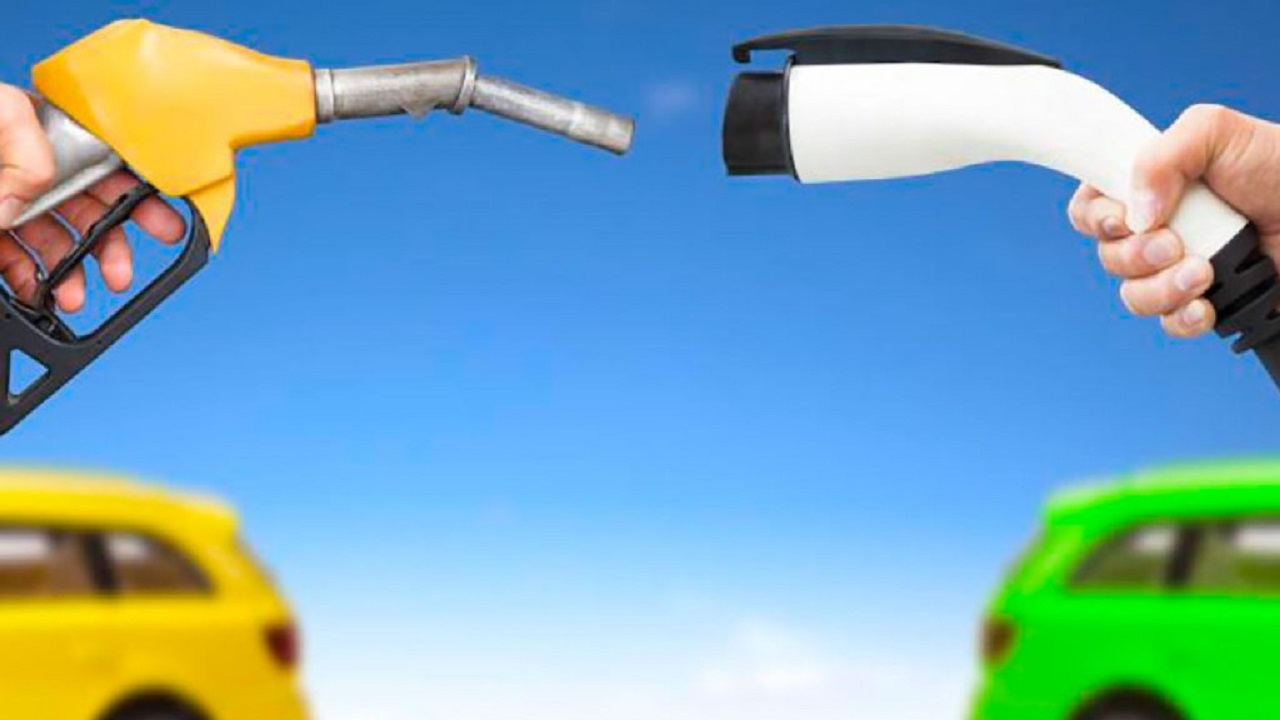
Scientists Developed Synthetic Substance Capable of Revolutionizing the Electric Car Industry. The New Substance Can Make Lithium-Oxygen Batteries Generate Autonomy Similar to Combustion Engines
Researchers from Australia have discovered a new substance that could accelerate the arrival of lithium-oxygen batteries for electric cars. Such batteries stand out for being able to store significantly more energy than the lithium-ion ones currently available, providing the same autonomy as combustion engines for electric vehicles. To do this, they capture the oxygen present in the atmosphere generating reactions while discharging, releasing the substance when charged.
Read Other Related News
Lithium-Oxygen Batteries
Despite everything, the prototypes have shown some parasitic reactions, preventing the release of stored energy in batteries for electric cars and reducing their lifespan.
Researchers from the University of Technology Sydney have developed a synthetic molecule that resolves these issues with lithium-oxygen batteries, which are capable of providing the autonomy of combustion engine cars to electric vehicles.
-
Engineers propose a fourth traffic light for intersections – the change promises to affect crossings, queues, and waiting times.

-
Chevrolet Suburban Z71 lands in Brazil with a V8 engine, off-road design, air suspension, seven seats, and colossal size, a rare version imported for around R$ 1.3 million with luxury and exclusivity.
-
The Chevrolet Onix 1.0 turbo achieves 17.7 km per liter on the highway and ranks among the three most economical cars in Brazil in 2026, alongside two more expensive Toyota hybrids available at dealerships.
-
Little sister of the Hilux: Toyota launches Land Cruiser FJ with 4 radical versions, 2.7 engine with 166 hp and 4×4 traction with locking.

With the molecule, a lifespan of over 1,400 cycles, in addition to a difference of only 0.7 V between release voltage and recharge voltage. The substance created by the team of scientists for lithium-oxygen batteries actually alters the essential mechanism for the component’s functioning.
Understand How Scientists Developed a Battery Capable of Matching Combustion Engine Cars
According to the team of scientists, a multinational superoxide radical suppressor was designed and synthesized, grafting two active mediation redox groups onto an active extinction perylene diimide (PDI) scaffold.
The result, which has a long name but can be referred to by the acronym PDI-TEMPO, not only eliminates the superoxide species created during the charging and discharging process of lithium-oxygen batteries but also acts as a regulator to catalyze the decomposition and formation of Li2O2 in the electrolytic solution and in reducing the potential differences between charging and discharging.
The next generation of lithium-oxygen batteries for electric cars is expected to extend autonomy between charges, potentially matching combustion engines, representing a huge leap for the global automotive industry. The researchers and the lead professor of the team, Guoxiu Wang, are confident that their molecule can drastically improve the performance of the components, allowing next-generation lithium-oxygen batteries to be more practical.
Brazil is Also Advancing with the Use of New Battery Technologies for Electric Cars
National researchers are making progress in developing precise catalysts for optimizing lithium-oxygen batteries. According to Gustavo Doubek, a professor at Unicamp, the work contributes to building batteries for electric cars that can surpass combustion engines while improving cycle efficiency, without using noble or expensive materials.
For the component to offer good performance, it is necessary for all generated lithium peroxide to decompose quickly. Therefore, researchers worldwide are working on creating catalysts capable of facilitating lithium peroxide decomposition while being low cost, durable, and effective.








Seja o primeiro a reagir!