





 Portuguese
  English
  Spanish
  4 min of reading
  1 comment


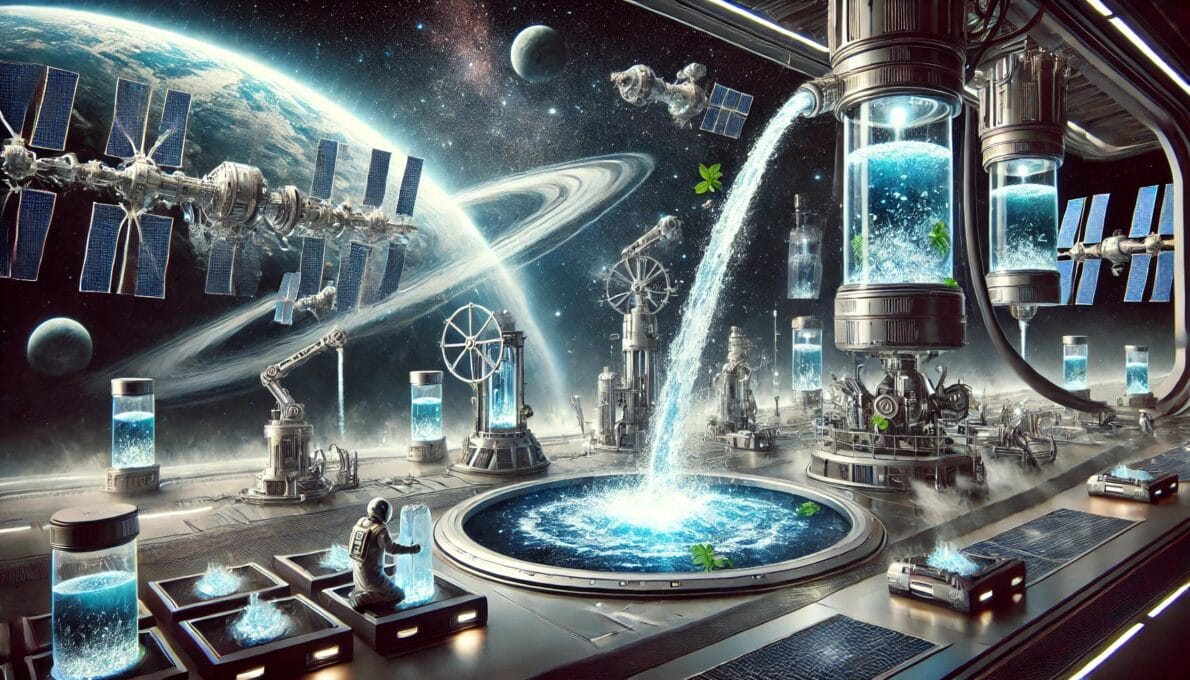

Scientists Develop Innovative Technique for Water Production in Space, Opening Path for Long-Duration Missions and Exploration of Other Planets.
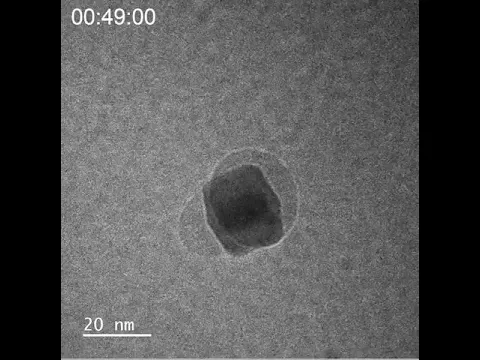
A group of scientists from Northwestern University in the US has just achieved an unprecedented feat that could change this scenario. Using a high-precision electron microscope, the researchers were able to observe, in real-time, the fusion of hydrogen and oxygen atoms to form tiny bubbles of water. This discovery paves the way for water production in space and also on Earth.
Water Production in Space May Be Closer to Reality Than Ever
Water is an essential resource for life, whether here on Earth or anywhere else. In space, where every drop needs to be carefully generated or recycled, water production becomes one of the greatest challenges for human survival on long-duration missions. Currently, astronauts rely on complex recycling systems, which is a costly and limited process.
However, this new technique could be a real game changer. Imagine a manned mission to Mars, where water production in space is done practically and efficiently, right on site. From now on, this may be closer to reality than ever.
-
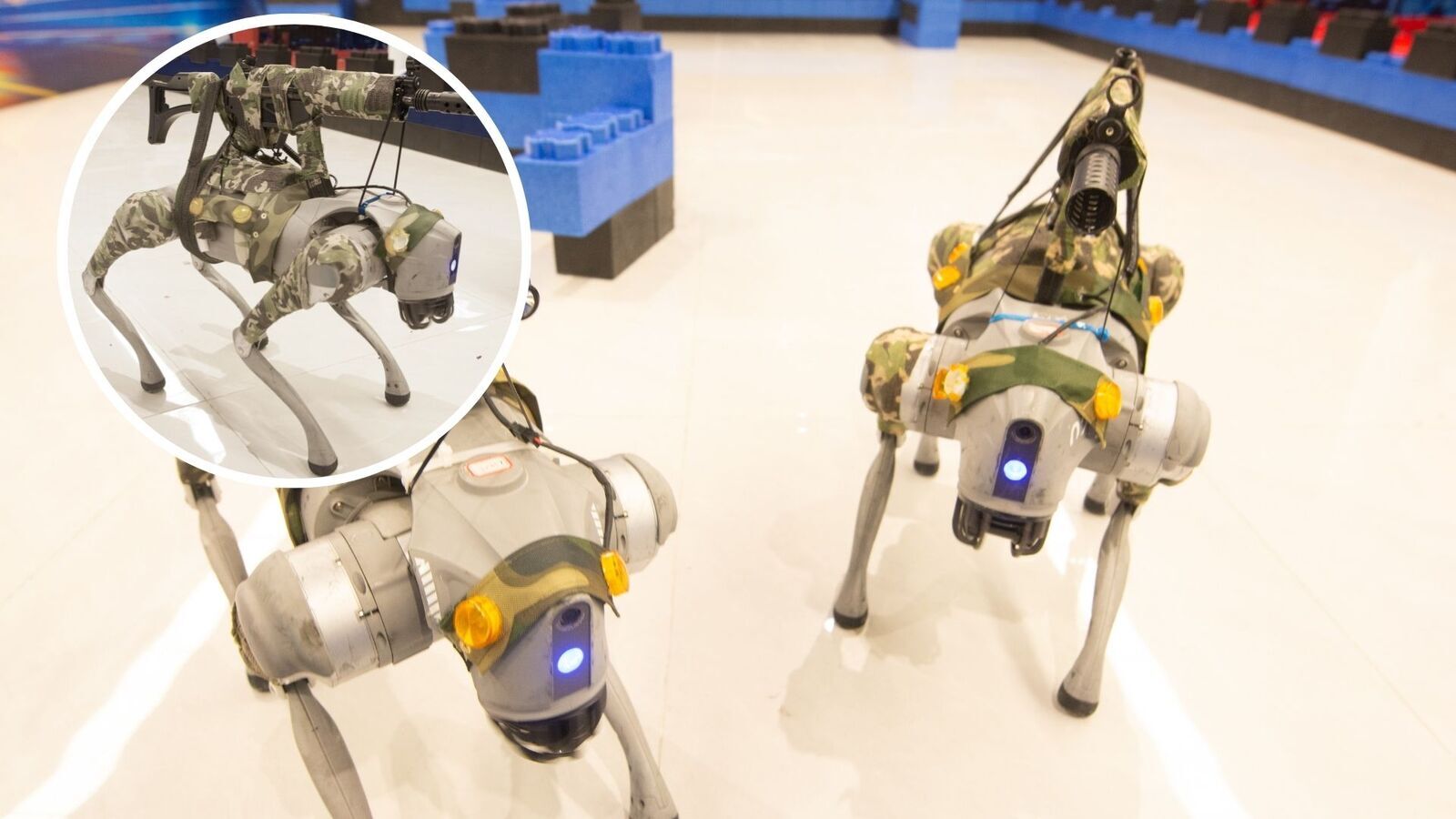
China showcases robot dogs that act in groups like a coordinated pack, make decisions together, and could change the way modern wars operate.
-
The coldest seawater ever recorded in Earth’s history was hidden under extreme ice 717 million years ago and reached an impressive -15°C.
-
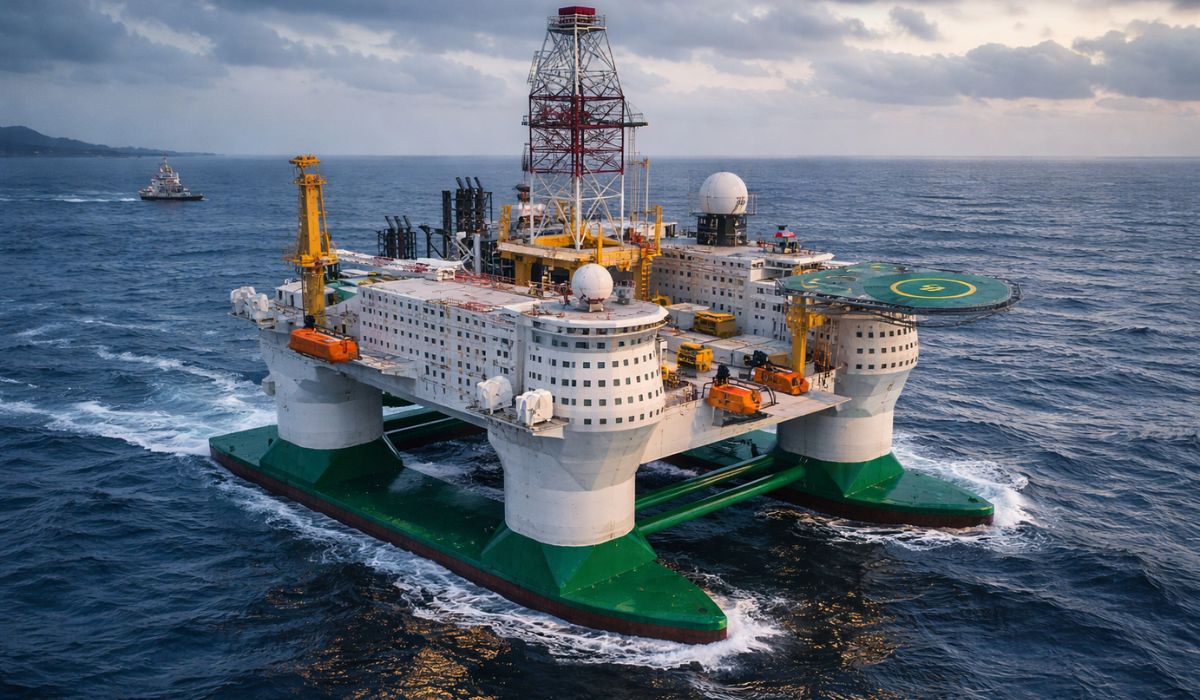
China has launched the world’s first floating artificial island, a scientific structure designed to face open seas, test equipment weighing hundreds of tons, and reach depths of 10,000 meters.
-
China accelerates global science and may surpass the United States in 2 years with increased public investment, continuous growth, and direct impact on the global technological competition.


How The New Technique Works
The technology used by the scientists to observe the formation of water bubbles is quite advanced. They utilized an electron microscope capable of capturing details on a molecular scale. The goal was to understand how the fusion of hydrogen and oxygen atoms, catalyzed by palladium — a rare metallic element — could be optimized to generate water.
The big innovation here was the ability to visualize the process in real-time. Using ultrathin membranes, the scientists were able to analyze gas molecules inside nanoreactors, closely observing the formation of water. During the experiments, tiny bubbles of water began to form on the surface of the palladium, which was later confirmed by spectroscopy, a technique that identifies the composition of the elements involved.

Optimizing Water Production in Space
In addition to observing the formation of water, the scientists were able to optimize the process. By introducing hydrogen before oxygen, the chemical reaction became faster and more efficient. This discovery paves the way for on-demand water production, something extremely useful for arid environments or even for space missions.
Imagine a scenario where space missions only carry oxygen and can produce water as needed. This would drastically reduce the amount of water to be transported from Earth, making longer and farther journeys, like to Mars or the Moon, much more viable.
The Technology Behind Water Production
This innovation was only possible thanks to atomic-level visualization technology of chemical reactions. The high-precision electron microscopy technique allows scientists to observe how atoms behave during a reaction, something that was previously impossible to see.
With the help of ultrathin membranes that confine the gases in nanoreactors, scientists were able to observe each step of the chemical process. This not only helped to understand how water bubbles form but also provided insights into how to make the process more efficient.
The research, published in the Proceedings of the National Academy of Sciences, describes this technique as a practical solution for generating water in extreme environments. And of course, when we talk about extremes, space is one of the most challenging environments.
This Technology Has the Potential to Revolutionize Water Production
The implications of this discovery are enormous. Water production in space may become a viable reality for future long-duration space missions. This means that instead of relying on limited amounts of water brought from Earth, missions to the Moon, Mars, and beyond could produce their own water on-site.
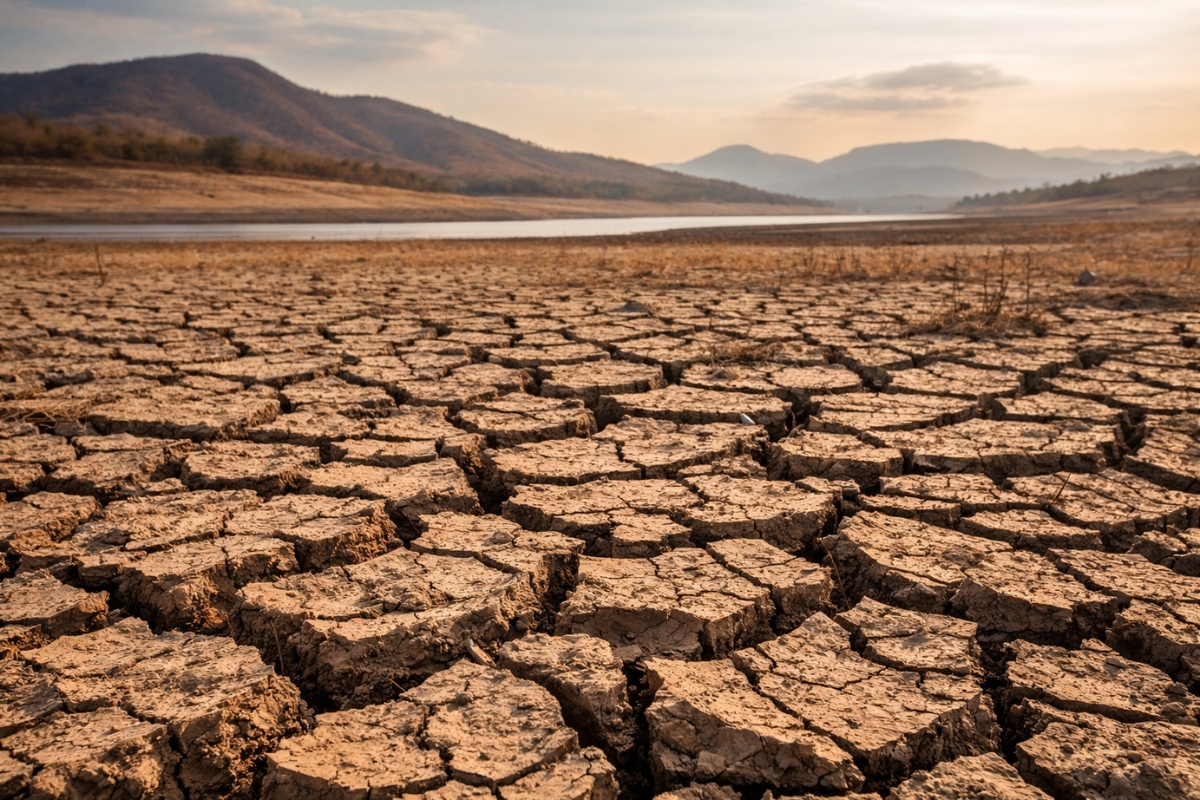
This technology also has the potential to revolutionize water production in arid areas here on Earth. Countries with water scarcity could use this technique to generate water more efficiently and sustainably, reducing dependence on increasingly scarce natural sources.
Moreover, major companies in the space sector, such as SpaceX and the NASA, could adopt this technology in their missions. The ability to produce water in space would not only ensure the survival of astronauts but also pave the way for the construction of colonies and space stations on other planets.
The Role of Palladium in Water Production
Palladium, a rare metal, plays a crucial role in catalyzing this chemical reaction. During the experiment, scientists discovered that water formed on the surface of this metal, indicating that it facilitates the fusion of hydrogen and oxygen atoms.
However, palladium is an expensive material, which raises questions about the economic feasibility of its use on a large scale. To address this issue, researchers are already exploring cheaper and more accessible alternatives that can fulfill the same catalytic function without significantly raising production costs.
Despite the impressive advancement, there are still many challenges to overcome before water production in space can be implemented on a large scale. One of the main obstacles is to ensure that the process is efficient and economical enough to be viable for space missions.
Furthermore, practical systems will need to be developed that can be taken on spacecraft and installed in low-gravity environments, such as on the Moon or Mars. However, with the rapid progress of technology and the growing interest in space exploration missions, it is likely that these challenges will be overcome in the coming years.





Nossa isso é muito bom.
Olha a onde a tecnologia chegou