





 Portuguese
  English
  Spanish
  2 min of reading
  0 comments



Learn How the Validity Period of Cement Impacts the Strength and Durability of the Work, and Discover Storage and Transport Practices to Maintain Its Quality.
The validity period of cement is a decisive factor for the safety and durability of any construction.
Even before being mixed with water to form concrete, cement can lose its properties if stored or transported improperly, compromising the strength of the structure and increasing the risk of material waste.
Secure Transport: Preserving the Cement Until the Site
Even before arriving at the construction site, cement needs to be transported carefully.
-
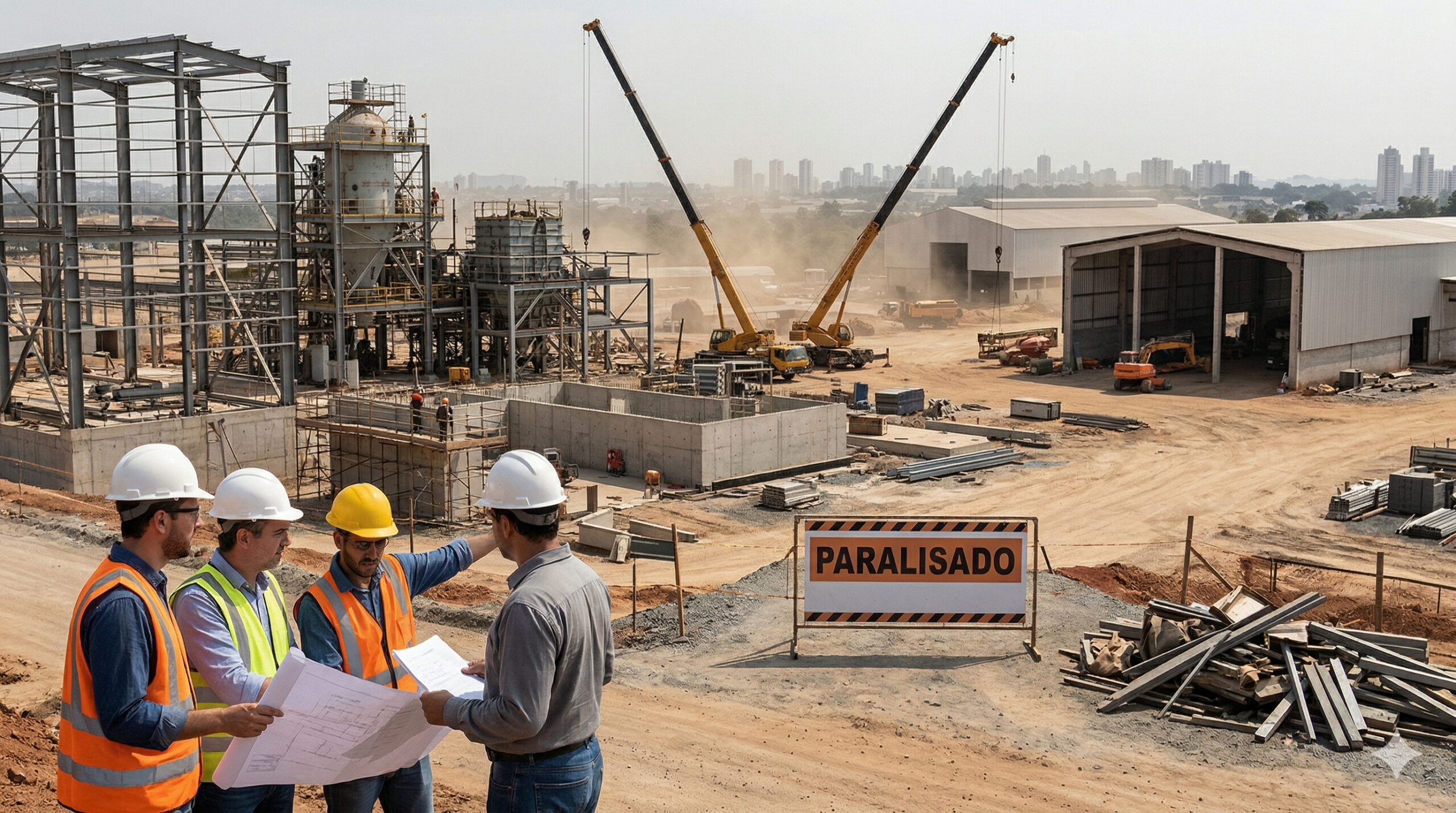
The lack of welders, electricians, and operators becomes a structural threat in 2025, with the construction industry and manufacturing already suffering from delays, cost pressures, and labor shortages in Brazil.
-
Brazil and Paraguay are just 46 meters away from a historic union on the bioceanic bridge that promises to revolutionize trade between the Atlantic and the Pacific.

-
With 55 km over the sea, a cost of US$ 20 billion, and enough steel to build 60 Eiffel Towers, China’s largest project has connected Hong Kong, Zhuhai, and Macau in a colossal bridge that defies the logic of engineering.

-
A trick with joint compound transforms a Styrofoam ceiling into a plaster-like ceiling: leveled panels, wires and mesh at the joints, sand, paint, and change the environment while spending little today.


Bags should be protected with waterproof tarps, positioned securely and kept away from sharp objects that could tear them.
For bulk cement, clean and well-sealed trailer silos prevent moisture from compromising the validity period of the product.
Efficient Storage Prolongs the Useful Life
After transport, the storage location is critical to keep the cement within the validity period.
The material should be kept in a dry and ventilated environment, away from walls, ceilings, and other materials that could cause contamination.
Bags on pallets, small stacks, and strategic organization help preserve their properties and ensure that the cement remains usable for up to 90 days.

For those who work with bulk cement, silos are the best alternative.
They keep the powder dry, control moisture, and prevent clumping, allowing for greater efficiency in production and reducing waste.
Why Does Cement Have a Validity Period?
Cement is sensitive to moisture from the moment of manufacturing.
When it absorbs water from the environment before use, it begins a hydration process that compromises its bonding capacity.
For this reason, the validity period of cement is relatively short—generally 90 days for bags or bulk—and depends on careful storage and transportation.
Some manufacturers adjust the period according to the climatic conditions of different regions, ensuring that the material delivered to consumers maintains the expected quality.

How to Ensure the Quality of Cement in Practice?
For cement to maintain its properties until use, attention to small details is necessary.
Storing bags away from moisture, in low stacks, on pallets, and keeping the environment ventilated are simple yet essential measures.
For bulk cement, keeping silos clean, sealed, and dry prolongs the product’s useful life and prevents waste.
By following these practices, it is possible to preserve the validity period of the cement, ensuring strength, durability, and safety on the job site, as well as reducing costs with replacement or repairs.
With information from Tecnomor









Seja o primeiro a reagir!