





 Portuguese
  English
  Spanish
 6 min of reading
  0 comments


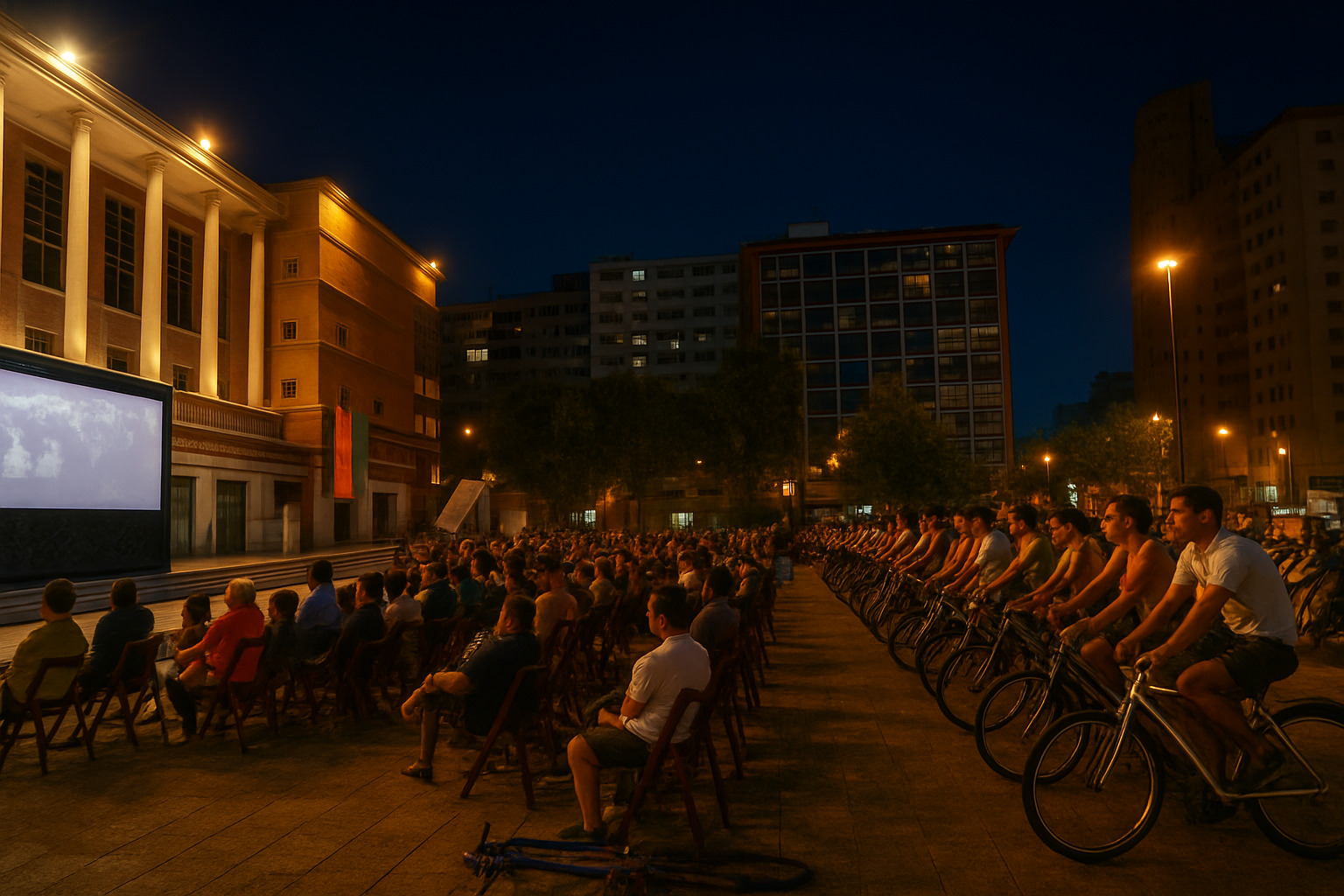
Discover the Clean Energy Cinema in Mogi and Guararema, uniting Culture, Technology, and Sustainability in outdoor screenings for all ages.
The concept of Clean Energy Cinema arrives in Alto Tietê, bringing innovation, entertainment, and environmental awareness to the audience.
Moreover, projects that combine technology, culture, and sustainability are gaining traction in Brazil and around the world. They demonstrate that it is possible to watch movies without causing negative impacts on the environment.
Therefore, initiatives like this not only offer leisure but also reinforce the importance of preserving natural resources and the energy transition.
-
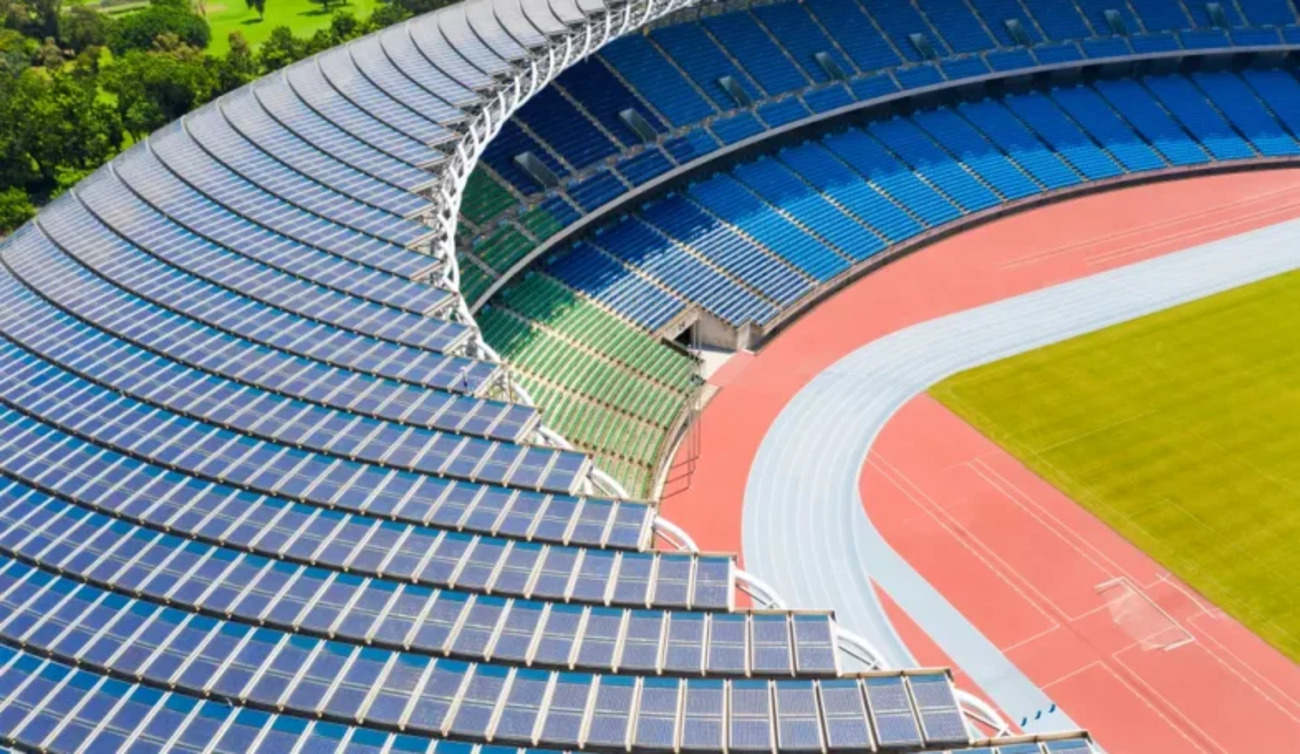
How green infrastructure and renewable energy at the World Cup transform the logistics of the largest sporting event on the planet in North America.
-
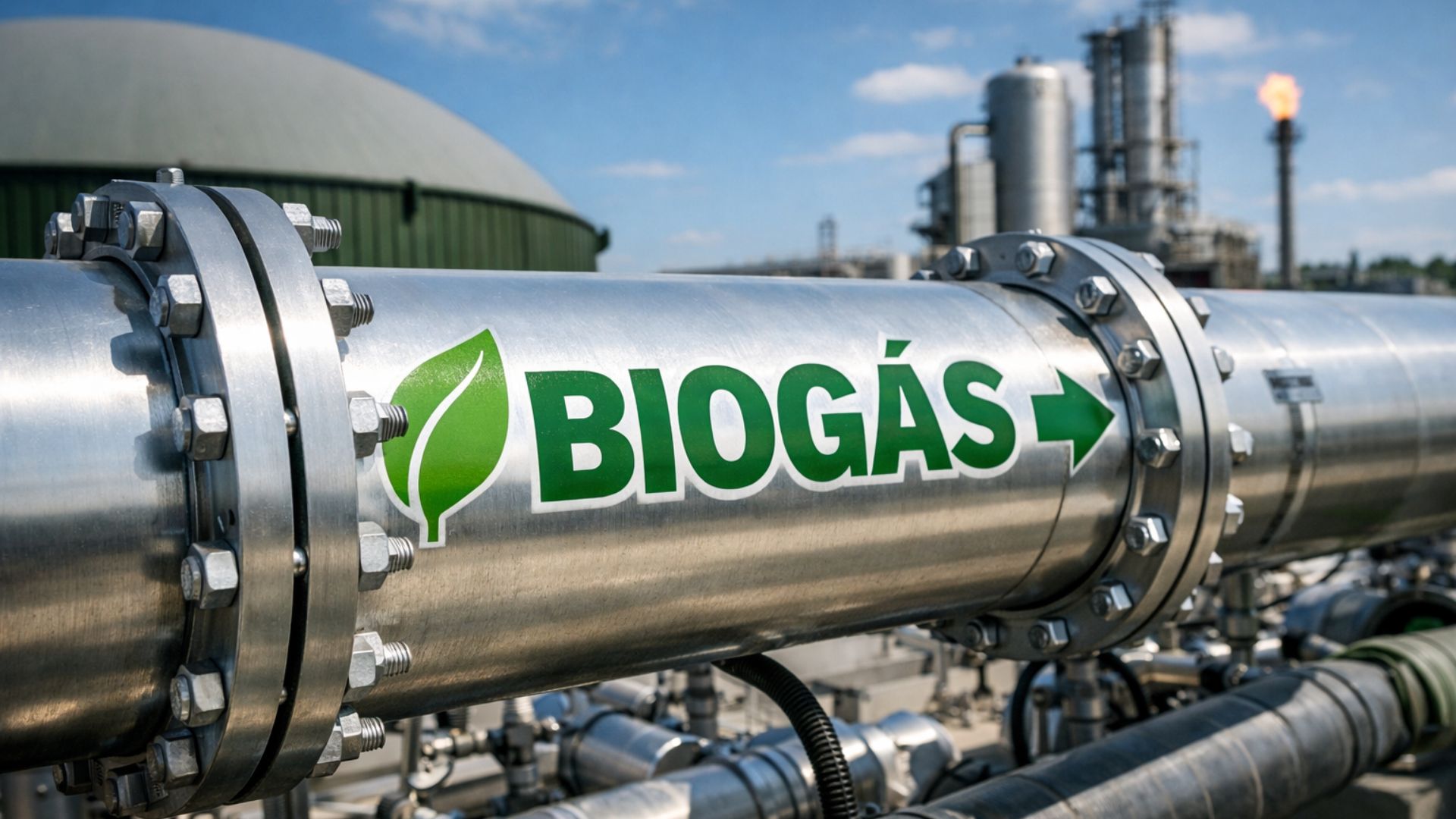
The Cagece and UFC project advances in sustainable innovation with biogas by converting waste into renewable energy, reducing environmental impacts, and increasing sanitation efficiency with concrete and measurable results.
-
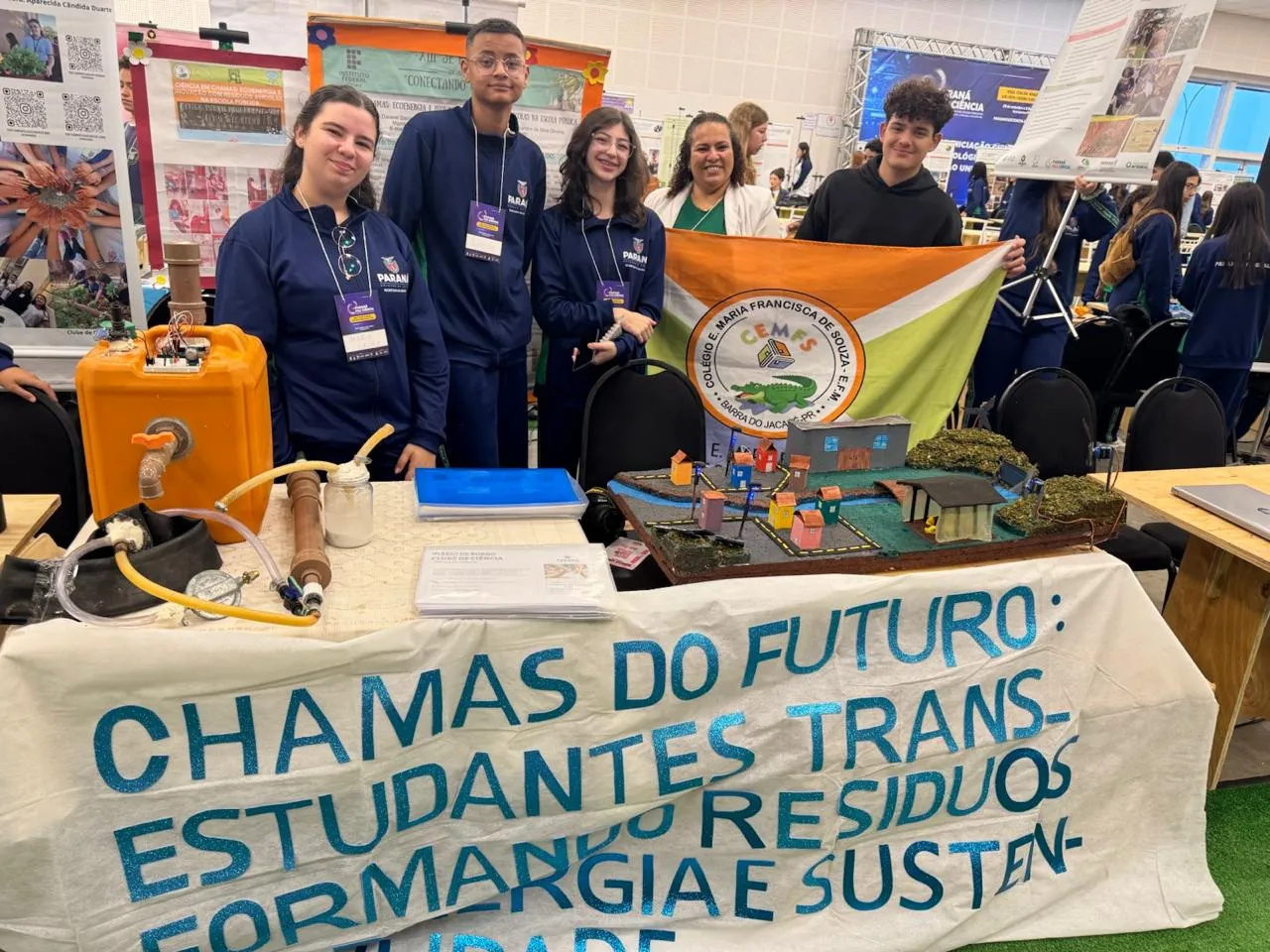
Paranaense students develop a system that transforms farm waste into clean energy and revolutionizes sustainable agribusiness.
-
The Ministry of Defense installs a giant photovoltaic plant and ensures a stable supply of clean energy in Maturacá, in the Amazon.
Historically, cinema has always reflected society, keeping up with cultural, technological, and social changes. From the first silent films in the early 20th century to modern digital productions, the film industry has evolved rapidly.
However, energy consumption has always played a significant role, especially for large screenings in traditional theaters.
Consequently, the growing concern over climate change and resource scarcity has stimulated projects that seek more sustainable alternatives, such as Clean Energy Cinema.
For example, BikeCine, a project that uses energy generated from the audience’s pedaling to power its screenings, exemplifies this evolution.
In Mogi das Cruzes and Guararema, the audience participates actively in the functioning of the screenings. They can pedal on fixed stations or bring their own bicycles.
Additionally, the project encourages healthier habits.
By pedaling to generate energy, the audience engages in light physical activity, strengthening both body and mind.
Thus, the experience goes beyond entertainment, becoming an educational and integrative activity. Children, youth, and adults realize that each effort contributes directly to the realization of a cultural event. This creates a sense of collective responsibility and belonging.
How the Clean Energy Cinema Works
In this way, each person becomes part of the energy generation process, providing a unique and educational experience.
The electricity used in the Clean Energy Cinema comes entirely from renewable sources, in this case, from the kinetic energy produced by pedaling.
At the same time, each cyclist generates an average of 200 watts. This helps keep the projector, sound system, and inflatable screen running during screenings.
This model, therefore, significantly reduces pollutant emissions compared to conventional cinemas.
Furthermore, the BikeCine project prioritizes accessibility. For instance, in addition to bicycles, it offers a “hand pedal”, developed especially for children, the elderly, and people with reduced mobility.
In this way, everyone can participate in the energy generation, making the experience inclusive and educational.
Additionally, the combination of technology, sustainability, and culture transforms the Clean Energy Cinema into a space for learning, leisure, and environmental awareness.
The project also raises awareness among the audience about conscious energy consumption. Many viewers realize that if everyone pedaled in their daily lives, it would be possible to significantly reduce reliance on polluting energy sources.
Thus, BikeCine acts not only as entertainment but also as a tool for environmental education.
Programming and Experience in Mogi and Guararema
In Mogi das Cruzes, the screening presents the film “Auto da Compadecida 2”, the sequel to the celebrated saga of João Grilo and Chicó.
Meanwhile, in Guararema, they are screening “Inside Out 2”, a Disney Pixar animation that follows Riley through a time leap in her pre-adolescence.
Additionally, the screenings take place outdoors, with short film sessions before the features, ensuring diverse entertainment for all audiences.
The model of Clean Energy Cinema also encourages social interaction.
In this way, the audience chooses between watching the sessions seated in the audience or pedaling at the available stations.
With a total of 16 stations, including 12 fixed ones and four adaptable for bicycles brought by the audience, everyone can take turns pedaling. This guarantees sufficient energy for the complete screening.
Additionally, a real-time indicator displays the amount of energy generated, stimulating collective participation.
This form of sustainable cinema engages with global trends in environmental preservation. For instance, in several countries, similar projects have emerged with the proposal of reducing electricity consumption and the environmental impact of cultural events.
Moreover, BikeCine promotes community integration. Events like this encourage closeness among neighbors and friends, strengthening social ties.
In an age when technology often distances people, shared experiences like these play an important role in building more humane and supportive relationships.
Social and Environmental Impact of BikeCine
In Brazil, the arrival of BikeCine in Alto Tietê highlights the importance of adopting sustainable practices in cities of different sizes. It shows that innovation and entertainment can go hand in hand.
Furthermore, the Clean Energy Cinema offers not only an ecological alternative but also an educational one.
By participating in the project, the audience gains a better understanding of the relationship between physical effort, energy generation, and conscious consumption.
Thus, the practical experience strengthens environmental awareness, especially among children and youth, who realize how small actions can lead to significant impacts.
The success of BikeCine in Brazil since its launch in 2024 confirms that there is interest and engagement from the public.
To date, the project has visited over 30 cities, holding around 71 screenings and impacting more than 10,000 people.
Thus, the initiative shows that it is possible to expand the concept of sustainable cinema inclusively, without compromising the quality of the cultural experience.
Furthermore, the project stimulates discussions on technological innovation and renewable energy, sparking interest among students, professionals, and enthusiasts in the field.
In this way, at each screening, participants learn about the importance of reducing environmental impacts and the role of each individual in building a sustainable future.
Partnerships and Technology of Sustainable Cinema
In addition to the direct participation of the public, the Clean Energy Cinema has strategic partnerships that ensure its viability.
In the case of the circuit in Mogi das Cruzes and Guararema, the project received support from the Cultural Action Program – ProAC, from the Department of Culture, Economy, and Creative Industries of the State of São Paulo, along with sponsorship from EDP and collaboration from local governments.
Another important point is the quality of the presentation. BikeCine utilizes an Airscreen inflatable screen, a technology that ensures high-definition projection and outdoor cinema viewing experience.
Thus, the audience enjoys a complete cinematic experience, combining quality entertainment with the environmental awareness provided by the use of clean energy.
Furthermore, the impact of the Clean Energy Cinema goes beyond entertainment. It encourages environmental education, social interaction, and physical activity, while reducing the carbon footprint associated with energy generation.
In this way, projects like this concretely demonstrate how culture and sustainability can go hand in hand, transforming leisure into learning and awareness.
The Future of Sustainable Cinema
At a time when cities seek alternatives for more sustainable cultural events, BikeCine represents a significant innovation.
It shows that it is possible to unite culture, technology, and environmental responsibility in a unique experience, encouraging active audience participation and promoting conscious entertainment.
The Clean Energy Cinema arrives, therefore, in Mogi das Cruzes and Guararema as an opportunity for leisure, learning, and social transformation.
By combining a passion for cinema with sustainable practices, the project highlights that small actions, when collectively performed, result in great positive impacts for society and the environment.
The future of sustainable cinema in Brazil looks promising, and initiatives like BikeCine inspire new generations.
Moreover, by watching movies and simultaneously generating clean energy, the audience participates in an innovative cultural movement that combines entertainment, technology, environmental education, and social responsibility.
Furthermore, the project encourages the creation of new sustainable cinema models across the country.
Thus, inspiring schools, universities, and cultural organizations, the Clean Energy Cinema can become a reference in the integration of culture, technology, and sustainability.
This shows that innovating does not mean compromising the planet.









Seja o primeiro a reagir!