





 Portuguese
  English
  Spanish
  3 min of reading
  0 comments



Discover Why Kopi Luwak, the Civet Coffee, Is the Most Expensive Coffee in the World and How Its Unusual Process Raises Questions About Animal Welfare and Sustainability.
The Kopi Luwak, known as civet coffee, is one of the most expensive and exotic beverages in the world. Produced mainly in Southeast Asian countries, it is made from beans that go through the digestive system of the civet, a small mammal native to the region. This curious transformation, which involves natural enzymes, alters the chemical composition of the beans and results in a coffee with a unique flavor.
Despite its fame and international prestige, civet coffee raises serious concerns regarding animal welfare.
In many cases, civets are kept in captivity and forced to consume large quantities of coffee cherries — a practice increasingly criticized by environmental organizations and conscious consumers.
-
Friends have been building a small “town” for 30 years to grow old together, with compact houses, a common area, nature surrounding it, and a collective life project designed for friendship, coexistence, and simplicity.

-
This small town in Germany created its own currency 24 years ago, today it circulates millions per year, is accepted in over 300 stores, and the German government allowed all of this to happen under one condition.

-
Curitiba is shrinking and is expected to lose 97,000 residents by 2050, while inland cities in Paraná such as Sarandi, Araucária, and Toledo are experiencing accelerated growth that is changing the entire state’s map.

-
Tourists were poisoned on Everest in a million-dollar fraud scheme involving helicopters that diverted over $19 million and shocked international authorities.


Kopi Luwak: The Most Expensive Coffee in the World and Its Exclusive Flavor
What makes Kopi Luwak the most expensive coffee in the world is not only its uncommon process but also its highly valued flavor.
The digestion by the civet reduces the acidity and bitterness of the beans, enhancing notes of chocolate, caramel, and a cleaner, more complex aroma.
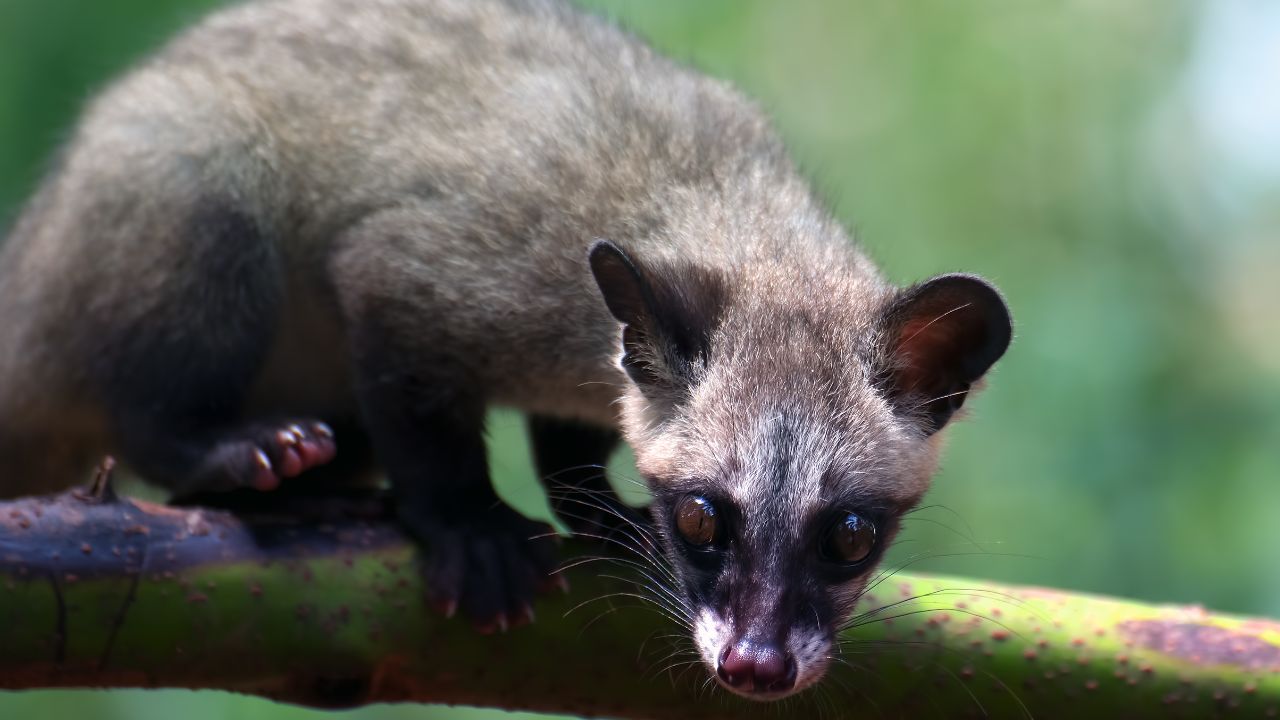
Additionally, wild civets play a fundamental role in selecting the best fruits.
This is because they naturally choose the most ripe and flavorful beans, which further elevates the quality of the final product.
This type of organic selection contributes to a sensory profile that is difficult to replicate by artificial means.
Natural Process Generates Coffee with Velvety Body and Smooth Flavor
During digestion, enzymes alter the proteins of the beans, modifying the volatile compounds and developing a coffee with a smoother texture.
The result is a beverage with full body, low acidity, and a clean flavor, something that attracts connoisseurs — the most discerning coffee enthusiasts — and collectors of rare coffees.
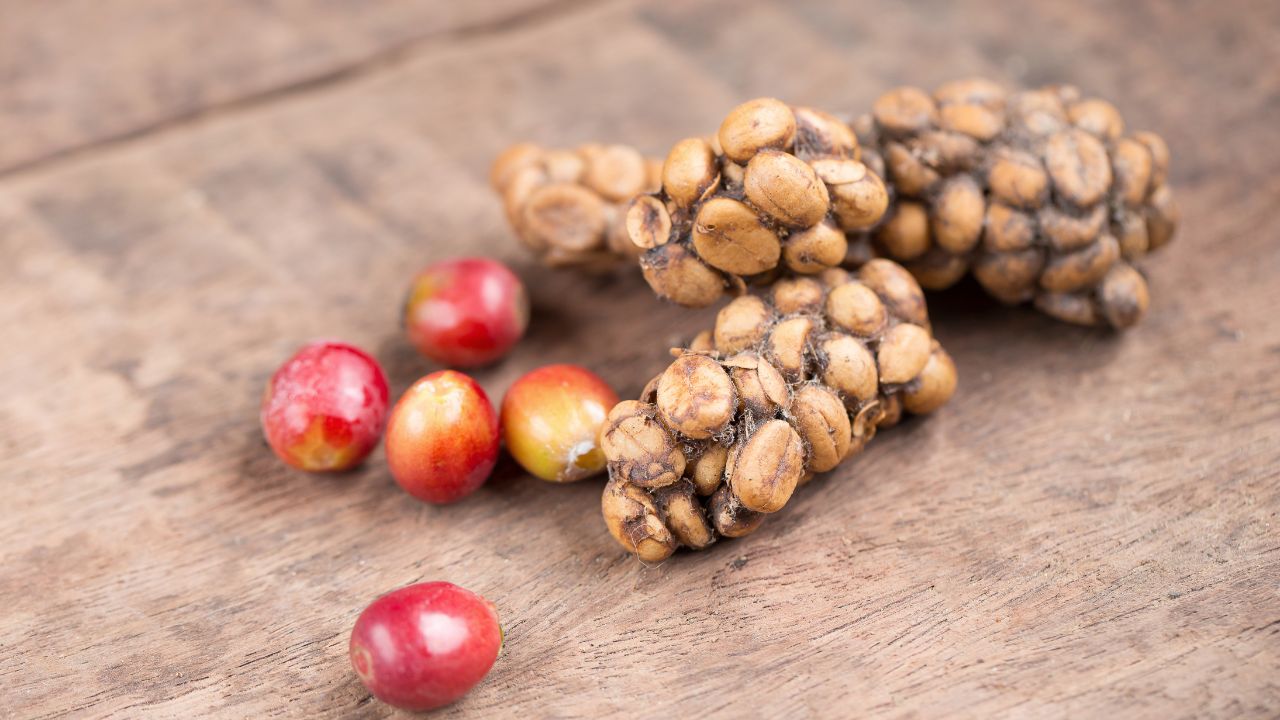
These unique characteristics position civet coffee as a luxury product.
For this reason, it is often sold for prices that can exceed hundreds of dollars per kilogram, especially when produced ethically and traceably.
The Controversy of Captive Production: Ethics and Animal Welfare at Stake
Despite its global fascination, the production of Kopi Luwak is not free from criticism.
Many producers confine civets in cramped cages and feed them exclusively coffee beans, disregarding their natural behavior and causing severe stress.
These practices not only harm the animals but also negatively affect the reputation of the entire industry.
Civet coffee produced in this way tends to be of inferior quality and raises serious questions about ethics, sustainability, and respect for animal life.
Ethical Production Is Possible — and Increasingly Valued
Fortunately, there are sustainable alternatives. Some brands collect coffee beans only from civets that live freely in the wild, respecting their well-being and habitat.
This approach is more labor-intensive and expensive, but ensures higher quality and more conscious production.
Attentive consumers have sought information about the origin of Kopi Luwak, demanding transparency and certifications that prove the ethical sourcing of the product.
Independent audits, traceability of the beans, and public education are essential tools to support responsible producers.
Kopi Luwak in the Global Market: Luxury, Controversy, and Conscious Choice
The civet coffee now occupies an exclusive place in the specialty coffee market. But its fame comes with responsibility.
More than ever, consumers must inform themselves and opt for versions of Kopi Luwak that respect nature and the animals involved in its production.
If produced ethically, this coffee can continue to be a gem in the gastronomic world. Otherwise, luxury loses its flavor.










Seja o primeiro a reagir!