





 English
  Francês
  Alemão
  Italiano
  Japonês
  Norueguês
  Portuguese
  Spanish
 4 min of reading
  0 comments


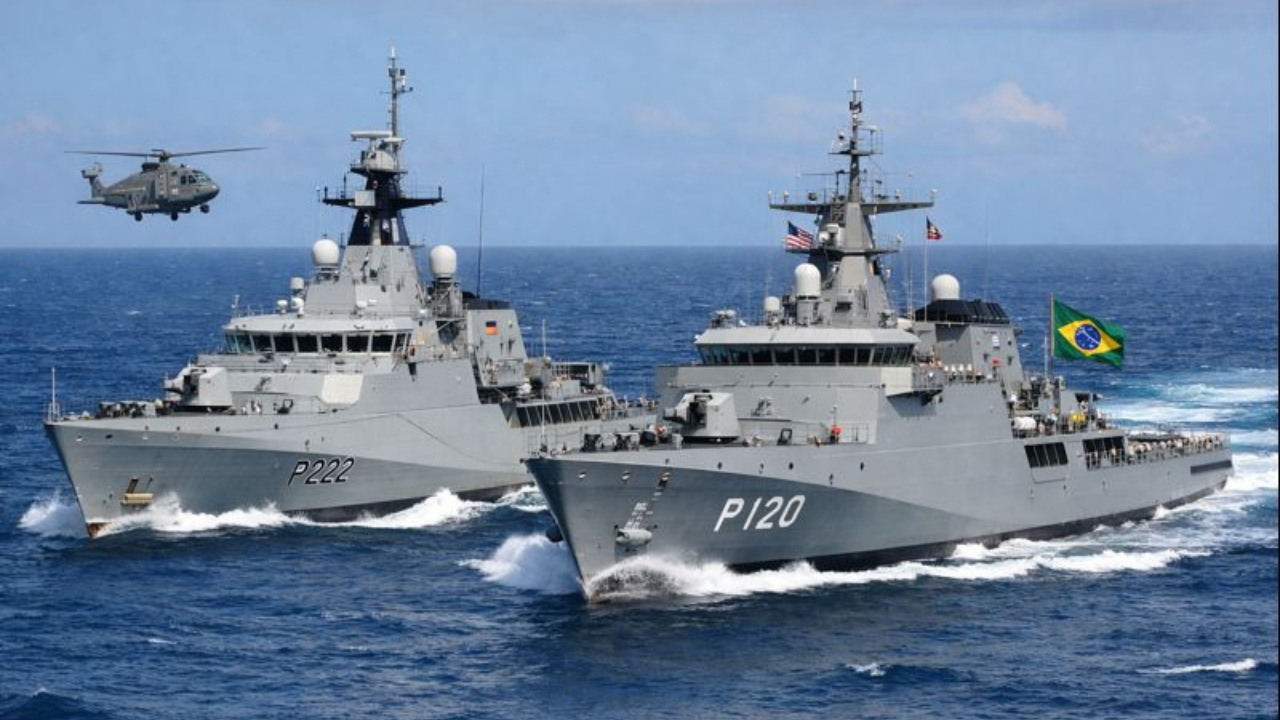
River Class Project Evolved in the Royal Navy and Resulted in the Ocean Patrol Vessels of the Amazonas Class of the Brazilian Navy.
The River Class, developed by the Royal Navy in the early 21st century, transformed the concept of ocean patrol vessels by combining greater autonomy, modern sensors, and expeditionary capability.
The project, initially designed to replace older vessels, directly influenced the creation of the Amazonas Class, now one of the pillars of maritime surveillance of the Brazilian Navy, especially in areas far from the coast and support base.
Created to meet growing operational demands, these vessels began to operate in different regions around the world, from the South Atlantic to the Indo-Pacific.
-
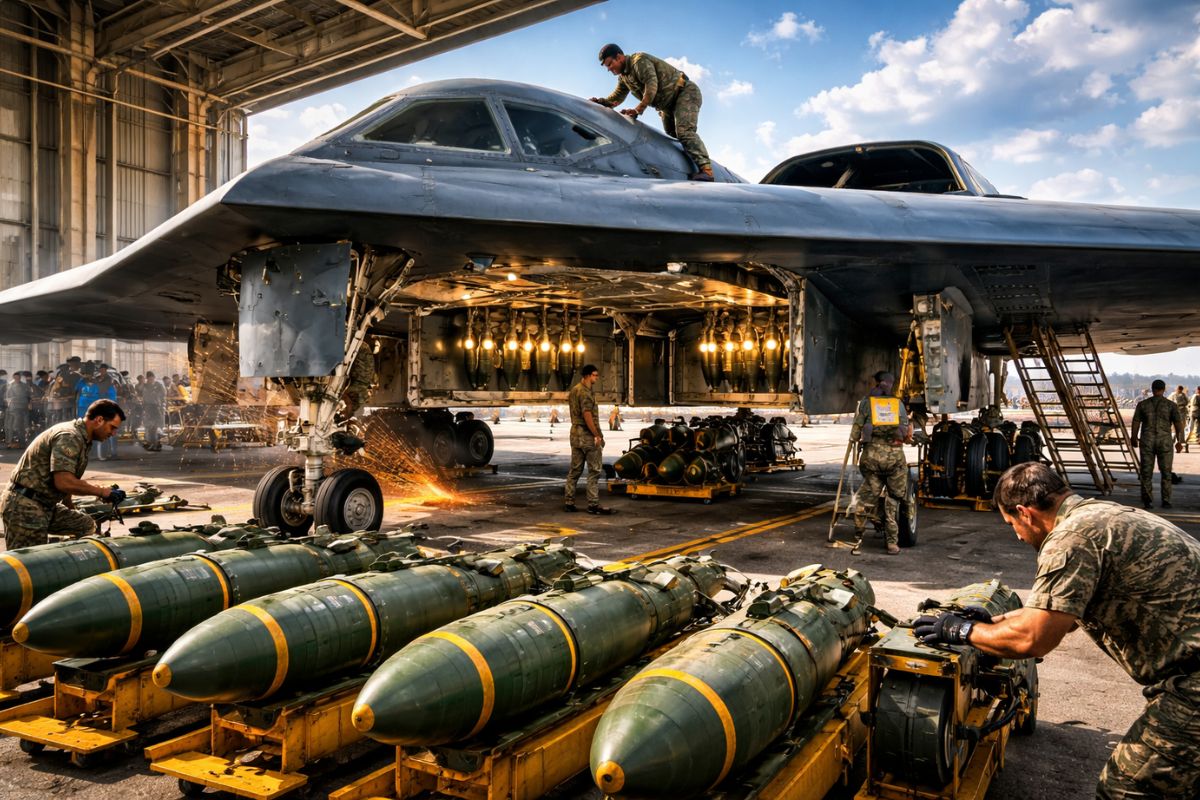
Valued at over $2 billion, the B-2 Spirit bomber requires meticulous inspection, bombs calibrated in a controlled environment, and extreme preparation to disappear from radar and launch attacks with lethal precision.
-
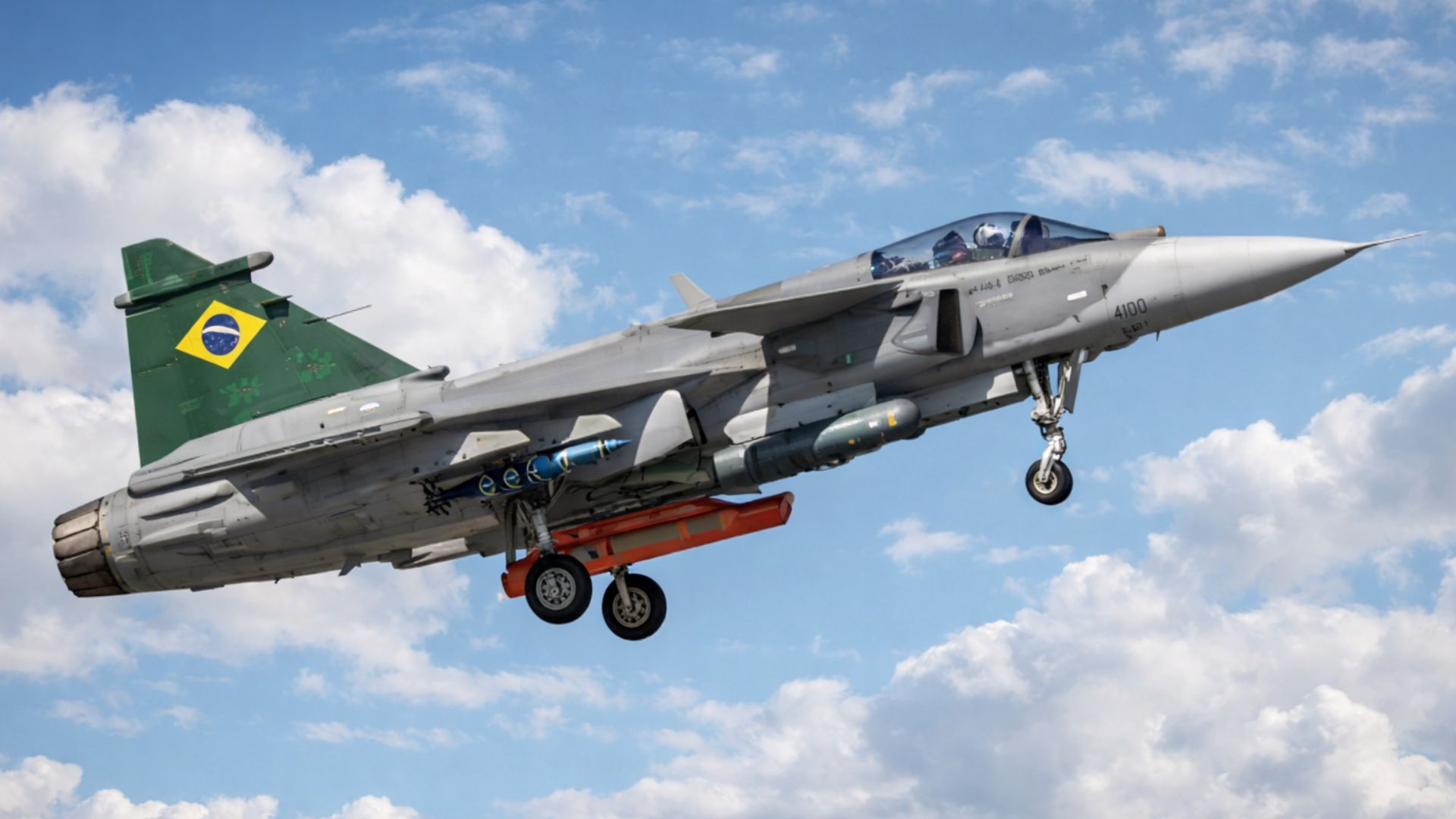
Brazil presents the first national F-39 Gripen fighter and redefines air defense with technological advancement, job creation, and strengthening of the defense industry on the global stage.
-
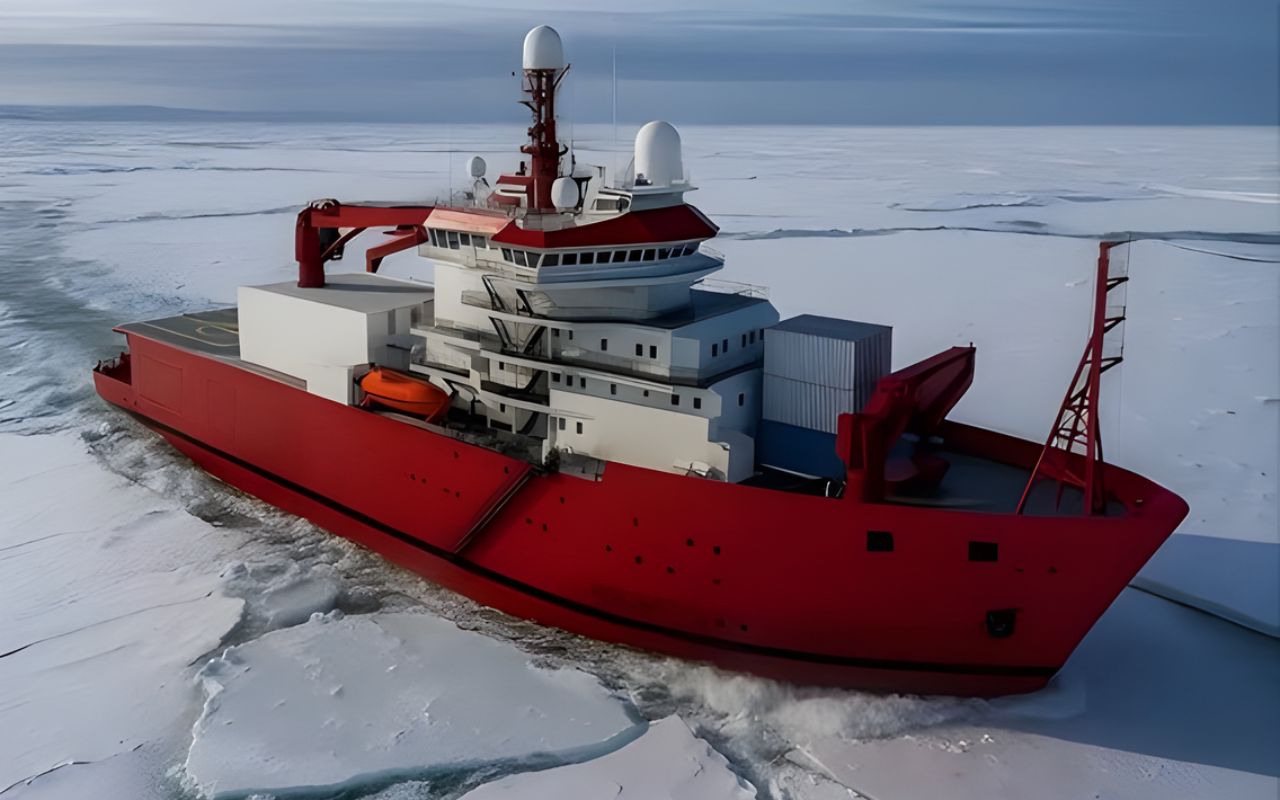
The construction of the Polar Ship Almirante Saldanha is progressing ahead of schedule and strengthens Brazil’s presence in Antarctica; the vessel will be 93 meters long, have a two-month autonomy, and technology to face ice.
-
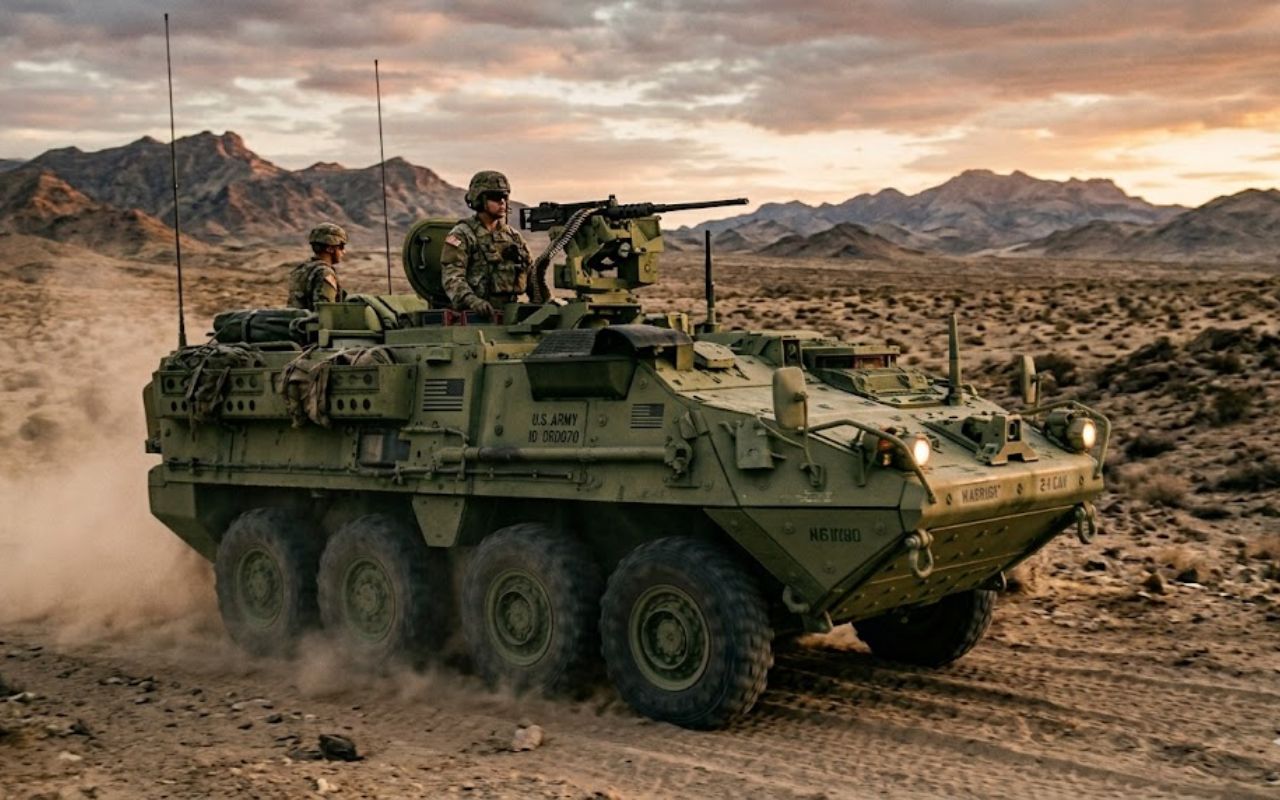
The United States Army has an armored vehicle that reaches speeds of up to 100 km/h, capable of operating normally on different types of terrain and also on asphalt without causing damage; equipped with a 350 hp engine, it can transport up to 9 soldiers — meet the Stryker.

Thus, what began as a British program became a global solution for ocean patrol, protection of the Exclusive Economic Zone (EEZ), and strategic naval presence.
River Class: The Royal Navy’s Response to New Maritime Challenges
In the early 2000s, the Royal Navy decided to replace the old Island class patrol boats, which had been in operation since the 1970s. The goal was clear: modernize the fleet with larger, more efficient vessels capable of remaining at sea for extended periods.
The result was the River Class, designed by the Vosper Thornycroft shipyard, with support from Three Quays Marine.
These new ocean patrol vessels featured greater displacement, better stability, and increased autonomy, allowing for extended missions around the United Kingdom.
However, it soon became evident that there was a significant limitation: the initial units did not have the capacity to operate helicopters, which is essential for surveillance missions in remote areas.
HMS Clyde: The Link Between the River Class and the Project Transformation
To address this gap, the United Kingdom commissioned an enhanced version of the River Class destined for the South Atlantic, especially for the Falkland/Malvinas Islands region.
This initiative led to the HMS Clyde, a unique and significantly modified unit.
The ship featured a larger hull, increased displacement, and the ability to operate large helicopters such as the EH101 Merlin, even without a hangar.
Despite these improvements, HMS Clyde was never officially classified as Batch 2, being considered only an evolution of Batch 1.
After operating until 2019, the ship was considered for the Brazilian Navy but was ultimately sold to Bahrain, where it became known as Al-Zubara.
Port of Spain Class: The Definitive Leap of Ocean Patrol Vessels
Alongside the operation of Clyde, Vosper Thornycroft signed a contract with Trinidad and Tobago to provide three even more advanced units. The project retained the “DNA” of the River Class but incorporated profound changes.
The hull length increased to 90 meters, while the displacement reached approximately 2,000 tons.
Additionally, the bow was redesigned to reduce wave formation, improving fuel consumption and crew comfort.
The vessels also received the Terma SCANTER 4100 radar, an integrated Combat Management System (CMS), and more powerful engines capable of reaching up to 25 knots.
This is how the Port of Spain class was born, consolidating the modern concept of ocean patrol vessels with long-range capability.
From the Port of Spain Class to the Amazonas Class of the Brazilian Navy
Although the vessels were launched between 2009 and 2010, political and financial changes led Trinidad and Tobago to cancel the order.
In this context, negotiations emerged with Brazil, which at the time was conducting PROSUPER, a strategic modernization program for the surface force.
In 2011, the Brazilian Navy decided to accept the proposal from BAE Systems, acquiring three units for around £134 million.
This is how P-120 Amazonas, Apa, and Araguari were born, officially forming the Amazonas Class.
These ocean patrol vessels began to operate in different naval districts, reinforcing the surveillance of the Brazilian EEZ and increasing the capacity for naval presence in international waters.
River Class Batch 2 and the Convergence with the Amazonas Class
While Brazil was incorporating its vessels, the Royal Navy contracted new units of the River Class Batch 2.
In practice, these vessels are very similar to the Amazonas Class, with specific differences in sensors, secondary armament, and internal systems.
Today, the Royal Navy operates five Batch 2 units on missions in the Caribbean, South Atlantic, Mediterranean, and Indo-Pacific.
This flexibility confirms the success of the project and reinforces the relevance of ocean patrol vessels in global scenarios.
Why the Amazonas Class is Strategic for Brazil
With one of the largest Exclusive Economic Zones in the world, Brazil depends on vessels with great autonomy and the ability to operate far from the coast.
In this sense, the Amazonas Class, directly derived from the River Class, fully meets these needs.
In addition to maritime surveillance, these vessels enable international cooperation, combating illegal activities, and diplomatic presence in foreign ports.
Therefore, the history of the River Class not only explains the origin of these vessels but also highlights their strategic role for the Brazilian Navy in the 21st century.






-

-

-

-

16 pessoas reagiram a isso.