





 Portuguese
  English
  Spanish
  6 min of reading
  0 comments


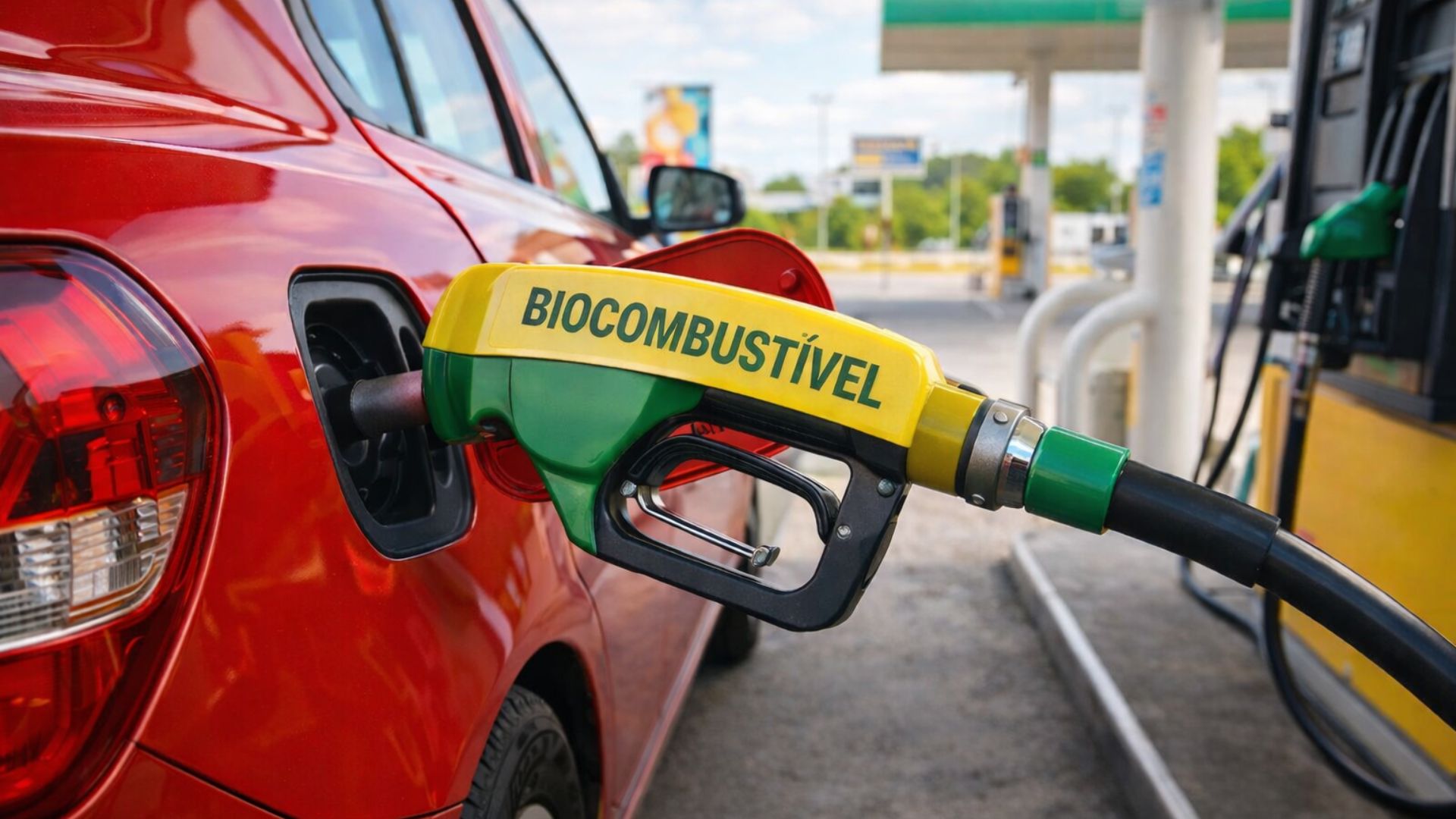
Understand how the CNPE decision impacts the use of imported biodiesel in the blend with diesel, strengthens national production, protects jobs, and redefines Brazil’s energy strategy in the global scenario.
The decision of the National Energy Policy Council (CNPE) to restrict the use of imported biodiesel in the mandatory blend with diesel inaugurates a new phase in Brazilian energy policy. The measure, approved on 1/4, determines that the biodiesel used to meet the blend with diesel must be produced exclusively by authorized plants in Brazil.
In practice, the CNPE restricts the use of imported biodiesel in the regulated market while preserving space for operations in the voluntary market. The goal is clear: to strengthen the national industry, ensure regulatory predictability, and protect jobs in a strategic sector.
According to Globo Rural, this change occurs in a global scenario marked by trade disputes, subsidies, and anti-dumping measures, reinforcing the need to protect the domestic market.
-
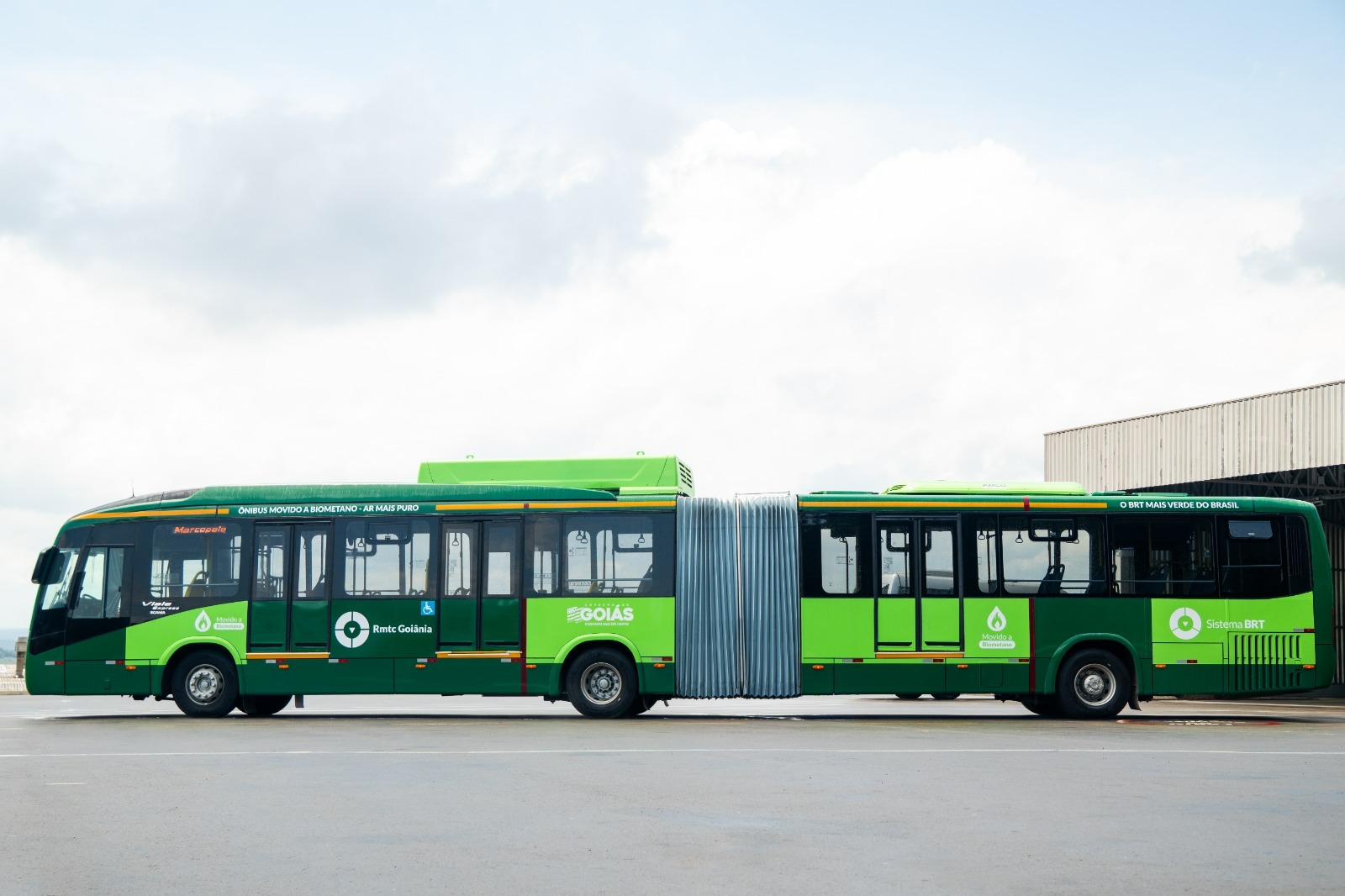
Revolution in public transport: Goiânia puts into circulation the first articulated buses powered by biomethane in Brazil and promises to drastically reduce pollution on the Anhanguera Corridor.
-
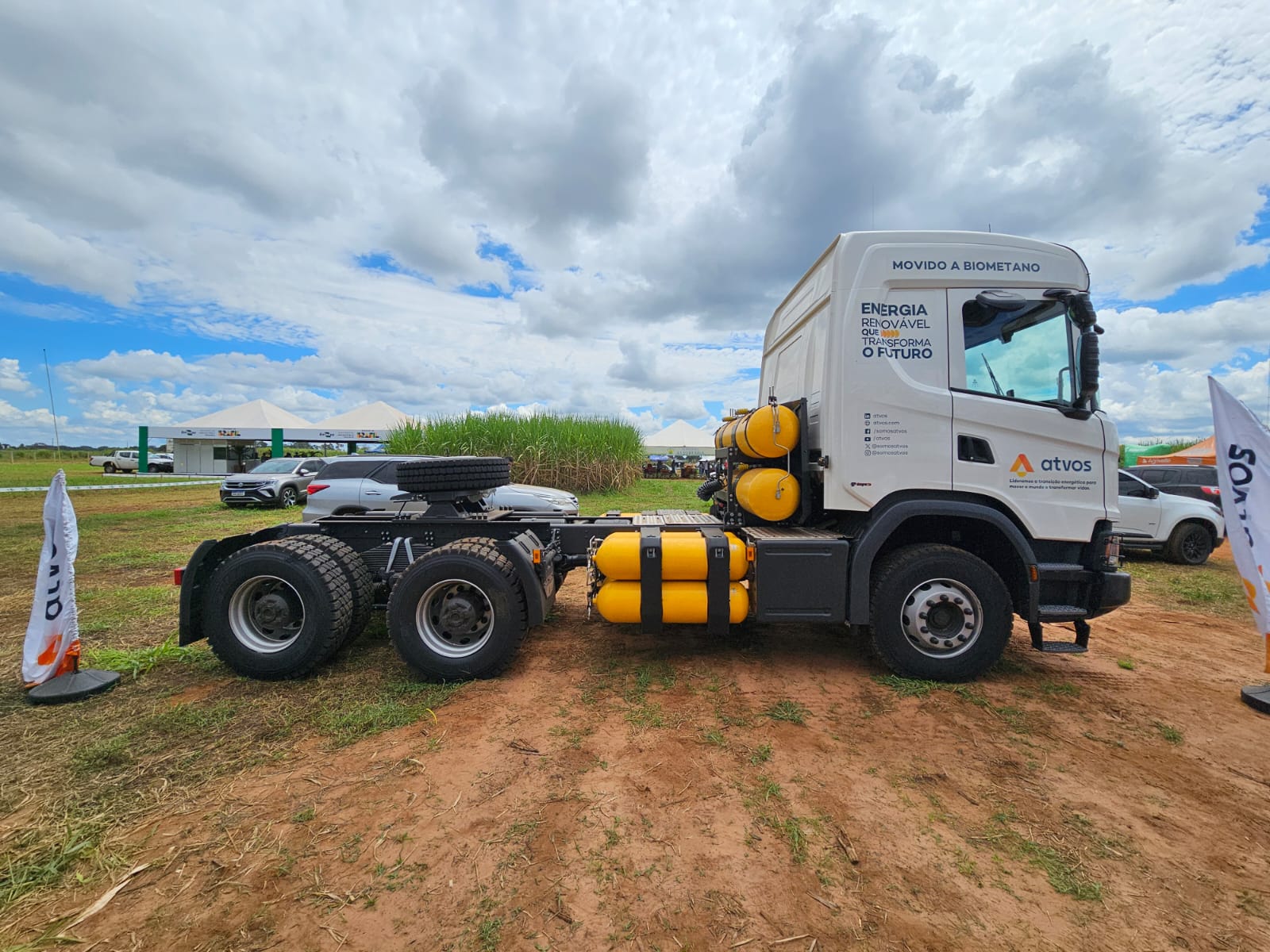
From the field to the pipelines: Mato Grosso do Sul accelerates the energy transition and consolidates a new axis in renewable energy with the arrival of a giant biogas plant.
-
The Economist states that Brazil has a “secret weapon” against expensive oil and highlights how the country can reduce economic impacts even in international scenarios of high volatility.
-
Brazil accelerates decarbonization in the South: International forum in Foz do Iguaçu gathers leaders to discuss the advancement of biomethane in the energy matrix and the potential of “caipira pre-salt.”

CNPE redefines rules for the blend with diesel and limits imported biodiesel in the regulated market
The new resolution establishes that only producers authorized by the National Agency of Petroleum, Natural Gas and Biofuels can supply biodiesel for the mandatory blend with diesel.
This means that imported biodiesel is no longer eligible to meet the minimum percentages required by law. However, the CNPE has not completely banned imports. The product can still be used in voluntary blends, above the mandatory percentage.
This differentiation allows the market to continue operating with some flexibility, without compromising the central strategy of energy policy. At the same time, it creates a more protected environment for the national industry.
Protection of the national industry gains strength with the CNPE decision
By restricting the use of imported biodiesel in the blend with diesel, the CNPE sends a strong signal to the market. The measure seeks to correct distortions caused by international practices considered unfair, such as government subsidies and tax incentives in exporting countries.
According to the government’s assessment, unrestricted opening could attract opportunistic agents capable of offering artificially low prices. This would jeopardize the entire Brazilian production chain.
Among the main expected effects of the decision are:
- Stimulus to domestic biofuel production
- Protection of direct and indirect jobs
- Increased competitiveness of national plants
- Reduction of external dependence
This movement reinforces Brazil’s strategic role in the global renewable energy market.


Social requirement is maintained and strengthens family farming
Another important point of the CNPE resolution is the maintenance of the rule that requires at least 80% of the biodiesel used in the blend with diesel to come from producers with the Social Biofuel Seal.
This seal certifies companies that use raw materials from family farming, promoting economic inclusion and regional development. By preserving this requirement, the CNPE ensures that energy policy remains aligned with social objectives.
In practice, this means that thousands of small producers remain integrated into the biodiesel production chain, generating income and stimulating sustainable production.
Studies indicate that imported biodiesel is not necessary for the mandatory blend with diesel
The CNPE decision was based on a Regulatory Impact Analysis initiated in 2023 and conducted by an inter-ministerial group. The report, presented in October of last year, concluded that Brazil does not depend on imported biodiesel to meet the mandatory blend with diesel.
According to the study, the national market is fully supplied and there are no signs of supply risk, even with the restriction on the imported product.
Among the main points highlighted are:
- Sufficient idle capacity to meet demand
- Possibility of expansion to higher levels, such as B20 and B21
- Existence of planned investments to increase production
- Supply security even with restrictions
These data reinforce the security of the decision made by the CNPE.
CNPE reacts to international distortions and protects the diesel market
The international scenario was a determining factor for the CNPE’s decision. According to the government, there is evidence of unfair practices in the global biodiesel trade, especially involving countries like Argentina and Indonesia.
Large markets, such as the United States and the European Union, have already adopted anti-dumping measures and countervailing duties against these exporters. This demonstrates that the problem is recognized globally.
In this context, allowing unrestricted use of imported biodiesel in the blend with diesel could expose Brazil to similar risks. The CNPE, by acting preventively, seeks to avoid the entry of products with distorted prices.
Energy security and predictability advance with new CNPE guideline
By limiting the use of imported biodiesel in the blend with diesel, the CNPE strengthens Brazil’s energy security. Dependence on external suppliers can create vulnerabilities, especially in times of international crisis.
With the new rule, the country gains greater control over its supply chain, reducing risks and increasing predictability.
Among the main benefits of this approach are:
- Greater stability in fuel supply
- Reduction of impacts from external crises
- More predictable regulatory environment
- Incentive to energy self-sufficiency
This strategy is essential to ensure the continuity of sector growth.
Expansion of national production follows the goals of Future Fuel
The CNPE decision is also aligned with the goals of Law No. 14,993/2024, known as the Future Fuel Law. The legislation provides for the gradual increase in the participation of biofuels in the Brazilian energy matrix.
With the exclusion of imported biodiesel from the mandatory blend with diesel, the trend is for companies to invest in expanding production capacity. This includes modernization of plants, adoption of new technologies, and increased operational efficiency.
The sector already shows capacity to meet higher blend levels, such as B20 and B21, which reinforces the viability of this expansion.
Balance between trade liberalization and protection of the domestic market
Despite tightening the rules for the regulated market, the CNPE chose to maintain some trade openness. Imported biodiesel can still be used in voluntary blends, which prevents Brazil from being isolated in the international scenario.
This decision shows that the government seeks a balance between protection and competitiveness. While strengthening the national industry, it maintains space for innovation and flexibility in the market.
This hybrid model allows:
- Preserving international trade relations
- Stimulating efficiency in the sector
- Avoiding internal price distortions
- Keeping Brazil competitive globally
A new direction for biodiesel and the blend with diesel in Brazil
The CNPE decision represents more than a simple regulatory change. It is a broad strategy to strengthen the national industry, protect jobs, and ensure energy security.
By restricting the use of imported biodiesel in the blend with diesel, Brazil reduces its exposure to unfair practices and creates a more stable environment for investments. At the same time, it maintains social commitments, such as promoting family farming through the Social Biofuel Seal.
Based on studies initiated in 2023 and consolidated in October of last year, the CNPE concluded that the country has sufficient capacity to meet its internal demand. The existence of idle capacity and the possibility of expansion to levels such as B20 and B21 reinforce this security.
In a challenging global scenario, the measure positions Brazil as a protagonist in the energy transition. The CNPE, by acting based on technical grounds and strategic vision, establishes a new direction for the biofuels sector and for the future of the national energy matrix.







Seja o primeiro a reagir!