





 Portuguese
  English
  Spanish
 5 min of reading
  0 comments


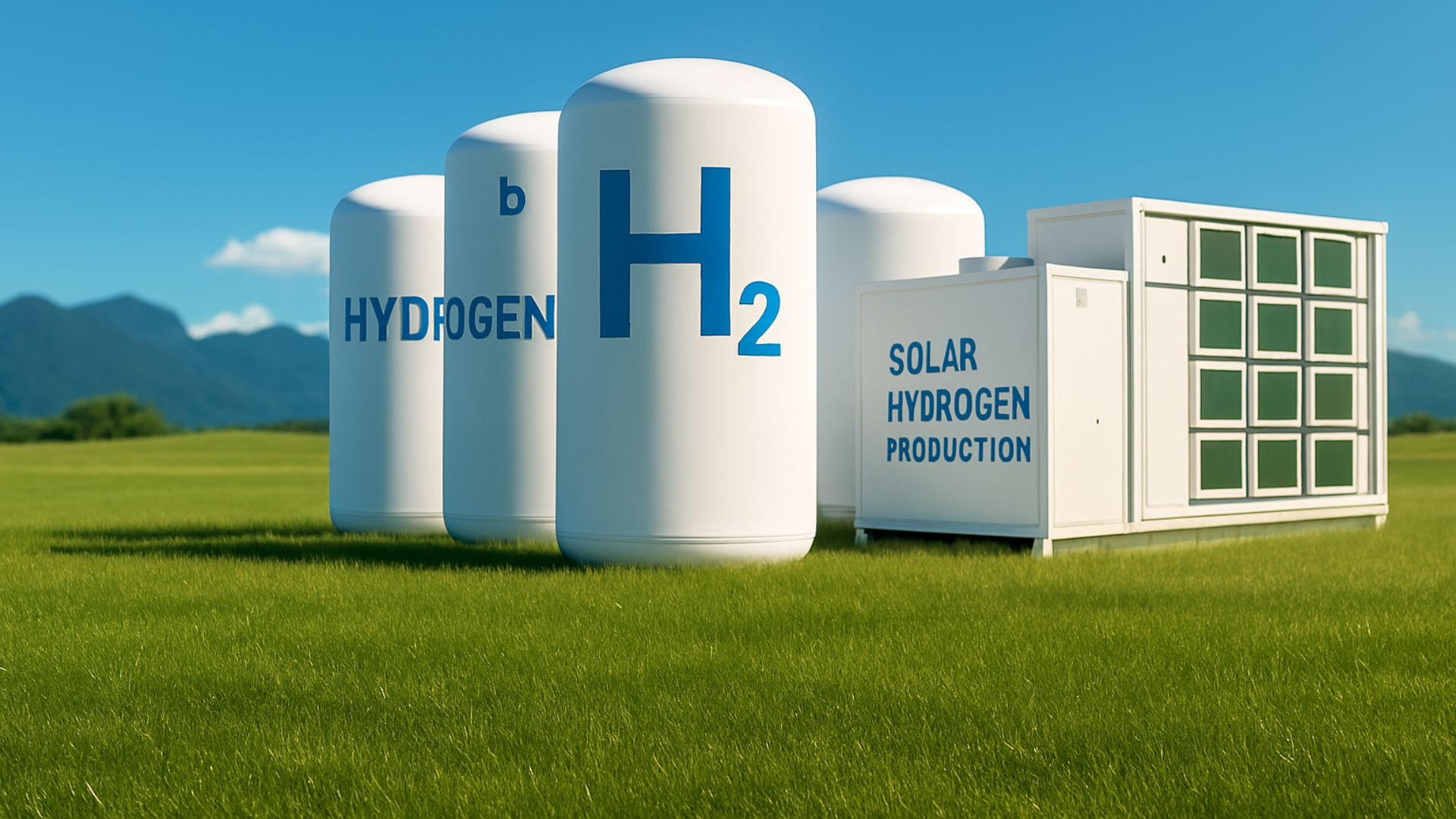
Researchers of the National Center for Energy and Materials Research (CNPEM) Advance in Sustainable Production of Green Hydrogen with Support from Solar Energy, Boosting the Energy Transition
On October 10, 2025, a study published by the National Center for Energy and Materials Research (CNPEM) marked a significant advance in the production of green hydrogen, using solar energy directly and efficiently. The innovation was highlighted in the international scientific journal ACS Energy Letters and promises to transform the Brazilian and global energy matrix.
Brazilian Innovation Accelerates the Energy Transition
The National Center for Energy and Materials Research (CNPEM), located in Campinas (SP), revealed in October 2025 a revolutionary technology for the production of green hydrogen. The prototype developed by the researchers uses solar energy directly, eliminating the need for connection to the conventional electrical grid.
This unprecedented modular approach represents a milestone in the search for sustainable and economically viable solutions for the energy transition. Producing green hydrogen efficiently and at low cost can now be a Brazilian reality.
-
The Brazilian Northeast is receiving the largest wave of investments in clean energy ever seen in the country, with R$ 200 billion in wind and solar, 9,000 km of transmission lines, and a promise that could change the economy of 60 million people.
-
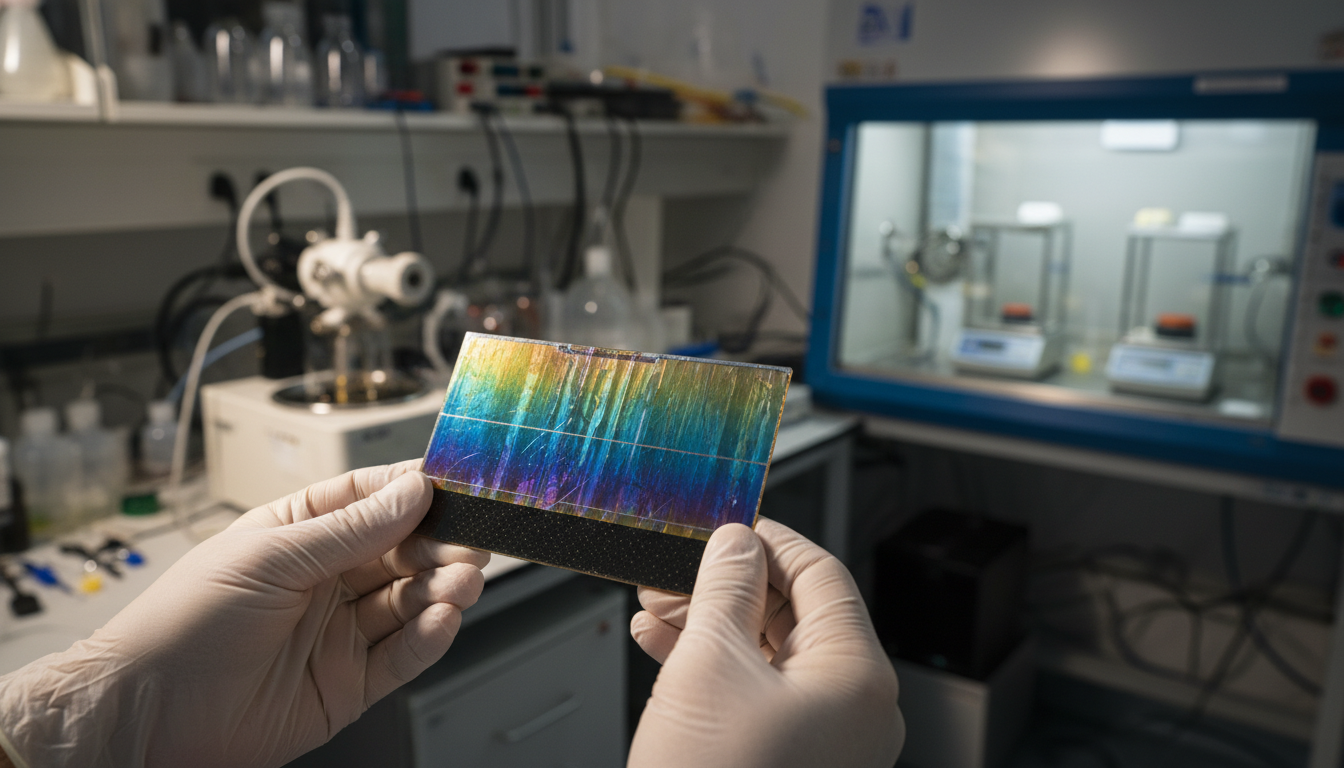
Chinese company creates solar cell that breaks the physical limit of silicon with 34.85% efficiency and promises to revolutionize electricity bills with panels that generate 20% more energy starting in 2026.
-
How green infrastructure and renewable energy at the World Cup transform the logistics of the largest sporting event on the planet in North America.

-
The Cagece and UFC project advances in sustainable innovation with biogas by converting waste into renewable energy, reducing environmental impacts, and increasing sanitation efficiency with concrete and measurable results.
The technology has been successfully tested both in the laboratory and in outdoor environments, demonstrating stability even with natural variations in sunlight. This characteristic is essential for applications in remote locations with limited infrastructure.
How the Solar Energy Technology of CNPEM Works
Direct Integration with Solar Energy
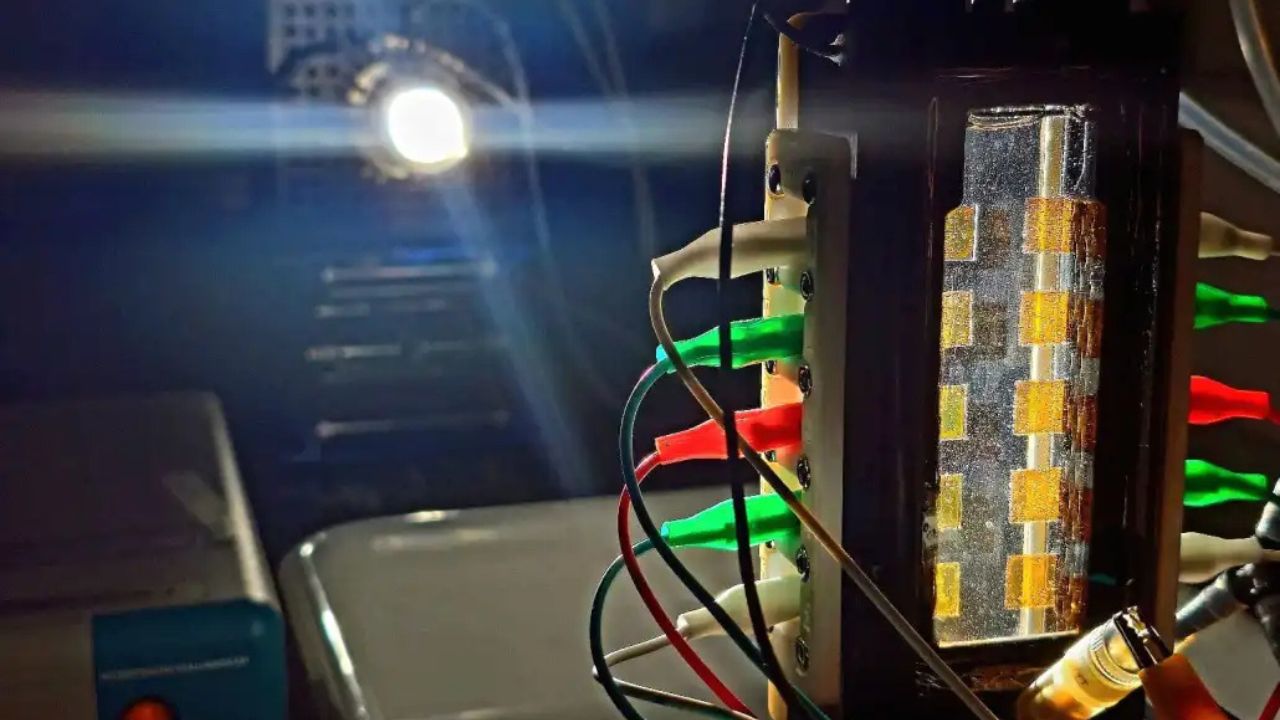
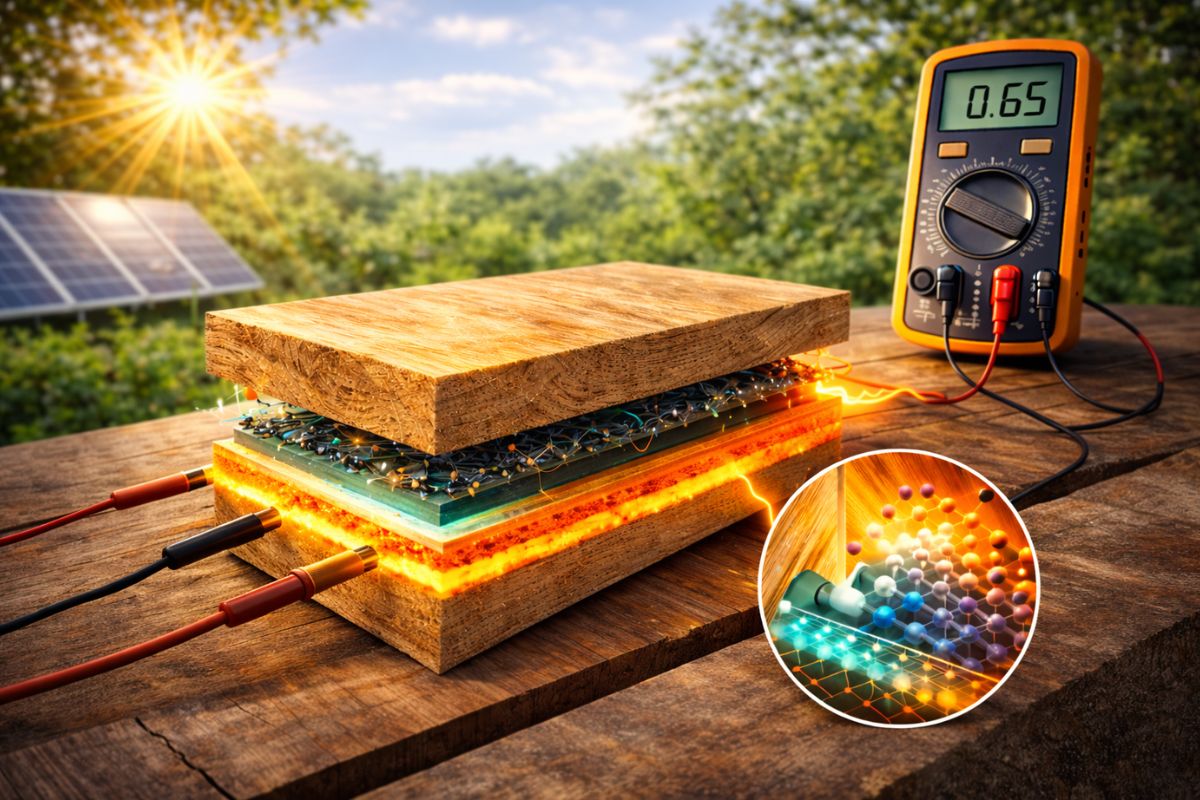
The new device developed by CNPEM uses photoelectrochemical cells that convert sunlight into chemical energy, separating water molecules into oxygen and hydrogen. This process eliminates intermediaries such as batteries or electrical grids, making the system simpler, safer, and more sustainable. Solar energy is captured and directly transformed into green hydrogen.
Moreover, the modular design allows for scalability: devices can be grouped according to energy demand, facilitating adaptation for different contexts—from small communities to large industries.
Efficiency and Economic Viability
According to the researchers, the prototype shows high energy efficiency, with yields exceeding conventional technologies. The production cost is also reduced, thanks to the elimination of expensive components and the use of abundant and recyclable materials.
This combination of efficiency and economy makes the project a promising alternative for developing countries, seeking to accelerate their energy transition without compromising financial viability.
Sustainability and Environmental Impact of Green Hydrogen
Hydrogen as a Vector for Decarbonization
Green hydrogen is considered one of the pillars of global decarbonization. Produced from renewable sources, such as solar energy, it does not emit greenhouse gases during its generation or use. This makes it ideal for replacing fossil fuels in sectors such as transportation, heavy industry, and electricity generation.
With CNPEM’s technology, Brazil can position itself as a leader in sustainable hydrogen production, contributing to climate goals and international agreements such as the Paris Agreement.
Reduction of Environmental Impacts
In addition to not emitting CO₂, the modular system developed by CNPEM minimizes the use of natural resources and avoids toxic waste. The materials used are recyclable, and the process does not generate harmful byproducts, reinforcing the commitment to sustainability.
Strategic Applications of CNPEM Technology
Expansion to Industrial and Logistical Sectors
The green hydrogen produced with CNPEM technology can be used in various sectors:
- Chemical Industry: as a raw material for ammonia and methanol.
- Heavy Transport: trucks, trains, and ships powered by fuel cells.
- Energy Storage: as a vector to store surplus solar and wind energy.
Energy Autonomy in Remote Communities
The modularity of the system allows installation in isolated areas, such as riverside communities, rural zones, and military bases. This promotes energy autonomy, reducing dependence on fossil fuels and unstable electrical grids.
International Recognition and Scientific Validation
The CNPEM study was published in the ACS Energy Letters, one of the most prestigious journals in the energy field. The publication highlights the technical innovation, positive environmental impact, and economic viability of the project.
Furthermore, the prototype underwent rigorous testing in different climatic conditions, proving its robustness and adaptability. The scientific validation reinforces the credibility of the technology and opens doors for international partnerships and strategic investments.
The panels were manufactured in series, totaling 100 identical units, and integrated into modular reactors developed by 3D printing. The system features an architecture similar to building blocks, allowing for practical, scalable, and organized expansion of production capacity.
During laboratory tests, the devices demonstrated operational stability for over 120 continuous hours. In outdoor evaluations at CNPEM’s campus in Campinas, the equipment maintained the performance observed in a controlled environment, even amidst natural variations in sunlight.
The Role of CNPEM in Clean Energy Leadership
National Center for Energy and Materials as an Engine of Innovation
The National Center for Energy and Materials Research (CNPEM) is a leading institution in applied science, responsible for advances in areas such as nanotechnology, biotechnology, and materials physics. With this new technology, CNPEM reaffirms its role as a motor of Brazilian energy innovation.
CNPEM transforms science into real solutions for a sustainable future. The initiative also strengthens Brazil’s position as a reference in clean energy, aligning with carbon neutrality and sustainable development goals.
Contribution to Energy Transition Public Policies
The technology can influence public policies aimed at the energy transition, such as incentives for green hydrogen production, subsidies for solar energy, and technical training programs. This creates a favorable ecosystem for innovation and the generation of green jobs.


Paths to a Sustainable and Competitive Future
The modular technology developed by CNPEM represents a concrete advance in the production of green hydrogen, combining efficiency, low cost, and sustainability. By utilizing solar energy directly, the system eliminates technical and economic barriers, making the energy transition more accessible and inclusive.
With international recognition, market potential, and positive environmental impact, this innovation positions Brazil as a leader in the global race for sustainable solutions. CNPEM shows that science and technology can—and must—be allies in building a fairer, cleaner, and more resilient world.






Seja o primeiro a reagir!