





 English
  Francês
  Alemão
  Italiano
  Japonês
  Norueguês
  Portuguese
  Spanish
 3 min of reading


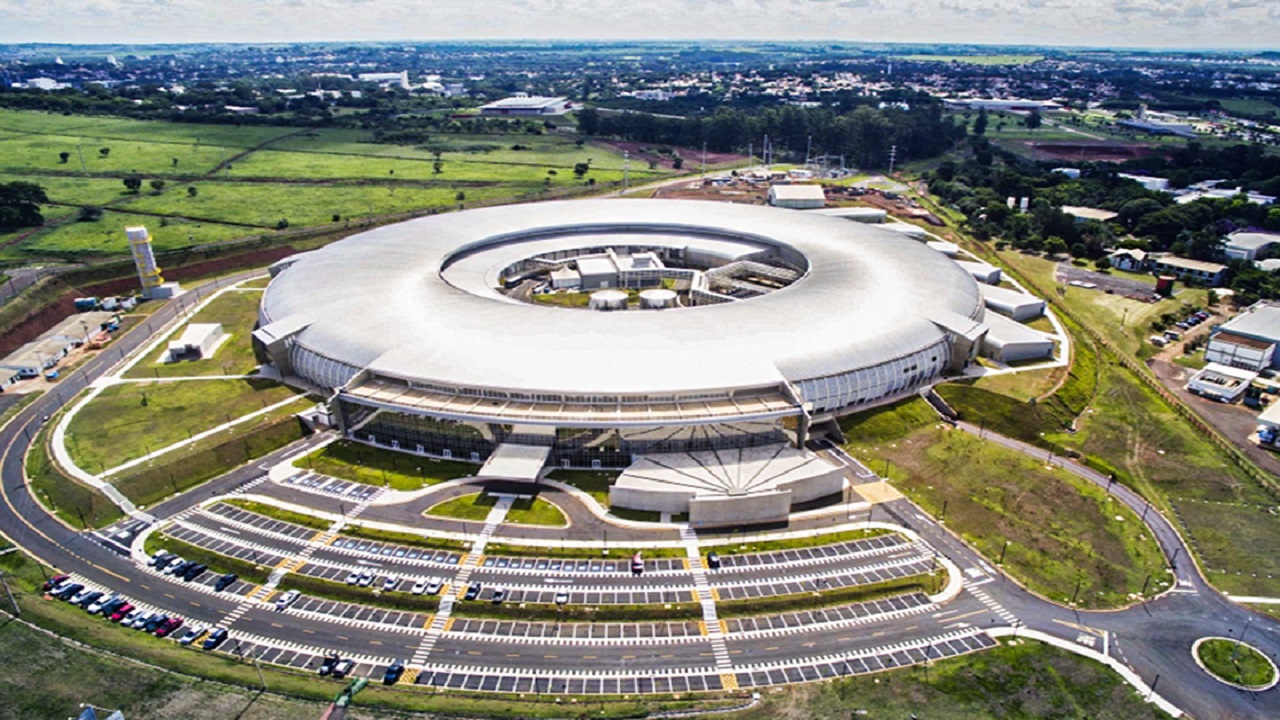
The National Center for Research in Energy and Materials (CNPEM), in SP, Sealed an Agreement with CBMM to Develop Research for the Development of Superconducting Materials. The Brazilian Company CBMM is the Largest Producer of Niobium in the World
The official announcement of the agreement between CNPEM and CBMM for the development of research was on the agenda of the president of the republic, Jair Messias Bolsonaro (without party), who visited Campinas, SP, last Friday (8). Bolsonaro participated in a niobium fair and inaugurated some structures of the Sirius Laboratory, CNPEM. Brazil is currently the largest producer of niobium in the world, and about 80% of this market is served by CBMM. Even being dominant in the market, Brazil is not the only country exploring niobium, as it is a non-rare metal. Countries like Canada, Australia, Russia, the United States, and parts of the African Continent also explore niobium. It is estimated that there are at least around 85 quantified deposits in the world.
Read Also
Development of Superconductors in the Laboratory in SP
CBMM will provide the product and absolute knowledge about niobium, and Brazilian researchers have the know-how from CERN, with the aim of positively advancing in the development of superconductors.
According to Citadini, precisely because of this extensive knowledge exchange about niobium, work that could take decades to develop a well-structured and conceptual project for a new magnet for superconductors – which will certainly be used in the Sirius Laboratory – has been developed and completed in just six months of studies and research.
-
Historic bankruptcy of Centauro shocks the market, and the century-old company puts more than 500,000 products, machines, and complete infrastructure up for online auction.

-
Abandoned house for 15 years disappears in the woods, shocks owner with unrecognizable scenery and is reborn in an intense transformation after almost 90 hours of work in just 10 days.

-
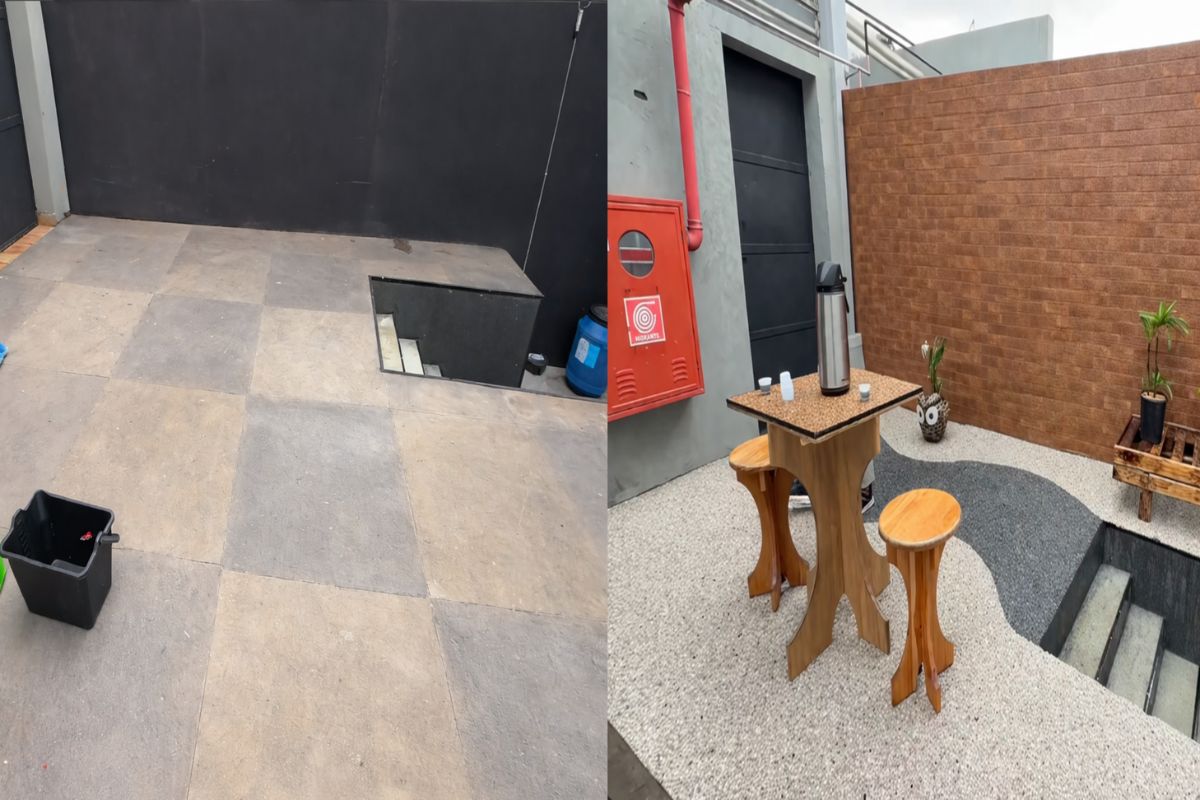
In just three hours, a natural stone floor transforms the entrance of the house with an organic effect, immediate drainage, and a sophisticated non-slip finish that doesn’t puddle water, dries quickly, and impresses with the final result.
-
‘Interlocking brick’ made of earth arrives in the construction industry with cost reductions of up to 40% on the project.

James Citadini reported that the development of this project was initially expected to take three years, dedicating that time entirely to the conceptual part of the research. However, completely unexpectedly for Citadini, this part was developed in just six months. He also states that he has a goal, which is to have a fully functional prototype of this magnet by the end of 2022.
What is Niobium Used For?
Niobium is the main metal used in the production of special steels and superalloys, as well as being used in automobiles, aircraft turbines, gas pipelines, ships, magnetic resonance imaging machines, and particle accelerators, in addition to being applied in piercings and costume jewelry.
The European Organization for Nuclear Research (CERN), which is responsible for operating the largest particle collider in the world, is also part of this partnership with CBMM, which sees this collaboration as an opportunity to expand global demand for niobium, adding value to the developed products.
Technologies Developed from Niobium
James Citadini, Engineering and Technology Manager at CNPEM, highlighted that studies on superconducting materials had existed long before the arrival of the Sirius Laboratory.
A large part of the technology needed to assemble the next lines of research will depend on materials that have these specific points, in addition to the search for partnerships that aid in development, just as happened in the current moment.










Seja o primeiro a reagir!