






 Portuguese
  Spanish


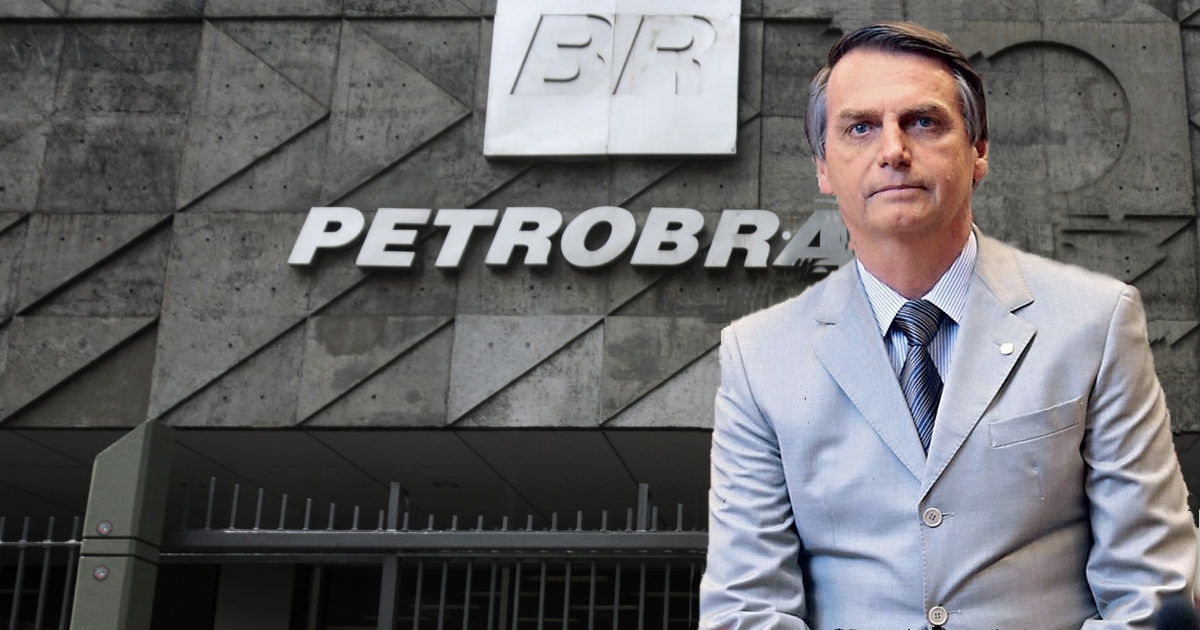

It Refers to the Golden Share Model, Adjusting Taxes and Levies at Petrobras Is Also Its Goal to Reduce Fuel Prices
[supsystic-social-sharing id=’1′]Bolsonaro has a firm stance on Petrobras should he reach the presidency in 2018, the privatization of the state-owned company under the Golden Share regime (Golden Share in English), he also plans to lower the tax burden on fuels, which is currently one of the most expensive in the world. Watch a clip of the interview given to Rede TV on January 12, 2018, discussing this:
Bolsonaro’s Interview with Rede TV 01/12/2018
-
Race for Data Centers in Brazil Intensifies Pressure on Critical Energy Resources

-
Melting Glaciers Uncover Ancient Tools, Preserved Mummies, and Strategic Minerals in the Arctic and European Mountains
-
Melting Glaciers Uncover Ancient Tools, Preserved Mummies, and Strategic Minerals in the Arctic and European Mountains
-
Melting Glaciers Uncover Ancient Tools, Preserved Mummies, and Strategic Minerals in the Arctic and European Mountains


But What Is Golden Share?
Golden Share regarding privatization works as follows: Although governments can privatize their state-owned companies, consequently leaving them under the responsibility of private initiative, the government still retains some strategic control over the companies. Among these controls, it can even block corporate decisions if the Union feels this would affect national sovereignty. Examples of Brazilian state-owned companies privatized under this regime include Embraer, Vale, and the Instituto Resseguros do Brasil (IRB). With this power in hand, the president claims he can inject a significant economic boost into the country while still protecting national labor.
Would Privatization Lower the Price of Fuel?
According to the congressman, by freeing the state-owned company for private initiative, the technological and operational demands that companies need would become cheaper for the major oil companies already operating in Brazil. Naturally, this cost would be reflected in the final price of fuel. Nowadays, our neighbors in South America sell their fuels almost three times cheaper than ours. Surprisingly, many of these countries receive oil from Brazil, but due to the high tax burden, the average Brazilian citizen ends up paying more than they should for a liter of “gasoline,” according to Jair Messias Bolsonaro.
The fact is that Petrobras has been going through tough times in the last four long years, but with its business plans, which have actually been contingency plans, it has been slowly recovering. It has been opening some bids and public competitions in recent months. Check out some of its achievements in the Menu above on this page in the search field or in the related publications below.


