





 Portuguese
  English
  Spanish
  4 min of reading
  0 comments


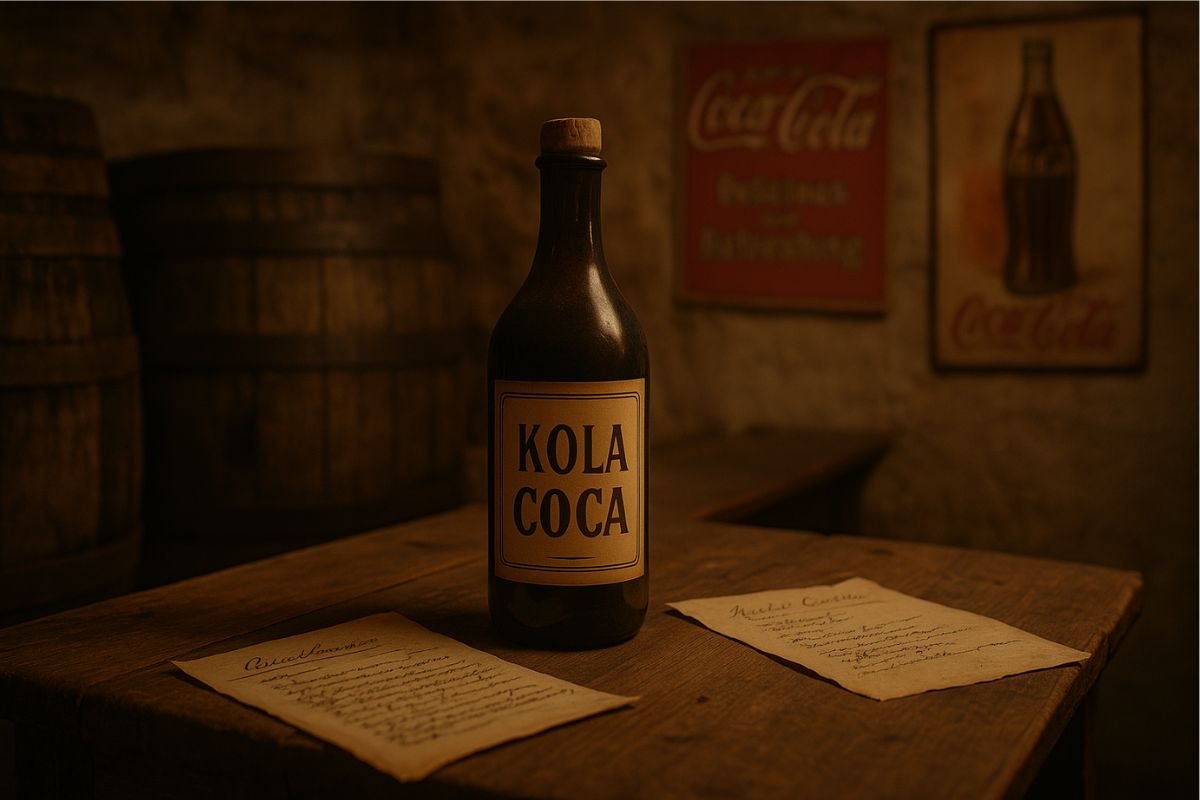
A Spanish Tonic From 1885 May Have Been the Basis of the Coca-Cola We Know Today. See How Kola Coca Crossed the Atlantic and Changed the History of Soft Drinks
Imagine discovering that Coca-Cola, synonymous with globalization and one of the most iconic products on the planet, may not have been an American invention, as most believe. Some argue that the story of this world-famous soft drink actually began in a small town in Spain called Aielo de Malferit. And that, by a twist of fate and the lack of patents at the time, the Spanish Kola Coca may have inspired the tonic that, decades later, would turn into a commercial phenomenon. But is this true? Let’s explore this curious story, full of twists and nearly forgotten characters.
From Medicinal Tonic to Global Phenomenon
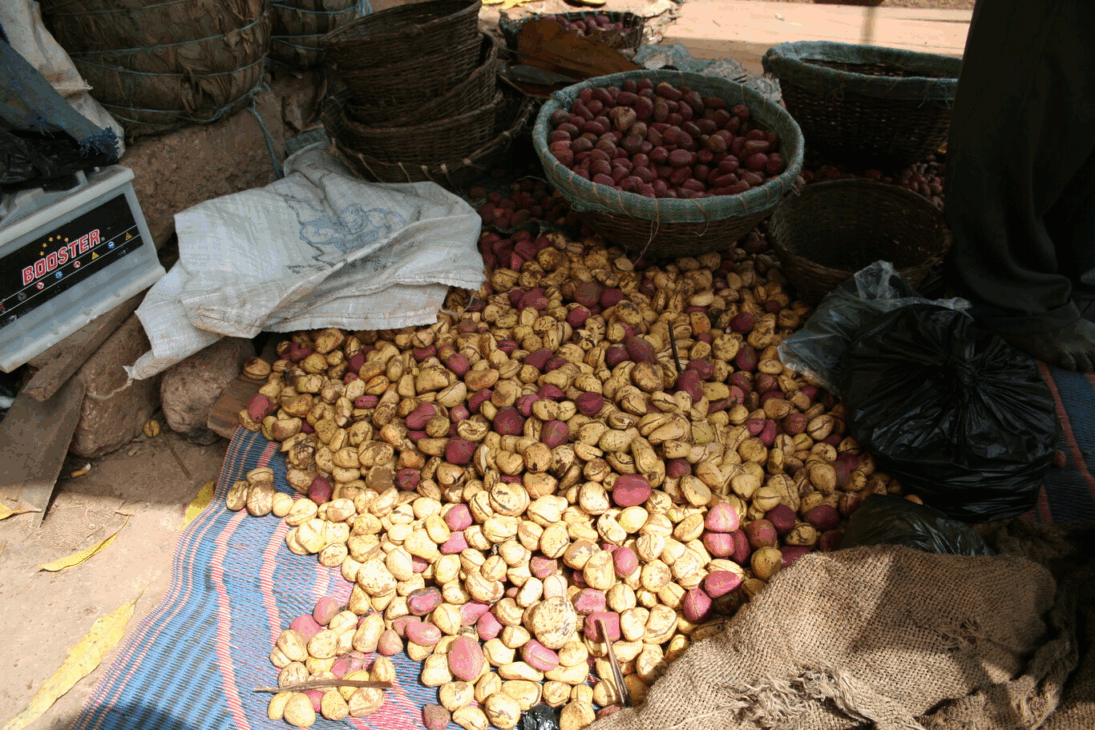
It is widely believed that American pharmacist John Stith Pemberton created the original formula for Coca-Cola in 1886, mixing coca leaves, kola nuts, and carbonated water. His initial intention was not to launch a simple soft drink, but a “miracle tonic” that promised to relieve headaches, fatigue, and even calm nerves. All this, of course, when the drink still contained cocaine in its composition.
By a twist of fate, Pemberton did not live to see the success of his invention. He died in extreme poverty, while his partner, Asa G. Candler, turned the brand into a global giant. But one important detail often goes unnoticed: a year before the official creation of Coca-Cola, in 1885, a very similar drink called Kola Coca was already circulating at trade fairs in the United States.
-
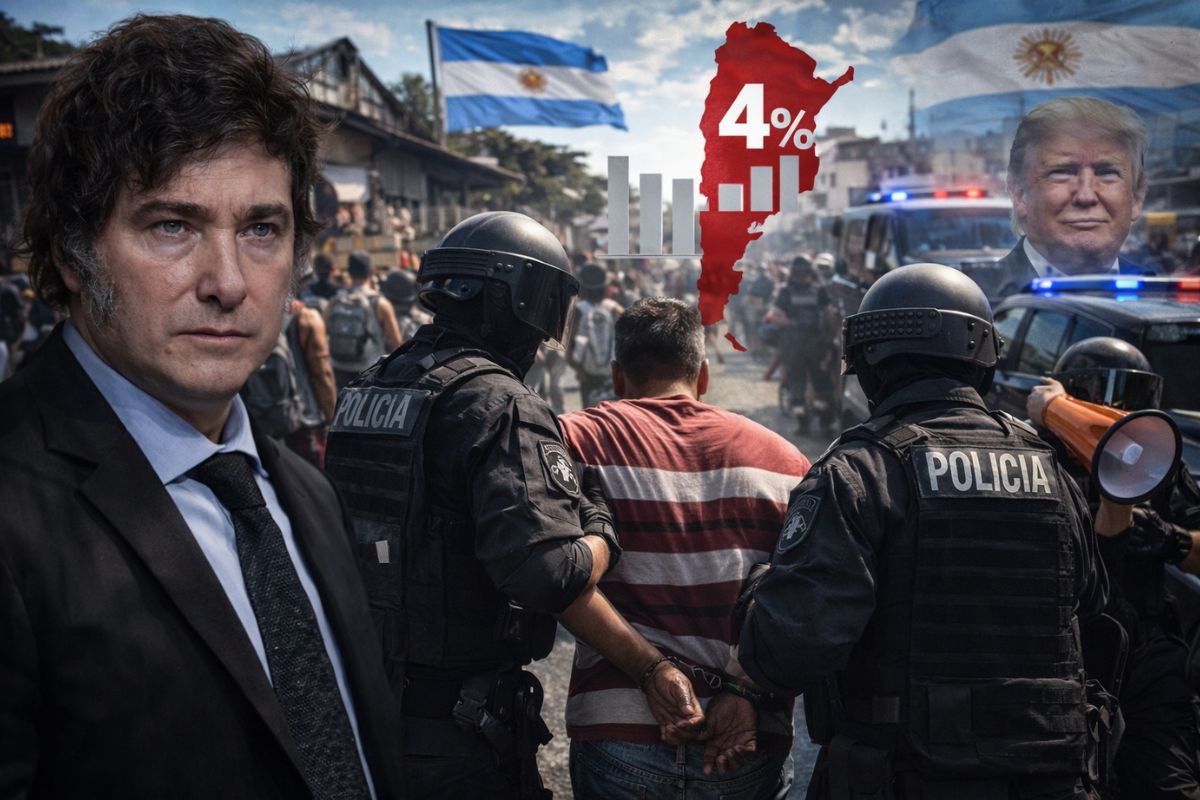
Milei’s government launches surprise police operations on the streets of Argentina to hunt undocumented immigrants, but the government’s own data reveals that only 4% were irregular. Critics say it is a copy of Trump’s policy without real necessity.
-
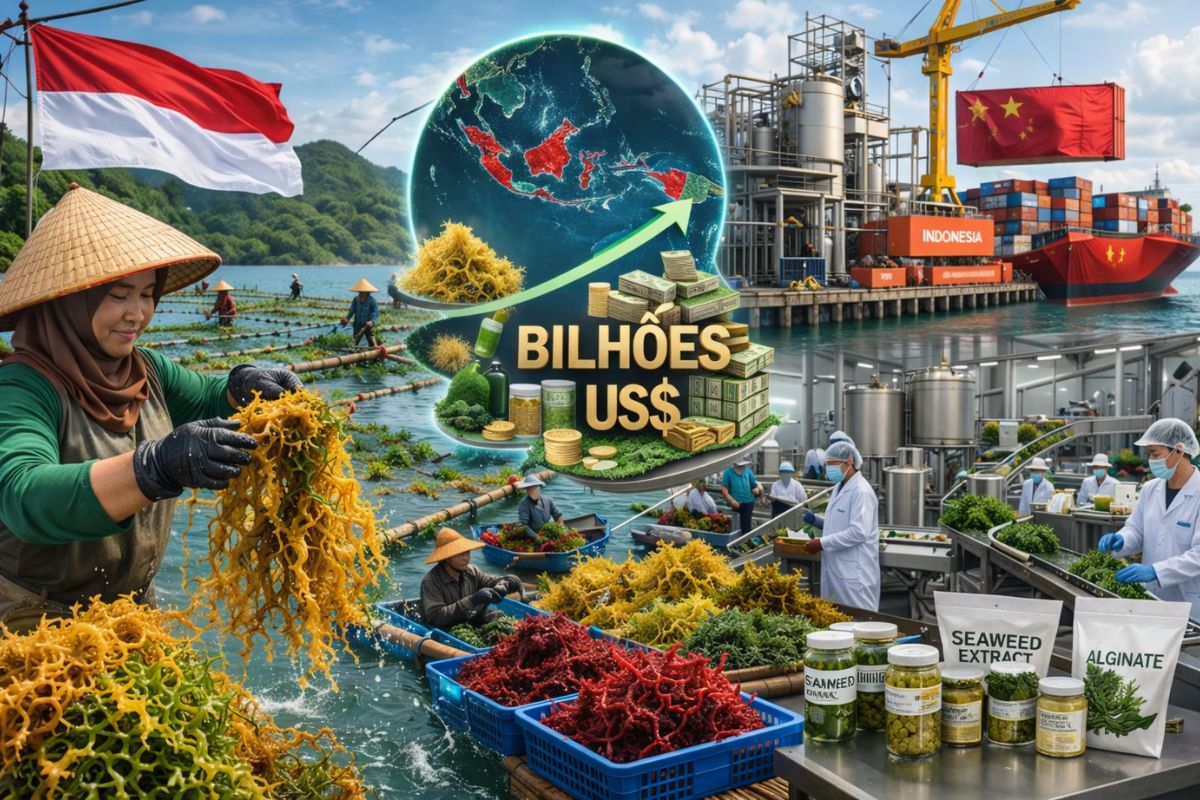
Indonesia is the largest producer of tropical seaweed in the world, and this market is already worth billions of dollars, but 90% of the production goes directly to China as raw material. Now the country wants to change the game and process everything on its own.
-
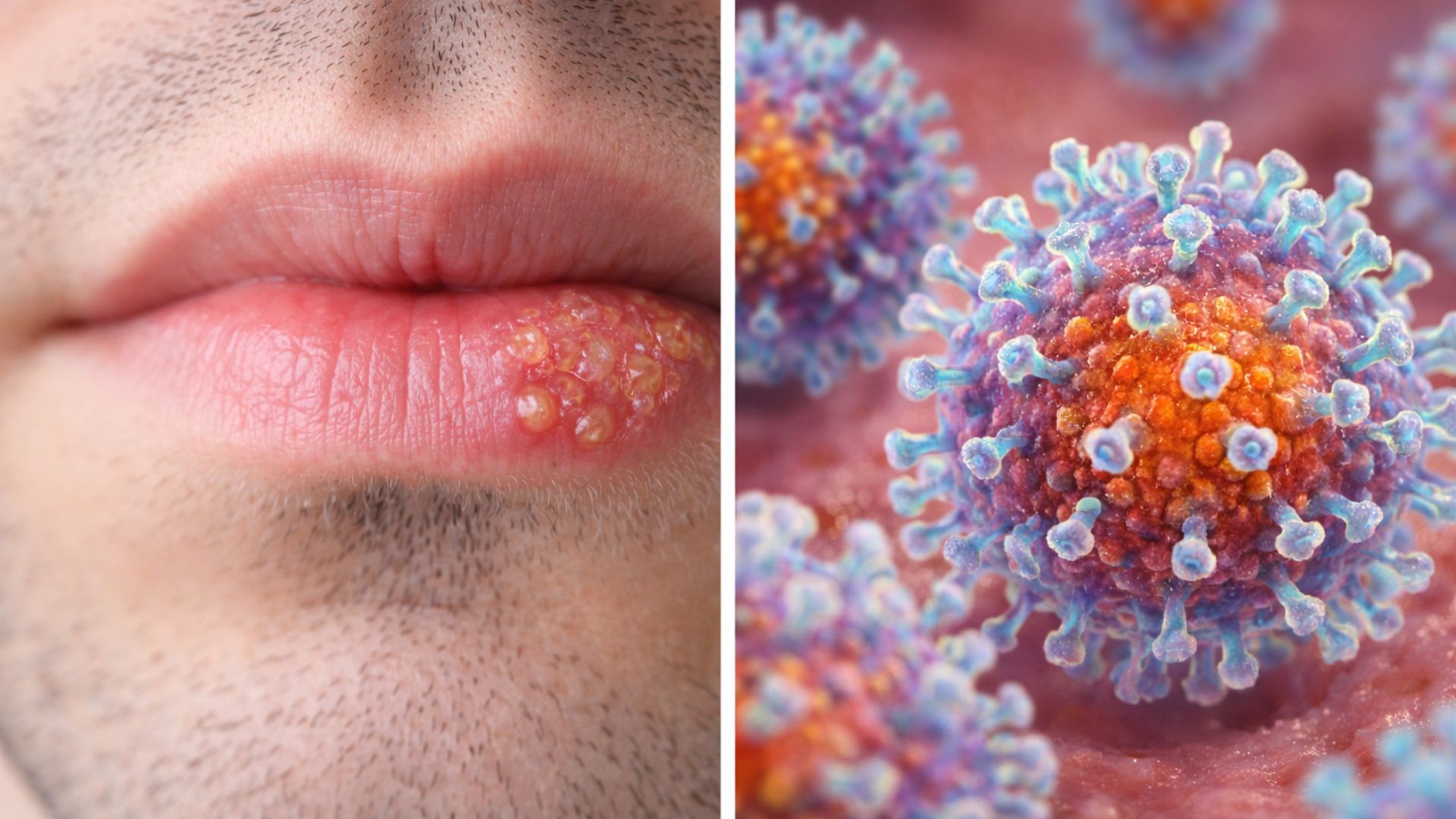
This extremely contagious virus has already affected 90% of the population of Brazil and has no cure.
-
The São Paulo city has one doctor for every 100 inhabitants and still holds the title of the third best place to live in Brazil.
The Valencian Kola Coca
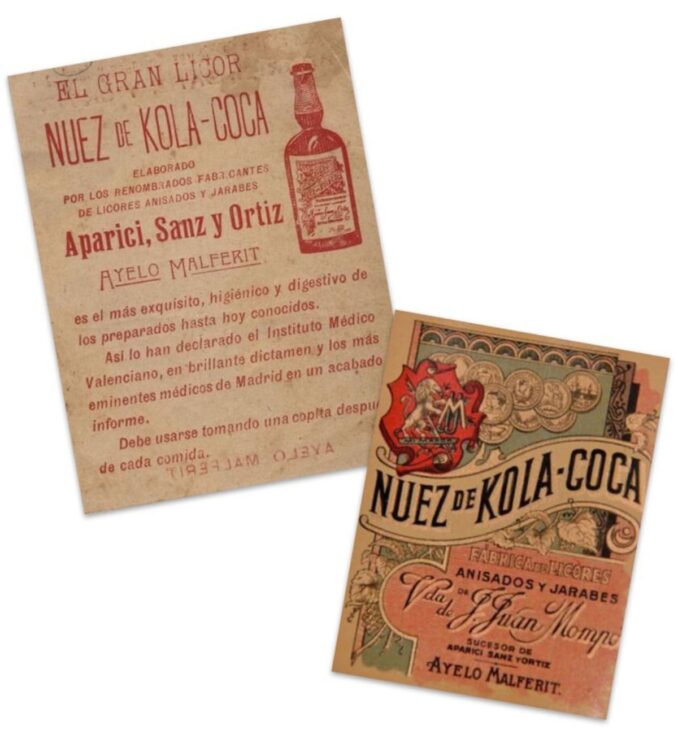
The story of Kola Coca begins in 1880, in the Spanish town of Aielo de Malferit, in the Valencia region. There, entrepreneurs Bautista Aparici, Ricardo Sanz, and Enrique Ortiz founded a factory for alcoholic beverages that quickly began to innovate. One of their products was a tonic made from coca leaves, kola nuts, and water—the formula that, years later, would become familiar to billions of consumers around the world.
In 1885, Aparici took samples of Kola Coca to the World Fair in Philadelphia, where he distributed the product to American merchants. At that time, patent registration was not a common or standardized practice, leaving creations like this vulnerable to copies.
Coincidence or Plagiarism?
Shortly after the fair, in 1886, Pemberton presented his Coca-Cola formula in Atlanta, United States. The similarity between the two drinks did not go unnoticed. To this day, the official website of Destilerías Ayelo raises the question: was the American formula inspired by the Spanish tonic?
“At that time, it was easy to copy a drink. Patents were only registered when the product proved commercially viable,” says Juan Micó, the current owner of the Ayelo factory, in an interview with ABC News. According to him, by the time Kola Coca was finally patented in Spain in 1903, Coca-Cola had already established itself in the international market.
The Unexpected Encounter With Coca-Cola
Decades later, the Coca-Cola empire itself would have indirectly acknowledged the existence of the Spanish version. In the 1940s, when trying to enter the Spanish market, the American multinational faced an obstacle: the name Kola Coca was already registered in the country.
As detailed by the portal Spiegel, in 1953 representatives from Coca-Cola visited Aielo de Malferit and made a deal with Joaquín Juan Sanchis, then the owner of the factory. Unofficial sources suggest that the amount paid for the name rights ranged from 30,000 to 50,000 pesetas—a considerable sum for the time, but negligible compared to the billions the American brand would eventually earn.
“If we had negotiated for shares or a percentage of the sales, we would be millionaires,” laments Juan Micó today.
After the agreement, the Spanish factory stopped producing its non-alcoholic version of the tonic. However, it still maintains the alcoholic Kola Coca with a 21% alcohol content, as a kind of tribute to the untold history of the drink.
Late Recognition
In 2018, the municipality of Aielo de Malferit sought to officialize this historical link. Mayor José Luis Juan Pinter sent a letter to Coca-Cola‘s headquarters, proposing that the multinational recognizes, even symbolically, the contribution of the Valencian city to the creation of the soft drink.
“Our goal is for this story to be known. We are not seeking financial compensation,” the mayor stated to the newspaper El País.
The response from Coca-Cola was diplomatic but evasive. The company stated that the brand transcends borders and belongs “to everyone,” but did not explicitly acknowledge the link to Kola Coca.
The Story Lives On
Today, the 4,500 inhabitants of Aielo de Malferit remain proud of their legacy. The original formula of Kola Coca is kept under lock and key at the headquarters of Destilerías Ayelo. And, for many, the true origin of Coca-Cola remains shrouded in a mix of local pride and global mystery.
“Is it or isn’t it the origin of Coca-Cola?”, asks the distillery’s website, leaving the answer to the imagination—and to future historians.






Seja o primeiro a reagir!