





 Portuguese
  English
  Spanish
  6 min of reading
  0 comments


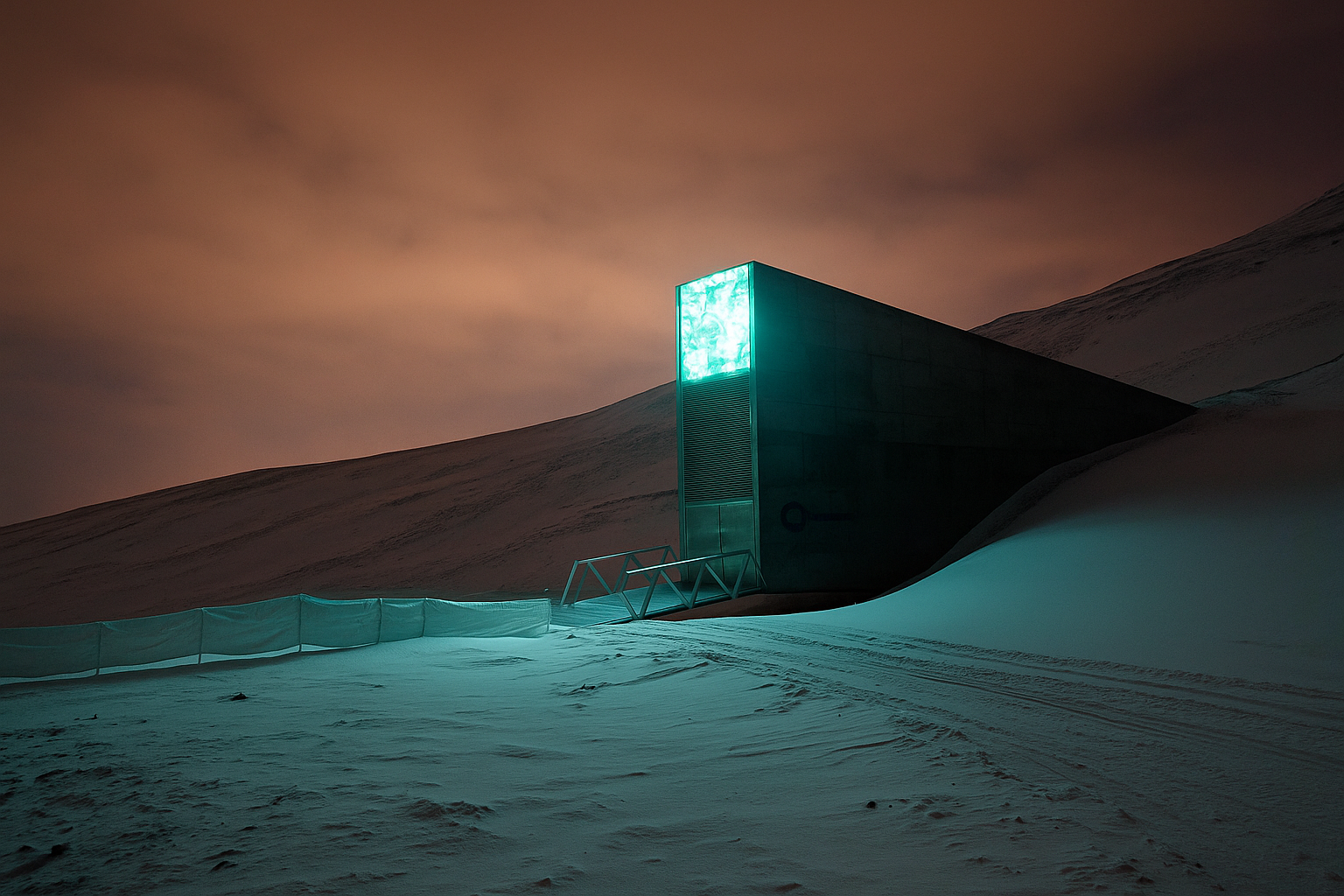
Discover Why More Than 100 Countries Are Sending Seeds to the Svalbard Vault, the Arctic Facility That Protects the Future of Global Biodiversity.
In a remote mountain, covered by permanent snow and ice, near the northernmost tip of Norway, lies one of humanity’s most strategic infrastructures. Known as the Global Seed Vault of Svalbard, this repository stores samples of the world’s main agricultural crops — a silent safeguard against the growing threat of a food apocalypse. Little known to the general public, the vault periodically receives shipments of seeds sent by more than 100 countries. The motivation goes beyond agricultural science: it is a joint effort of genetic preservation, food security, and plant biodiversity protection, which may be crucial for human survival in the face of wars, natural disasters, or extreme climate changes.
A Hidden Vault in the Arctic: Where Is Svalbard and Why Was It Chosen?


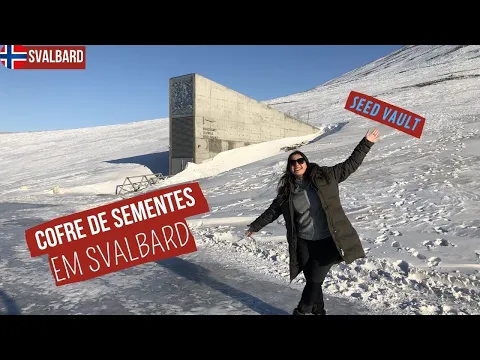
The vault is located on the island of Spitsbergen, in the archipelago of Svalbard, about 1,300 kilometers from the North Pole. This choice was not made by chance.
The region belongs to Norway, but is under international jurisdiction due to the Svalbard Treaty of 1920. It is one of the most politically stable areas in the world and, being situated in permafrost (permanently frozen layer of soil), offers natural refrigeration conditions, even in case of prolonged power failure.
-
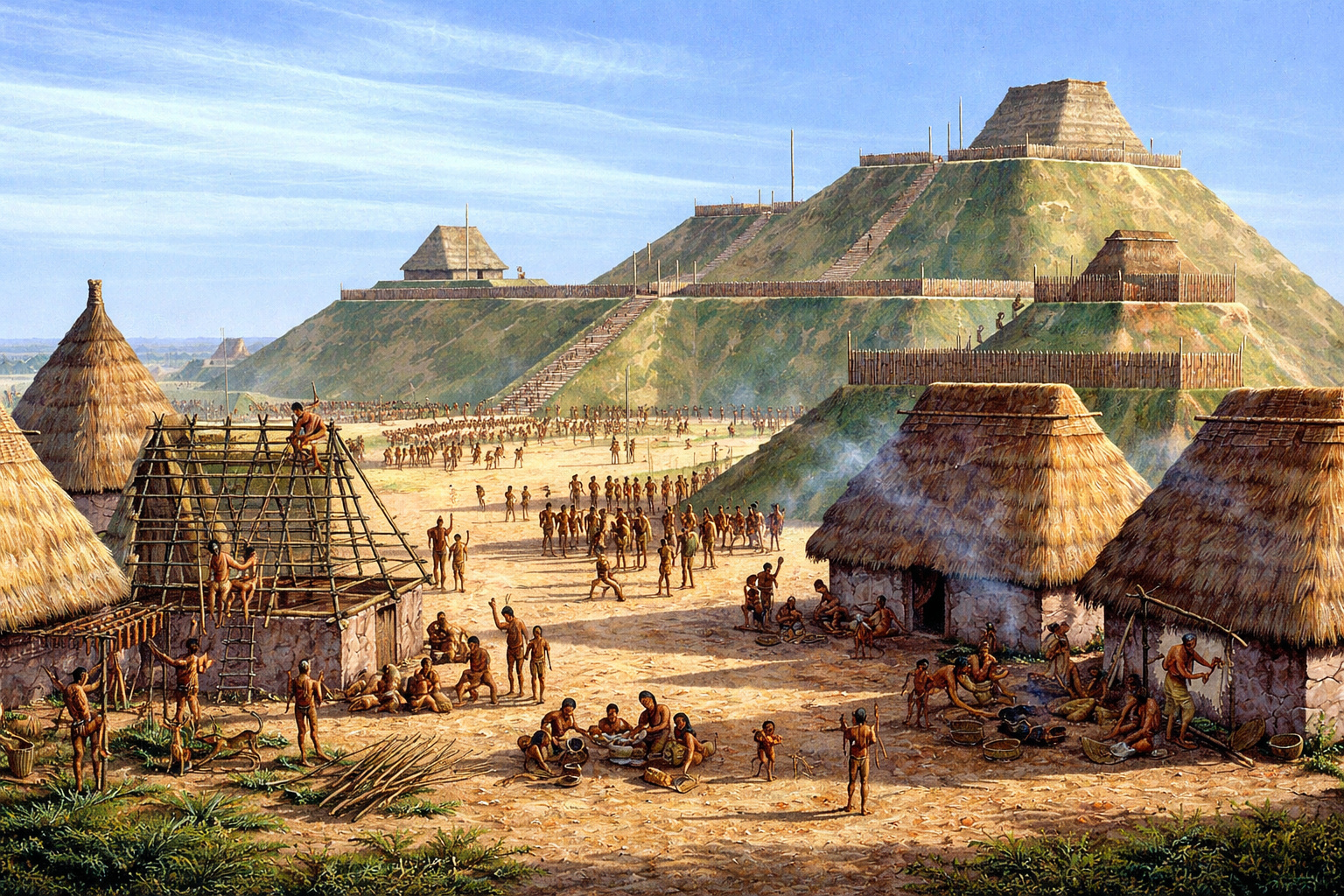
With over 14 million baskets of earth moved, an ancient North American metropolis built a monumental pyramid of 30 meters and established a city with 20,000 inhabitants nearly a thousand years ago.
-
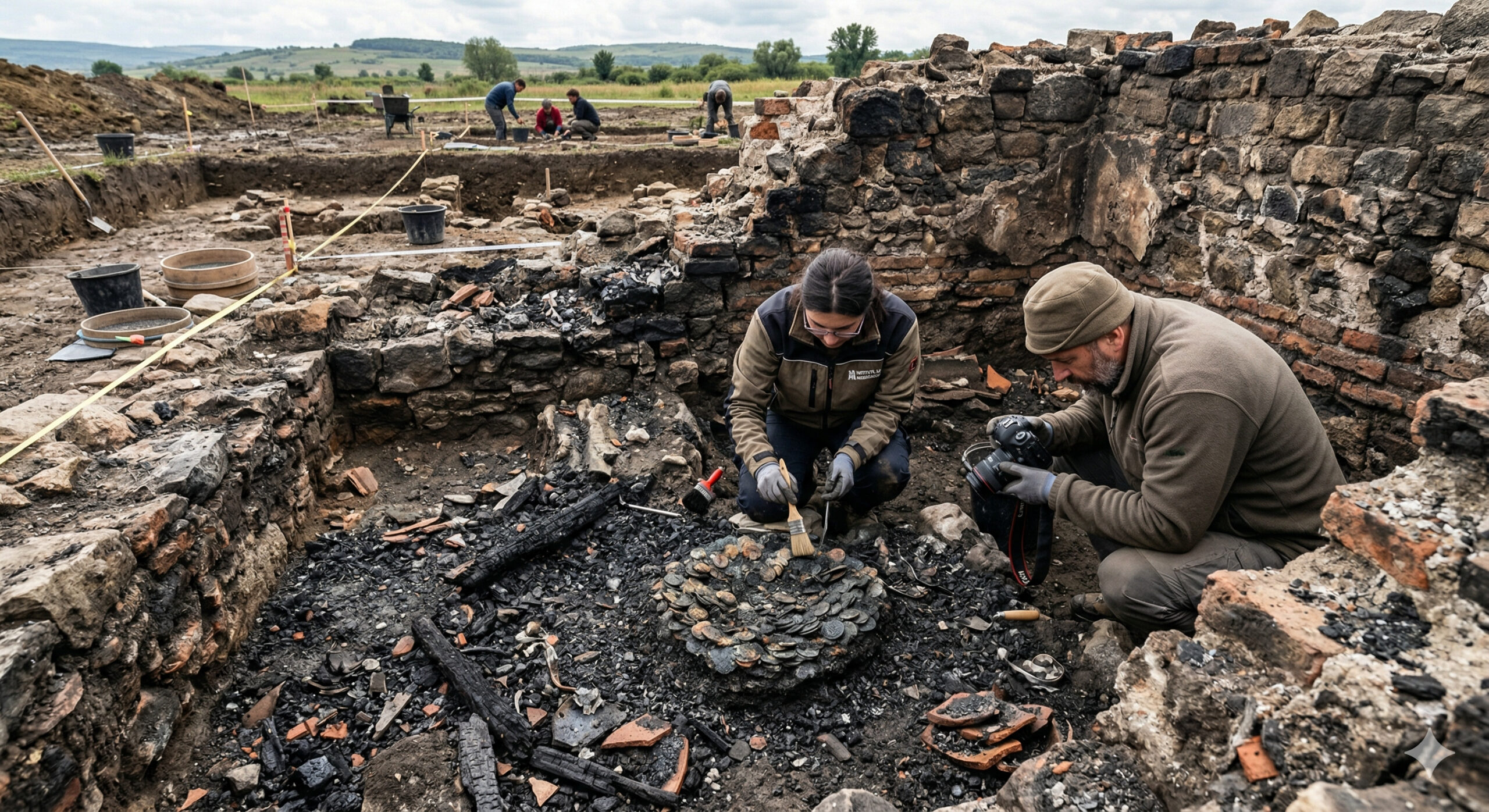
A 1,900-year-old treasure emerges from a Roman house destroyed by fire and sealed since antiquity in Romania, with coins and metals fused among the ashes.
-
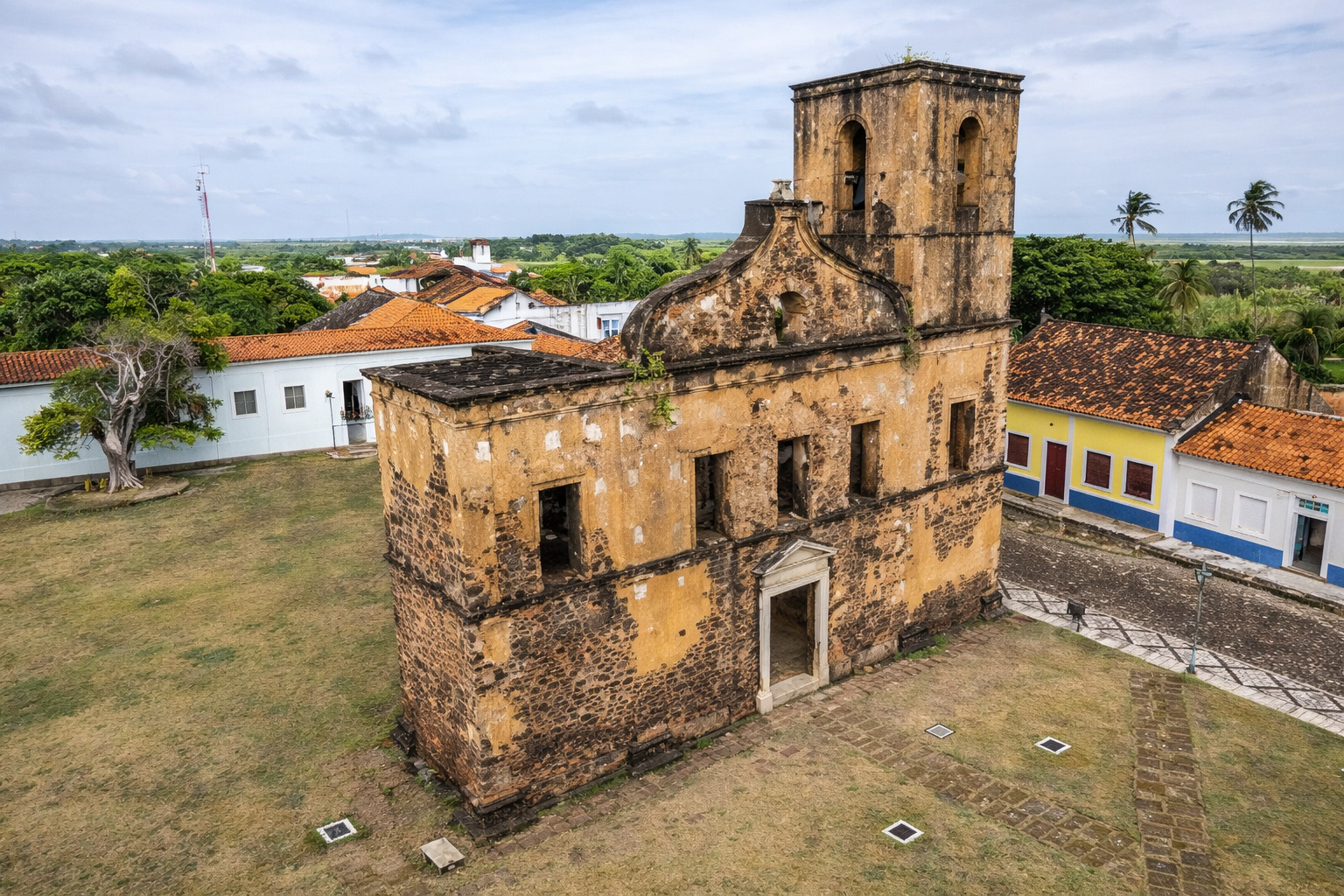
The Brazilian colonial city that stopped in time and shares territory with a rocket launch base.
-
79-year-old woman challenges limits, visits 193 countries in the world after 56 years of planning and reveals the behind-the-scenes of a global journey that few have managed to accomplish.


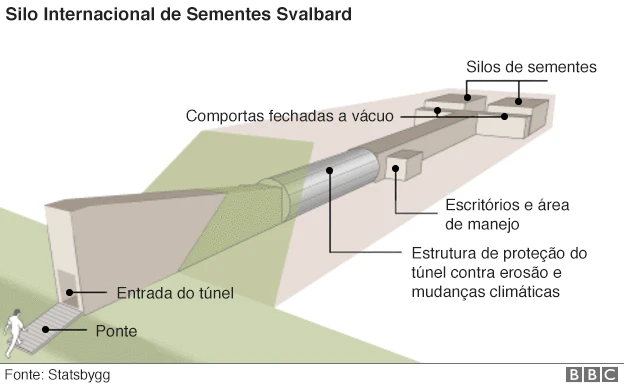
The entrance of the vault, built in a tunnel over 120 meters long that crosses the frozen rock, was designed to withstand earthquakes, nuclear explosions, and even the melting of polar ice. The structure is managed by the Nordic Genetic Resource Center (NordGen), with financial support from the Crop Trust Foundation and the Norwegian government.
Since its inauguration in February 2008, the Svalbard Seed Vault has become a global symbol of preparation for a possible environmental, economic, or military collapse.
Seed Vault: What Does It Store?
The primary goal of the vault is to store duplicates of collections from gene banks around the world. It functions as a global backup. That is, if a variety of rice, corn, or wheat is lost in its country of origin — due to war, natural disaster, or institutional failure — it can be recovered from the secure stock in Svalbard.
According to data from the Crop Trust itself, the vault has already stored over 1.2 million seed samples from crops such as:
- Rice
- Corn
- Wheat
- Soybeans
- Barley
- Sorghum
- Diverse Legumes
- Rare Fruits and Plants for Local Use
Each shipment is packed in hermetic boxes with waterproof packaging, stored at controlled temperatures of -18 °C. The seeds are not handled in the vault — they are simply stored. All genetic control is done by the originating institutions.
Why Do More Than 100 Countries Participate?
The massive participation of countries from all continents reveals global awareness of the importance of genetic preservation. National agricultural institutions, universities, and research centers actively participate in the delivery of seeds.
From major economies such as the United States, China, and Germany, to developing nations in Africa and Latin America, they recognize that seed diversity may be key to adapting agriculture to unpredictable scenarios.
Countries such as Syria, Yemen, and Afghanistan have already suffered losses in their gene banks due to wars and instability. In 2015, Syrian researchers who maintained a seed bank in Aleppo requested, for the first time in history, the return of seeds deposited in the Svalbard vault — a clear example of the food security function it serves.
Food Apocalypse: Why Does the World Fear This Possibility?
The term “food apocalypse” may sound like science fiction, but it has solid foundations in scientific studies. The combination of factors such as:
- Extreme Climate Changes (Droughts, Floods, Storms)
- Prolonged Wars
- Collapse of Global Supply Chains
- Loss of Agricultural Biodiversity
- Nuclear Disasters or Global Pandemics
…may lead to large-scale food shortages. According to the Food and Agriculture Organization (FAO), more than 75% of the genetic diversity of cultivated plants has already been lost since the early 20th century. Modern agriculture tends to rely on a few highly productive varieties, which makes the system fragile in the face of pests, temperature changes, or genetic mutations.
It is in this scenario that the hidden vault in the Arctic emerges as one of the guarantees that civilization will at least have a way to restart part of agricultural production if current systems collapse.
Genetic Preservation: The Lifeline of Global Agriculture
The importance of plant genetic preservation goes beyond food. It is linked to health, culture, and economics. Some seeds stored in Svalbard represent local varieties that do not exist anywhere else in the world. They are species adapted to specific regions, with genetic characteristics that may be useful for combating crop diseases, resisting soil salinization, or growing under low irrigation.
Research on ancient varieties, now forgotten by intensive agriculture, has revealed new paths for the future. Scientists turn to the Svalbard seed bank to develop varieties resistant to high temperatures, poor soils, and changes in rainfall patterns.
Additionally, regenerative agriculture projects aimed at environmental restoration also rely on this diversity to reintroduce native species into degraded ecosystems.
How Does the Operation of the Svalbard Vault Work?
The vault is opened only a few times a year, at events pre-coordinated with the depositing countries. Each country or institution is responsible for collecting, analyzing, and packaging the seeds, which must adhere to strict conservation and documentation standards.
Upon arrival in Svalbard, the seeds are cataloged and stored in aluminum boxes stacked on shelves within three internal chambers. Security is total: the site is monitored 24 hours a day, there is no public access, and the entire process is audited.
The data on each shipment is available on the Global Seed Vault portal, managed in partnership with the FAO and the Crop Trust, ensuring transparency and traceability.
Funding and Challenges
The project is maintained by the Norwegian government, but receives financial support from various sources, including:
- Bill & Melinda Gates Foundation
- World Bank
- Crop Trust
- United Nations
- Private and Philanthropic Initiatives
Despite its symbolism, the vault has already faced challenges. In 2016, rising temperatures in the Arctic caused a partial thaw of the permafrost around the entrance of the structure, requiring renovations and improvements to the drainage system. Since then, the Norwegian government has invested over 20 million euros in modernizing and fortifying the facility against global warming.
Brazil and the Arctic Vault: Participation and Contributions
Brazil is also participating in the project. Several samples from the Embrapa Germplasm Bank have been sent to Svalbard, primarily varieties of rice, beans, cassava, and corn, adapted to the tropical climate and the diversity of Brazilian biomes.
Furthermore, Brazilian researchers have been using the vault as a model to strengthen their own local gene banks, such as the Embrapa Genetic Resources and Biotechnology in Brasília.
Brazil’s collaboration with the project reinforces the country’s position as one of the largest agricultural producers in the world and recognizes the need to protect its rich plant genetic heritage.
Is the Svalbard Vault Sufficient?
Despite its importance, the Svalbard seed vault is not a substitute for national or regional gene banks. It serves as a last line of defense, but active conservation and daily use of genetic diversity must continue in research centers, universities, and farms.
Experts warn that the solution for global food security also involves public policies that promote sustainable agriculture, agroecology, and support for small producers. Ex situ conservation, like that done in Svalbard, needs to walk alongside in situ conservation — that is, in daily agricultural practice.
The hidden vault in the Arctic, in the frozen depths of Svalbard, is more than a futuristic construction. It is a symbol of humanity’s ability to anticipate risks and act collectively to protect its own survival.
In a time marked by environmental collapses, wars, and accelerated climate changes, the existence of such a repository represents a gesture of hope — and a lesson in intergenerational responsibility.
By depositing their seeds there, more than 100 countries are not just storing grains: they are protecting tomorrow.







Seja o primeiro a reagir!