





 Portuguese
  English
  Spanish
  4 min of reading
  16 comments


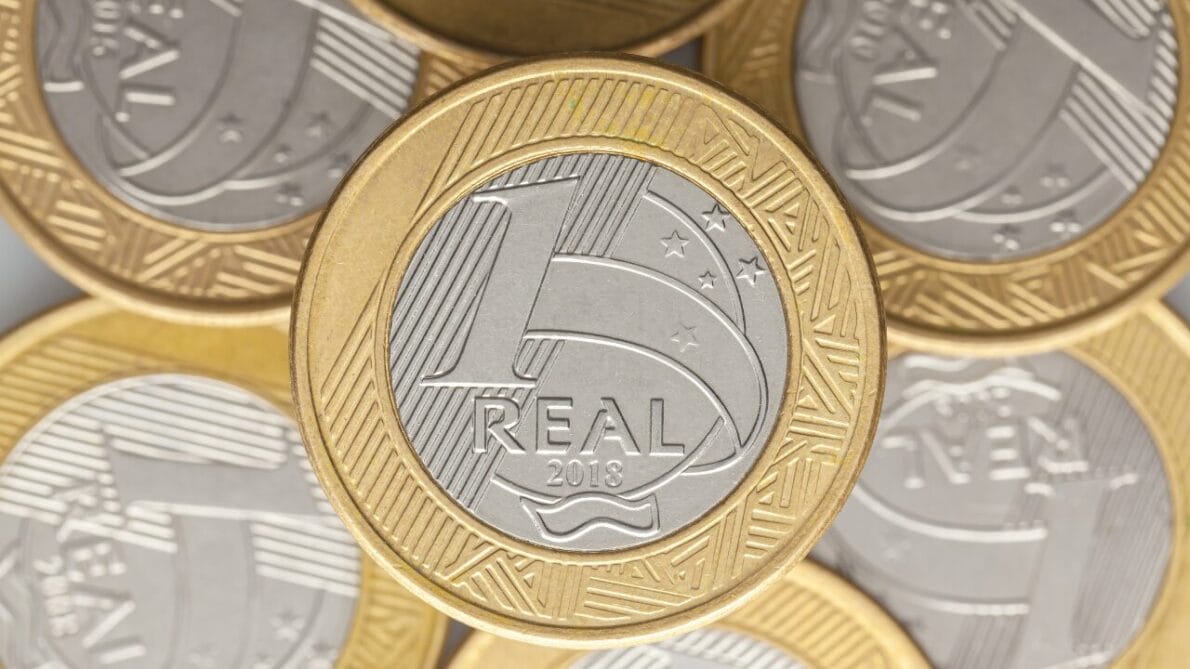

Discover How a Rare Minting Error Can Turn a Common 1 Real Coin into a Valuable Piece Worth Up to R$ 500 for Collectors.
The 1 real coin, which has been in circulation in Brazil since the launch of the Real Plan, is known for its beauty and historical significance. In addition to its nominal value, some of these coins can be quite valuable for collectors, especially if they exhibit rare characteristics. This article explores how a simple 1 real coin can be worth up to R$ 500 if it has a specific defect known as “inverted reverse.”
Rare 1 Real Coins
Some 1 real coins produced in specific years may be more valuable than one might think, especially if they have minting errors.
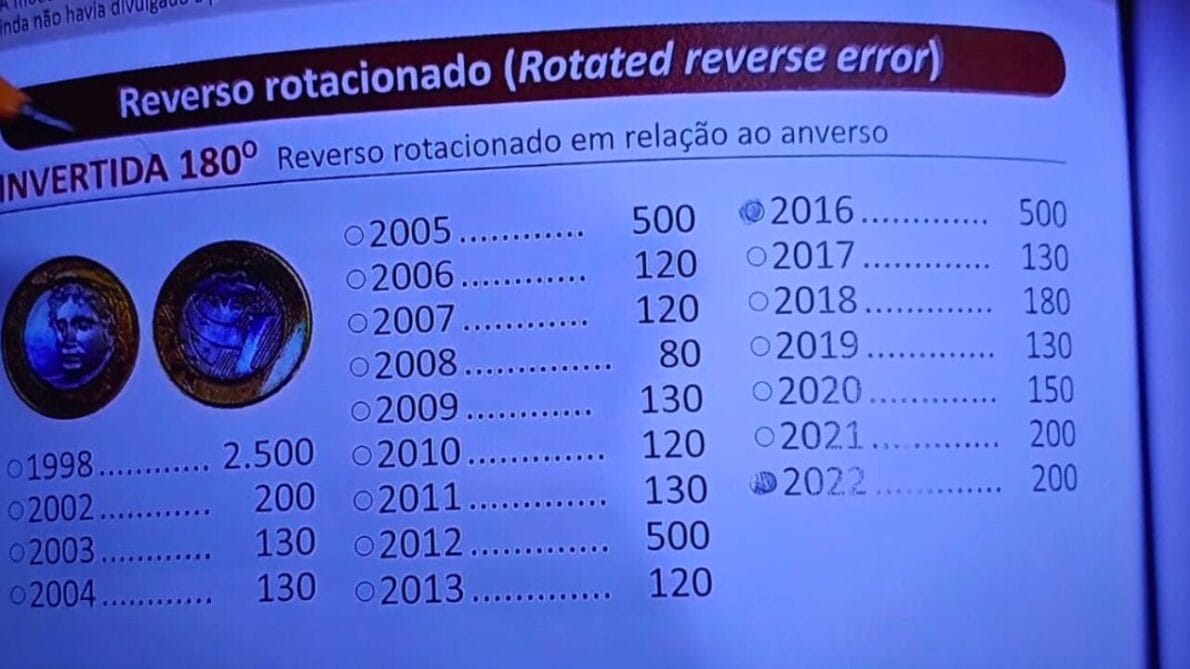
The 1 real coins from the years 1998, 2002, 2003, 2004, 2005, 2006, 2007, 2008, 2009, 2010, 2011, 2012, 2016, 2017, 2018, 2019, 2020, 2021, and 2022 are examples of pieces that can be considered rare.
-
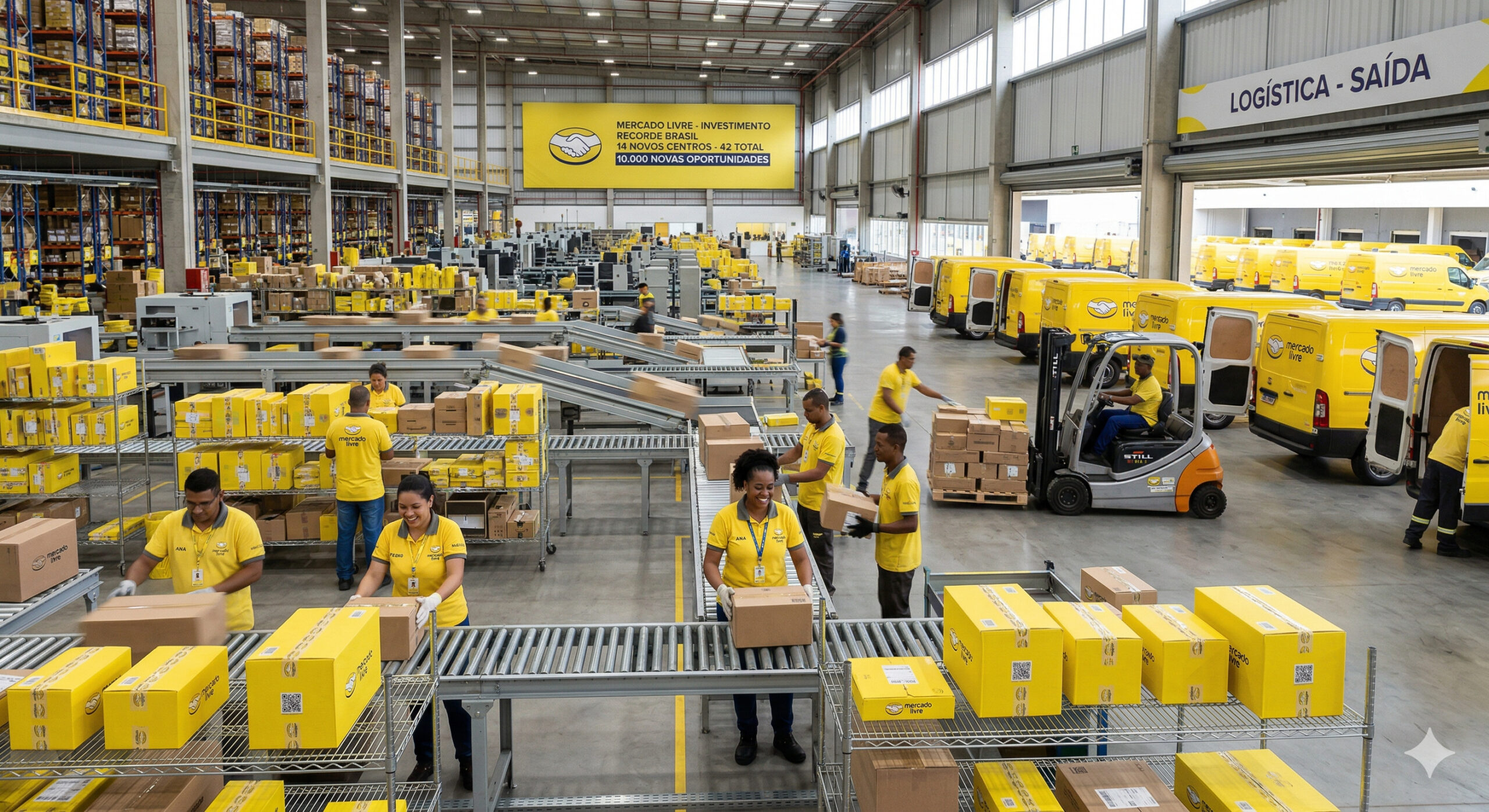
Mercado Livre “opens the vault” and announces a record investment of R$ 57 billion in Brazil in 2026, a value 50% higher than the previous year, with an expansion plan that includes 14 new logistics centers, totaling 42 units in the country and hiring an additional 10,000 employees.
-
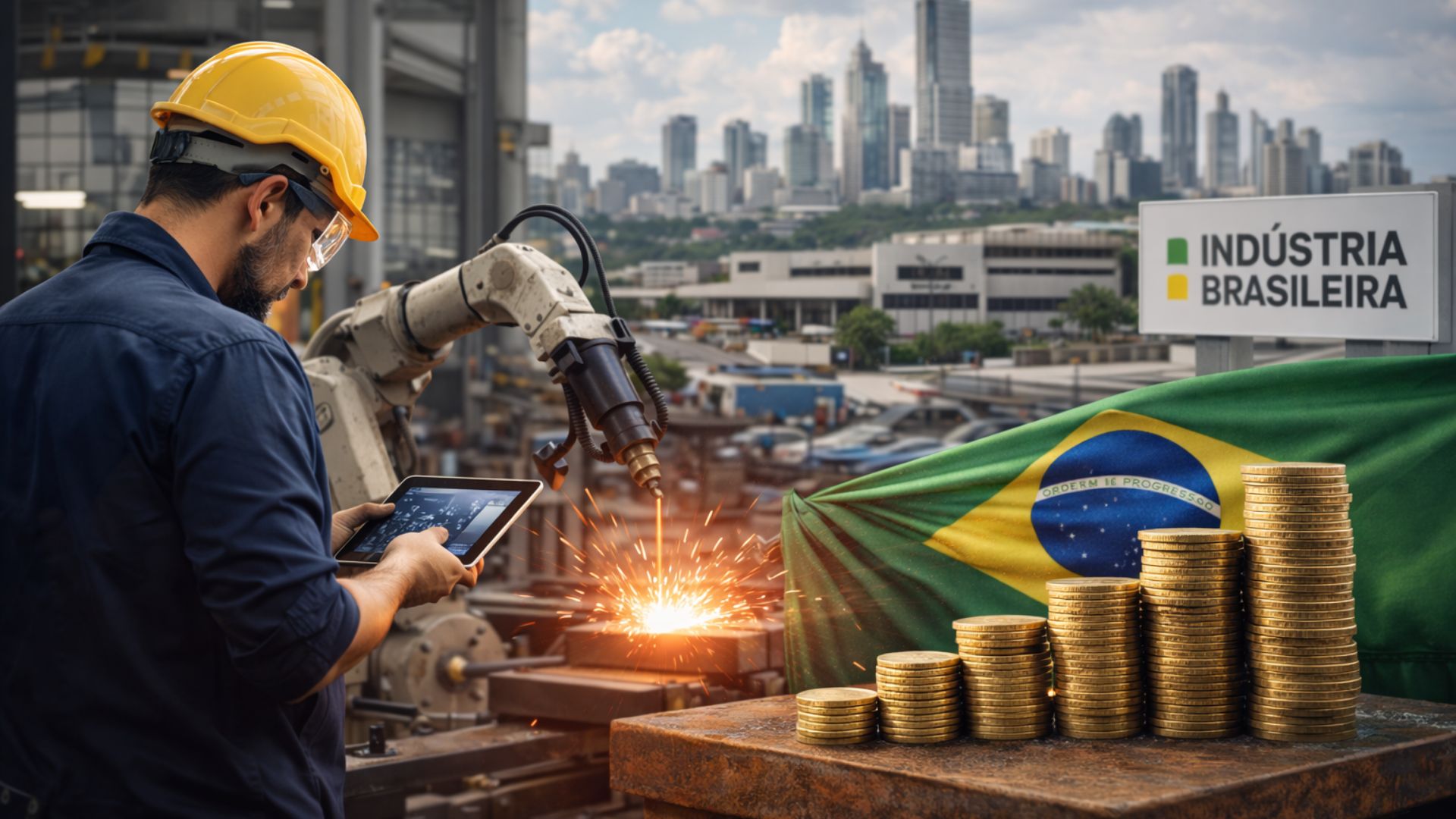
How investment in technology can revolutionize the national economy and enhance industrial gains, according to a study that highlights the direct impact on productivity, innovation, and wealth retention within Brazil.
-
The largest food company on the planet, JBS, has just opened a 4,000 square meter laboratory in Florianópolis to develop customized proteins that modulate muscle mass gain, immune response, and metabolic performance.

-
After nearly 30 bids and competition among industry giants, a Spanish company purchases one of the largest airports in Brazil for almost R$ 3 billion and takes over the management of Galeão in a concession that will last until 2039.


These coins are part of the second family of the Real Plan and can still be found in circulation, despite having a nominal value of 1 real.
Characteristics of 1 Real Coins
According to information from the Central Bank (BC), the 1 real coins have the following characteristics: they are made of cupronickel and alpaca, have a diameter of 27.0 mm, a weight of 7.84 g, and a thickness of 1.95 mm.
The edge is an intermediate serration and the axis is coin reverse (EH). The circulation of these models began on 01/07/1998 and continues to the present.
The design of the obverse shows the effigy of the Republic to the right of the silver core, transitioning to the golden ring, with references to Brazilian ethnic roots through the graphics of Marajoara indigenous ceramics and the legend Brazil.
The reverse features Marajoara indigenous graphics in the golden ring and, in the silver core, a sphere overlaid by a ribbon of joy and the Southern Cross constellation, alluding to the National Pavilion, with inscriptions corresponding to the face value and the year of minting.
The Government Plan of 1994
The Real Plan, launched on February 27, 1994, was an economic program created to control the hyperinflation that Brazil was facing at the time.
Implemented during the government of former president Itamar Franco and with the collaboration of economists like Fernando Henrique Cardoso, the plan introduced the new currency, the real, and had a significant impact on the Brazilian economy.
With the success of the Real Plan, inflation was controlled, and the purchasing power of the population increased.
The plan also generated a series of rare 1 real coins and others that remain in circulation today, increasing collectors’ interest in these pieces.
Inverted Reverse Coin
The value of 1 real coins can increase considerably if they have a specific error known as “inverted reverse.”
This defect occurs when the reverse of the coin is aligned contrary to the usual standard.
In the coin reverse standard adopted in Brazil, the horizontal axis (EH) is the expected pattern.
To identify a coin with an inverted reverse, hold the piece with the face facing you and rotate it from bottom to top.
If the other side appears upside down, it is a coin with an inverted reverse, a rare and valued error.
This type of error can occur in any model, not just in 1 real coins, and can significantly increase the value of the piece.
However, determining the commercial value can be complicated due to the lack of accurate records regarding the quantity of coins issued with this defect.
Although many pieces like this still hold their nominal value, those with minting errors, such as the inverted reverse, can be valuable to collectors.
The rarity and detail of the defect are the main factors that determine the value of these pieces in the market.
If you have 1 real coins in your collection or have found some in circulation, it is worth examining them closely.
A simple minting error can turn a common coin into a valuable piece, possibly worth up to R$ 500.
Where to Sell Your 1 Real Coins?
Tenor & Pellizzari is known for its work in the market for rare and collectible coins.
The platform allows you to register your coins for evaluation and sale, featuring a base of buyers who understand the value of the pieces.
In addition to specialized sites, there are various broader platforms where you can sell. Among them, the highlights include:
- Mercado Livre: One of the largest marketplaces in Brazil, Mercado Livre has a section dedicated to rare coins. Here, you can create detailed listings with photos and descriptions to attract buyers. It is essential to maintain a good reputation as a seller to facilitate transactions.
- Amazon: Although it is better known for new products, Amazon also has a collectibles section where you can list your coins. The platform’s visibility is a significant draw, allowing your coins to be seen by a global audience.
In addition to online platforms, it is worth considering buying and selling events for coins in your area.
Collector fairs, numismatic conventions, and collectors’ meetups are excellent opportunities to sell your 1 real coins directly to an interested audience and negotiate prices in person.








Tenho muitas moedas de 1 real!
Umas 50 delas com defeitos de cunho e invertidas tenho duas
Tenho várias de 1 real 5-25-50-
Acho que tenho