





 Portuguese
  English
  Spanish
  5 min of reading
  0 comments


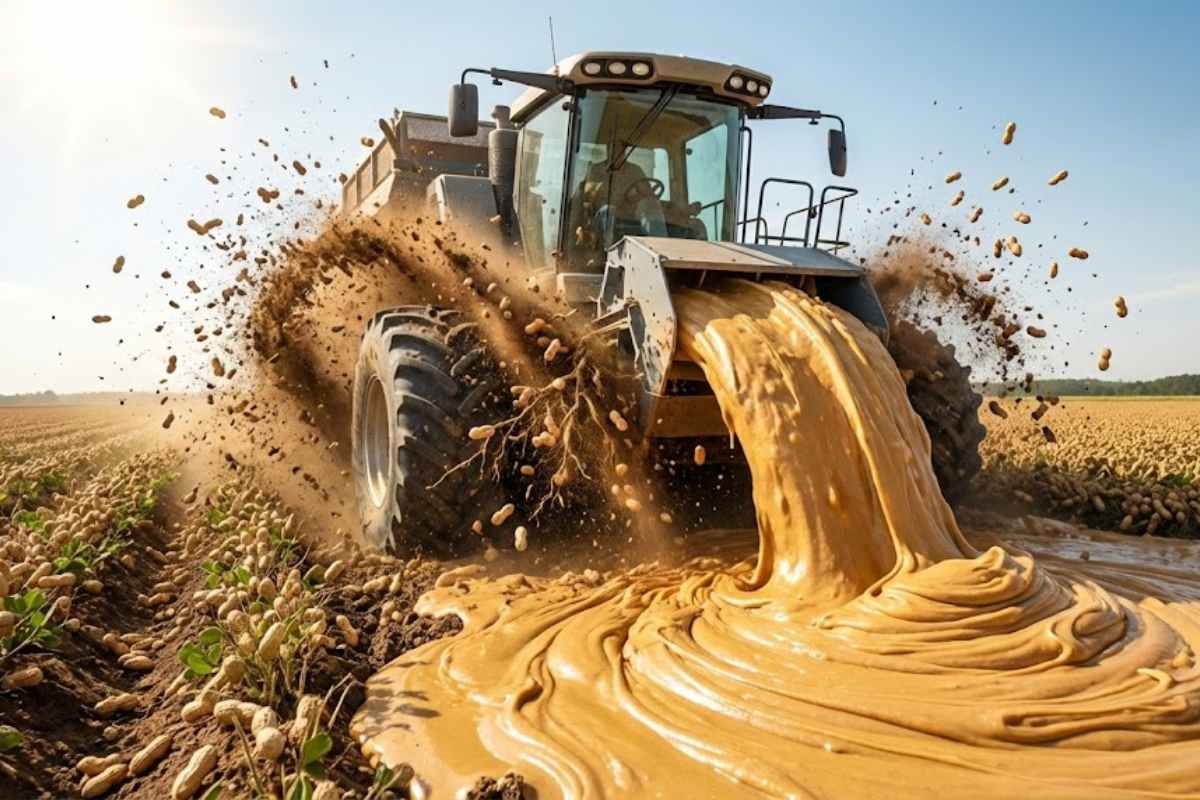
From Soil Preparation to Peanut Harvest, Agricultural Giants Raise the Crop, Separate Millions of Peanut Grains, Dry, Sort, and Turn Everything into Creamy and Stable Peanut Butter in a Highly Continuous Industrial Flow that Standardizes Flavor, Reduces Losses, and Supplies the Table of Millions of Brazilians
Growing peanuts begins long before the spectacular harvest that machines show in the field. What appears as a “mountain” of peanuts being loaded onto the truck only exists because someone measured pH, corrected nutrients, and prepared the soil to receive each seed at the right depth. It is a crop that starts underground but relies on precise engineering at the surface.
When harvest time arrives, that seemingly simple crop turns into a show of metal, sensors, and synchronization. Giant machines enter the field, go below the surface, pull the peanut plants, turn the rows, and in seconds, what was hidden in the soil appears in perfect lines ready to dry in the sun. From then on, each step decides whether the peanut will be a common grain or the raw material for really creamy peanut butter.
From Corrected Soil to Precise Peanut Planting

Before any machine enters the area, peanuts require a clean field.
-
China rejected an entire shipment of beef from Argentina after detecting an antibiotic so dangerous that it has been banned for human consumption for over 30 years, and now the export sector is facing a crisis of international trust.
-
With nearly 500 thousand tons per year, barley production is growing in Brazil, while a decline in beer consumption among Generation Z raises alarms in the sector.
-
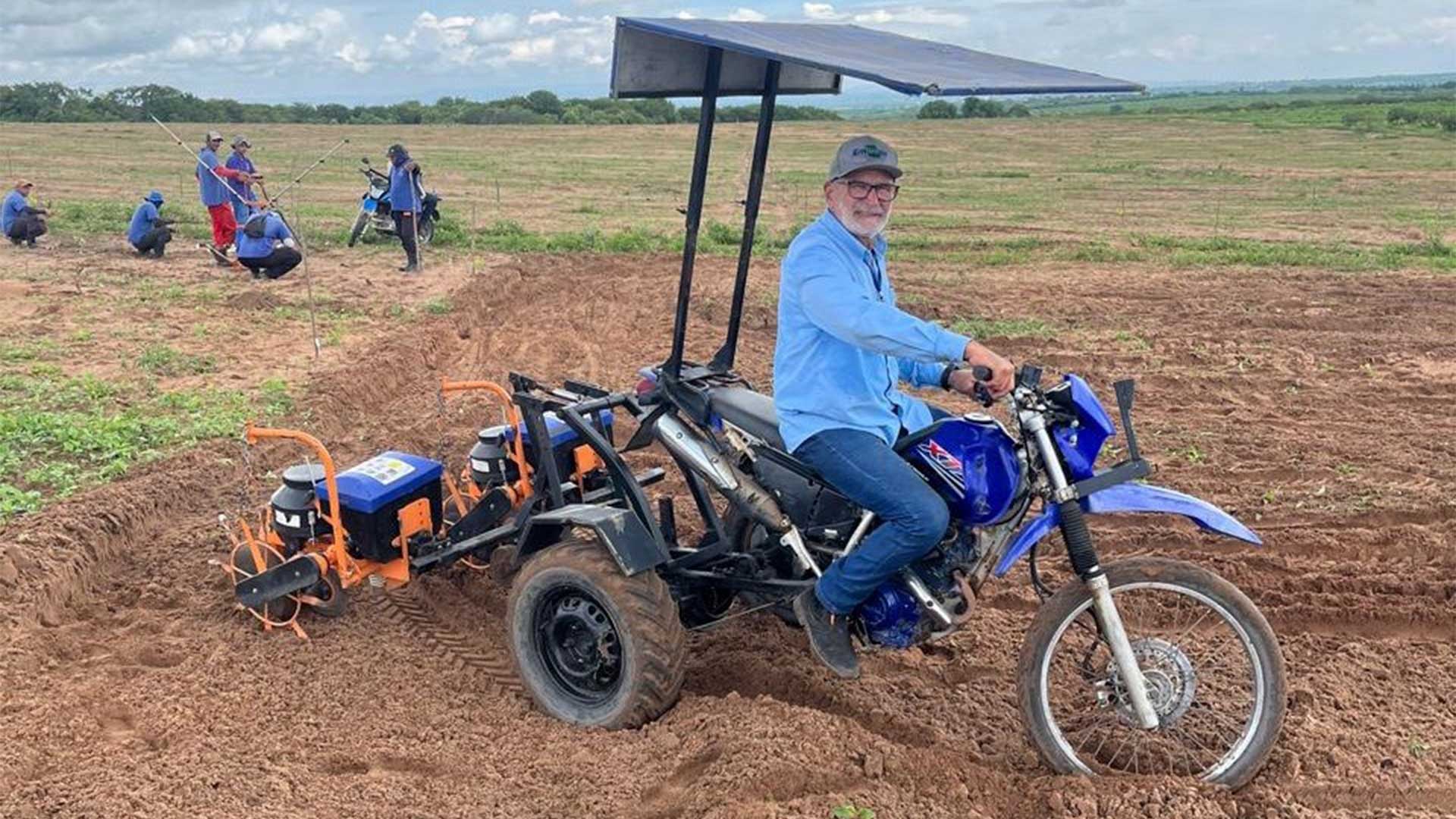
With tractors out of reach for small producers, a tricycle created by Embrapa Algodão becomes a cheap and efficient solution and gains national prominence.
-
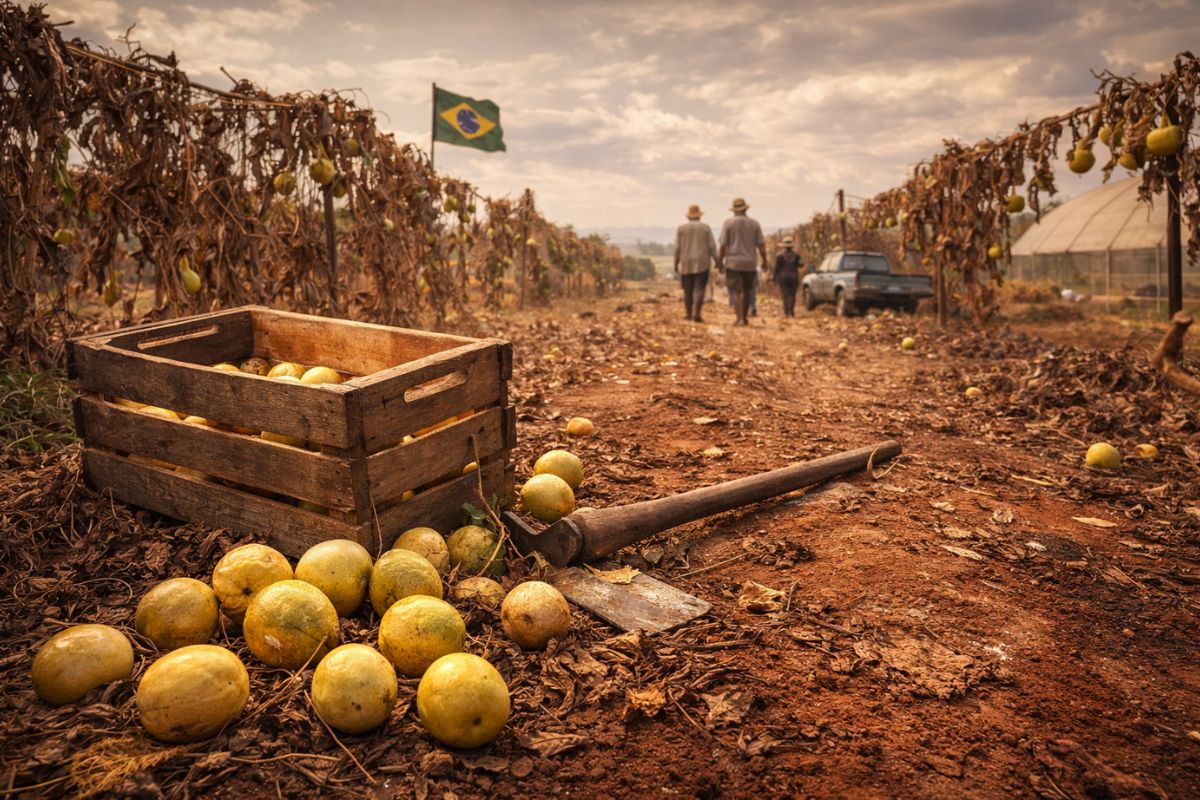
From 130 producers in the year 2000 to just 15 today: the dramatic decline of passion fruit in Araguari shows how the lack of labor in the Brazilian countryside is killing a decades-old agricultural tradition, even with Brazil being the largest producer in the world.

Harvest residues, stones, large clumps, and weeds are carefully removed or incorporated.
A well-prepared soil reduces line failures and ensures that each peanut seed finds space, oxygen, and moisture to germinate.
Then comes the invisible but decisive part: soil testing.
Producers check pH, nutrient levels, and any deficiencies.
For peanuts, a slightly acidic to neutral environment favors root development and pod formation underground, where the grain actually forms.
With the corrected soil, planters equipped with sensors and precision systems come in.
They open furrows, distribute peanut seeds at a depth of about 2 to 4 centimeters, and maintain regular spacing in the rows.
This layout of the crop is not aesthetics; it is productivity: less competition among plants, more grains per meter of peanuts.
Irrigation, Blooming, and the Exact Point to Harvest

Once peanuts are planted, the growing phase begins where water controls everything.
Throughout the weeks, the soil needs to maintain a stable moisture level, either through rain or supplementary irrigation.
Neither too wet nor too dry: the balance defines strong roots, vigorous plants, and full pods.
After the vegetative growth, the peanuts flower and begin the curious process of sending structures toward the ground, where the pods will form.
From there, the crop’s clock starts counting days until the ideal harvesting point.
Harvesting too early means poorly formed peanuts; harvesting too late increases losses and the risk of fungi.
Checking the inner part of the shells helps indicate maturity and, in practice, signals the time to call in the machines.
Machines That Pull the Peanut Crop from the Ground
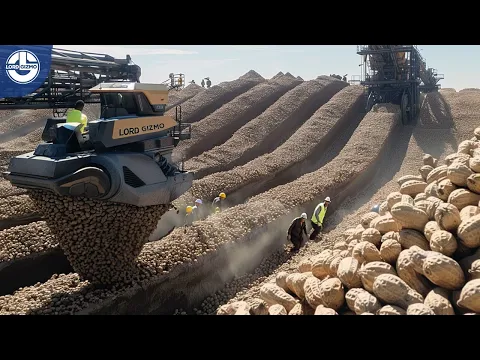

When the crop reaches the right point, the field changes its sound.
The peanut harvesters and pullers come in, equipped with blades and agitators that work below the soil surface.
These machines lift the plants, shake off excess soil, and bring the peanuts to light, still attached to the roots and stems.
Next comes a detail that makes all the difference: the plants are turned upside down, exposing the peanut pods to dry in the sun.
This initial natural drying reduces moisture and prepares the grain for the next phase.
It’s a simple step, but crucial to avoid fungi and ensure that the peanuts withstand transport and processing without losing quality.
After a few days, the same crop becomes the stage for another heavy stage.
The threshing machines come in, collecting the dried plants and separating the peanuts from the stems in rotating drums.
What remains of stem and leaf returns to the field, helping replenish organic matter in the soil.
What matters continues in the machine: increasingly clean peanuts ready to rise through the conveyor and fall into the truck covered with tarpaulins.
Controlled Drying, Classification, and Preparation for Industry
At the delivery point, the crop turns into numbers. Trucks full of peanuts are weighed, unloaded into hoppers, and the loads proceed to final drying.
The goal is to achieve a moisture content of around 10 percent or less, a level that allows for longer storage without loss of quality.
It’s the transition from “farm peanuts” to “industrial peanuts.”
Before entering storage, the peanuts undergo inspections that evaluate size, defects, impurities, and mechanical damage.
Samples are analyzed to determine the standard and value of the load. Meanwhile, cleaning systems remove remaining soil, small stones, and plant residues.
Each selection step increases the chances of peanuts moving on to premium products, such as peanut butter, rather than being discarded or downgraded.
From Peanuts in Shell to Creamy Peanut Butter
In the industry, the journey continues in a fully controlled environment.
The peanuts are cleaned once again, entering equipment that breaks the shells and separates the grains by weight difference and airflow.
The shells follow for other uses, while the whole, heavier, and intact peanuts go to specific processing lines.
Next comes blanching, the stage responsible for removing that thin reddish skin that covers the grain.
Hot water or steam loosens the skin, which easily comes off, leaving the peanuts ready to be roasted.
It’s at the roasting point that the peanut aroma fills the factory and defines the final flavor of the peanut butter.
After roasting, the peanuts go to grinders that crush the grains until forming a homogeneous paste.
Depending on the objective, this peanut butter receives texture adjustments and can be smoother or with small pieces of grain.
Everything is monitored to ensure creamy, stable peanut butter with the same flavor profile in each jar that comes off the line.
Technology, Quality Control, and Behind-the-Scenes of Production
Behind every jar, there’s more technology than it seems. Sensors monitor roasting temperature, pressure in the grinders, mixing time, and even the particle size of the peanut paste.
If any variable goes out of the ideal range, the system alerts, the batch is reviewed, and the standardization of peanut butter is protected.
At the end of the line, the peanut butter is packaged in jars, cans, or pouches, labeled, and sent for distribution.
Quality controls accompany samples from each batch, ensuring that the peanuts used, the processes, and the final result follow the same standard.
What began as a peanut crop in a dust-covered field ends up as a product ready for the table, with traceability from field to shelf.
After knowing this whole journey, when you look at a jar of peanut butter, will you remember the plowed soil, the peanut crop, and the machines pulling grains from the ground in seconds?









-

Uma pessoa reagiu a isso.