





 Portuguese
  English
  Spanish
  5 min of reading
  0 comments


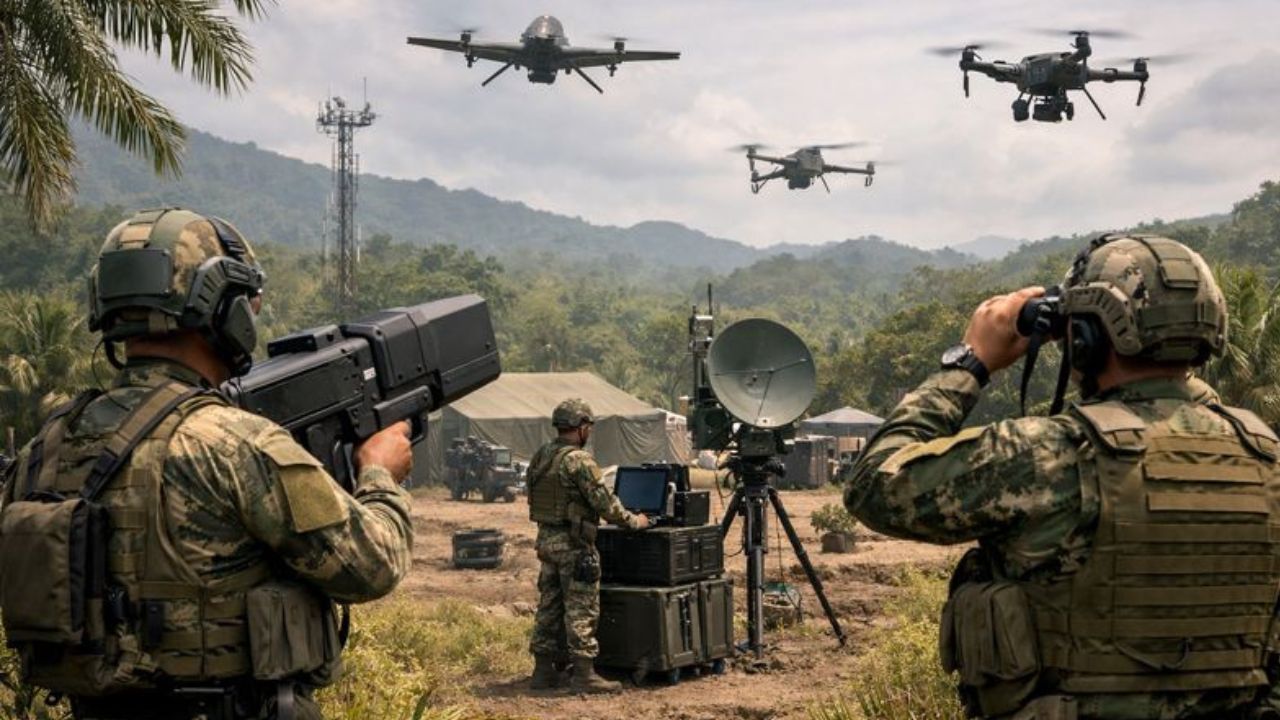
After Drone Attacks, Colombia Announces Anti-Drone Shield and Expands Military Air Defense Against Illegal Armed Groups.
Colombia has decided to accelerate the creation of a national anti-drone shield to strengthen its air defense following a series of lethal attacks carried out by illegal armed groups.
The decision was made by the government of President Gustavo Petro after armed drones struck an Army battalion in the Cesar department on December 18, 2025, killing seven soldiers and leaving more than 30 injured.
The incident highlighted the escalation in the use of new weapons in the Colombian conflict and prompted a military response considered unprecedented in Latin America.
-
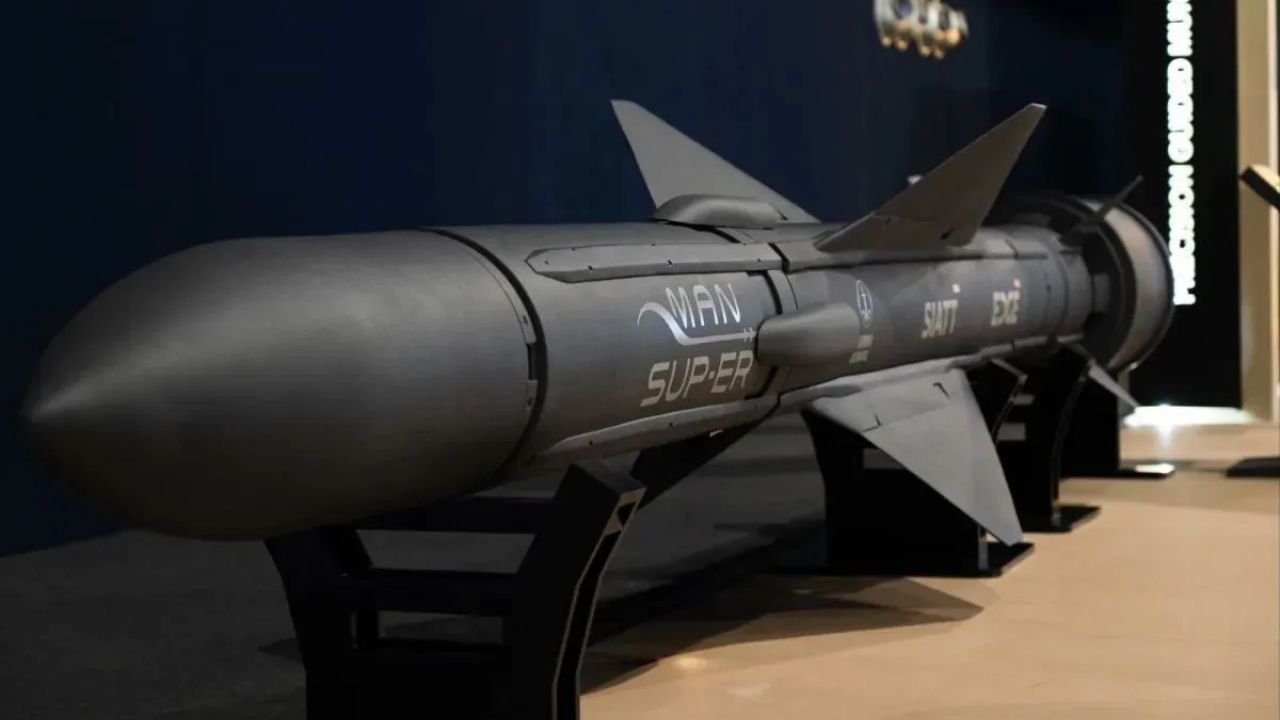
Brazil accelerates the evolution of the MANSUP missile, designing an air-surface version with a range exceeding 200 km, advanced guidance, and precision strike capability against land and naval targets, paving the way for a new generation of national armaments with global potential.
-
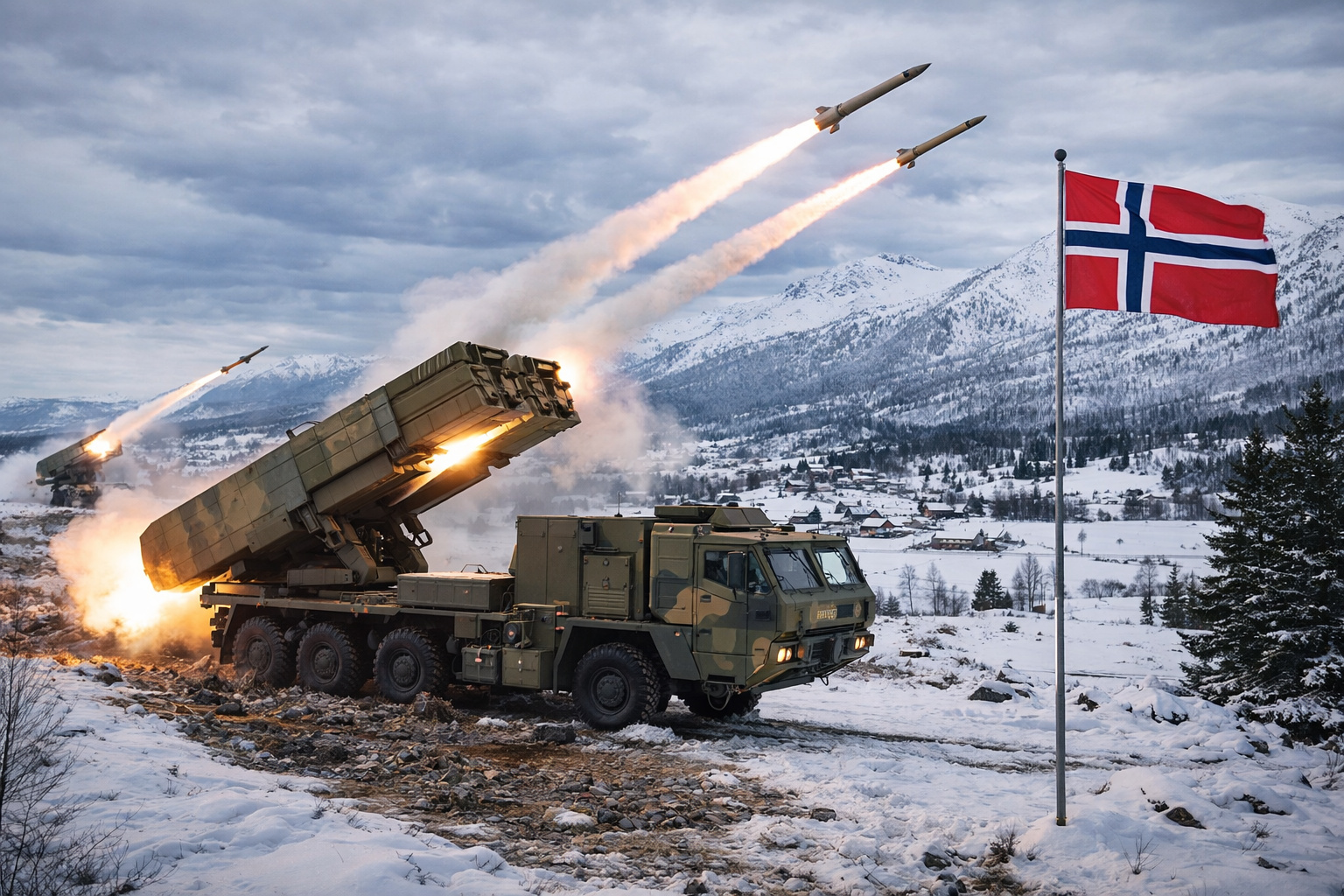
South Korea signs a $922 million deal with Norway, bringing Chunmoo launchers capable of firing guided missiles up to 290 km with an accuracy of 15 meters to Europe and turning the system into a key component of the new global race for precision artillery.
-
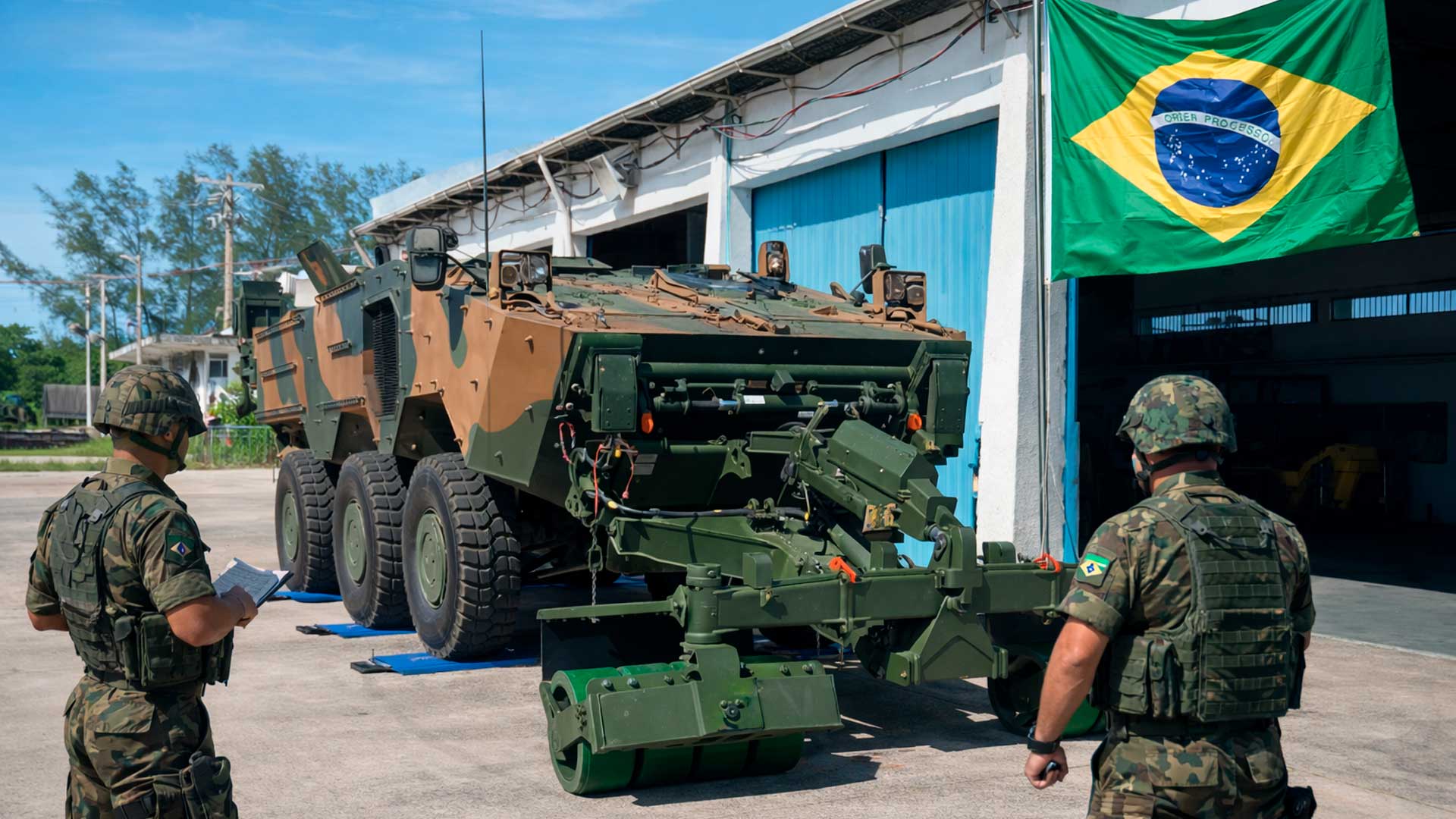
Brazil advances with decisive tests until June, the 6×6 Guarani armored vehicle with engineering equipment enters the most important phase and can enhance the operational capability of the Army.
-
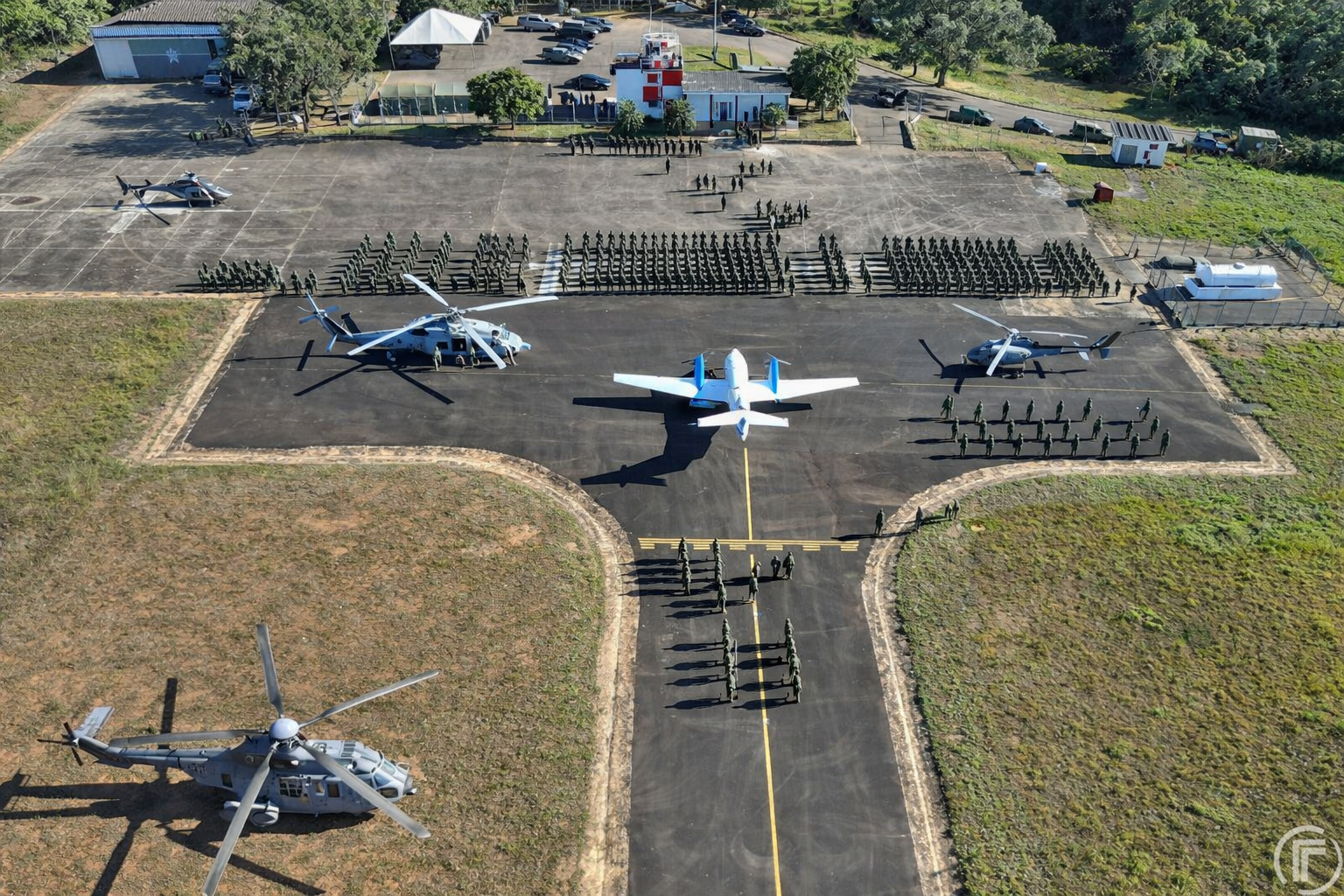
Furnas Airport is handed over to the Navy and becomes a strategic base with complete military operations, attack drones, and international mobilization at Furnas Lake.

On the very next day after the attack, Petro ordered the immediate purchase of anti-drone systems for the entire national territory.
Less than a month later, in mid-January, Defense Minister Pedro Sánchez officially announced the National Anti-Drone Shield Project, with an initial budget estimated at US$ 1.68 billion.
According to the Ministry of Defense, this is the most ambitious strategy ever announced to protect civilians, security forces, and critical infrastructure from drone-assisted aerial attacks.
Learn More: Military Drones and Defense Industry: How the Conflict in Ukraine Led Renault to Change Course
Learn More: With High Demand, Embraer Accelerates Aircraft Production and Aims for More Than 100 Deliveries
Drone Attacks Change the Military Landscape in Colombia
The use of drones by armed factions has ceased to be isolated and now poses a recurring threat. Data from the Colombian Army indicates that between April 2024 and December 2025, there were 393 reported such attacks in various regions of the country.
These episodes have reinforced the perception that the internal war has entered a new phase, marked by accessible technology that is difficult to contain.
According to analyst Laura Bonilla, director of the Peace and Reconciliation Foundation, drones have rapidly established themselves as unconventional weapons.
She says guerrillas and dissidents often acquire these devices online and adapt them for military purposes.
“These are the new unconventional weapons of the guerrillas; cheap and easy to obtain. Today’s drones are the gas bombs of the past,” she states.
In addition to direct attacks, these devices are also used for surveillance and territorial control, enhancing the operational capacity of armed groups, especially in remote areas.
Most Affected Regions and Expansion of Military Use
On the border between Colombia and Venezuela, particularly in the Catatumbo region, drones have been used by dissidents from the FARC’s Front 33 and the National Liberation Army (ELN).
In the Cauca department, other groups have also intensified the use of these devices, broadening the reach of their offensives.
Bonilla highlights that many of these groups recruit drone operators or learn to use them through online tutorials.
“It’s not complicated to operate,” she explains, emphasizing that easy access exacerbates the challenge for traditional air defense.
Armed Forces Also Invest in Drones and New Weapons
While facing attacks, the Colombian Army is also progressing in modernizing its arsenal.
In October, the country’s first military drone battalion was introduced at a base in Tolemaida, in central Colombia.
The equipment, some equipped with artificial intelligence, can identify faces, track vehicles, and conduct airstrikes up to 45 kilometers away.
In a speech at the end of 2025, Petro summarized the new scenario by stating that Colombia is now experiencing a “war of drones and anti-drones.”
The president declared that the attacks had already left at least 58 dead and 200 injured in the Army, in addition to stating that the aerial advantage, previously concentrated in the armed forces, has shifted to drug traffickers.
How the Anti-Drone Shield Works
According to Minister Pedro Sánchez, the project aims to ensure control of the airspace, save lives, and anticipate new threats.
There is still no determination on which company or country will provide the technology, nor on the testing schedule and training of teams.
According to Vladimir Rodríguez, former director of Technology and Cyber Incident Response at the Ministry of Defense, an anti-drone shield consists of an integrated network of detection, control, and neutralization.
“It works through radars, radio signals, and other sensors, organized in layers of defense that protect military personnel, perimeters, and essential infrastructure,” he explains.
This type of system is already used by countries such as the United States and Israel, as well as some nations in Europe, Africa, and Asia, but it has never been announced as a national project in Latin America.
Questions About Cost, Effectiveness, and Adaptation to the Territory
Despite the ambition, experts show skepticism. Bonilla and Rodríguez assess that the shield seems to prioritize the protection of strategic infrastructures, such as the Casa Nariño, oil refineries, and military installations, but may not be effective in regions where drone attacks are more frequent.
“Acquiring this technology to protect specific points is necessary, but I don’t believe that this is the main issue in rural areas where the guerrillas operate,” asserts Bonilla. Rodríguez goes further and questions the cost-benefit of the investment.
“I worry that it will be a waste of money on technology that will soon become obsolete,” he says.
Another challenge is adapting to Colombia’s geographic conditions. Regions like the Amazon, with rugged terrain and difficult access, often limit the effectiveness of conventional military technologies.
Debate on Priorities in Defense Policy
Experts also suggest alternatives, such as strengthening the Army’s communication systems or restricting armed groups’ access to commercial drones.
“I think more can be done to limit the purchase of these devices, including through China or in border areas,” Bonilla states.
While the anti-drone shield is still in its initial phase, the Colombian government continues to expand its investments in defense.
In November, an agreement was signed with Sweden for the purchase of 17 Gripen fighters, at an approximate cost of US$ 4.5 billion.
Petro classified the acquisition as an essential deterrent factor to face violence linked to illicit economies.
The strategy of combining peace negotiations with tougher military actions has characterized Petro’s government and is expected to weigh in the judgment of voters in the upcoming May elections.
The anti-drone shield thus arises not only as a military response but as a symbol of a new phase in Colombia’s security policy amid an increasingly technological conflict.









-

-

-

-

-

9 pessoas reagiram a isso.