





 Portuguese
  English
  Spanish
  3 min of reading
  0 comments



With a population of 1,455,132,618 inhabitants, the most populous country in the world continues to encourage policies to increase the birth rate and balance future demographic challenges.
India surpassed China as the most populous country in the world in 2023. With 1,455,132,618 inhabitants in October 2024, the country now represents 17.8% of the global population. Nevertheless, some southern states are urging people to have more children.
In recent decades, the Indian population has grown exponentially. Between 1975 and 2010, the number of inhabitants doubled, reaching one billion in the year 2000. This demographic explosion was accompanied by rapid economic and social development.
However, the fertility rate has dropped drastically during the same period. From 5.7 births per woman in 1950, it has reached the current level of 2.0. This number, below the “replacement rate” of 2.1 births per woman, concerns local authorities.
-
USA and China compete for Brazil over resources that could be worth trillions — rare earths put the country at the center of a global dispute

-
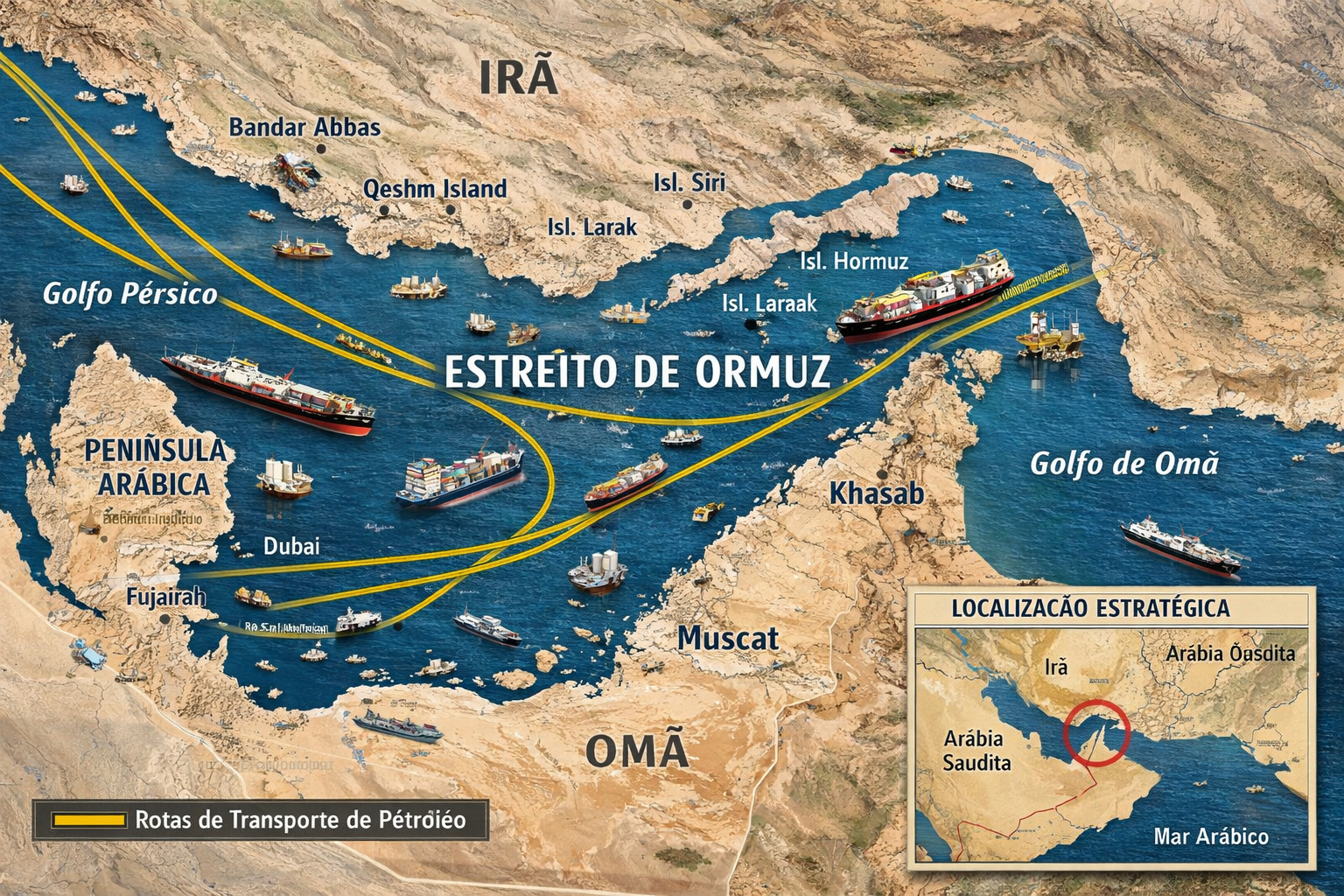
Global summit with over 40 countries pressures Iran for a blockade in the Strait of Hormuz and warns of direct impact on oil, food, and the global economy.
-
Russia has broken the U.S. maritime blockade to send oil to Cuba and is now loading a second ship while Trump says that “Cuba is next” in a possible military action against the island.

-
Spain challenges the USA and closes its airspace for operations against Iran, raising global tension and provoking the threat of a trade rupture.


Measures and Warning in Southern India
States like Andhra Pradesh and Tamil Nadu are leading the discussion on birth rates. The Chief Minister of Andhra Pradesh, N. Chandrababu Naidu, warned of a “demographic time bomb.” According to him, the low fertility rate threatens the economic and social balance of the region.
In response, the state abandoned its two-child policy for local elections. Telangana, a neighboring state, may follow suit soon. Additionally, there are discussions about financial incentives for larger families.
Experts point out that five states in southern India, which were once pioneers in population control, now have fertility rates below 1.6. This figure is similar to that of European countries facing severe demographic crises.
Political and Economic Impacts in the Most Populous Country in the World
The low birth rate in southern states raises concerns about political representation. In 2026, India will conduct a new delimitation of electoral seats. This process allocates seats in parliament based on the population of each state.
Representatives from economically prosperous regions fear losing parliamentary seats. Srinivas Goli, a professor of demography, explained that these states may be penalized for their effective population control policies. He highlights that these regions significantly contribute to federal revenues.
Moreover, changes in the distribution of federal revenues among states could exacerbate regional inequalities. The current allocation favors more populous areas, which are often less economically developed.
The Global Dilemma of Aging
India is not the only country facing population challenges. In Europe, declining birth rates are putting pressure on welfare systems and public finances. The European Union has highlighted the impact of an aging population, with fewer citizens of working age.
In the United States, experts warn of a “silver tsunami.” Projections indicate that by 2035, the number of elderly people will surpass that of children for the first time.
Japan faces a similar problem. The birth rate continues to decline, while in North Korea, severe measures against birth control have been reported. In Sub-Saharan Africa, the opposite scenario is unfolding. The population is expected to double by 2050, according to UN estimates.
A Critical Decision
India is heading towards a future of complex demographic decisions. While seeking to maintain a balance between economic development and social well-being, the challenge will be to address profound population changes. With different scenarios around the world, the Indian response will be closely monitored by the international community.









Seja o primeiro a reagir!