





 Portuguese
  English
  Spanish
  4 min of reading
  0 comments


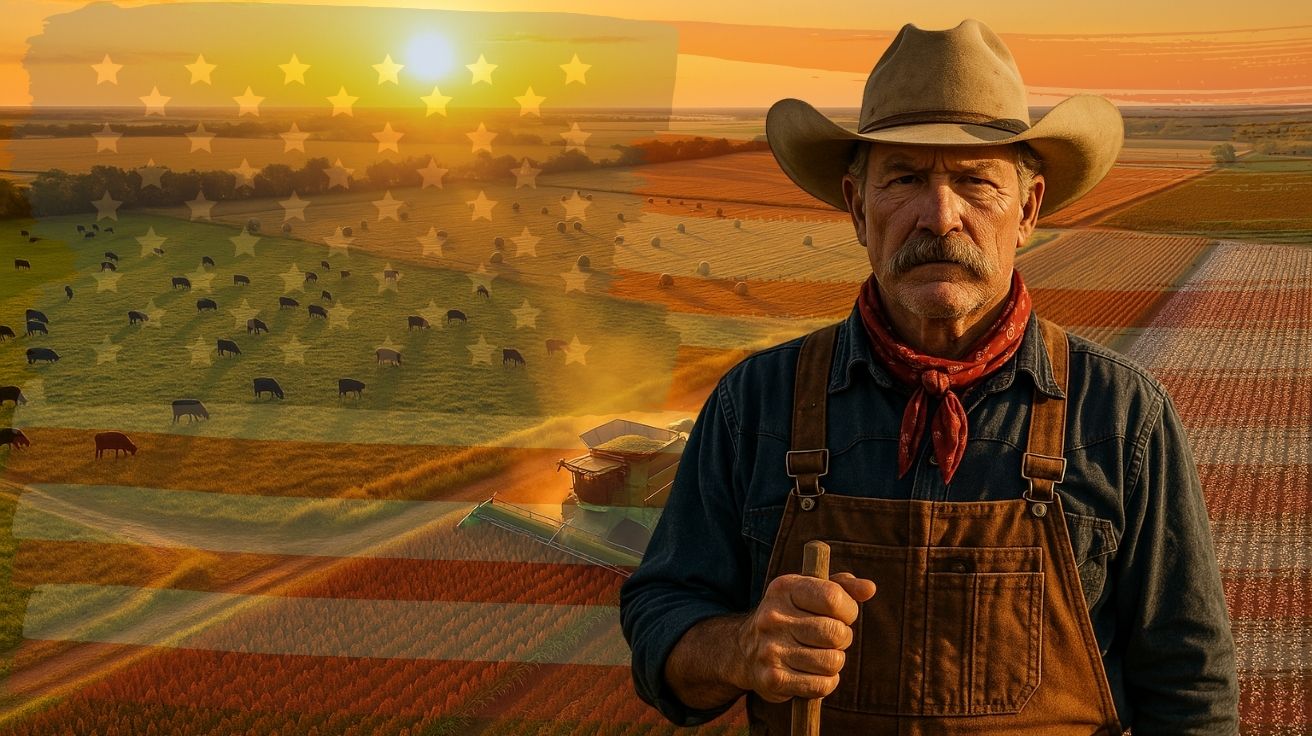
Distributed Over More Than 247 Thousand Rural Properties, Texan Farmers Moved US$ 32.2 Billion In 2024 With Cattle, Dairy, Birds, Cotton And Irrigated Crops
Texan farmers used more than 127.7 million acres of farmland in 2024, representing 14% of the rural area of the United States and generating US$ 32.2 billion in agricultural revenues.
Production is concentrated in cattle, dairy, poultry, cotton, and forages, with 97% of rural properties being family-owned.
ARTICLE CONTINUES BELOWSee also
The water that almost everyone throws away after cooking potatoes carries nutrients released during the preparation and can be reused to help in the development of plants when used correctly at the base of gardens and pots, at no additional cost and without changing the routine.

The sea water temperature rose from 28 to 34 degrees in Santa Catarina and killed up to 90% of the oysters: producers who planted over 1 million seeds lost practically everything and say that if it happens again, production is doomed to end.

An Indian tree that grows in the Brazilian Northeast produces an oil capable of acting against more than 200 species of pests and interrupting the insect cycle, gaining ground as a natural alternative in soybean, cotton, and vegetable crops.
The rise in oil prices in the Middle East is already affecting Brazilian sugar: mills in the Central-South are seeing their margins shrink just as ethanol gains strength.

Texas is the second-largest agricultural state in the United States, with approximately 247 thousand farms registered, equivalent to 12.3% of the national total.

The state’s rural economy is diversified, particularly in cattle, goat, chicken, and milk production, along with crops such as corn, hay, cotton, and sorghum.
The strength of the agribusiness is also reflected in the job market: 1 in every 7 jobs in Texas is linked to the agricultural sector.
Dairy farming plays a central role. Each cow consumes about 45 kg of feed per day and can drink up to the equivalent of a full bathtub of water.
With strict daily management, Texan farmers contributed to the production of 17 billion pounds of milk in 2024, a 65% increase over the past decade.
In goat farming, Texas leads with 785 thousand goats raised for milk, meat, and fiber, particularly in Mills County, known as the goat meat capital of the U.S.
Poultry, Egg Production, and Sanitary Challenges
In poultry farming, the state produced 9.3 billion broiler chickens in 2024, using industrial feed for rapid weight gain. The animals are slaughtered between 5 to 9 weeks after birth.
However, egg production dropped to 109 billion that year, reflecting the ongoing avian flu, which caused Cal-Maine Foods, the largest egg producer in the country, to temporarily suspend operations at a Texas facility.
The epidemic necessitated the culling of 1.6 million laying hens and 337 thousand chicks, directly impacting supply. The difference in cycle between chickens (slaughtered young) and hens (with a longer productive life) makes the latter more vulnerable.
To contain the disease, Texan farmers and authorities adopted measures such as disinfecting agricultural vehicles at the entry and exit of properties.
With 12 million cattle, producers also rely on hay and irrigated pastures to maintain herd nutrition, particularly in areas with low rainfall.
The production of forages and grains is essential for the integrated operation of rural production chains.
Agriculture, Hay, and the Response to Drought with Sorghum
Texan agriculture predates European colonization. Native peoples like the Cano and Pu cultivated corn, beans, squash, and cotton. Today, hay production stands out: the state leads national production, with an estimated revenue of US$ 900 million in 2024. Mechanized harvesting allows for storage in bales and efficient logistics.
Corn is also significant but faces an increasing obstacle: drought. In 2024, 34% of Texas experienced severe drought, which reduced the harvest to 28.3 million bushels, a drop of 56 million compared to the previous year. In response, Texan farmers began to invest in sorghum, a crop that is less water-intensive and can be easily harvested by specialized machines.
Sorghum, besides being drought-tolerant, has high energy value and can be used in animal feed or biofuel production. The technology of harvesting with onboard automatic processing optimizes time and reduces losses, being one of the sector’s bets to maintain competitiveness against climate change.
Cotton, Vegetables, and Citrus Fruits in the Southern State
Texas is the largest producer of cotton in the U.S. In 2024, the cultivated area increased by more than 400 thousand acres, with projections of 1.42 million bales harvested. The crop follows a 165-day cycle and requires only two irrigations per week. Mechanization allows for economies of scale, even on small farms.
In the vegetable sector, the state stands out with the cultivation of onions, potatoes, and spinach, mainly in the Rio Grande Valley and the High Plains, generating together more than US$ 200 million in annual revenue. In the fruit sector, the same valley is known for the production of grapefruits and other citrus fruits.
However, fruit harvesting still relies almost entirely on manual labor, with immigrants – many of whom are undocumented – receiving low wages, such as US$ 47 per thousand barrels of oranges harvested. The labor shortage in the field is a growing problem, exacerbated by more restrictive immigration policies.









-

-

4 pessoas reagiram a isso.