





 Portuguese
  English
  Spanish
  7 min of reading
  1 comment





In The Wettest City On The Planet, Daily Rain Shapes Living Bridges From Roots, Villages Communicating By Whistles, A Rare Matrilineal Society, Noisy School Routines, Dripping Roofs And Markets Adapted To Permanent Fog And Roads That Disappear In Landslides For Almost The Whole Year
The wettiest city on the planet is a place where rain is neither an exception nor an extreme event but an inseparable part of the routine. With almost 13,000 millimeters of precipitation per year and a fog that covers roads, houses, and schools, daily life is organized around water: from clothes hung indoors to slippery trails that connect villages, caves, and waterfalls.
In this small city in northeastern India, known as Sohra, adaptation came before any attempts at resistance. Instead of fleeing the rain, residents learned to walk, study, plant, sell, teach, and travel under heavy clouds almost every day, developing their own solutions for mobility, shelter, tradition, and coexistence in an environment where the soil is never fully dry.
Daily Rain As An Absolute Reference Of Life

In the wettiest city on the planet, the practical calendar is that of the rainy season.
-
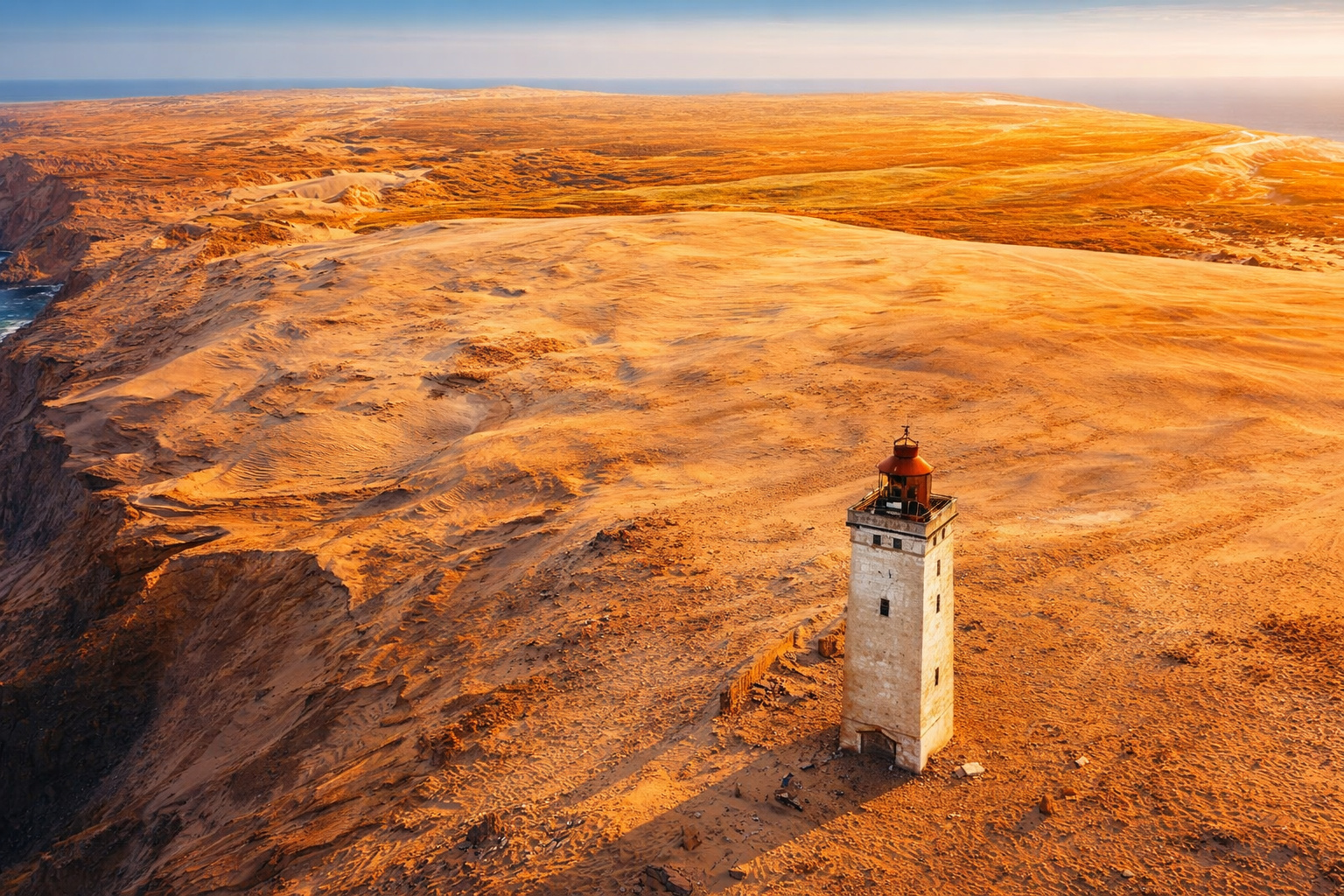
Attracting around 250,000 people a year, a lighthouse 200 meters from the sea, on a 60-meter high cliff, on the North Sea coast in Denmark, becomes one of the most impressive examples of how nature can threaten historical buildings.
-
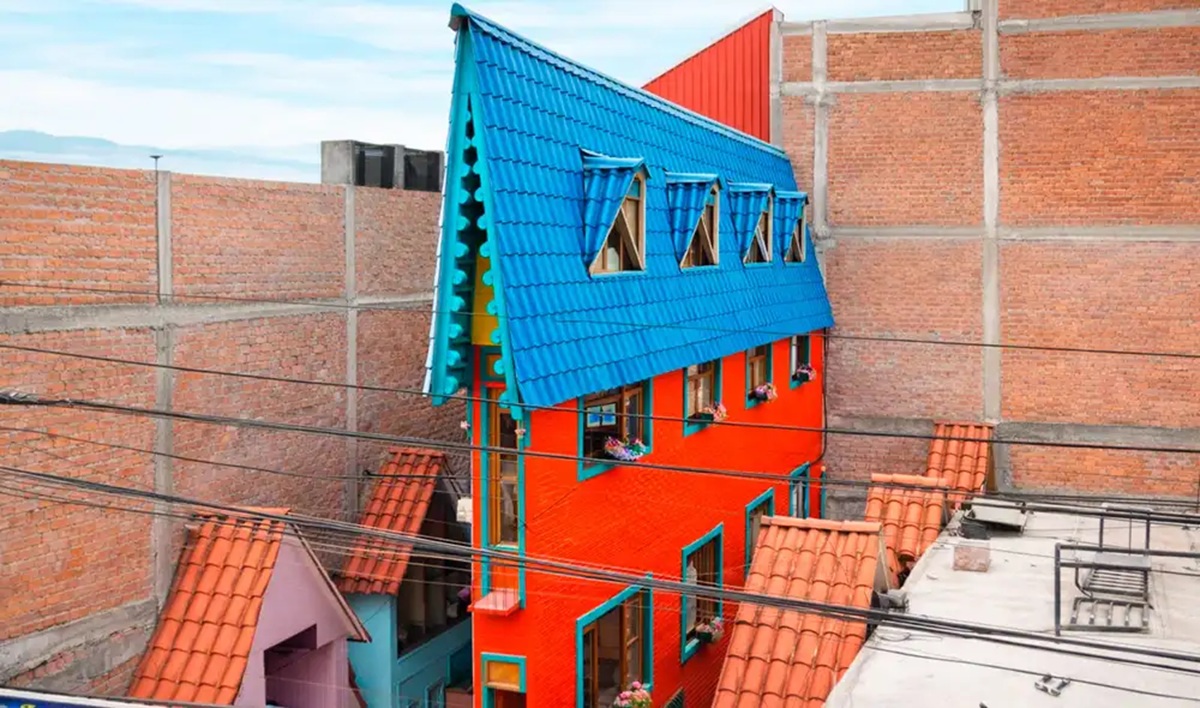
The narrowest house in the world is only 63 centimeters wide, but inside it can accommodate a bathroom, kitchen, bedroom, office, and even two staircases.
-
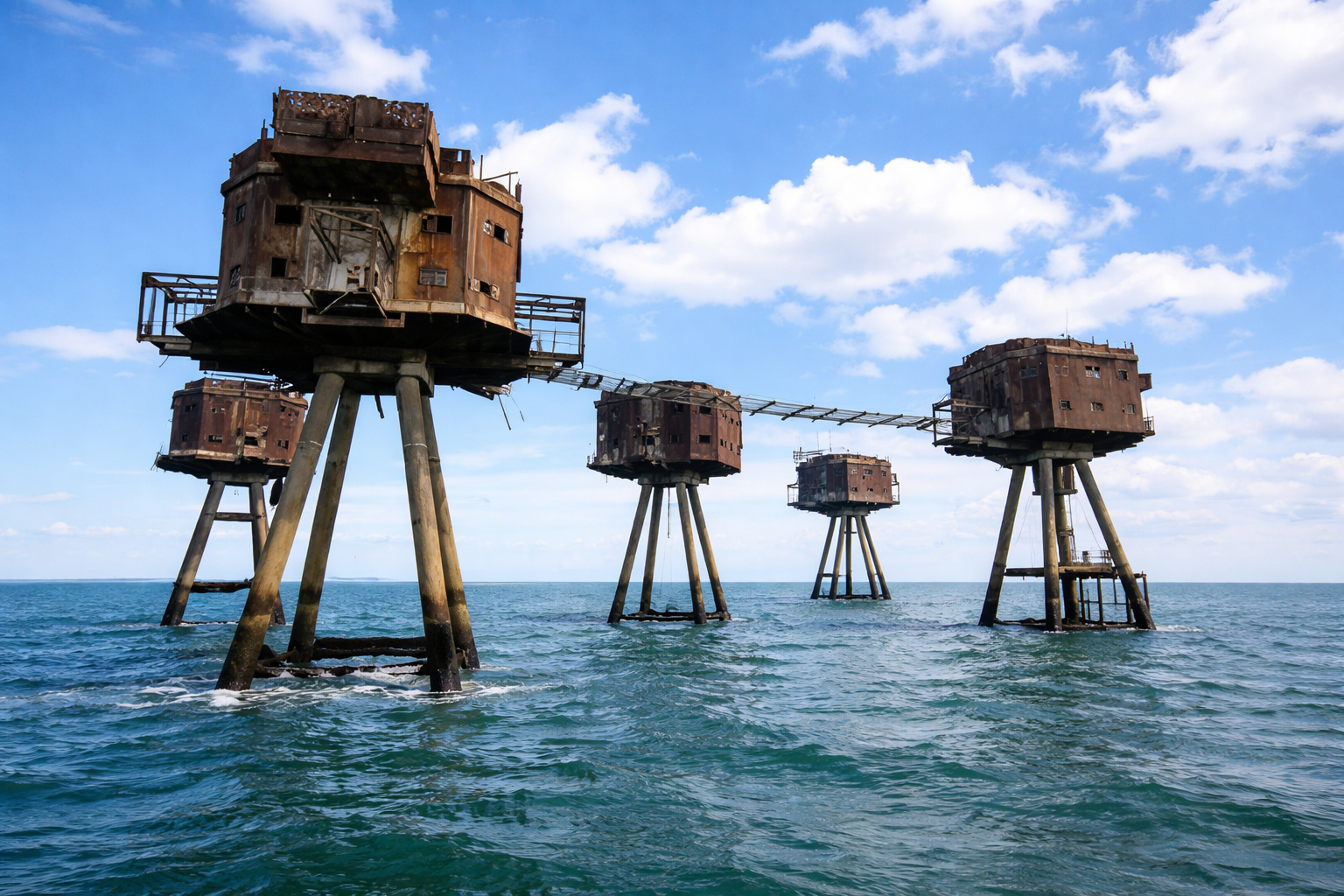
In the middle of the sea, these enormous concrete and steel structures, built by the British Navy to protect strategic maritime routes, look like they came straight out of a Star Wars movie.
-
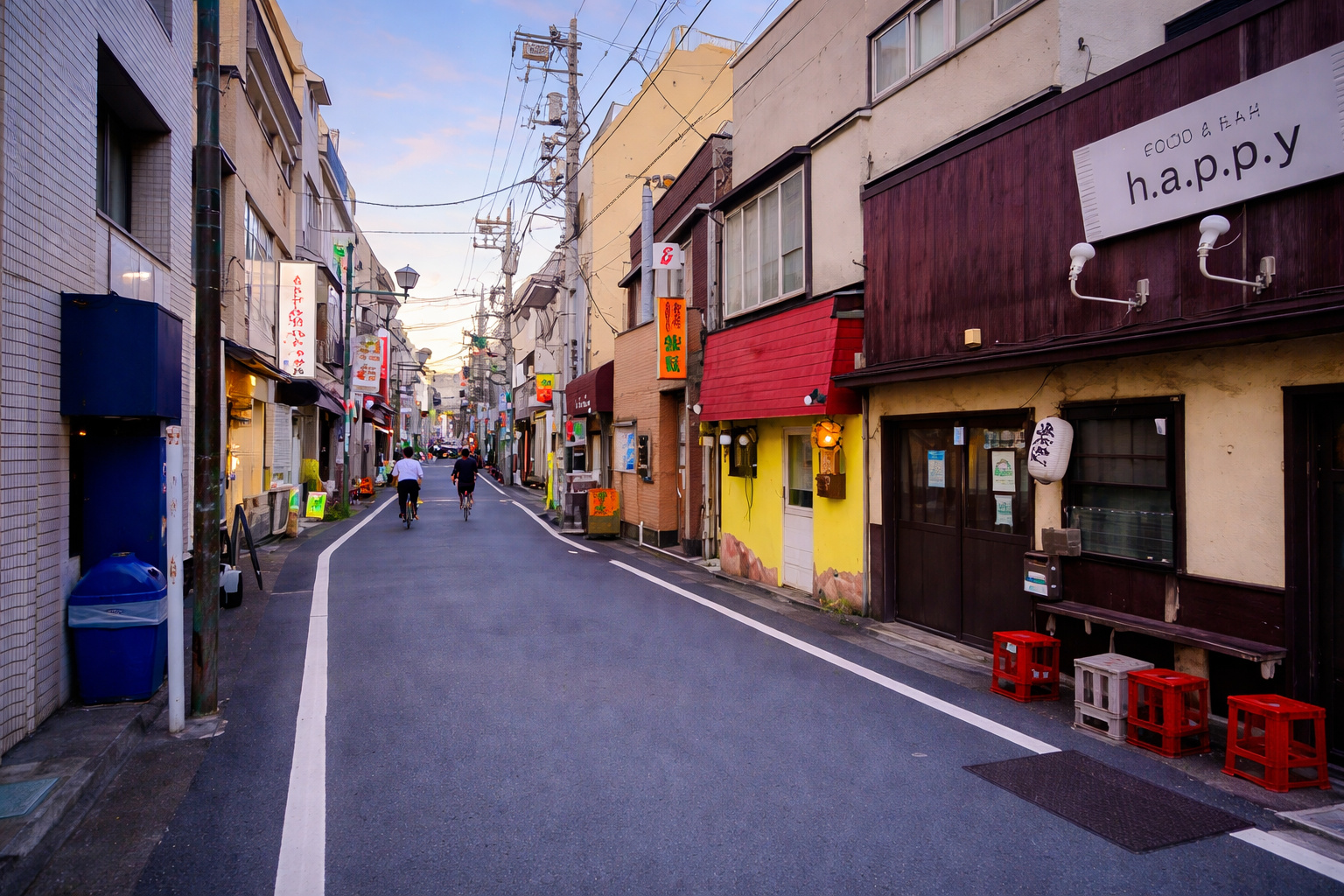
For years, no one could cross a neighborhood in Tokyo because of the tracks, but an impressive solution changed mobility and completely transformed the local routine.

Traffic guards, students, merchants, farmers, drivers, and the elderly organize appointments and movements based on the intensity of the rain, not just the clock.
The precipitation is so constant that roads can simply disappear in landslides, isolating entire communities for days.
Sections of asphalt disappear under mud and stones, forcing the population to recalculate routes in real-time, often on foot, through steep and muddy trails.
For those living there, the question is not whether it will rain, but how much, for how long, and with what impact on commuting, work, and study.
Washing clothes, for example, is often an activity done in waterfalls and streams formed by the almost uninterrupted rain.
The urban landscape itself mixes fog, soaked slopes, noisy metal roofs, and posts surrounded by umbrellas of all sizes.
Umbrella, “Turtle Shell” And The Logistics Of The Always Wet Body

If in other cities the umbrella is an occasional accessory, in the wettiest city on the planet it is almost an extension of the body.
Sellers report a constant flow of customers and a typical scene in the streets: pedestrians crossing sidewalks raising and lowering umbrellas to avoid colliding with each other.
In addition to the conventional umbrella, a local symbol of adaptation is the “turtle shell” cape made by the residents themselves.
This type of “turtle shell” covers the back, shoulders, and part of the head, freeing hands to carry bags, tools, or harvests, which is crucial for those who need to work in the rain without interrupting tasks.
The logistics of daily life include simple and rigorous solutions: cell phones, chargers, and documents always travel inside plastic bags; any walk to the factory, school, or market requires minimum protection planning.
Workers state that, on many days, commuting is more tiring than the work journey itself, precisely because of the constant rain, mud, and reduced visibility.
Living Bridges, Waterfalls And Caves Carved By Water


One of the most emblematic elements of the wettiest city on the planet is the living root bridge.
Instead of concrete, local engineers are the trees themselves.
Over decades, roots are guided, intertwined, and strengthened until they form natural structures capable of supporting the weight of residents, tourists, and light loads over voluminous waterfalls.
The crossing is described as a blend of risk and contemplation.
Underfoot, each segment of the bridge is a living fabric of roots; below, water falls forcefully over rocky drops, reminding that the same rain that isolates also connects, creating improbable passages in places that would be untraversable.
The geology reinforces the role of water.
The region houses limestone caves that, according to local guides, hold fossils of marine creatures from the Cretaceous period, evidence of a submerged past.
The combination of intense rains and geological history made the city a natural laboratory of erosion, cave formation, and continuous landscape sculpting.
Inside these caves, the sound of water dripping from the ceiling and walls reinforces the perception that the mountain itself continues in transformation.
School Under Noisy Roofs And Childhood Routine In The Fog
In the wettiest city on the planet, school life happens to the sound of rain hitting the zinc roof, at a volume so high that it is difficult to hear one’s own voice in class.
Teachers and students need to raise their voices for lessons to happen, especially during stronger storms.
Despite this, students report seeing the environment as something normal.
Children and teenagers arrive at school with umbrellas and raincoats, organize a kind of “parking” for umbrellas at the entrance of the classrooms, and follow the routine naturally.
Some describe the rain as a blessing and associate the idea of illness precisely with the absence of rain, in a curious inversion of perception compared to other regions of the planet.
The curriculum includes English as a widely used language alongside the local language, Khasi.
In testimonies, teenagers showcase fluency and project plans ranging from teaching at universities to producing digital content, always starting from a base of life centered in the small rainy city.
Matrilineal Society And The Expanded Role Of Women
The wettiest city on the planet is part of a Khasi matrilineal society, where lineage and inheritance are passed through the maternal line.
Daughters receive their mother’s last name, and it is, especially, the responsibility of the youngest daughter to care for elderly parents.
This structure directly translates into property.
Land and houses tend to be inherited by women, who become physical and symbolic guardians of the family’s heritage, while men often move into their wives’ houses after marriage.
In cases where there are no daughters, inheritance can go to nieces or other female relatives.
This social organization has roots in a history of conflicts between tribes, when men would go to war and women were responsible for the continuity of the family.
The matrilinear system is seen by residents as a form of honoring women and preserving the domestic structure, maintaining strong ties between generations living in densely connected villages.
The Whistling Village And The Melody-Based Language
One of the most unique aspects associated with the wettiest city on the planet is the existence of a village where each person receives, at birth, a “name” in the form of a whistle.
Mothers compose unique melodies for each child, which serve as a sonic signature.
In practice, residents call each other using short or long melodies, adapted to the distance.
In the village, short sequences prevail; in the fields or between separated hills, the long version is used, capable of crossing valleys covered in fog and rain.
Inhabitants report that being called by one’s own melody conveys a feeling of affection and respect, unlike a “strange” or borrowed name.
The tradition persists despite the popularization of cell phones and other forms of communication.
For those living there, the melody is part of identity and a cultural marker as important as the last name in patrilinear societies.
Dripping Houses, Improvised Markets And Income Amid The Storm
In the houses of the wettiest city on the planet, the line between interior and exterior is redefined.
Roofs may have constant leaks, and buckets are strategically placed to prevent water from reaching beds and utensils.
Clothes are hung indoors, often over wooden structures heated with charcoal, to dry in an environment that does not stop receiving moisture.
In the market, the scene repeats on a larger scale.
Tarpaulins, plastics, and metal structures form a patchwork roof, with leak points captured by buckets distributed among stalls.
Sellers of fruits, betel nuts, local products, and ready-made foods work surrounded by puddles, mud, and a permanent noise of drops hitting various surfaces.
Residents report long journeys to work, often taking more than an hour on foot through intense rain, to earn an income that needs to be sufficient to support the family.
Despite the high physical effort, humor and receptivity are recurring traits in the accounts of those visiting the area, indicating an emotional adaptation as important as the practical adaptation to the weather.
Amid Fog, Faith And Local Identity
Religiosity also composes the mosaic of the wettiest city on the planet.
The presence of Christian churches coexists with references to the ancient Khasi religion, in a region historically marked by the actions of foreign missionaries and the subsequent expansion of nearby urban centers.
At the same time, local identity remains deeply linked to nature.
Residents describe the feeling of living “above the clouds” and of seeing, from above, layers of fog covering valleys, waterfalls, and villages.
For many, this landscape reinforces the idea that the city has its own “vibration,” distinct from the more widely spread image of large urban centers in India.
Among living root bridges, schools where the sound of rain competes with the instruments of the band, villages that whistle names and families that hang clothes over coal fires to beat the humidity, the routine remains anchored in a central point: rain is largely seen as a blessing, not a curse, even when it brings landslides, isolation, and daily logistical challenges.
Could you adapt your routine to live in the wettest city on the planet, with intense rain almost every day, or would you prefer to exchange this reality for a place with open skies and constant sun?




Online activities have become an integral part of our lives, influencing our relationships, work, and overall well-being. However, with the increasing reliance on the digital realm, there is a growing need to monitor and ensure the safety of our online experiences. With Pavel Novak you have the chance to explore your spouse’s online life and gain important knowledge and access to enhance your comprehension of their online person. You may improve openness, strengthen relationships, and develop trust by using this tool sensibly and communicating openly. Keep in mind that, though Pavel Novak can be a very useful tool for learning, it’s still important to respect privacy and have open discussions with your spouse. You can deepen your relationship with your spouse by going on a journey of discovery and connection by utilizing the power of Pavel Novak. Yes, Pavel Novak can offer real-time monitoring and alerts for certain online activities. The tool is designed to track and analyze web activity, providing you with up-to-date information. However, it is important to note that the extent of real-time monitoring may vary depending on the specific features and capabilities of the tool you choose to use. Pavel Novak provides a comprehensive approach to track and analyze online activities, but its access to specific online accounts may vary. The tool relies on the availability of data within the boundaries of privacy settings. Pavelnovakbreach @g ma il.com.