





 Portuguese
  English
  Spanish
  7 min of reading
  0 comments


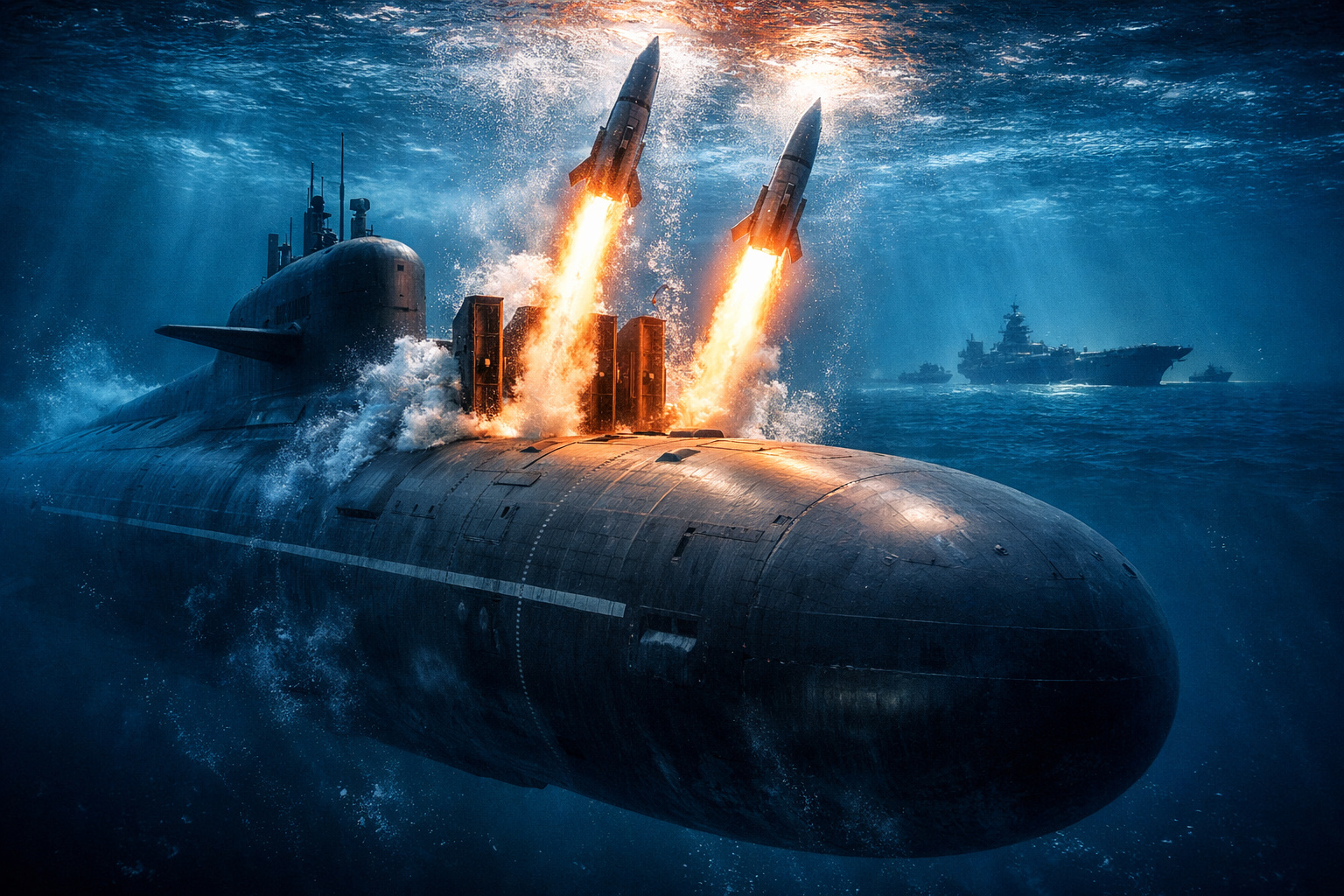
Nuclear Submarine Perm Is The First In The World Designed To Operate With The Hypersonic Zircon Missile And Integrates The New Generation Of The Russian Yasen-M Fleet.
Nuclear Submarine Perm: Russia Launches The First Submarine In The World Designed To Operate With Hypersonic Zircon Missiles: On March 27, 2025, Russian President Vladimir Putin personally attended the launch of a new nuclear submarine at the Sevmash shipyard in Severodvinsk, in northern Russia. Under snow and in front of military officials and shipyard workers, the submarine Perm, approximately 130 meters long, slowly slid into the White Sea during the official ceremony. The speech was similar to many other strategic pronouncements from the Kremlin: defense of sovereignty, maritime security, and strengthening of the Russian nuclear fleet. However, the true significance of that launch lay in the weapon system the submarine carries.
The Perm has become the first nuclear submarine in the world designed from the outset to operate with the hypersonic Zircon missile as standard armament, a system capable of reaching speeds over Mach 8 and which, according to military analysts, represents a significant shift in the global naval balance. Western estimates indicate that each submarine of the Yasen-M class costs between US$ 1.5 billion and US$ 2 billion, making the program one of the most expensive naval projects of modern Russia.
Origin Of The Yasen Program: The Soviet Project Created To Counter American Aircraft Carriers
To understand the importance of the Perm, it is necessary to return to the Cold War period. During the 1960s and 1970s, the Soviet Union faced a significant strategic challenge at sea: the aircraft carrier strike groups of the United States Navy. These naval groups were capable of operating thousands of kilometers from the Soviet coast and launching airstrikes against strategic targets before any land-based defense could react.
-
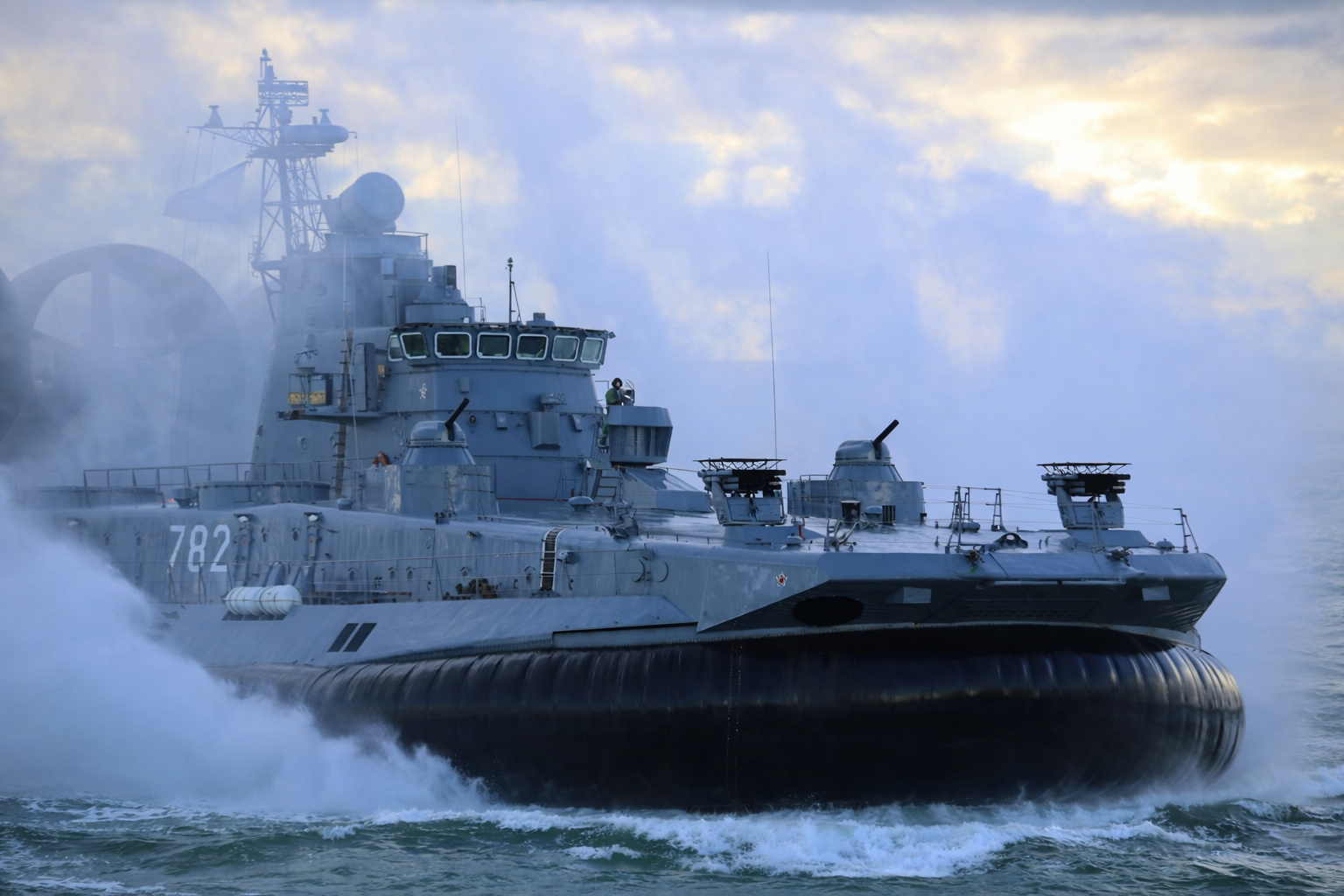
Classified as a “amphibious monster” weighing 555 tons, 57 meters long, and featuring three propellers with a diameter of 5.5 meters, the Zubr is the largest military hovercraft ever built, capable of transporting 3 tanks or 500 soldiers at speeds exceeding 100 km/h over water, ice, and sand, and China has resumed production of it to project power in the South China Sea.
-
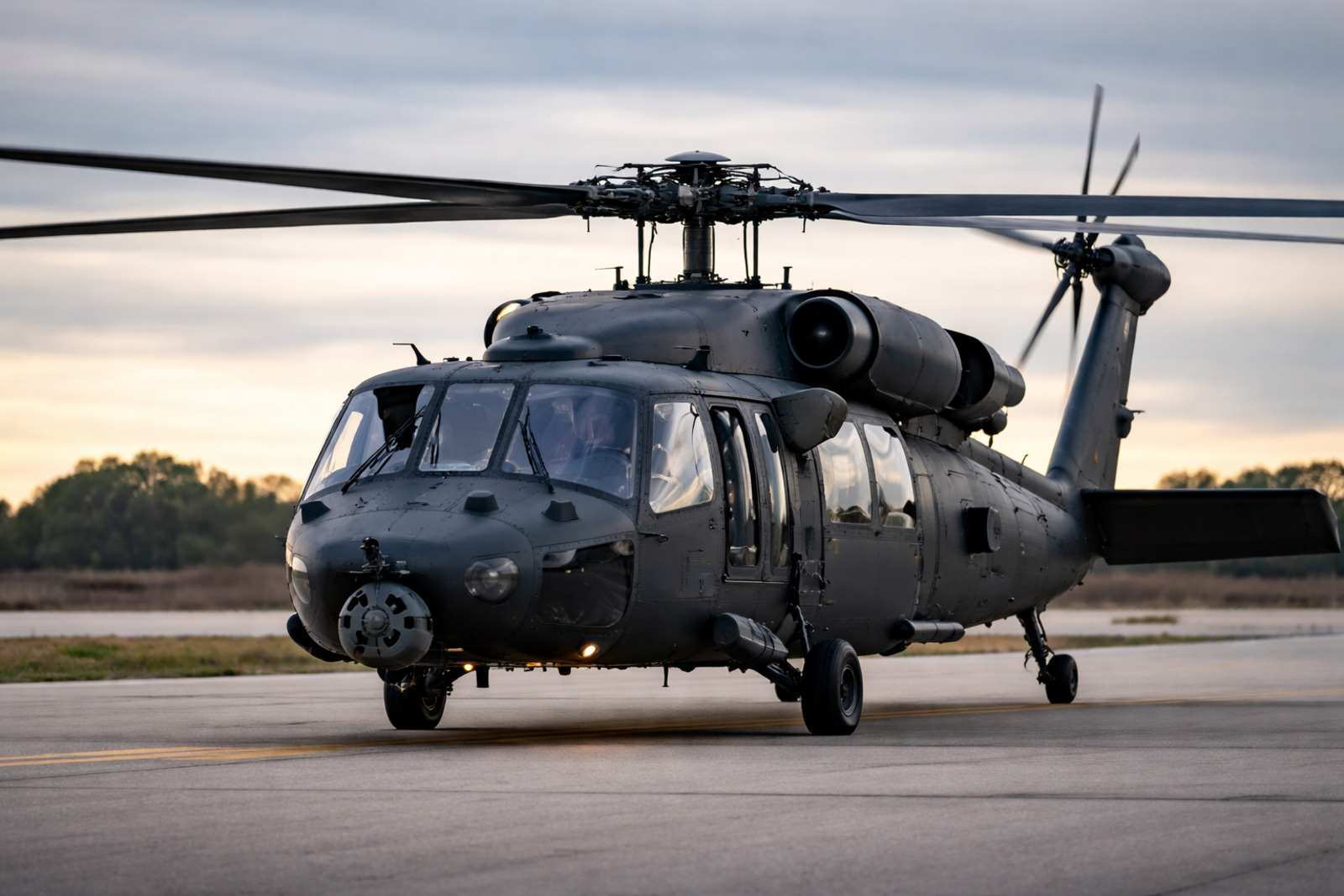
The U.S. Army receives the first Black Hawk helicopter that can fly without pilots, be controlled by a tablet, and even land on its own during high-risk missions.
-
With 11,000 tons and sensors capable of hunting submarines at long distances, the Type 055 has become one of the most feared floating arsenals of the Chinese navy.

-
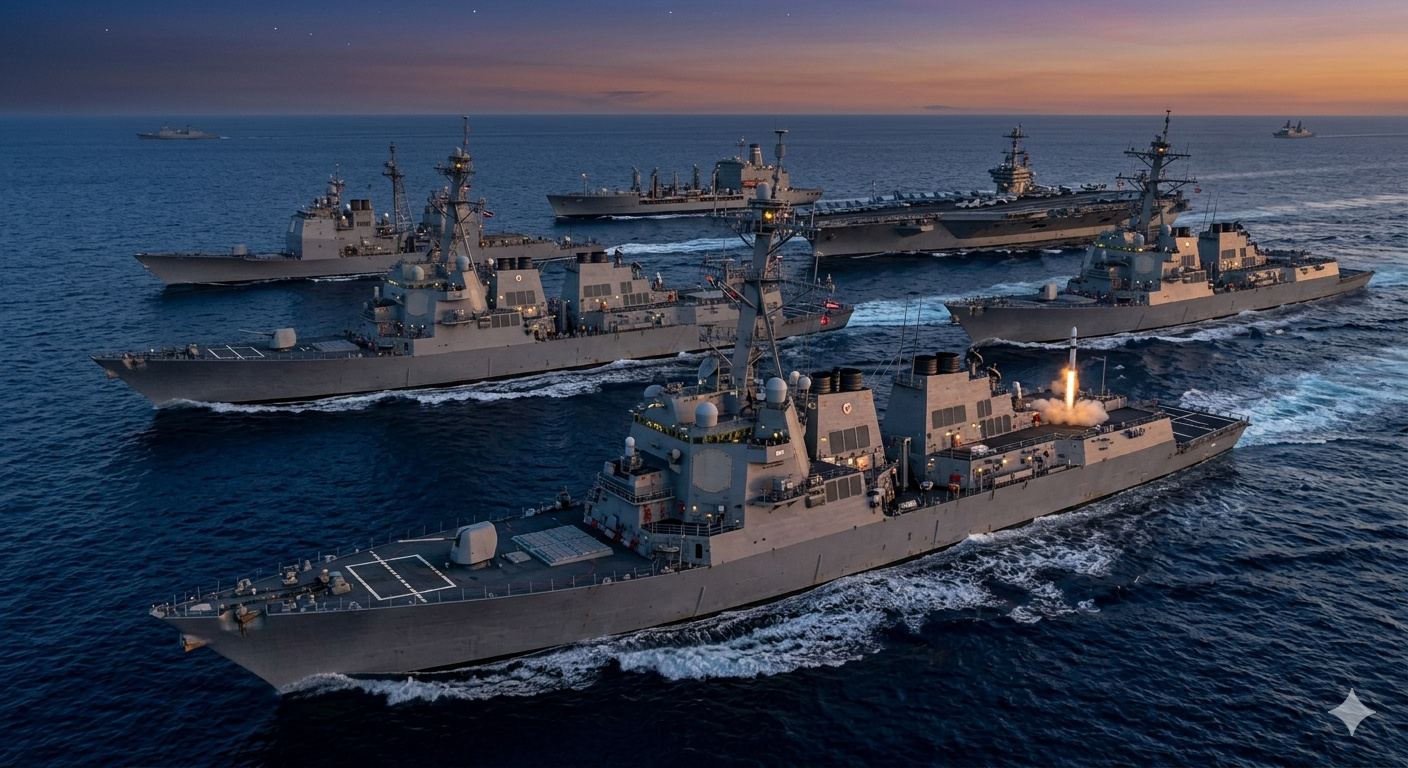
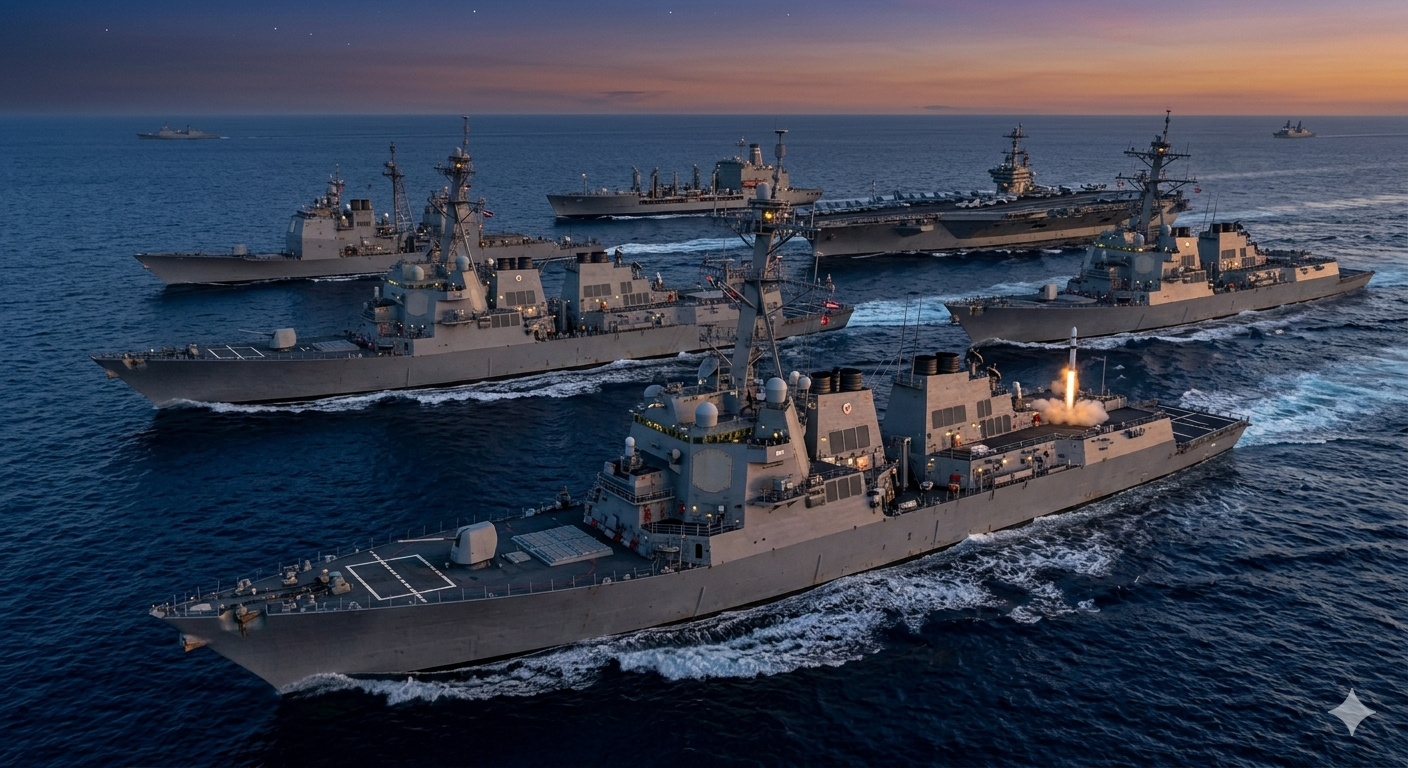
With over 15,000 tons, radars capable of tracking hundreds of targets simultaneously, and more than 120 missiles ready for launch in seconds, modern destroyers cease to be escorts and begin to dominate the naval battlefield.


In response, Moscow began developing submarines specialized in destroying aircraft carriers. An example of this strategy was the Oscar-class submarines, giants weighing over 24,000 tons, equipped with up to 24 P-700 Granit anti-ship missiles.
These submarines were designed to launch massive attacks against a single naval target, overwhelming the defenses of an American strike group.
The problem was that they had an extremely specific function. With the collapse of the Soviet Union in 1991, engineers at the Malakhit design office were already working on a more versatile solution: the Project 885 Yasen, a submarine capable of performing multiple functions — anti-submarine warfare, surface ship attack, and land target strikes.
The Impact Of The Soviet Collapse On The Development Of The Yasen Nuclear Submarine
The first submarine of the class, the Severodvinsk, began construction in 1993 at the Sevmash shipyard. However, the project faced enormous financial difficulties during the 1990s. The Russian military budget plummeted after the collapse of the Soviet Union. In 1989, Soviet defense spending exceeded US$ 240 billion annually. By 1994, it had fallen to less than US$ 14 billion.
With scarce resources, construction nearly stopped. Internal reports indicate that in 1996 the submarine was less than 10% completed, and the situation remained almost unchanged for several years.
Work resumed only in the early 2000s when rising oil prices brought new resources to the Russian government. After more than two decades of development, the Severodvinsk finally entered service in 2014, becoming the first operational submarine of the Yasen class.
Yasen-M: The New Generation Of Russian Nuclear Submarines
Russia later developed a modernized version of the project, known as Yasen-M (Project 885M). This new version includes several significant structural changes. The hull was reduced to about 130 meters long, which decreased production costs and improved hydrodynamic efficiency.
The propulsion system was also updated with the KTP-6-185SP nuclear reactor, a pressurized water reactor with an estimated power of 200 megawatts. One of the most relevant features of this reactor is the use of natural coolant circulation, reducing the need for mechanical pumps.
This is crucial in submarine warfare because pumps generate noise. Less noise means a lower likelihood of detection by enemy sonar. The extremely low acoustic signature is considered one of the most important factors for the survival of modern nuclear submarines.
Yasen-M Weapon System: Attack Capability With Up To 40 Missiles
Behind the submarine’s command tower, vertical launch system (VLS) tubes are installed, capable of carrying different types of armaments.
Among them are:
- Kalibr cruise missiles
- Onyx anti-ship missiles
- Zircon hypersonic missiles
Depending on the mission configuration, a single Yasen-M submarine can carry 32 to 40 cruise missiles, in addition to heavy torpedoes and naval mines. The Kalibr missile gained international notoriety after being used by Russia in attacks during the war in Ukraine. It is estimated to have a range between 1,500 and 2,500 kilometers, allowing precision strikes against land targets from submerged positions.
The Onyx missile, in turn, is designed for naval combat, reaching supersonic speeds and achieving a range of about 600 kilometers. But the system that truly sets the Perm apart is the Zircon.
Hypersonic Zircon Missile: Speed And Scramjet Technology
The 3M22 Zircon is a hypersonic missile equipped with a scramjet engine, a type of propulsion that uses the airflow at hypersonic speeds to produce combustion. This allows the missile to maintain extremely high speeds during flight. Russia claims that the Zircon can reach Mach 9, approximately 11,000 km/h.
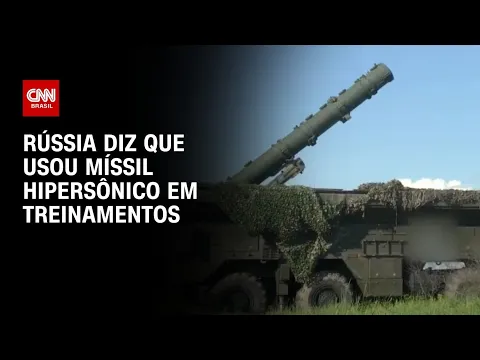
Western analysts estimate that the actual operational speed may be between Mach 5 and Mach 6, still much higher than most existing cruise missiles. Even in the most conservative estimate, the Zircon remains one of the fastest naval missiles ever developed.
Its range can vary between 500 and 1,000 kilometers, depending on the flight trajectory. This combination of speed and range drastically reduces the response time of enemy defenses.
Submarine Perm: The First Designed To Operate With Zircon From The Start
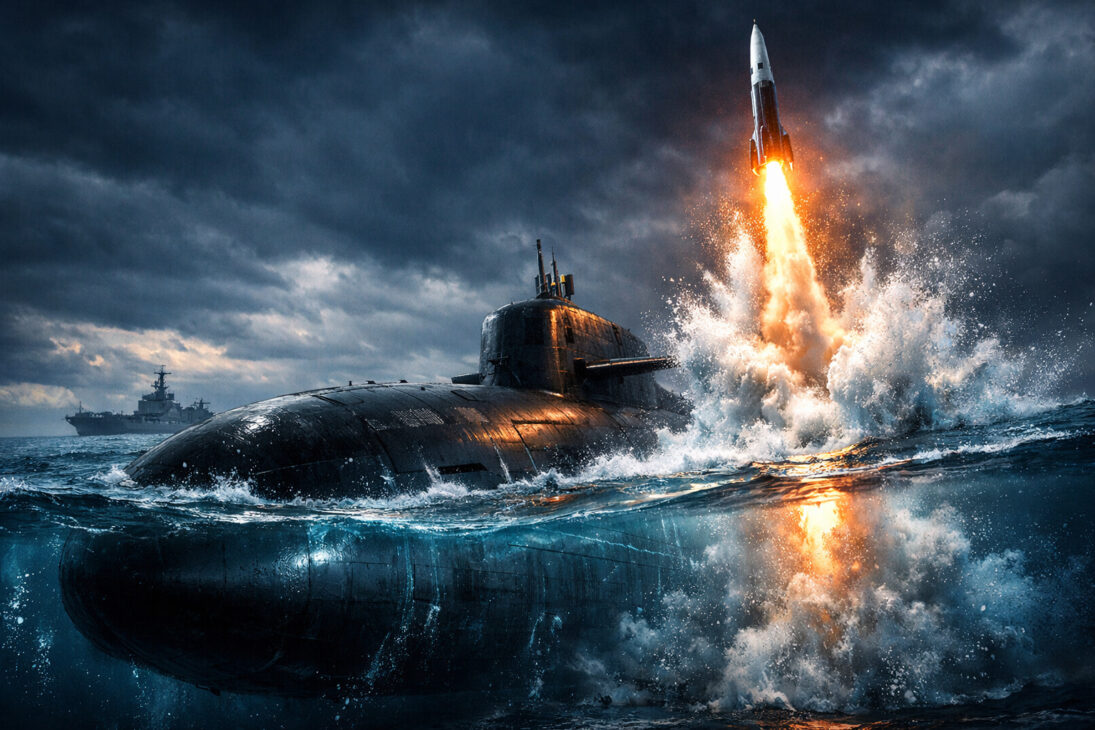
Although previous Yasen-M class submarines are capable of using the Zircon, the Perm was the first built with full system integration from the design phase.
This means that its launch systems, fire control, and cooling have been specifically adapted to operate with hypersonic missiles.
This structural integration is considered an important evolution in the architecture of modern attack submarines. The Perm is expected to officially enter service in the Russian Pacific Fleet around 2026, following the completion of operational tests.
Expansion Of The Yasen-M Fleet And Goals Of The Russian Navy
So far, Russia has several Yasen-M submarines at different stages of operation or construction.
Among them are:
- Kazan
- Novosibirsk
- Krasnoyarsk
- Arkhangelsk
Other submarines, such as Ulyanovsk, Voronezh, and Vladivostok, are still under construction at the Sevmash shipyard. The official goal of the Russian Navy is to operate 11 submarines of the Yasen class, most of which are the modernized Yasen-M version.
Strategic Impact Of The Yasen-M On The Global Naval Balance
The emergence of submarines equipped with hypersonic missiles raises new strategic questions for NATO. Traditionally, the defense of aircraft carrier strike groups operates in multiple layers:
- air patrol with embarked fighters
- destroyers equipped with anti-missile missiles
- short-range defense systems
However, hypersonic missiles such as the Zircon significantly reduce the reaction time of these defenses. The United States Navy has publicly acknowledged that it does not yet have a fully proven system to intercept hypersonic missiles in a naval environment.
This does not mean that these systems are invincible, but it shows that defensive technologies are still evolving to keep up with this new generation of weapons.
Sanctions And Industrial Challenges Of The Yasen-M Program
Another important factor is that the Yasen-M program is being developed amid strong economic sanctions against Russia. Since 2022, several Russian companies in the naval sector, including the Sevmash shipyard, have been placed on international sanctions lists.
These restrictions hinder access to advanced electronic components, sensors, and high-precision industrial equipment. Nevertheless, the production line remains active.
Sevmash remains the only shipyard in Russia capable of building nuclear submarines, and its operation is considered strategic for the country.
What The Perm Represents For Russian Naval Strategy
The launch of the Perm symbolizes more than just the delivery of a new submarine. It represents the continuity of a military project initiated during the Soviet era, interrupted during the economic crisis of the 1990s, and resumed in the following decades.
The introduction of nuclear submarines equipped with hypersonic missiles indicates a new stage in the naval technological race between great powers. For military analysts, the presence of these submarines requires Western navies to revisit their naval defense strategies and anti-missile systems.
While it does not single-handedly determine the outcome of any future conflict, the Perm demonstrates how technologies designed decades ago continue to evolve and influence the strategic balance of the oceans in the 21st century.








Seja o primeiro a reagir!