





 Portuguese
  English
  Spanish
  4 min of reading
  0 comments


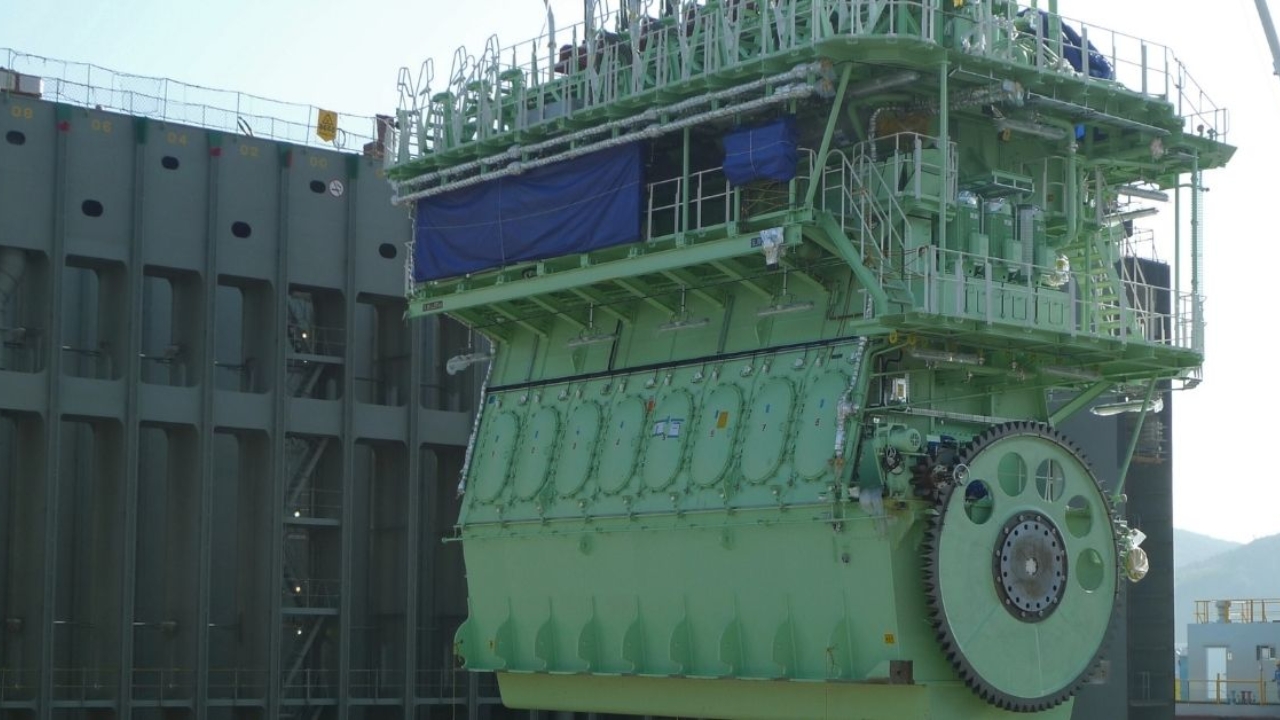
The Largest Marine Engine Ever Created Delivers 109,000 Horsepower, Weighs More Than a Plane, and Burns Liters Per Second to Move Giant Ships of Almost 400 Meters Across the Oceans
The Wärtsilä Sulzer RTA96C is considered one of the most impressive feats of modern naval engineering. It delivers torque forty thousand times greater than that of a popular car and weighs more than a fully loaded Boeing 747. Its numbers may seem exaggerated at first glance, but they are real and reflect the massive scale of the cargo ships it needs to move.
This engine develops 109,000 horsepower. Its consumption is equally monumental, reaching fourteen tons of fuel per hour. Even so, it achieves thermal efficiency superior to that of many modern automotive engines. About fifty percent of the energy generated by burning fuel is transformed into effective movement.
The Finnish company Wärtsilä designed the RTA96C to equip supertankers and container ships. The first ship to receive it was the Emma Maersk, launched in 2006. With almost four hundred meters in length and over one hundred seventy thousand tons of gross weight, it only moves efficiently thanks to the colossal power of the engine.
-
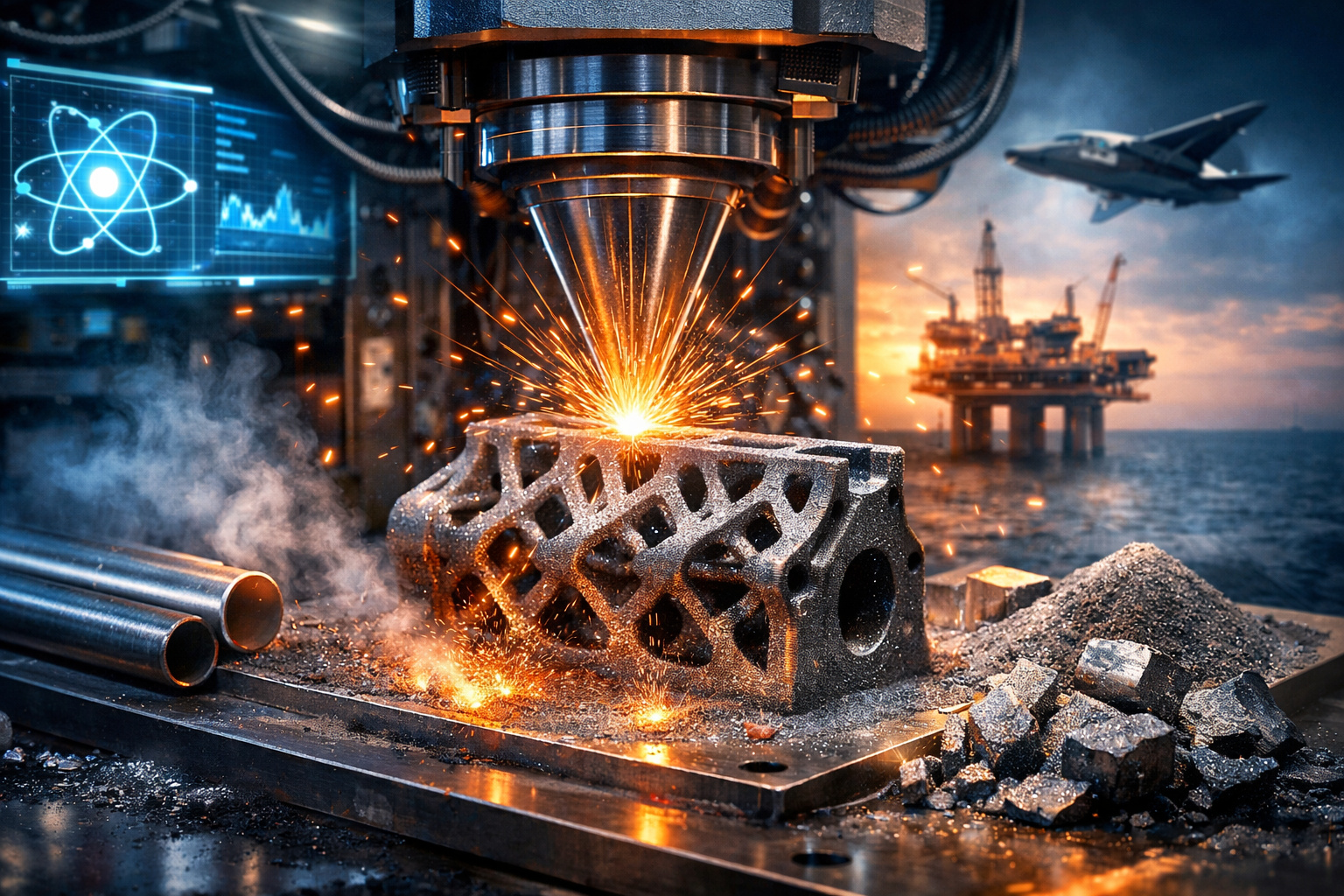
Scientists use artificial intelligence to create nearly indestructible steel that does not rust and could change the way industrial energy and oil parts are produced.
-
Instead of buying new electric trucks, India is removing the diesel engines from old vehicles and installing electric propulsion for 40% of the price, and this simple idea could be the solution that polluted megacities around the world have been waiting for.

-
Circles in the Sahara plantations: ISS reveals Sharq El Owainat, in Egypt, irrigated by a center pivot with water from the Nubian Sandstone Aquifer, growing between 1998 and 2019, 290 km from the nearest city.

-
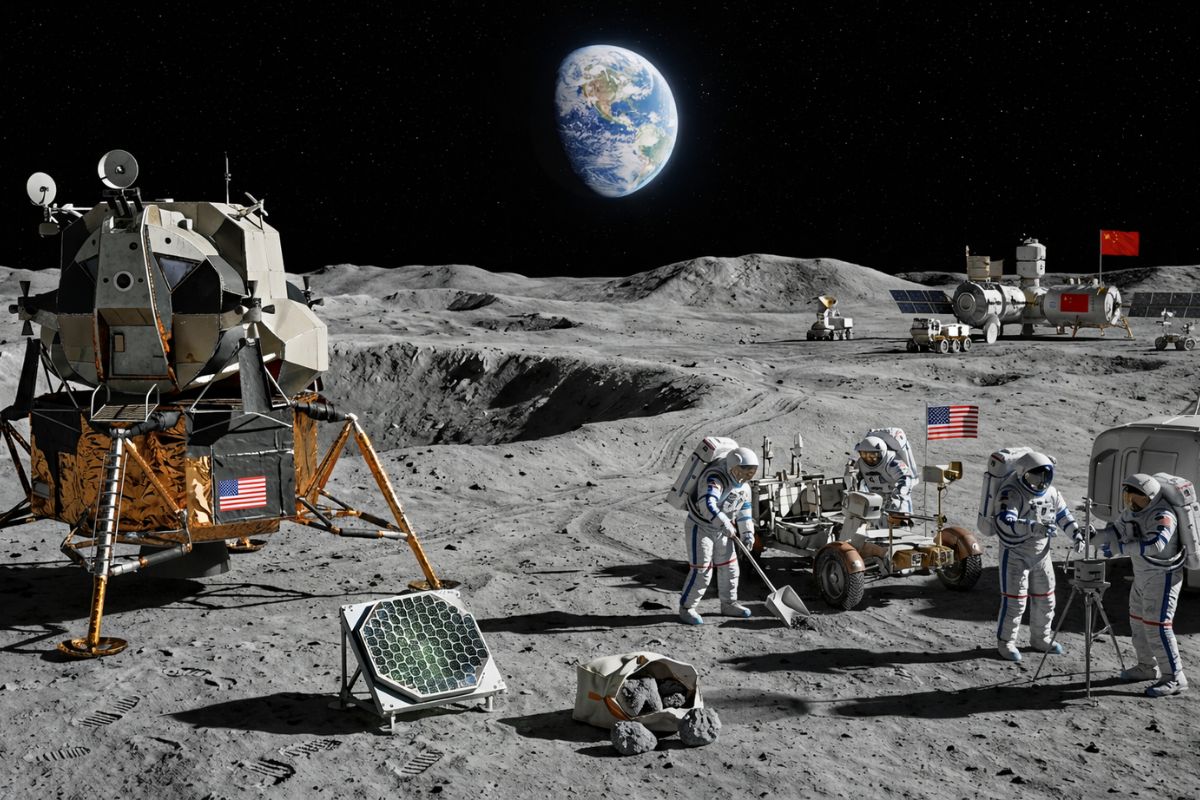
40% still call it a fraud: Soviets monitored Apollo, mirrors on the Moon still return lasers today and rocks confirm it; in 2026, 4 astronauts will return to lunar orbit and the race restarts against China.
Impressive Dimensions and Features
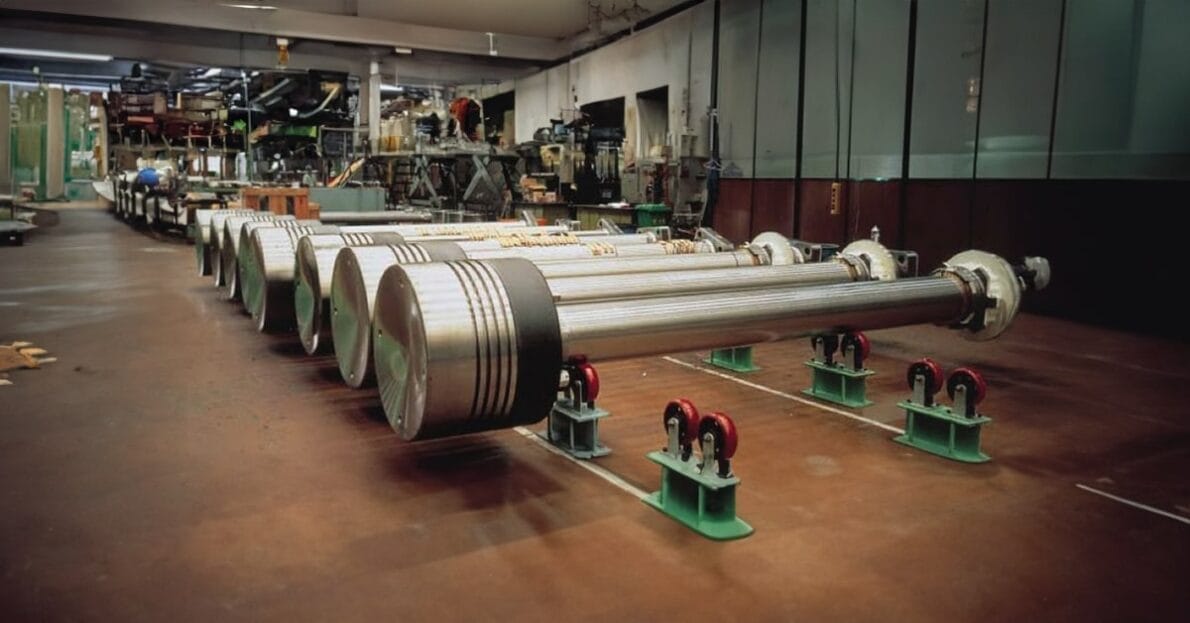
The size of the RTA96C catches the attention of anyone who enters the engine room of a ship of this size. The structure measures twenty-seven meters in length and thirteen and a half meters in height, equivalent to a five-story building. The crankshaft weighs three hundred tons. The pistons exceed one meter in diameter. The connecting rods have proportions comparable to that of tree trunks.
The operation of the engine occurs at very low rotations. At the one hundred two revolutions per minute at which it delivers its maximum power, the torque reaches over seven million six hundred thousand Newton-meters. This value is far above any reference used in the automotive or heavy industry sector.
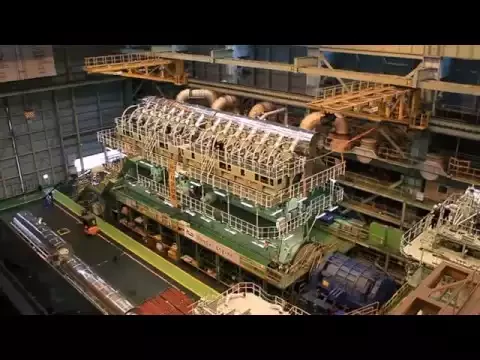

The total displacement is also impressive. It is twenty-five thousand four hundred eighty liters distributed across fourteen cylinders. Each cylinder exceeds one thousand eight hundred liters in volume. For comparison, a popular car usually has around one liter of total displacement.
The manufacturing of this engine takes months and, in many cases, up to a year. The cost can reach twenty-five million dollars. After installation on the ship, deep maintenance is performed every three years. These stops require partial disassembly, special cranes, and full teams of engineers and naval technicians.
Consumption, Efficiency, and Environmental Impact
The RTA96C consumes three point eight liters of fuel per second at maximum load. This corresponds to the fourteen tons per hour described in the technical specifications. At higher efficiency regimes, this consumption can be halved, although it still represents numbers far above any other means of transportation.
This type of engine uses heavy fuel oil, a highly polluting derivative. Emissions of sulfur oxides, nitrogen oxides, and fine particles are high. European studies indicate that the fifteen largest cargo ships in the world, all equipped with similar engines, emit more sulfur than the entire global fleet of automobiles.
The International Maritime Organization implemented new rules in 2020 that limited the sulfur content allowed in marine fuel. In response, companies in the sector began installing purification systems, adopting low-sulfur fuels, and investing in dual fuel technologies.
Despite these limitations, the RTA96C is crucial for global trade. The Emma Maersk can carry over fourteen thousand twenty-foot containers. This is equivalent to the load of about ten thousand trucks. The reliability of the engine allows for long ocean crossings without the need for urgent interventions.
Complete overhauls are performed in dry docks and include the inspection of components such as pistons, connecting rods, and crankshaft. The process requires months of planning and involves highly qualified technical teams that remain on board throughout the operation of the ship.
Operational Costs and Ongoing Maintenance
Operating an engine of the size of the RTA96C is expensive. The global average price of heavy fuel oil is around six hundred dollars per ton. One hour of navigation can cost over eight thousand dollars just in fuel. In a thirty-day crossing between Asia and Europe, operating about twenty hours a day, expenses exceed five million dollars.

The deep maintenance performed every three years costs between one point five and three million dollars. The value varies according to the region, availability of parts, and the complexity of disassembly. Giant components, like the three hundred-ton crankshaft, require special tools and equipment just to be removed.
The total life cycle cost of the engine, considering fuel, specialized labor, maintenance, and replacement parts, exceeds one hundred million dollars over twenty-five years. This calculation also includes the initial manufacturing cost, which can reach twenty million.
Even with all these expenses, the Wärtsilä Sulzer RTA96C remains one of the most efficient and reliable engines ever produced for large-scale navigation. It sustains a significant part of global maritime trade and stands as a benchmark in naval engineering. The search for cleaner and more powerful alternatives is advancing, but, for now, no system delivers the same combination of power, durability, and efficiency.









-

-

-

-

21 pessoas reagiram a isso.