





 Portuguese
  English
  Spanish
  7 min of reading
  0 comments


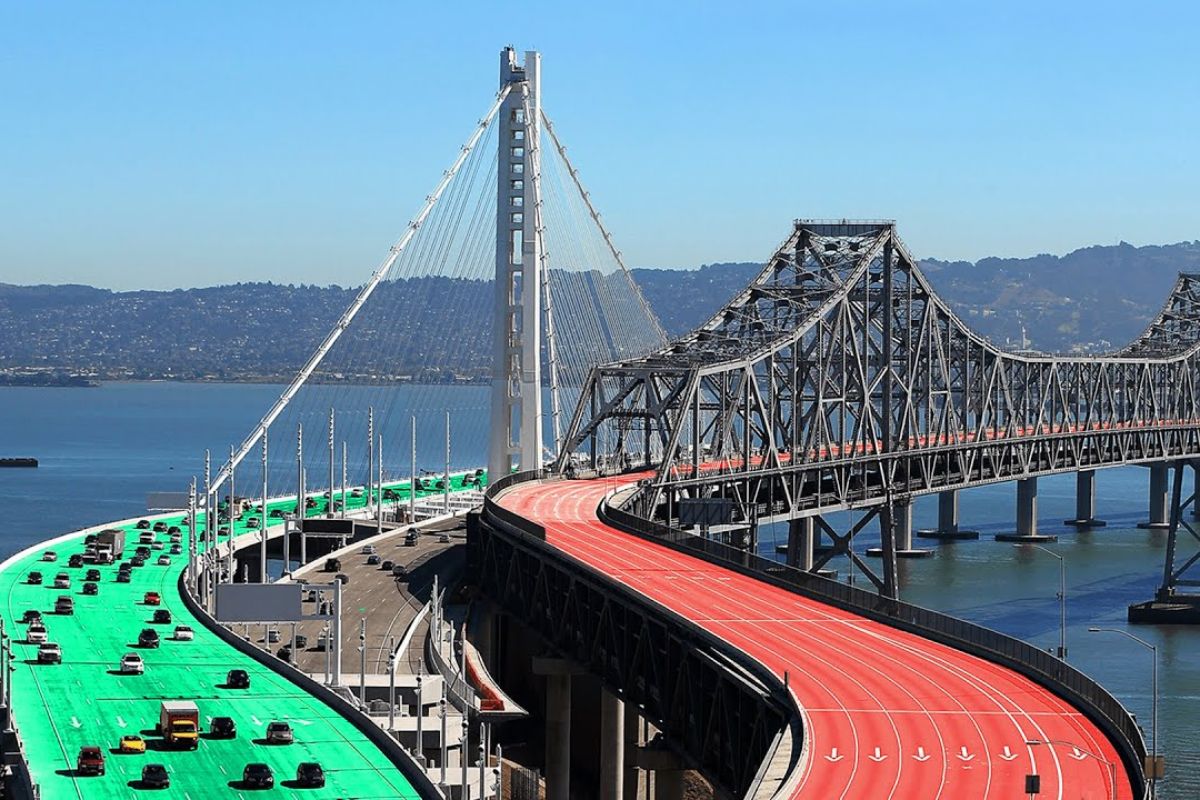
From Luxury Skyscrapers Never Inhabited to Delayed Tunnels and Bridges, the Most Expensive Construction Errors in the World Involving Millennium Tower, Hotel Harmon, Hallandsås Tunnel and San Francisco-Oakland Bay Bridge Reveal Design Flaws, Insufficient Supervision and Disastrous Planning in Large Public Works Around the Planet.
What seemed synonymous with progress has become synonymous with waste. In different countries and contexts, the most expensive construction errors in the world show how misguided decisions regarding ground, foundation, licensing, risk management, and governance can undermine decades of investment and directly impact public trust in large projects.
When analyzing implosions of newly constructed skyscrapers, tunnels that took over twenty years to complete, bridges rebuilt at multiplied prices, and hotels disassembled before opening, it becomes clear that the most expensive construction errors in the world are not isolated accidents, but the result of a chain of technical, regulatory, and business failures that repeat at different scales.
When 15 Skyscrapers Become Rubble: The Collapse of the Starlight City of Liyang

In the Chinese city of Kunming, the second phase of the Starlight City of Liyang was intended to be a large residential and commercial complex.
-
It seems simple, but it enriches: from R$ 500 to R$ 6,000 per piece and up to 10 days of handcrafted production, how is the couple from Praia Grande making a high income with hyper-realistic miniatures and turning a hobby into a money-making machine?

-
Artisanal well erupts with water in the sertão of Bahia, revealing a surprising flow with six active fissures underground and changing the landscape in the Bahian semi-arid region.
-
NASA published a photo taken from space of a mountain range in the interior of Goiás, and the whole world wanted to know what it was: beneath it lies the largest hot water spring on the planet, with temperatures reaching 70 degrees in the middle of the Cerrado.
-
A thermal block costing only R$ 0.40 catches attention by reducing heat by up to 80% using recycled styrofoam, a common kitchen ingredient, and a manual technique capable of producing 50 blocks from a single bag of cement.


It consisted of 19 tall buildings distributed across four large plots, designed to create a new urban axis.
The change of control of the project, just one year after work began, was the first warning sign.
The construction progressed unevenly, four towers were completed, but the other 15 remained as skeletons.
With work halted in 2013 due to financial issues, basements flooded with rainwater began to compromise the foundations, rendering the structures unviable.
When a new real estate group bought the asset, in 2020, the diagnosis was harsh: those eight-year-old towers no longer met market needs or expected technical conditions.
The solution was extreme and costly.
More than four tons of explosives were positioned to bring down, in 45 seconds, 15 unused skyscrapers, in an episode that went down in history as the largest simultaneous demolition ever carried out in China and one of the symbols of the most expensive construction errors in the world.
The Luxury Tower That Sinks and Cracks: The Millennium Tower Case in San Francisco

The Millennium Tower was launched in 2009 as a high-end residential icon in San Francisco, standing nearly 200 meters tall with units sold for values reaching tens of millions of dollars.
On paper, the venture seemed flawless. In practice, it became one of the most expensive construction errors in the world.
Just a few years after its opening, residents discovered that the tower was sinking and leaning.
The foundation had been supported on deep layers of sand, not directly on bedrock, which was insufficient to support the weight of the skyscraper.
In about seven years, the tower sank several centimeters and began to show noticeable lean at the top, with reports of creaking, popping, and even window breaking on higher floors.
A chain of lawsuits formed: the city, the homeowners’ association, developers, and those responsible for neighboring construction exchanged accusations.
The technical solution defined was the installation of dozens of new piles reaching many meters deep into the bedrock, in a reinforcement expected to cost around US$ 100 million.
Even so, the interventions were suspended again after new measurements indicated further sinking and increased lean, increasing the reputational and financial cost of the case.
Nuclear Energy, Delays and Budget Multiplied: Olkiluoto 3 in Finland

In Finland, the third reactor of the Olkiluoto plant was born with a clear goal: to significantly increase the share of nuclear energy, reduce coal use, and meet electrical demand with more modern and efficient technology.
The project began in 2005 and was expected to commence operations in 2010.
In practice, the work became a classic example among the most expensive construction errors in the world.
Concrete foundations redone due to execution problems, poorly forged metal parts, untrained welders, and slow, complex documentation pushed the schedule back by over a decade.
The main buildings were completed, but the installation, certification, and integration of the nuclear components took additional years.
The result was a massive deviation: a budget that started at a few billion dollars was now estimated at nearly four times that, factoring in delays, rework, commercial disputes, and the need to meet stringent nuclear safety standards.
A reactor designed to be a technological showcase ended up listed among the most expensive construction errors in the world.
Railway Tunnel, Fragile Rock and Toxic Sealant: Hallandsås in Sweden

The Hallandsås tunnel in Sweden was designed to resolve a critical railway bottleneck on the West Coast Line, between Gothenburg and Copenhagen.
The idea was simple: replace a single-track section over a rocky ridge with two modern tunnels, increasing capacity, safety, and train frequency.
But the ground did not cooperate.
Right at the beginning, groundwater began to inundate the excavation front in volumes much greater than expected, revealing softer, more fragile rock than anticipated.
A drill even broke, traditional drilling methods aggravated leaks, and the first contractor went bankrupt.
The new contractor, in an attempt to seal the leaks, used a toxic compound without proper precautions, resulting in the death of livestock, fish mortality, and worker illnesses.
The project was halted in 1997, with just over a third of the tunnel excavated.
Only eight years later were the works resumed, with new machines, new practices, and an expensive lesson in environmental engineering.
When finally completed in 2015, the tunnel had accumulated 23 years of history and a final cost about ten times higher than originally projected, securing its place among the most expensive construction errors in the world.
The San Francisco Bay Bridge and the East Span That Became a Money Drain

After the Loma Prieta earthquake in 1989, which damaged the San Francisco-Oakland Bay Bridge, it was clear that the roadway system needed reinforcement.
Instead of merely reinforcing the existing structure, officials decided to replace the east span with a new self-supporting bridge, featuring a bolder design and promises of enhanced seismic safety.
However, the complexity of the project brought a series of failures.
Broken stability bars, guardrails subject to corrosion, misaligned deck sections, and questioned welds required re-manufacturing, extensive corrections, and detailed quality investigations.
The project dragged on for 11 years and became the most expensive infrastructure project in California up until that point.
What started with a budget just above US$ 1 billion skyrocketed to an estimate of over US$ 7 billion, not counting all indirect costs of maintenance, oversight, and revision.
One of the largest symbols of mobility in the region has definitively entered the list of the most expensive construction errors in the world, showing how design decisions and quality control have a direct impact on public finances.
A Luxury Hotel That Never Opened Its Doors: The Harmon Case in Las Vegas

In the mega-development CityCenter in Las Vegas, the Harmon Hotel was planned as the centerpiece of a high-end “city” on the Strip, uniting hospitality and residences in a tower over 130 meters tall, with a rooftop pool and complete integration with the shopping and entertainment complex.
Construction began in 2007 with an estimated budget in the hundreds of millions of dollars.
However, inspections identified serious flaws in the steel framing meant to stabilize the 49 floors, leading to work being halted on the 28th floor.
The residential component was eliminated, refunds had to be paid to buyers, and the building was wrapped in glass, temporarily serving as media.
Subsequent reports indicated that the Harmon might not withstand a significant earthquake. The solution was not to reinforce it, but to demolish it.
Due to being surrounded by other buildings, the skyscraper had to be dismantled floor by floor, in a costly and time-consuming process, taking about a year.
Adding the cost of partial construction, litigation, and demolition, the bill exceeded hundreds of millions of dollars for a hotel that never hosted a guest, solidifying Harmon as one of the most expensive construction errors in the world.
What These Failures Teach Us About Large Works and Risk Management
Looking collectively at these cases, a pattern repeats.
Oversized projects, political pressure for unrealistic deadlines, underestimation of geological and environmental risks, frequent scope changes, and oversight failures appear as central factors in the most expensive construction errors in the world.
More than just curious stories, these episodes serve as learning dossiers.
They reinforce the need for detailed soil investigation, realistic planning, contractual transparency, strong technical governance, and a safety culture, especially in works with direct impact on thousands of people.
Every imploded skyscraper, every delayed tunnel, and every bridge exceeding budget represents resources that could have been invested in schools, hospitals, everyday transportation, and basic infrastructure.
And you, in your opinion, which of these cases best symbolizes the most expensive construction errors in the world – and which other famous project do you think should also be on this list?







-

-

-

4 pessoas reagiram a isso.