





 Portuguese
  English
  Spanish
  6 min of reading
  0 comments


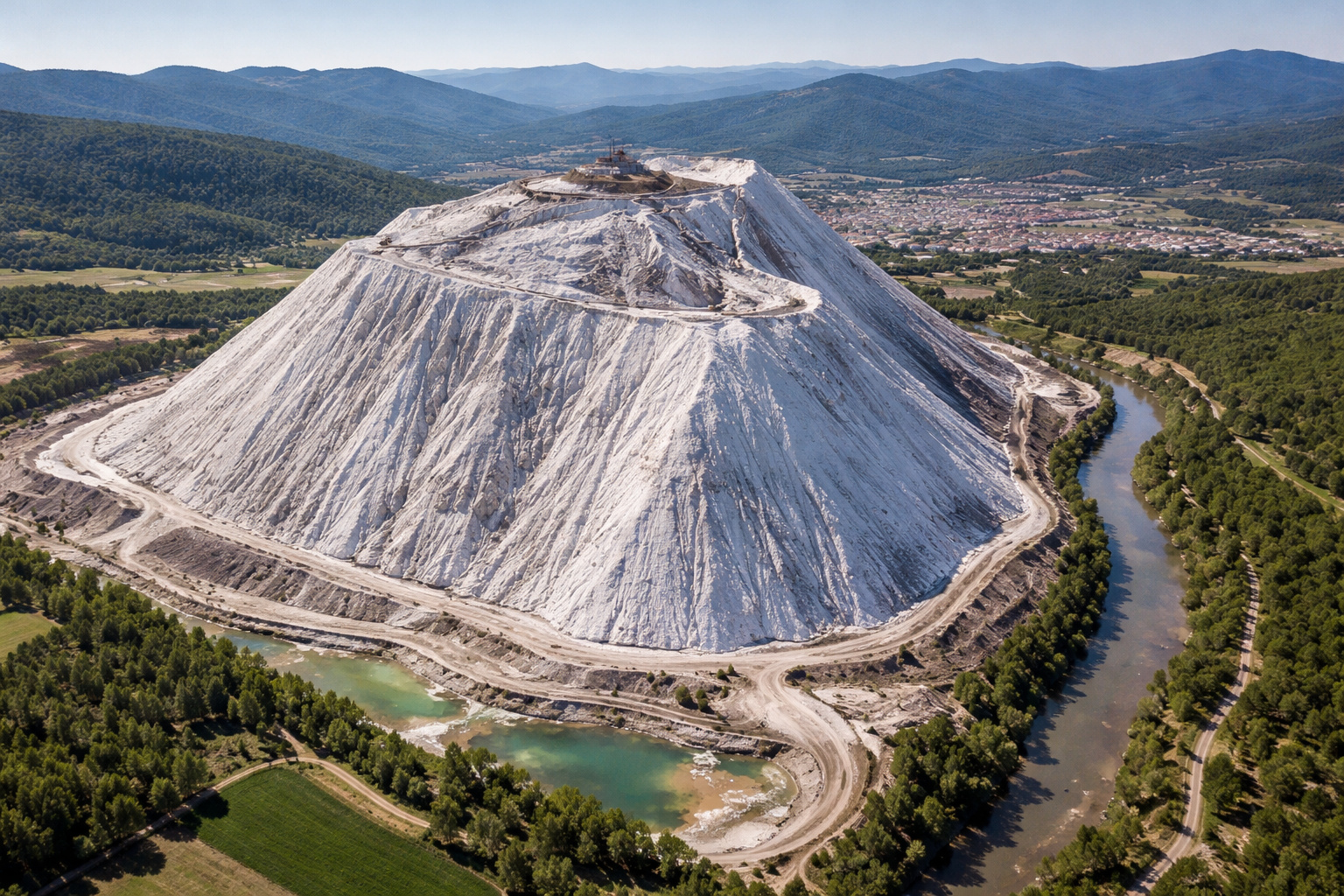
Mount Of Salt El Cogulló: The Pile Of Potash Waste That Exceeds The Natural Mountain In Sallent And Salinizes The Llobregat River For More Than A Century
In the region of Sallent, Catalonia, in northeastern Spain, there is an industrial structure that has permanently altered the landscape of the Llobregat River valley. It is not a dam, a mine, or an underground deposit. It is a mountain of mineral waste accumulated over more than a century of potash mining. The pile is known as El Cogulló, although it is also popularly called Montsalat, the “Salt Mountain.”
Seen from a distance, the structure looks like a white massif rising above the landscape of the Bages region. The material that makes up this artificial mountain is a mixture of sodium chloride and other residual salts, a direct result of the potash extraction process used in agricultural fertilizer production. Over the decades, the accumulated volume has become so large that the waste pile has already exceeded the height of the natural hill El Cogulló, which is 474 meters above sea level and originally gave the site its name.
Today, this accumulation of waste is considered the largest visible pile of saline waste in Europe, an extreme example of how industrial mining can transform entire landscapes and create persistent environmental impacts for generations.
-
How 5,000 Indian dabbawalas manage to deliver around 200,000 lunchboxes a day in Mumbai for over 130 years using bicycles, crowded trains, and a manual system that continues to operate with impressive accuracy.

-
While restoring a historic mansion from 1910, a brick structure with an old turbine that generated energy from the Rio do Testo emerged, along with a hidden door and a rare floor concealed under layers of wax.
-
Italian researchers have detected what appears to be a second Sphinx buried under the sands of Egypt, and satellite scans reveal a gigantic underground megastructure hidden beneath the Giza Plateau for over 3,000 years.

-
There are 4,223 drums and 1,343 metal boxes concreted with 50-centimeter walls that store the radioactive waste from Cesium-137 in the worst radiological accident in Brazil, just 23 kilometers from Goiânia, with environmental monitoring every three months.

Sallent Potash Mine Drives European Agriculture Since The Early 20th Century
The origin of this artificial mountain is directly linked to the mining of potash, a potassium-rich compound primarily used in fertilizer production. The discovery of potash salt deposits in the Bages region occurred in 1912, and a few years later, the first industrial explorations began.
Potassium is one of the three essential nutrients for plant growth, alongside nitrogen and phosphorus. Therefore, potash mining has become a strategic activity for modern agriculture. The production from the Catalan region helped supply European agriculture throughout much of the 20th century.
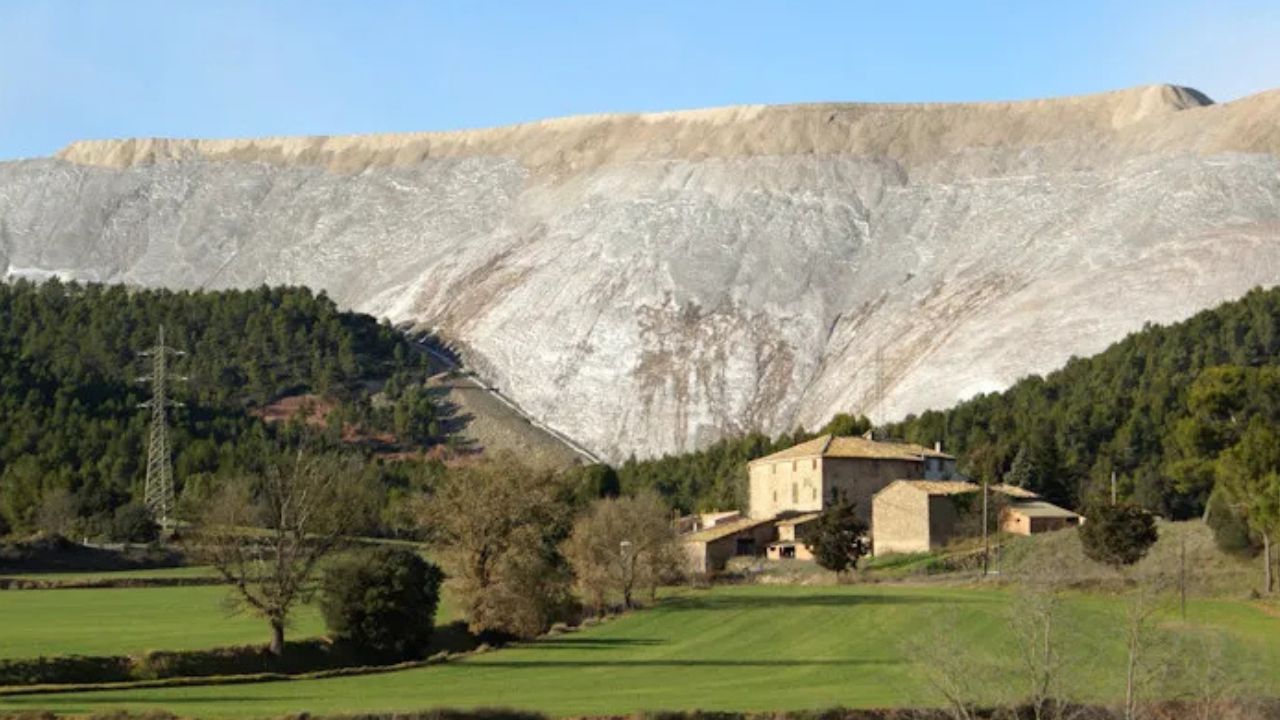
The extraction process involves removing rocks rich in potash salts from underground and processing them to separate the commercially useful mineral. The problem is that the ore contains a large amount of material that cannot be used. Most of this residual mass consists of common salt and other dissolved salts, which remain after potash extraction.
For every ton of potash extracted, several tons of saline waste are generated. Since these materials have no significant commercial value and cannot be disposed of directly into the environment, the historically adopted solution has been to accumulate them in large piles next to the mines.
Thus, the waste pile El Cogulló was born.
How The El Cogulló Pile Became The Largest Visible Accumulation Of Salt In Europe
With the advancement of mining over the decades, the amount of waste produced has continuously grown. The material was transported to an area next to the mine and deposited in successive layers. Year after year, this pile has increased in volume until completely transforming the region’s relief.
Today, it is estimated that the pile contains tens of millions of tons of saline waste accumulated since the beginning of industrial exploitation. The area occupied by the deposit extends over dozens of hectares, creating an artificial landscape that visually dominates the valley.
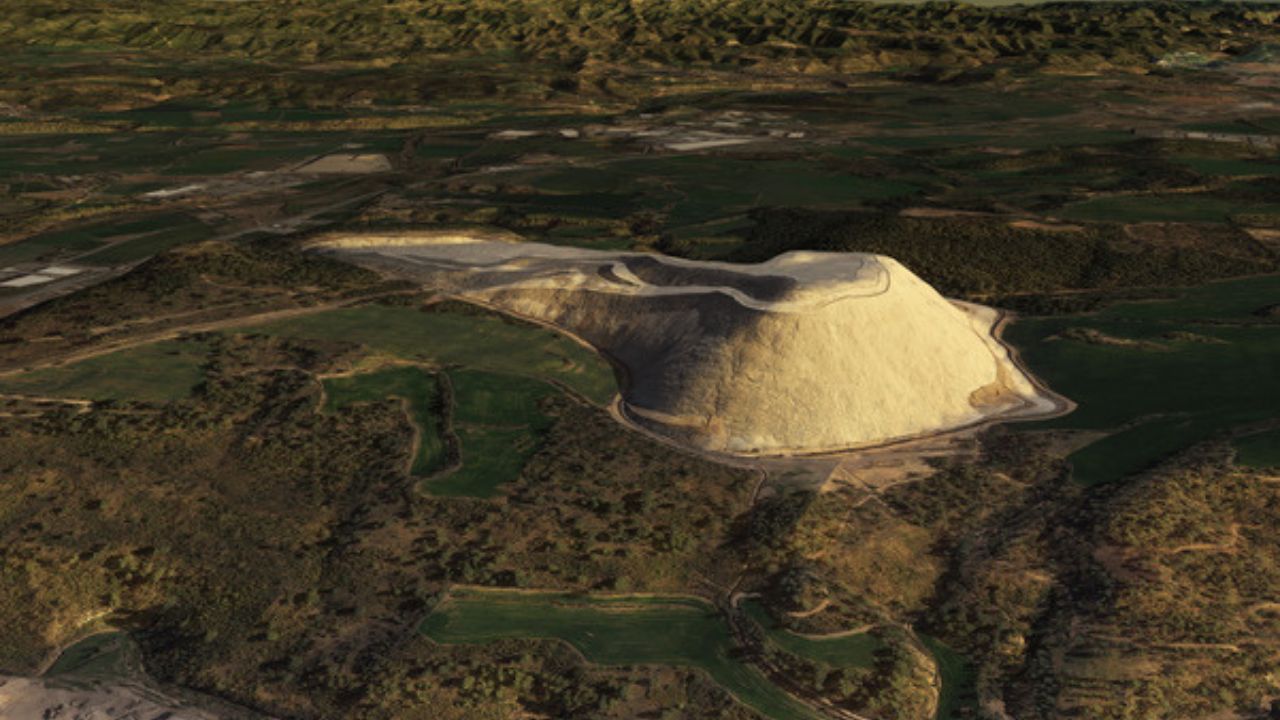
The deposited material is light-colored, mainly white or grayish, due to the high salt concentration. This gives the structure a snow-covered mountain-like appearance, although it consists only of exposed mineral waste.
Because of this peculiar appearance, locals have come to call the site Montsalat, the Salt Mountain.
In addition to the popular nickname, the pile also received a political name during a turbulent period in Spanish history. During the redemocratization of the country, after the end of the Francoist dictatorship, striking workers threw material outside the company’s perimeter. The episode led to the emergence of the nickname “Runam of Democracy”, a reference to the social dispute surrounding the mining activity.
The Environmental Problem: How Salt Drains Into The Llobregat River
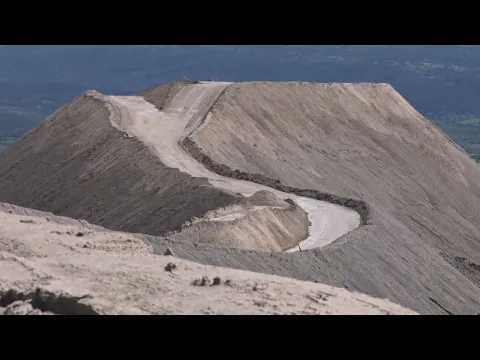
The main environmental impact of the El Cogulló pile lies not only in the size of the structure but in what happens when it rains on it. Rainwater dissolves part of the salt present in the waste and creates a highly saline liquid called leachate.
This liquid drains through the pile and seeps into the soil or reaches nearby watercourses. Over the decades, this process has significantly contributed to increasing the salinity of the Llobregat River, one of the most important rivers in Catalonia.

The Llobregat originates in the Pyrenees and passes through several cities before reaching the Mediterranean, being an important source of water supply for part of the metropolitan region of Barcelona. The increasing salinity of the river requires more complex and costly treatment processes to make the water suitable for human consumption.
Scientific studies conducted over the past few decades have indicated that the river has higher salt levels than comparable watercourses in Western Europe. Because of this, the Llobregat has been described by researchers as one of the most salinized rivers in Western Europe.
Decades Of Fines And Legal Disputes Over The Waste Pile
The pollution associated with potash mining in the Bages region has been a subject of controversy for many years. Local communities, environmental organizations, and public authorities have been discussing the impact of mining activity on the river and the region’s ecosystems since the early 20th century.
Over time, companies responsible for mining exploitation have faced lawsuits and environmental fines related to the pollution caused by saline waste. Despite these penalties, the El Cogulló pile continued to grow.
Part of the problem lies in the very nature of potash mining. As production generates large volumes of saline waste and recycling alternatives are limited, the most common solution has been to continue accumulating the material in controlled deposits.
Various mitigation proposals have been discussed over the decades, including brine collection systems and improvements in waste storage. Still, the presence of the salt mountain and its impact on the Llobregat River remain ongoing environmental debate topics in Catalonia.
An Industrial Landscape That Reveals The Hidden Cost Of Fertilizers
The El Cogulló pile is a visible example of a little-discussed global phenomenon: the enormous volume of waste generated by the mining of minerals used in modern agriculture.
The production of fertilizers depends on elements such as potassium, phosphorus, and nitrogen, which need to be extracted, processed, and transported on an industrial scale. Although these products are essential for agricultural productivity, their production often generates significant environmental liabilities.
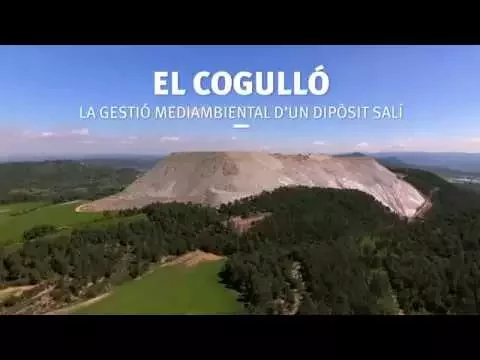
In the case of Sallent, this liability has taken the form of an artificial mountain of salt that dominates the landscape of the region and influences the water quality of one of Catalonia’s main rivers.
More than a century after the start of mining, the waste pile continues to grow slowly, layer by layer. The contrast between the natural mountain El Cogulló and its artificial counterpart illustrates how industrial activities can reshape the geography of an entire region.
Meanwhile, the Llobregat River continues to flow at the foot of this white mountain, carrying with it some of the dissolved salt that escapes from the largest visible potash waste deposit in Europe.







-

-

-

-

-

-

178 pessoas reagiram a isso.