





 Portuguese
  English
  Spanish
  4 min of reading
  1 comment


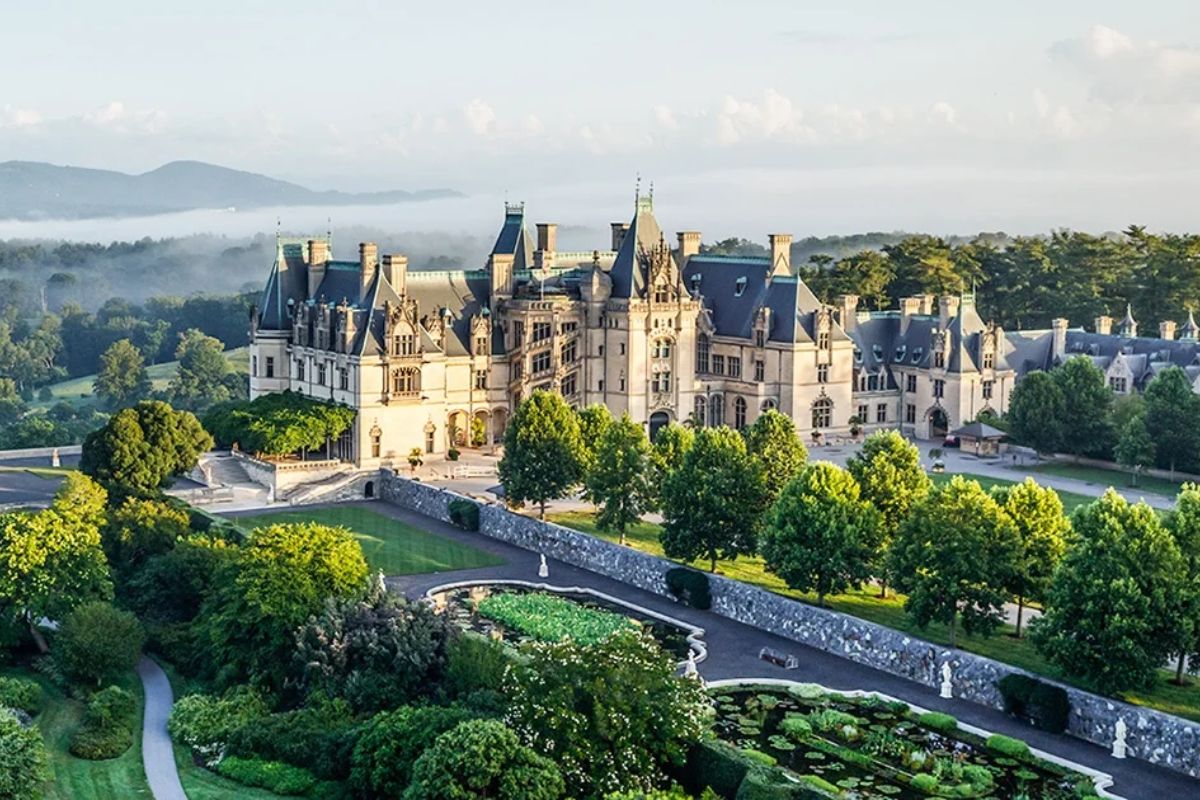


With 16,622 m², 250 Rooms and a Pioneering Technical Collection, the Largest Private House in the U.S. Shifted from Residential Luxury to a Sustainable Tourism Model in Asheville, North Carolina
The largest private house in the U.S. was born as an icon of the Gilded Age and has survived over time with another vocation: that of a visitation business. Built by George Washington Vanderbilt II and completed in 1895, Biltmore House maintains a monumental scale of 16,622 m², 250 rooms, 43 bathrooms, and 65 fireplaces, currently operating as the anchor of a destination that combines heritage, gardens, and controlled experiences.
More than just ostentation, it is about managing a colossal historic asset. The shift occurred when, during the Great Depression, the estate was opened to the public to generate revenue and cover maintenance costs. Since then, tourism has become the financial engine of Biltmore Estate, a rare case of adaptation among mansions of the Gilded Age.
What It Is, Where It Is, and Why It Matters
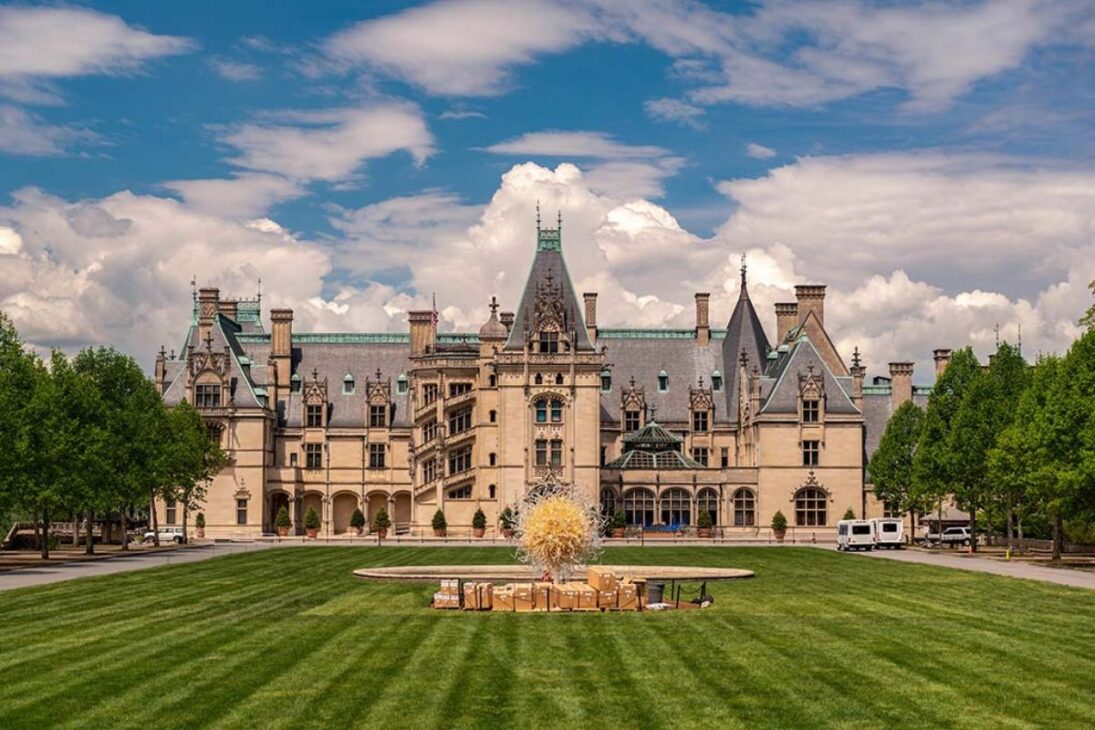
Located in Asheville, North Carolina, Biltmore House is a Châteauesque-style residence designed to rival European palaces.
-
These living root bridges and ladders are over 700 years old and help indigenous people survive in one of the rainiest regions in the world.

-
From sertanejo star to international investor: Ana Castela invests millions in a mansion in the USA, creates a themed accommodation in Orlando, and shows that the “boiadeira” also wants to grow away from the stage.

-
The 10 most stunning motorhomes in the world: a $3 million trailer with a rooftop nightclub and garage for a Ferrari, “palaces on wheels” with Italian marble, private cinema, and five-star hotel luxury for billionaires.

-
Trump wanted to spend $400 million on the White House, but the courts prohibited the million-dollar construction.


Originally set on 125,000 acres, the property today occupies about 8,000 acres and remains under the management of The Biltmore Company, a family-controlled entity descended from Vanderbilt.
The house was designed to impress and integrate architecture, landscape, and hospitality.
Frederick Law Olmsted designed the gardens and grounds; the result is a set in which house and park form the experience.
For the visitor, what is seen is not just a preserved interior but a cultural territory that pays for itself.
Scale and Technology: The Vanguard of 1895
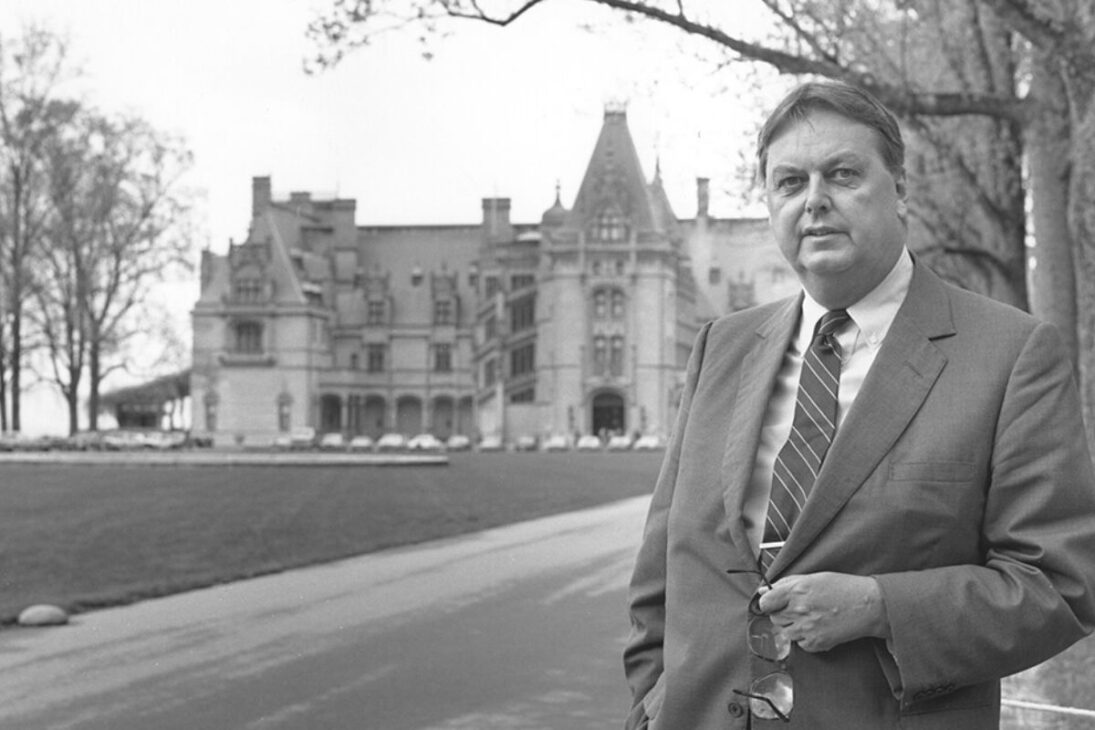
The largest private house in the U.S. debuted with extremely rare technical solutions for the time: electricity, central heating, electric elevator, and walk-in refrigeration room.
In 1895, this was cutting-edge advancement, incorporated into a domestic program with dozens of rooms, baths, and fireplaces.
The contents were also ambitious. The library holds over 10,000 volumes, reflecting the intellectual profile of the owner.
The idea of comfort combined with erudition was a differentiating factor that still sustains the curatorial argument of the tour.
From Residence to Business: When Tourism Saves Heritage
Opening the doors during the Great Depression was not just a temporary strategy; it was a model shift.
From then on, maintenance began to depend on ticket sales, hospitality, and associated products, a logic that explains why large historic properties are rarely viable as single-family residences for long periods.
As the decades passed, the complex diversified.
The winery was founded in 1983 and opened to the public in 1985, extending the average visitor’s stay.
In 2001, The Inn on Biltmore Estate was created; in 2010, Antler Hill Village; and more recently, historic cottages were converted into lodging.
Income generated from multiple fronts stabilizes a site of this size.
Construction and Authorship: An Unprecedented Construction Site
The architectural project was entrusted to Richard Morris Hunt, a reference of the Gilded Age.
Construction began in 1889 and mobilized hundreds of hired workers and artisans for logistics involving high-quality materials: stone, wood, hardware, and finishes, coordinated in an unprecedented chain for a residence.
Olmsted, the father of park architecture in the U.S., designed paths, groves, and visual axes that still organize the experience.
Landscaping is not just scenery; it is cultural infrastructure, capable of absorbing visitor flow without harming the integrity of the site.
Preservation, Public Function, and Legacy
Public use has a history of service. During World War II, the house stored works from the National Gallery of Art, reinforcing the civic role of heritage.
In 1963, the property was designated a National Historic Landmark, a recognition that came with conservation responsibilities.
The family administration has continued to invest in sustainability and management, with locally recognized environmental initiatives.
Keeping the largest private house in the U.S. open and intact requires a balance between revenue, impact control, and a consistent historical narrative. Without this, the maintenance liabilities would win out.
Tourist Product: How to Monetize an Icon
The operation integrates guided tours, seasonal programming, wine, hotels, and outdoor activities.
The design is deliberate: increase average ticket prices without altering the main experience, which remains the house and its interiors.
The curation reinforces three pillars: authenticity (collection and architecture), continuity (family management), and breadth (park and hospitality).
This triad transforms a symbol of the Gilded Age into a contemporary business, with a return rate sufficient to preserve the estate without privatizing it again for exclusive use.
Numbers That Tell the Story
The synthesis can be summed up in a few data points: 16,622 m² of built area, 250 rooms, 43 bathrooms, 65 fireplaces, more than 10,000 books, and 8,000 acres of current property.
The rest is a method: open, tell the story well, control the flow, and reinvest.
For the visitor, the effect is clear: a European-scale experience in the interior of North Carolina, supported by professional management and an honest narrative about how an elite symbol transformed into a cultural infrastructure available for a fee.
Biltmore’s trajectory shows that preservation is expensive and requires a business model.
By turning the largest private house in the U.S. into a tourist company, the heirs preserved not only the walls but also public functions of culture, landscape, and memory.
Would you visit Biltmore first for the pioneering technology of the house, the 10,000-volume library, the Olmsted gardens, or the winery that sustains the current model?







Great article! I really appreciate the clear insights you shared – it shows true expertise. As someone working in this field, I see the importance of strong web presence every day. That’s exactly what I do at https://webdesignfreelancerhamburg.de/ where I help businesses in Hamburg with modern, conversion-focused web design. Thanks for the valuable content!