





 Portuguese
  English
  Spanish
  5 min of reading
  2 comments


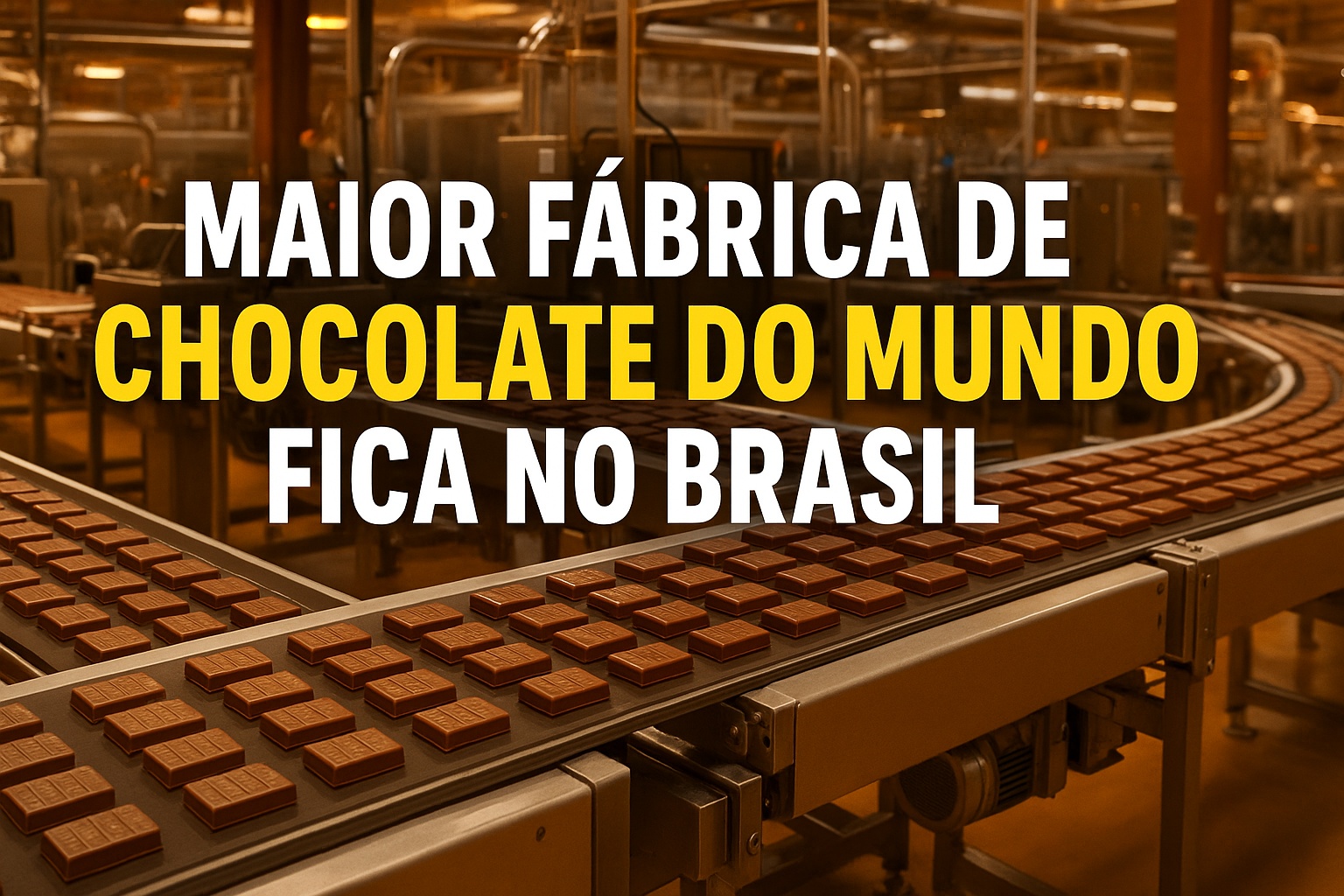


The Largest Chocolate Factory of Mondelēz in the World Is in Brazil, Producing 200 Thousand Tons a Year and Supplying 20 Countries with Iconic Brands Such as Lacta and Bis.
Few Brazilians imagine that, right in the heart of Paraná, there is an industrial colossus that has conquered the world with the unmistakable aroma of chocolate. Located in Curitiba, the largest chocolate factory on the planet belongs to the multinational Mondelēz International, owner of iconic brands such as Lacta, Bis, Diamante Negro, and Sonho de Valsa, and operates 24 hours a day, seven days a week, to meet domestic and international demand.
With 160 thousand square meters of built area and production capacity of about 200 thousand tons per year, this plant is one of the largest and most modern in the global food sector, exporting Brazilian candies and chocolates to more than 20 countries, from Latin America to the Middle East.
A Global Giant with Brazilian Flavor
Inaugurated in 1951, the factory in Curitiba began its story as a unit of the traditional Lacta, before being incorporated into Mondelēz’s global portfolio.
-
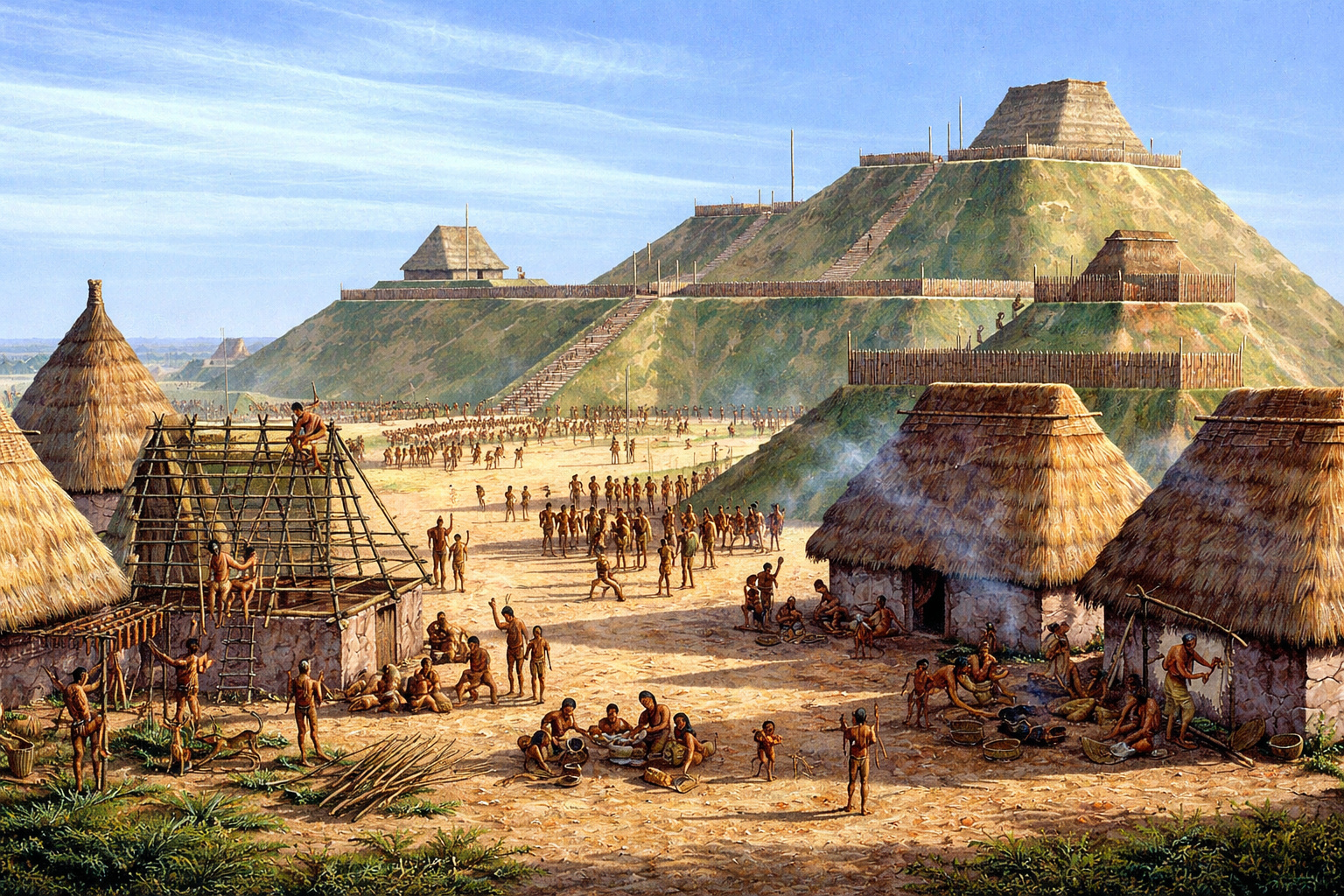
With over 14 million baskets of earth moved, an ancient North American metropolis built a monumental pyramid of 30 meters and established a city with 20,000 inhabitants nearly a thousand years ago.
-
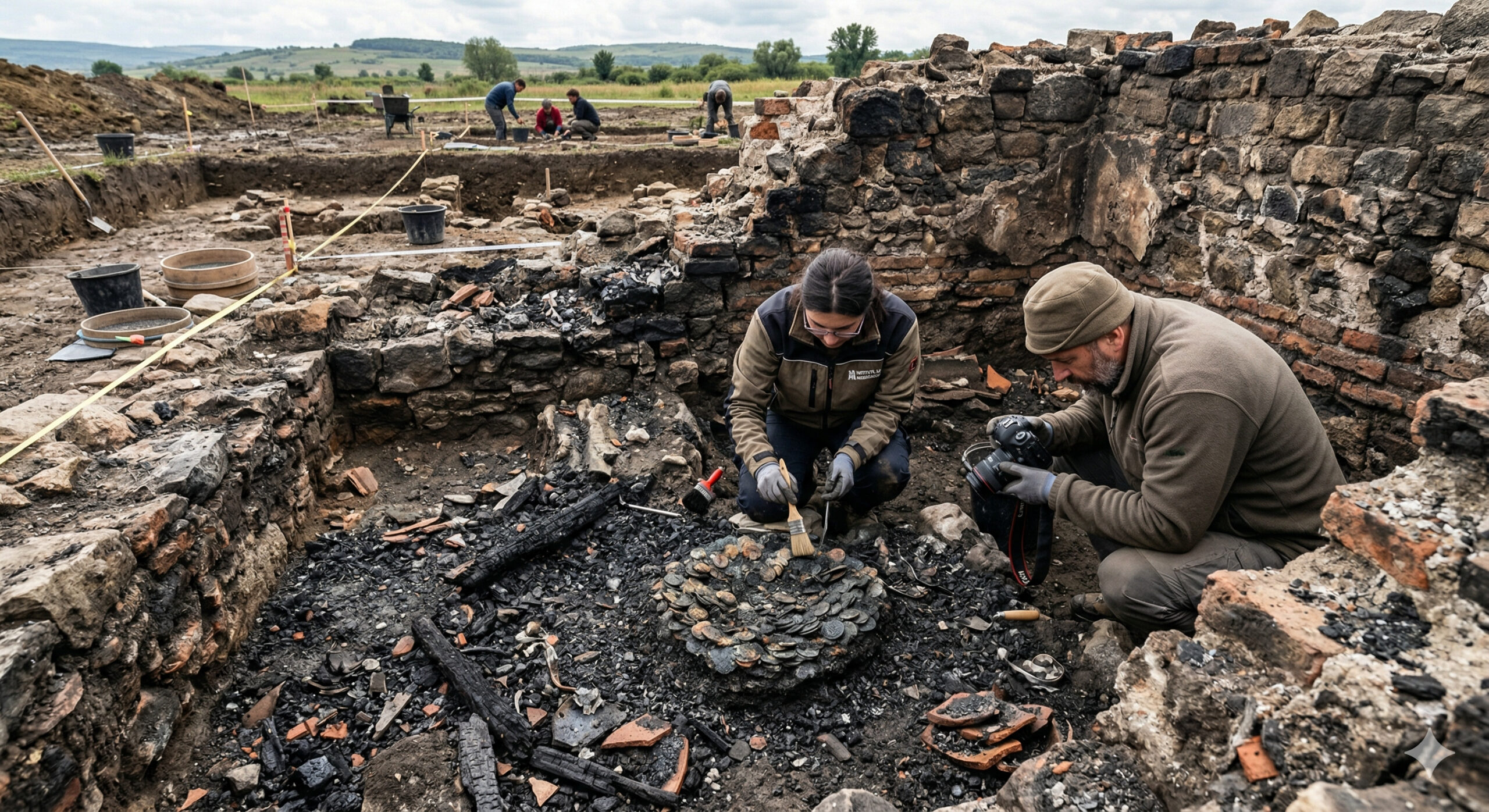
A 1,900-year-old treasure emerges from a Roman house destroyed by fire and sealed since antiquity in Romania, with coins and metals fused among the ashes.
-
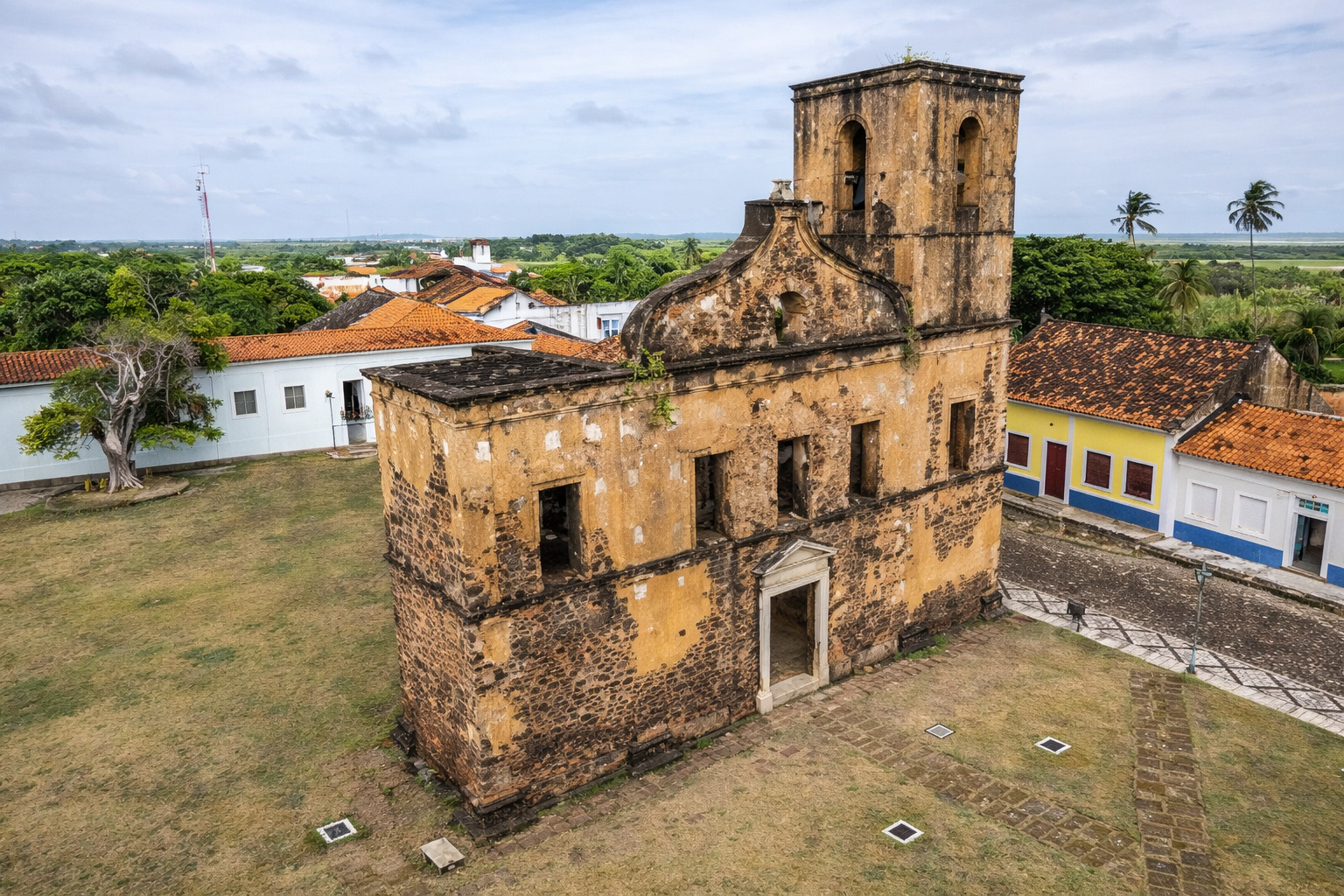
The Brazilian colonial city that stopped in time and shares territory with a rocket launch base.
-
79-year-old woman challenges limits, visits 193 countries in the world after 56 years of planning and reveals the behind-the-scenes of a global journey that few have managed to accomplish.


Since then, the complex has transformed into a true industrial city, with automated production lines, a distribution center, quality laboratories, canteens, recreational areas, and a logistics system that never stops, even at midnight.
The plant has 22 continuous production lines, capable of producing millions of bars, candies, and cookies daily, which go directly to distribution centers spread across Brazil. The pace is so intense that the company estimates moving about 400 tons of chocolate per day.
Chocolate Factory That Never Sleeps
According to a report from Tribuna do Paraná, the Curitiba unit operates on a 24-hour schedule precisely due to high domestic demand and increasing exports. The flow of employees is constant: there are thousands of workers in alternating shifts, including machine operators, technicians, engineers, and quality control specialists.


The system is designed so that production never stops. When one shift ends, another immediately enters, allowing for continuous rhythm and ensuring that iconic products like Sonho de Valsa and Lacta ao Leite reach the shelves without interruptions.
The factory is also a reference in energy efficiency and sustainability, with water reuse systems and rational use of electricity, reducing environmental impact without compromising productivity.
Technology and Automation at the Heart of Production
Behind the irresistible smell of cocoa, there is precision engineering. Mondelēz invests millions of reais annually in technological innovation and automation.
The production lines feature robots, smart sensors, and computerized systems that monitor temperature, viscosity, and cooling time, ensuring that each bar meets the same quality standard.
The molding, packaging, and palletizing stages are automated. Cameras and sensors check each product in real-time, while artificial intelligence software adjusts production parameters according to the type of chocolate.
These advances have allowed productivity to increase by over 20% in recent years, reducing waste and reinforcing the company’s commitment to efficiency and industrial sustainability.
Export and Strategic Importance for Brazil
The Curitiba plant does not supply only the Brazilian market; half of its production goes abroad, especially to countries in Latin America, Europe, and Asia.
As a result, Brazil has become one of the main exporters of chocolates and cocoa derivatives in the world.
According to data from the Brazilian Chocolate Industry Association (Abicab), the country exported more than US$ 400 million in chocolate products in 2023, and much of this figure came from Mondelēz’s production in Curitiba, consolidating Paraná as a hub of global relevance.
The Economic and Social Impact of One of the Largest Chocolate Factories in Brazil
The factory directly drives the economy of Paraná. There are thousands of direct and indirect jobs, involving everything from transportation of raw materials to the supply of packaging and technical services.
It is estimated that the complex generates about 5 thousand jobs among direct and outsourced employees, in addition to benefiting hundreds of milk and cocoa producers.
In the neighborhood, the local commerce also lives the rhythm of production: restaurants, markets, and transport companies synchronize with the shifts of the “factory that never sleeps.”
The impact is so significant that the government of Paraná recognizes Mondelēz as one of the pillars of the state’s food industry, responsible for a relevant share of industrial tax revenue.
Sustainability and Social Responsibility
In addition to large-scale production, Mondelēz stands out for investing in sustainability and social impact. The “Cocoa Life” program, for example, supports more than 5 thousand Brazilian cocoa producers, offering training and resources for sustainable agricultural practices and improving family income.
Internally, the Curitiba factory maintains initiatives for industrial waste recycling, the use of 100% recyclable packaging, and clean energy systems, focusing on reducing carbon emissions by 25% by 2025. These actions position the unit as a reference in environmental governance within the global food sector.
Curiosities That Impress
- More than 2 million Sonhos de Valsa are produced daily.
- The Lacta bar assembly line can produce about 1,000 bars per minute.
- All the chocolate produced could fill more than 1,500 Olympic-sized swimming pools per year.
- The refrigeration and air conditioning system maintains the ideal temperature of 20°C in all molding areas.
- The internal logistics moves hundreds of tons of raw material daily, in a fully automated circuit.
Brazil on the Global Chocolate Map
Thanks to the Curitiba factory, Brazil has gained a prominent role in the global chocolate production scene.
The unit combines industrial scale, technological innovation, and logistical efficiency, competing on equal footing with European and North American giants.
Moreover, the presence of a plant of this magnitude in the country boosts Brazil’s image as a producer of quality, technology, and sustainability, breaking the stigma that high-end food industry is concentrated only in developed countries.
More than just a factory, Mondelēz’s unit in Curitiba is a symbol of Brazilian industrial and technological capability.
On its 160 thousand m², the country shows it can lead not only in agribusiness and commodities but also in sophisticated and high-value-added production.
Inside, the smell of chocolate mixes with the sound of machines and the human work of thousands of Brazilians who bring the most beloved sweet in the world to life every day, 24 hours a day.








Mentira a maior produtor de chocolate fica na Bélgica,
Qual é a origem do cacau utilizado no Paraná?