





 Portuguese
  English
  Spanish
  5 min of reading
  0 comments


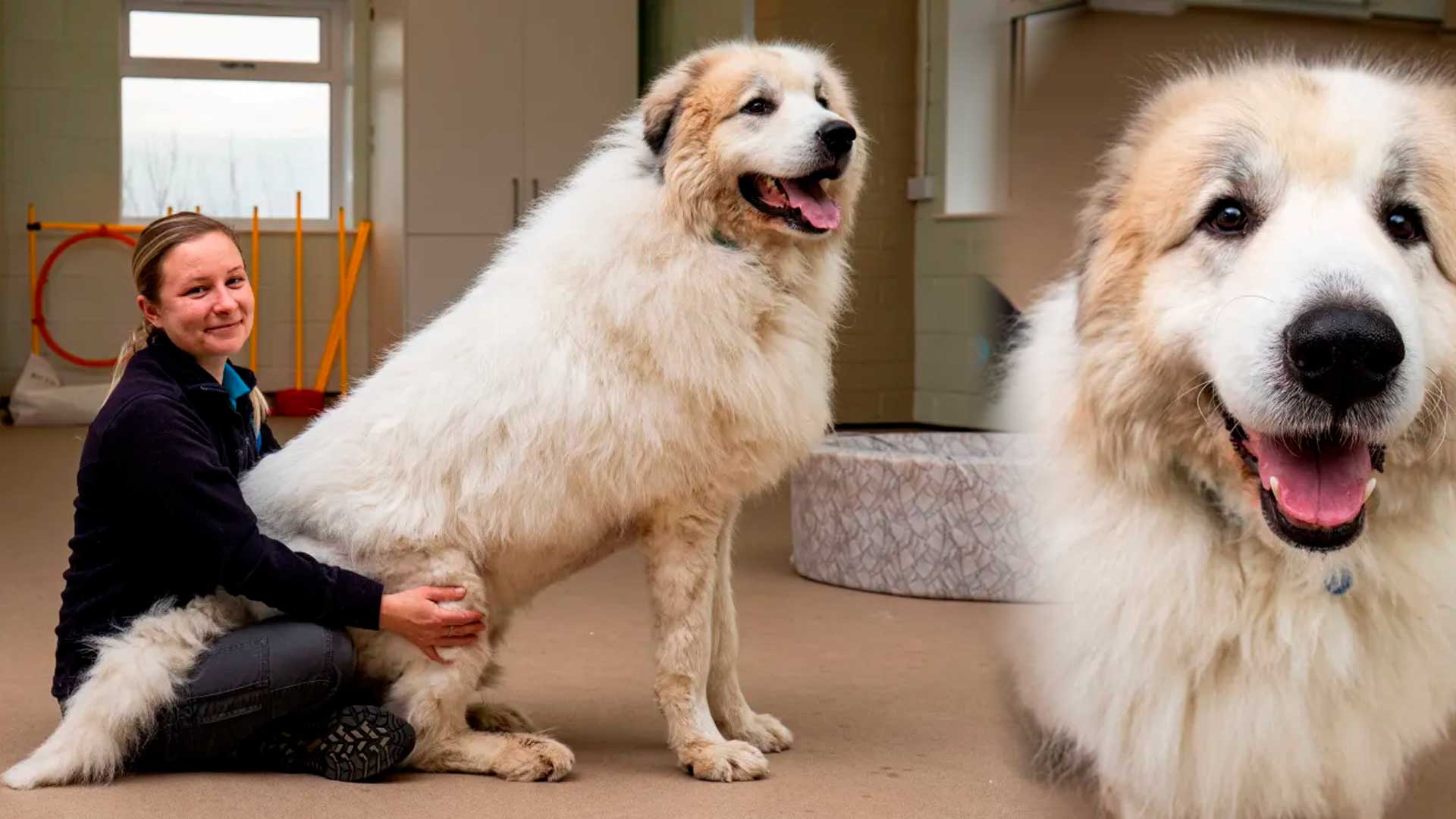
Brody, A Great Pyrenees Weighing 66 Kg and Almost 1.8 M When Standing, Is Looking for a New Home at a Shelter in England and Has Become a Symbol of the Challenges of Adopting Giant Dogs. The Case Draws Attention to the Care, Costs, and Preparation Required for Large Breeds.
A dog described as being the size of a “small polar bear” is looking for a new owner in northern England. This is Brody, a six-year-old Great Pyrenees currently in the care of Animal Concern Cumbria, based in the Keswick area. The case gained attention in the British media in early December 2025.
According to the shelter, when he stands on his hind legs, Brody reaches about 1.83 meters tall, weighs 66 kg, and consumes approximately 1 kg of biscuits per day, in addition to regular dog food.
His size is impressive, but volunteers emphasize that he is more calm than brutish. The dog was surrendered by his previous owners, who said they could no longer provide adequate care for him.
-
Milei’s government launches surprise police operations on the streets of Argentina to hunt undocumented immigrants, but the government’s own data reveals that only 4% were irregular. Critics say it is a copy of Trump’s policy without real necessity.

-
Indonesia is the largest producer of tropical seaweed in the world, and this market is already worth billions of dollars, but 90% of the production goes directly to China as raw material. Now the country wants to change the game and process everything on its own.

-
This extremely contagious virus has already affected 90% of the population of Brazil and has no cure.

-
The São Paulo city has one doctor for every 100 inhabitants and still holds the title of the third best place to live in Brazil.

Reports from the team indicate that Brody likes having his head petted, tries to sit in the lap of those who pay him attention, and loves a tennis ball. Despite his giant appearance, he is described as “calm, relaxed, friendly, and gentle”, a typical profile for the breed, which is known internationally as Great Pyrenees.
The story of this giant dog opens up an important debate in Brazil as well. The adoption of giant breeds is often decided by the visual impact of the animal but involves physical space, routine, high costs, and a long-term commitment.
Experts remind that a dog of this size can live 10 to 12 years and needs an experienced owner who is emotionally and financially prepared.
Giant Dog from English Shelter Draws Attention from Around the World
Brody was officially introduced by the Animal Concern Cumbria shelter in social media posts and interviews with local press. In the photos, the dog appears next to volunteers, occupying almost the entire sofa and drawing attention with his thick white fur, typical of mountain animals.

In a statement, the organization informed that he is still in the behavior evaluation phase before being cleared for adoption.
According to reports from the tabloid The Sun and British news outlets, the shelter is looking for an owner with experience in large breed dogs, who has a spacious yard and a generous sofa to accommodate the “small polar bear” who thinks he is a lap dog. It is expected that Brody will be ready to go to a new home in the coming weeks after completing his socialization tests.
In the meantime, the team is helping the animal adapt to different environments, with other dogs, and with children, to reduce the risk of future return.
This type of protocol is considered good practice in shelter medicine, helping to match the animal’s profile with the family’s lifestyle.
Who Is the Great Pyrenees, Calm and Protective Giant
The Great Pyrenees, also known as Great Pyrenees, is a traditional breed from the Pyrenees, a mountainous region between France and Spain. According to The Royal Kennel Club, these dogs were historically used to protect herds in cold and rugged areas, which explains their large size, dense fur, and vigilant temperament.
Breed guides describe the Pyrenees as generally calm, gentle, and very family-oriented dogs, but also independent and protective.
They are often classified as “gentle giants”, good with children when well-socialized, but with a tendency to bark to alert any suspicious movement, which can lead to conflicts in urban areas and condominiums.
Adoption of Giant Dogs Requires Space, Time, and Financial Preparedness
Although Brody is often seen resting on the sofa, his ideal routine involves daily walks and mental stimulation. Breed care guides indicate that Great Pyrenees dogs generally need an average of 30 to 60 minutes of moderate exercise per day, divided into walks and playtime, plus access to a secure backyard for free movement.
Another sensitive issue is cost. A 66 kg dog consumes a large volume of high-quality food, in addition to treats, dewormers, flea treatments, and occasional medical care. Veterinary clinics and protection organizations remind that procedures such as surgeries, imaging exams, and hospitalizations tend to be more expensive in large animals, precisely because of their weight and the materials used.
The breed’s dense fur also requires a routine of grooming and hygienic trimming to avoid mats and skin issues. In Brody’s case, the shelter highlighted that he underwent a complete grooming process to reveal his “glorious mountain coat,” which should be maintained with regular baths and specific care. For many owners, this level of maintenance is quite different from that of smaller dogs.
Behavioral specialists and responsible adoption organizations recommend that those interested in giant dogs evaluate not only the space in the house but also the logistics of daily life. It is important to consider how the animal will travel in case of a move, whether there will be conditions to climb stairs, if the condo accepts dogs above a certain weight, and if all residents agree with the presence of a hairy giant.
Beyond the charm of the photos, the message is clear. Adopting a dog of this size is a long-term decision, involving financial planning, routine organization, and willingness to deal with an animal that occupies a lot of physical, emotional, and symbolic space in the home. Brody’s case, therefore, serves as a warning for more conscious choices.
Adopting a dog the size of a “small polar bear” would be a dream or a huge problem in your home? Do you believe that Brazilians are prepared to receive giant dogs in apartments and condominiums, or should this type of adoption be restricted to those who have ample space and infrastructure? Let us know in the comments if you would be willing to share the sofa and routine with a Brazilian Brody and why.







Seja o primeiro a reagir!