





 Portuguese
  English
  Spanish
  4 min of reading
  1 comment


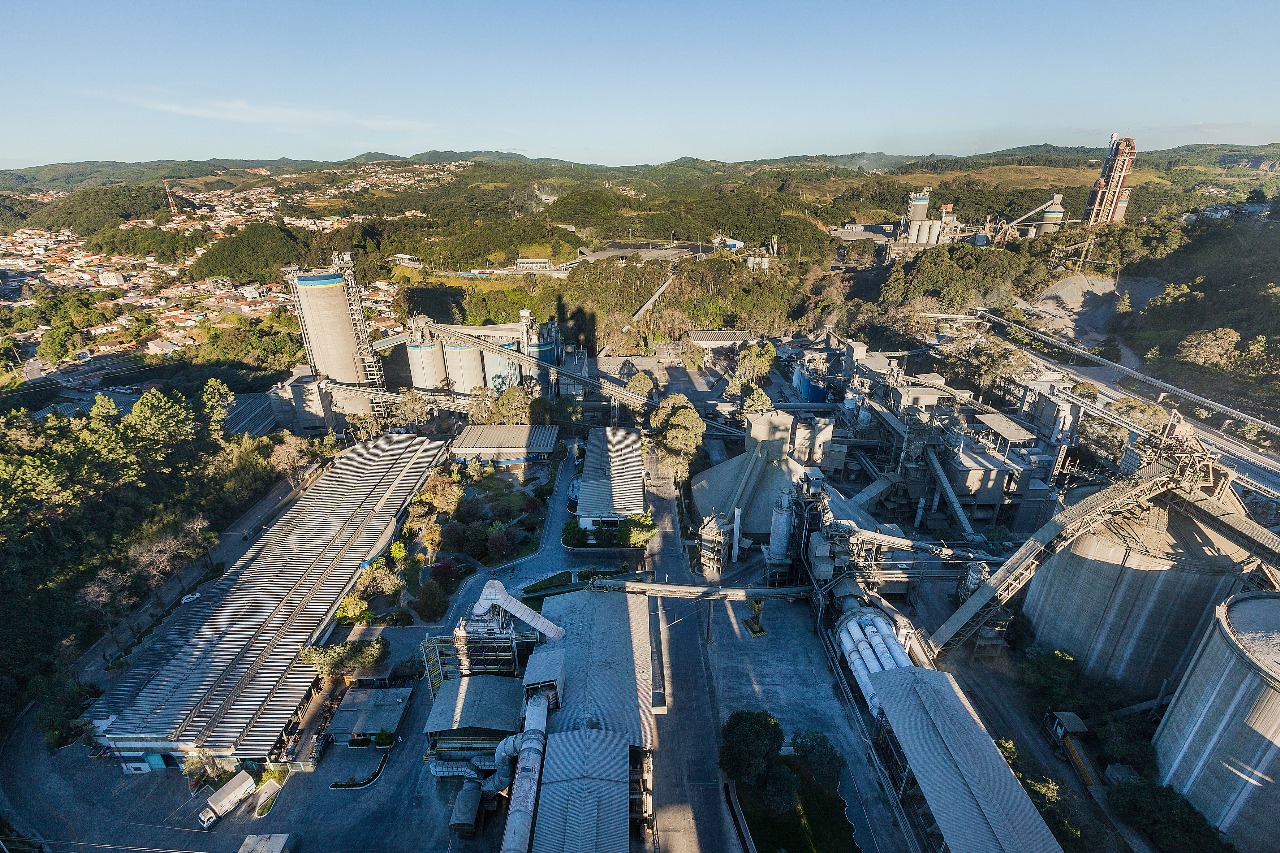


With 180,000 m² and 3.6 million tons per year, the largest cement factory in Brazil has supported the national infrastructure for over 60 years.
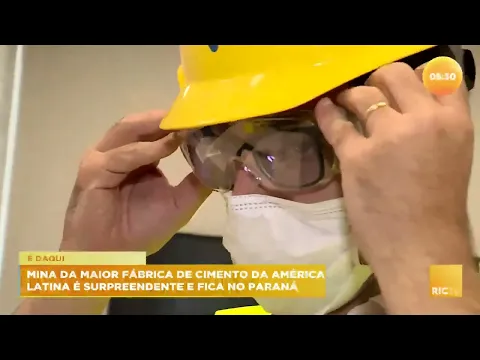
Amid the mountains of Paraná, one of the largest industrial complexes in Latin America rises: the Votorantim Cimentos factory, located in the municipality of Rio Branco do Sul, about 30 km from Curitiba. With 180,000 square meters of constructed area and an annual production capacity of up to 3.6 million tons, the complex is considered the largest cement factory in Brazil and one of the pillars of the national construction industry.
Inaugurated in 1951, the plant has become a true symbol of Brazilian industrialization, providing the cement that has shaped bridges, roads, dams, ports, and entire cities over more than six decades of continuous operation.
The Strength of Votorantim Cimentos: A Brazilian Industrial Empire
Founded in 1936, Votorantim Cimentos is one of the largest companies in the sector worldwide, with a presence in 14 countries and a global capacity of 53 million tons of cement per year.
-
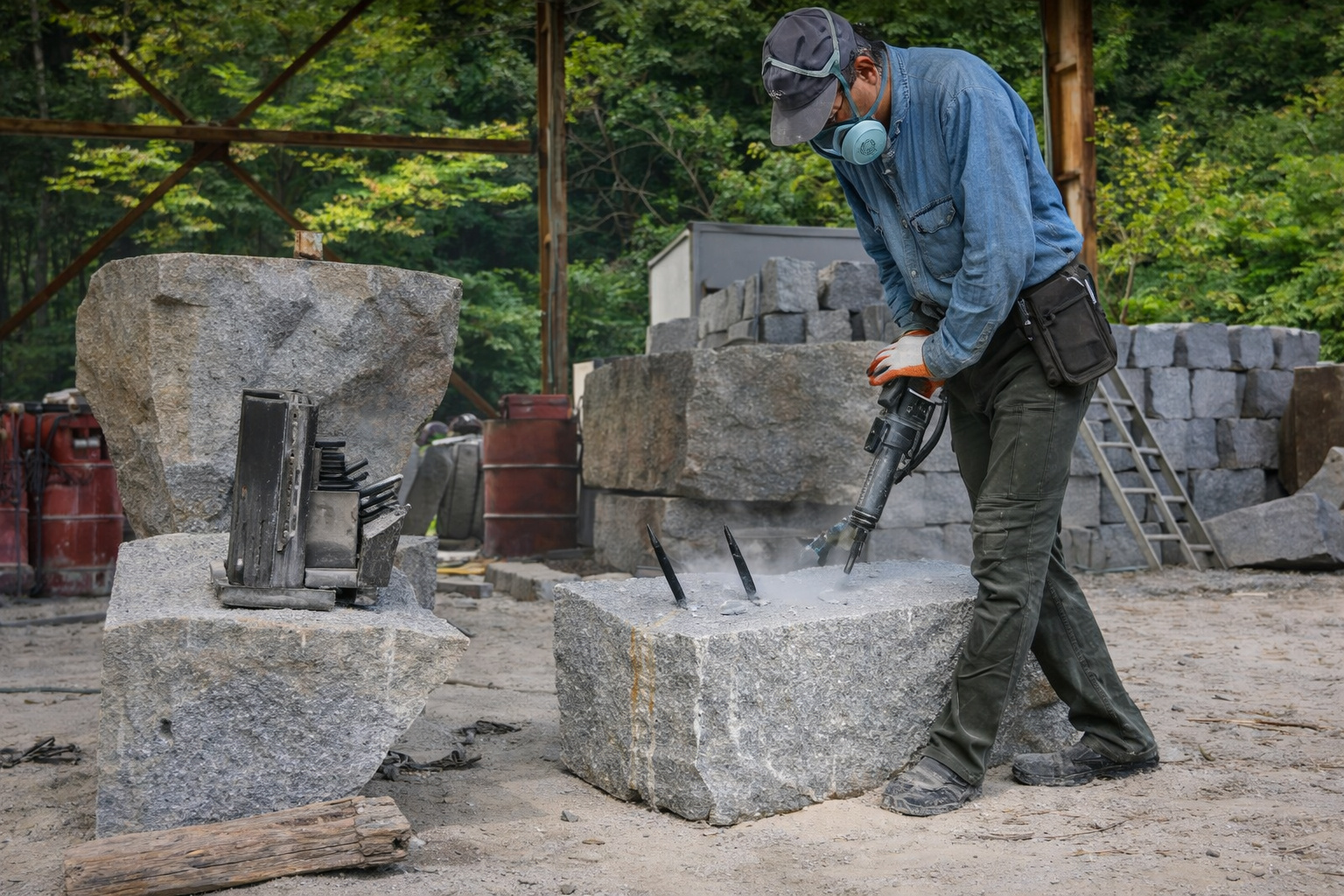
A Japanese mason transforms raw granite into small cups and handcrafted utensils, collects giant stones, cuts with precision, and impresses with detailed manufacturing and finishing.
-
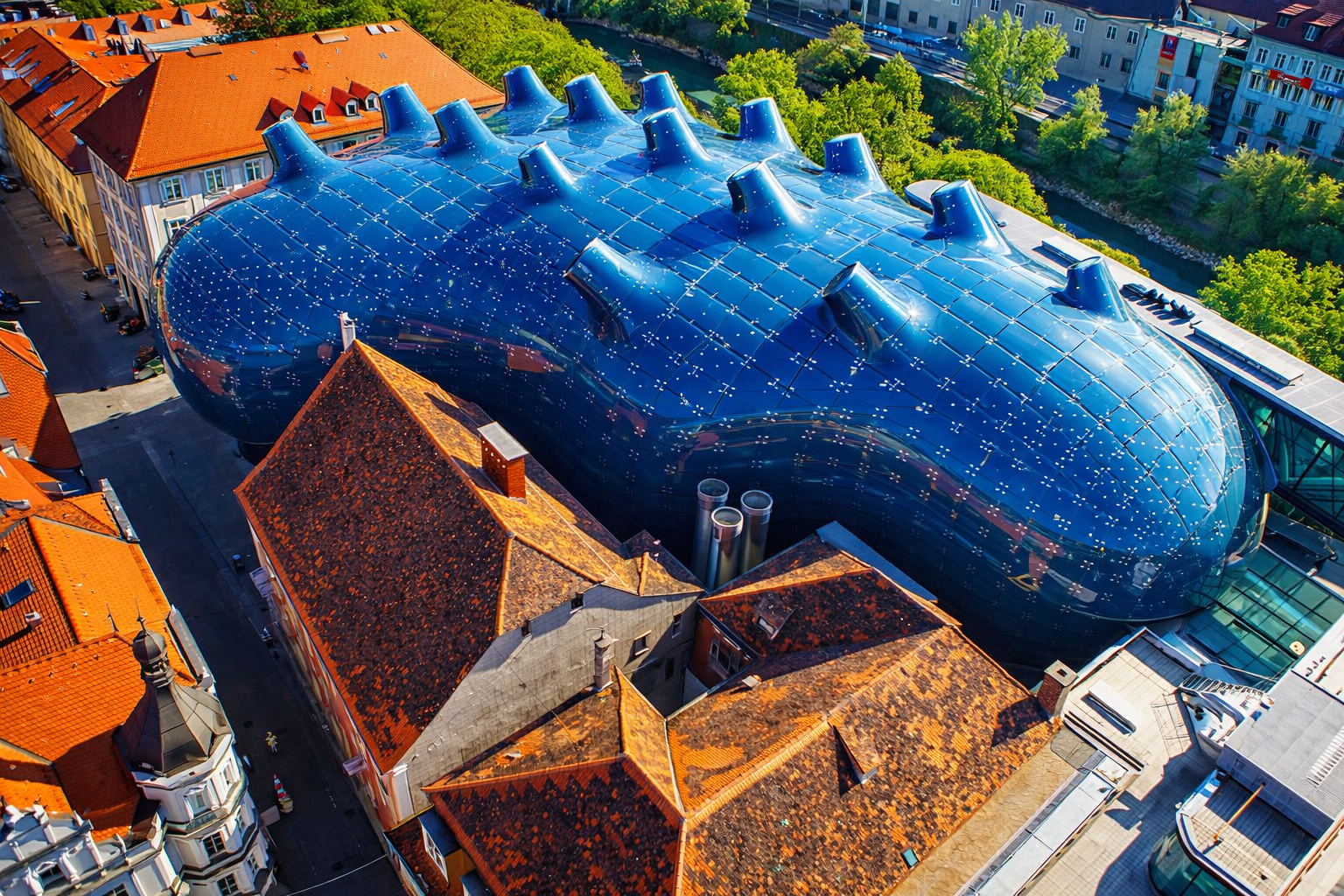
With 1,066 acrylic panels, the building known as the friendly alien is supported by a steel skeleton, has a façade that functions as a giant screen, and impresses the world without any internal columns.
-
Scientists warn that a comet about 1 km in size that has started to release gases may actually change direction in space. It was spotted by NASA and surprises with potential impacts near Earth.

-
These living root bridges and ladders are over 700 years old and help indigenous people survive in one of the rainiest regions in the world.


In Brazil, the company operates 32 industrial units distributed across all regions, but it is in Rio Branco do Sul that the heart of the national operation beats.

There, the factory houses monumental kilns, clinker grinders, and silos that reach dozens of meters in height. The constant sound of conveyor belts and the heat from the kilns, which reach 1,450 °C, characterize a machinery that never stops.
According to Votorantim itself, the Paraná plant has been responsible for up to 10% of all national cement production for years, becoming a reference in technology, productivity, and industrial sustainability.
Colossal Production: 3.6 Million Tons of Cement Per Year
The production capacity of the complex is impressive. According to technical reports, the unit can produce around 10,000 tons of clinker per day, the base component of cement.
At full operation, the industrial park reaches the mark of 3.6 million tons annually, a volume sufficient to build more than 5,000 medium-sized buildings or pave 12,000 kilometers of highways.

To support this scale, the factory maintains operations seven days a week, in alternating shifts that ensure a constant rhythm of grinding, burning, and bagging. Hundreds of direct employees and thousands of indirect jobs are generated in the region, consolidating Rio Branco do Sul as a “cement city”.
Sustainability and Technological Innovation
Even being an industry traditionally intensive in energy and emissions, Votorantim has been heavily investing in innovation and sustainability.
The Rio Branco do Sul plant was one of the first in Brazil to incorporate the use of alternative fuels, such as industrial waste and biomass, to replace part of the petroleum coke used in the kilns.
Additionally, the filtering and thermal recovery system significantly reduces emissions and energy consumption. The company also operates with closed water circuits, avoiding waste and reusing most of the volume used in production processes.
These measures have earned Votorantim Cimentos international environmental certifications and recognition as one of the most sustainable industries in the sector.
The Engineering Behind Cement
Few realize the complexity behind such a common product in daily life. Cement production requires a precise sequence of chemical and physical processes involving crushing, mixing, heating, and grinding raw materials like limestone and clay.
The heart of the factory is the rotary kiln, a metal cylinder over 60 meters long, where the mixture is heated until it turns into clinker. Then, this material is ground again with gypsum and other additives, resulting in Portland cement, the standard in constructions worldwide.
Thanks to automation and digital process control, the Votorantim plant operates with a minimal margin of error and complete traceability—from the limestone extracted from the neighboring quarry to the bag of cement that reaches the consumer.
Over 60 Years of History and Tradition
The trajectory of the factory is intertwined with the history of Brazilian industrialization. In the 1950s, it was essential for major projects of the government of Juscelino Kubitschek, including infrastructure projects and the construction of Brasília. Decades later, it supplied cement for dams, subways, bridges, and skyscrapers, maintaining its prominence to this day.
In 2016, the unit completed 65 years of operation, consolidating itself as one of the oldest and most productive plants in Latin America. Even after more than half a century, it continues to modernize with automation, robotics, and industrial intelligence.
The Cement That Built Brazil
From affordable housing to hydroelectric plants, the cement produced in Rio Branco do Sul helped to build the country.
Its impact goes far beyond the economy: it is found in schools, hospitals, roads, and homes of millions of Brazilians. It is the invisible link between progress and the solid foundation that supports national development.
As an old motto of the company says, “the future is built upon firm foundations.” And few foundations are as firm and lasting as the cement produced in the heart of Paraná.
With 180,000 m² of industrial area, 3.6 million tons produced per year, and over 60 years of operation, the Votorantim Cimentos factory in Rio Branco do Sul is more than an industrial plant; it is a landmark of national engineering. A silent giant that, for decades, has kept Brazil standing, block by block, road by road, city by city.







Ich habe kürzlich den Barrenankauf ausprobiert und war sehr zufrieden mit dem gesamten Ablauf. Besonders beeindruckt hat mich die Goldverkauf Hannover und die freundliche, kompetente Beratung im Goldankauf Hannover. Alles verlief transparent, professionell und zu einem fairen Preis. Ich empfehle diesen Service jedem weiter, der Wert auf Qualität und Vertrauen legt.