





 Portuguese
  English
  Spanish
  4 min of reading
  0 comments


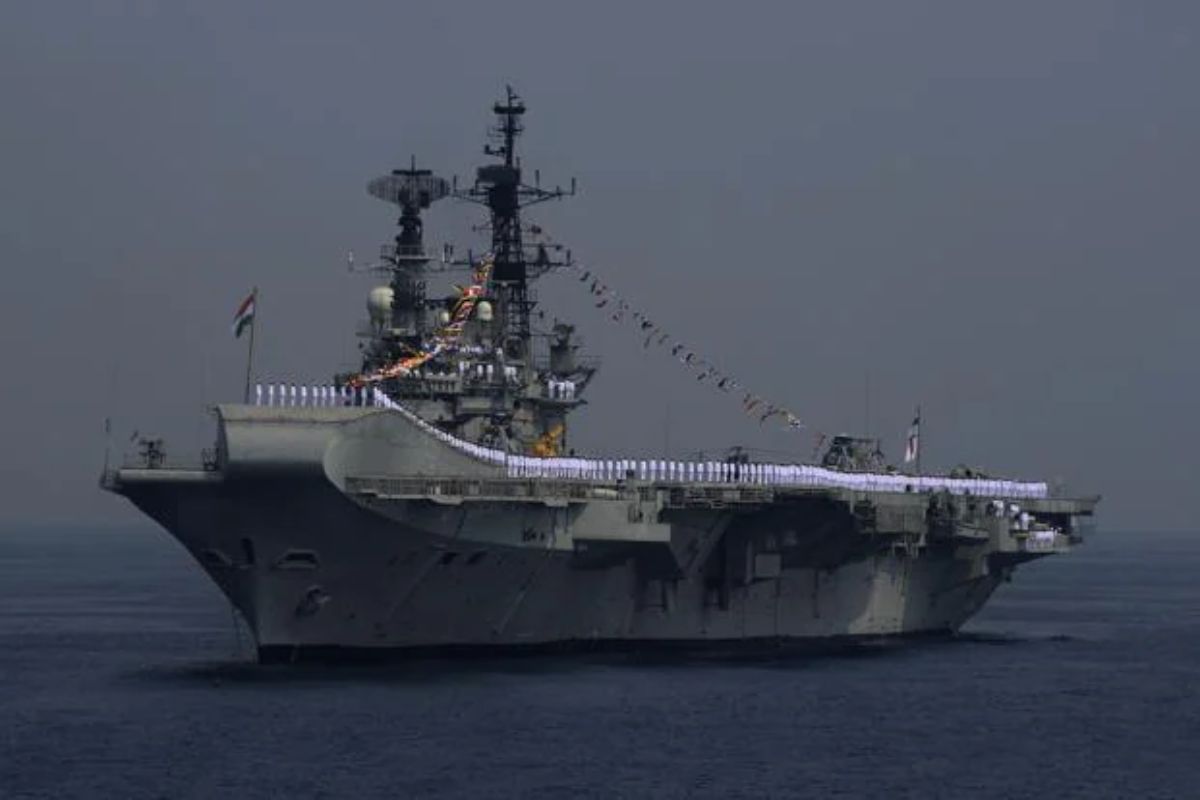
The INS Viraat Marked Generations of Indian Naval Aviation by Operating for Decades as the Fleet’s Flagship, Carrying Sea Harrier Fighters and Military Helicopters While Helping the Country Consolidate Strategic Experience in Aircraft Carrier Operations
The INS Viraat entered history as one of the most iconic aircraft carriers ever operated by India. With a length of 227 meters and a total displacement of around 28,700 tons, the ship played a central role in building Indian naval aviation over nearly three decades of active service.
Before joining the Indian Navy, the INS Viraat had an even longer journey. The ship was originally built for the British Royal Navy and operated for decades under another name before being acquired by India, becoming one of the longest-serving vessels in its category in the world.
The British Origin of INS Viraat
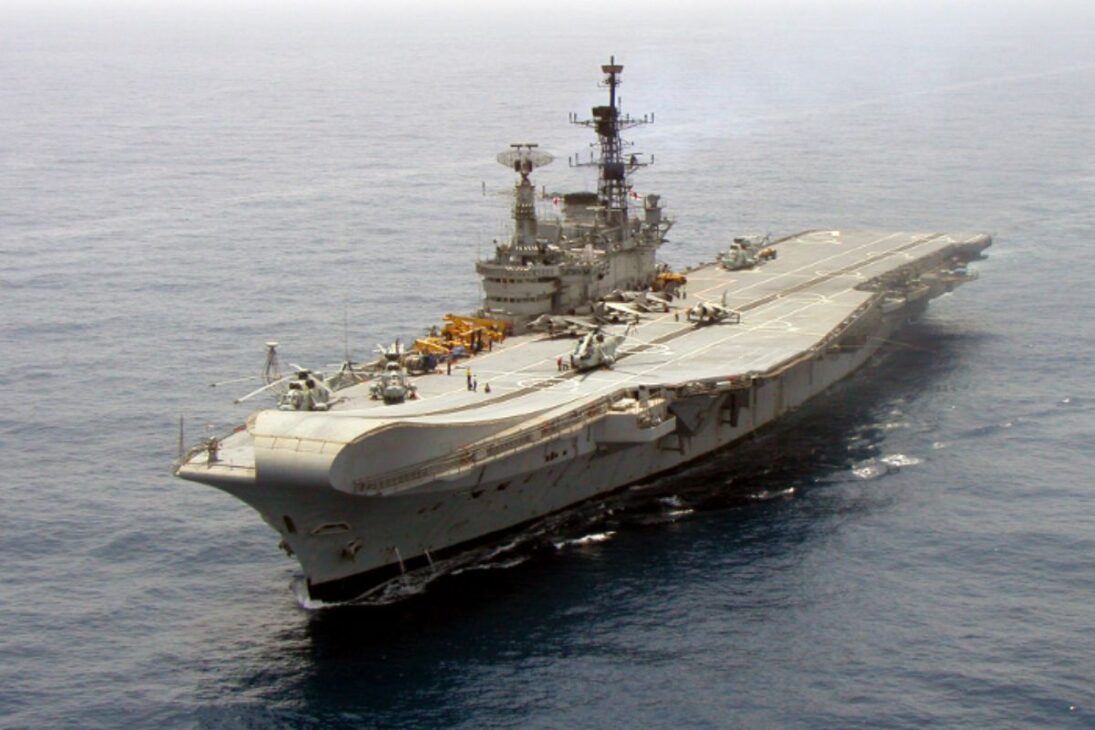
The story of the INS Viraat begins in the United Kingdom.
-
Technology created in the United States uses deep drilling to store high-level nuclear waste.

-
Dozens of Chinese research ships are discreetly mapping the ocean floor in three oceans – and naval analysts see a military pattern.
-
The winter of 2026 in Brazil will not be what you expect: meteorologists warn that the season will be warm and rainy at the same time due to the advance of El Niño, which is already warming the Pacific and changing the climate of the entire country.

-
For the first time, humanoid robots will compete in a full half-marathon without any human assistance in Beijing, with over 100 teams from China registering machines that need to complete the course with autonomous navigation on two legs.


The ship was originally commissioned in 1959 as HMS Hermes, belonging to the Centaur class of the British Royal Navy.
For decades, it served as one of Britain’s main aircraft carriers.
The vessel participated in various military operations and gained international notoriety during conflicts involving British forces.
After years of service, the ship was decommissioned by the British Navy in 1984.
However, its story was far from over.
Just a few years later, India decided to acquire the ship to bolster its naval capabilities.
The Entry of INS Viraat into the Indian Navy
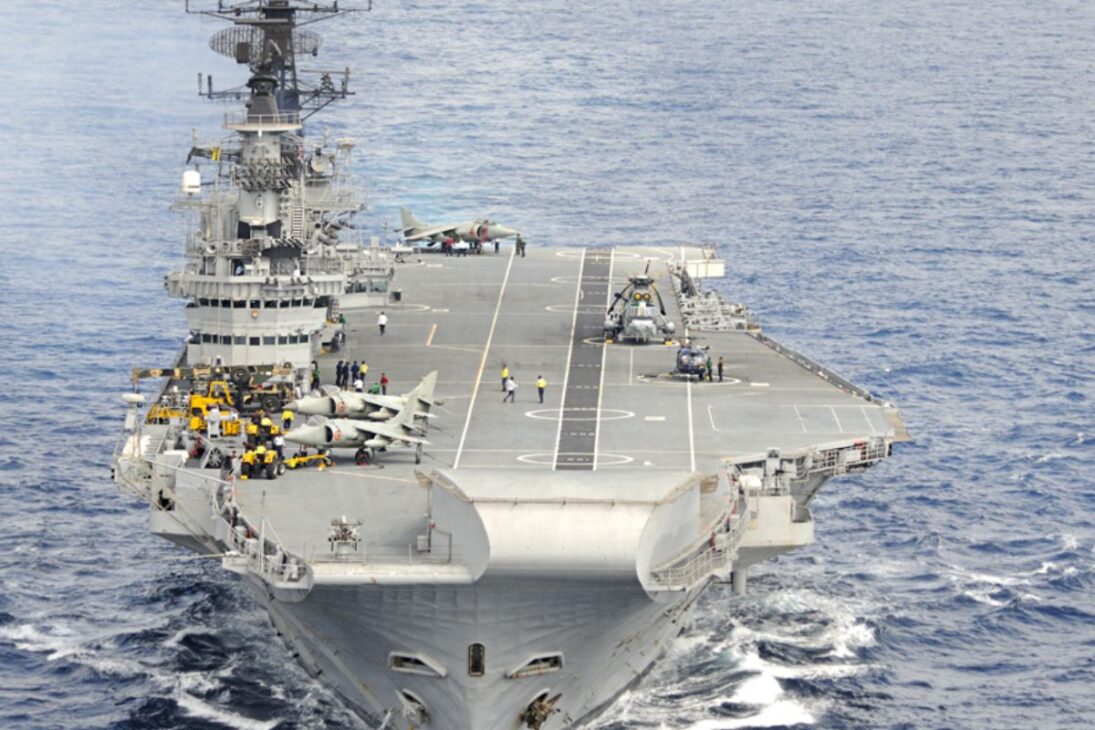
In 1987, the former HMS Hermes was officially incorporated into the Indian Navy and renamed INS Viraat.
The purchase was part of a broader strategy by New Delhi to strengthen its naval presence and develop experience in carrier operations.
India already had experience with the INS Vikrant, another aircraft carrier that had been in its fleet since the 1960s.
Even so, the INS Viraat began to take a central role in the country’s naval operations.
For years, it served as the flagship of the Indian Navy, commanding battle groups and military exercises in the Indian Ocean.
Structure and Capabilities of INS Viraat


The INS Viraat had characteristics that made it a versatile aircraft carrier for India’s naval strategy.
With a length of 227 meters, the ship was capable of carrying various combat aircraft and military helicopters.
Among the main aircraft operated were the Sea Harrier fighters, known for their short takeoff and vertical landing capabilities.
These aircraft allowed the aircraft carrier to operate with greater flexibility in naval missions.
The ship could also carry about two dozen aircraft, including helicopters used for maritime patrol, anti-submarine warfare, and logistical support.
In addition, the INS Viraat had anti-aircraft defense systems and electronic equipment that allowed it to operate in naval conflict scenarios.
Modernizations and Decades of Operation
Over the years, the INS Viraat underwent various modernizations to extend its service life.
These updates allowed the ship to adapt to technological changes in naval aviation.
India invested in improvements to the flight deck, radar systems, and combat equipment.
These modifications enabled the aircraft carrier to continue operating even decades after its original construction.
Thanks to these updates, INS Viraat remained active for nearly 30 years in the Indian Navy.
During this time, the ship participated in military exercises, maritime surveillance operations, and strategic missions in the Indian Ocean region.
The Role of INS Viraat in India’s Naval Strategy
The INS Viraat was instrumental in consolidating India’s experience in carrier operations.
Operating a vessel of this type requires complex training for pilots, deck crews, and naval commanders.
Every aircraft landing and takeoff involves highly coordinated procedures.
For decades, the ship served as a learning platform for Indian naval aviation.
This experience helped India advance in the development of new vessels.
Subsequently, the country incorporated other aircraft carriers, such as the INS Vikramaditya, which took on the role of the fleet’s main vessel starting in 2013.
The End of INS Viraat’s Career
After a long journey at sea, the INS Viraat was officially decommissioned in 2016.
In total, the ship accumulated over five decades of operation, combining its time in the British and Indian navies.
During this time, it traveled thousands of nautical miles and participated in numerous military exercises.
Its long operational history made the ship one of the oldest aircraft carriers still in service in the world before its retirement.
INS Viraat eventually became a symbol of the evolution of the Indian Navy and the history of naval aviation in the country.
The journey of the INS Viraat shows how a single ship can span different periods of world naval history.
Built in the United Kingdom, incorporated by India, and operated for decades, the aircraft carrier played a central role in consolidating Indian naval aviation.
More than a military vessel, the INS Viraat represented a fundamental stage in the development of India’s maritime strategy.
And you, do you believe that traditional aircraft carriers like the INS Viraat will still have a relevant role in the navies of the future, or should new technologies replace these giants of the sea?








Seja o primeiro a reagir!