





 Portuguese
  English
  Spanish
  6 min of reading
  0 comments


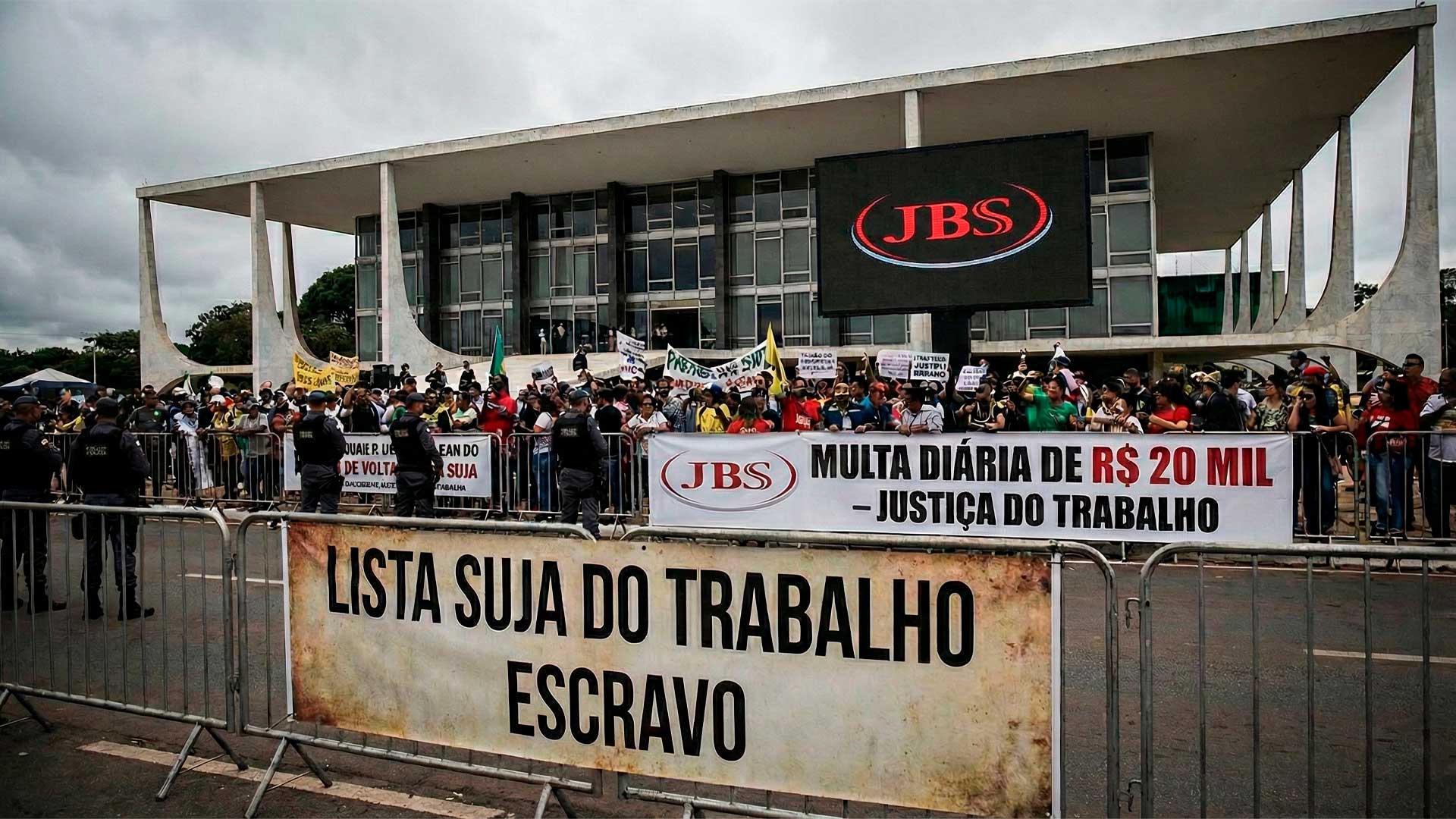
Labor Court Decision Orders JBS Aves, Santa Colomba, and Apaeb to Return to the Dirty List of Slave Labor Within Five Days, Under Daily Fines of R$ 20,000.
The Labor Court has determined that JBS Aves, Santa Colomba Agropecuária, and the Community Association for Sisal Production and Marketing (Apaeb) be re-included in the Registry of Employers that subjected workers to conditions analogous to slavery, known as the dirty list of slave labor, within five days.
The decision was signed by substitute judge Katarina Roberta Mousinho de Matos of the 11th Labor Court of Brasília, who also established a daily fine of R$ 20,000 in case of non-compliance with the order.
The registry is managed by the Ministry of Labor and Employment (MTE) and is considered one of the main public policies to combat contemporary slavery in the country.
-
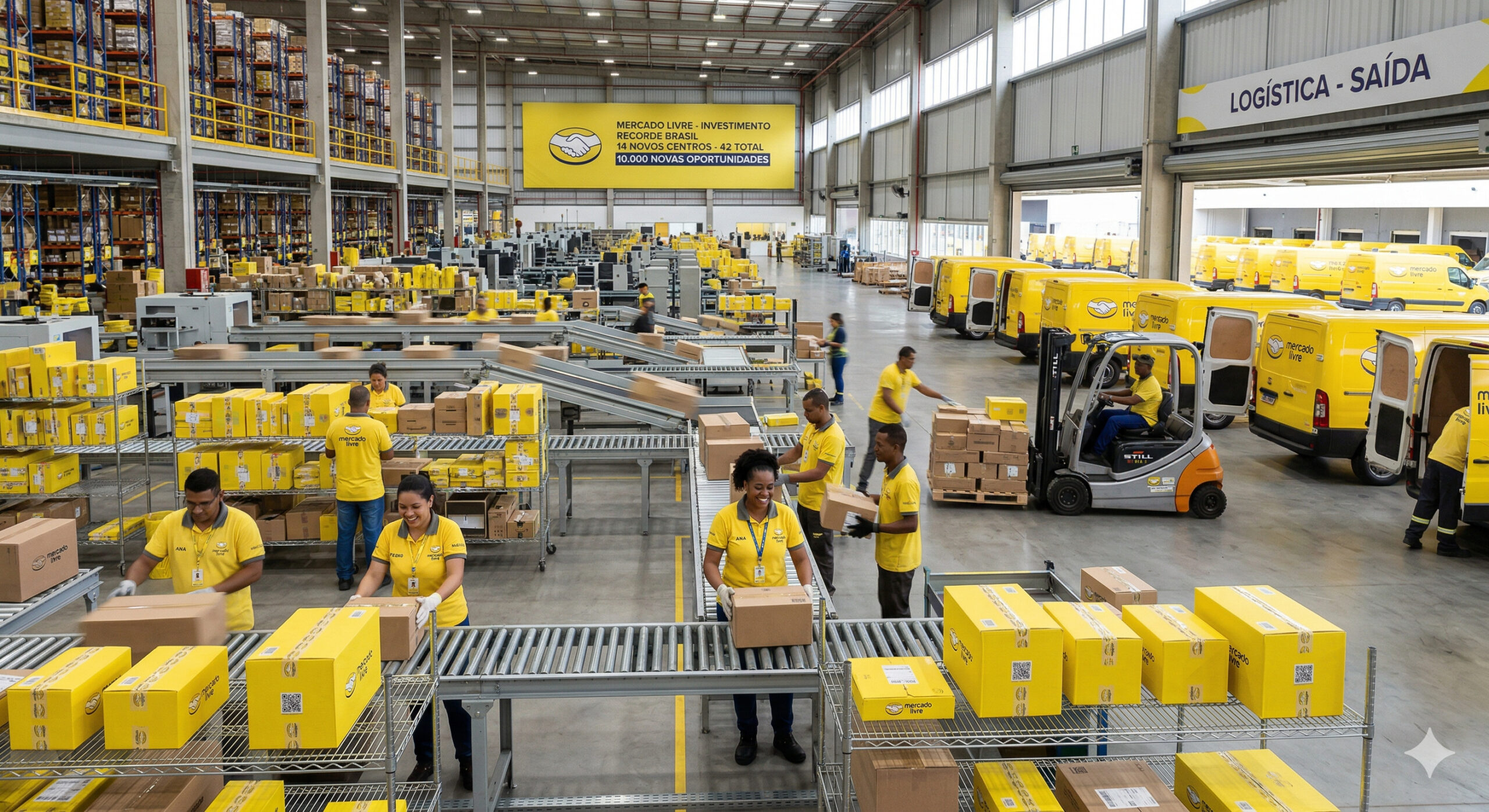
Mercado Livre “opens the vault” and announces a record investment of R$ 57 billion in Brazil in 2026, a value 50% higher than the previous year, with an expansion plan that includes 14 new logistics centers, totaling 42 units in the country and hiring an additional 10,000 employees.
-
How investment in technology can revolutionize the national economy and enhance industrial gains, according to a study that highlights the direct impact on productivity, innovation, and wealth retention within Brazil.

-
The largest food company on the planet, JBS, has just opened a 4,000 square meter laboratory in Florianópolis to develop customized proteins that modulate muscle mass gain, immune response, and metabolic performance.

-
After nearly 30 bids and competition among industry giants, a Spanish company purchases one of the largest airports in Brazil for almost R$ 3 billion and takes over the management of Galeão in a concession that will last until 2039.


By ordering the return of the three companies to the list, the judge also mandated that the federal government resume regular and transparent updates to the document. According to the decision, the suspension of inclusions lacked sufficient legal basis.
The judge reacted to dispatches from the Minister of Labor, Luiz Marinho, which had blocked the inclusion of the companies in the list even after the conclusion of administrative processes, which allowed for broad defense and appeals.
She classified as serious the act of imposing “unjustifiable secrecy” on decisions that prevented the official publication of names, which in practice shielded social and judicial control over the fight against slave labor. For the judge, this was an affront to principles such as impersonality and administrative morality.
The case of JBS Aves is connected to inspections at farms in Rio Grande do Sul, where MTE teams rescued at least ten workers in degrading conditions and working hours of up to 16 hours a day in December 2024.
The company claims to have “zero tolerance” for labor violations and states that it terminated the contract with the outsourcing company as soon as it became aware of the irregularities, while the MTE and the Labor Prosecutor’s Office (MPT) held the company directly responsible for the use of labor in conditions analogous to slavery.
What Changes with the Return of Companies to the Dirty List
Inclusion on the dirty list of slave labor has concrete effects for companies. Names remain on the registry for two years, during which public and private financial institutions typically restrict access to credit and renegotiations, in addition to the reputational impact among consumers, investors, and major buyers.
Experts identify the registry as a tool that generates economic consequences for those who violate fundamental rights.
With the new decision, the government will have to republish the list with the three companies included and resume periodic updates to the registry. The order reinforces that, once the administrative process proving analogous slave labor is completed, inclusion becomes mandatory and not a political choice of the ministry’s leadership. According to the MPT, only employers who have exhausted all administrative resources enter the list.
The judge also warned that any non-compliance may constitute criminal responsibility, disobedience, and administrative improbity, with the possibility of personal accountability for the authorities involved.
The message is that technical decisions by tax auditors and legal areas cannot be annulled for political or economic interests. The daily fine of R$ 20,000 seeks to pressure the Union to comply quickly with the determination.
How Inspections Found Slave Labor in JBS Suppliers
The origin of the case is an operation conducted in December 2024 at farms supplying JBS Aves in the interior of Rio Grande do Sul.
Auditors from the Ministry of Labor reported exhausting daily workloads of up to 16 hours, inadequate housing conditions, food based on discarded chickens, and a lack of proper protective equipment. Ten workers, mostly young, were rescued in conditions analogous to slavery.
Direct liability of JBS Aves for the case was formalized in 2025, when the MTE concluded that the company controlled the schedule and routine of work through the outsourced company responsible for bird catching.
In other inspections, including in Minas Gerais, JBS’s supply chain had already faced similar complaints, which intensified pressure from oversight bodies and civil society organizations for the group to review its purchasing policy.
Dispute Between MPT and Ministry of Labor Exposes Risk of Political Interference
The Labor Prosecutor’s Office filed a lawsuit against the Union to compel the government to return JBS Aves, Santa Colomba, and Apaeb to the dirty list of slave labor. In the view of the prosecutors, the avocation made by Minister Luiz Marinho, who took upon himself decisions already made by technical areas, circumvented the normal procedure of administrative processes and generated favorable treatment for companies cited for contemporary slave labor.
In one of the dispatches, the minister ordered that the decision not be published, which prevented society from accessing the information.
The judge classified this movement as “unjustifiable secrecy”, which effectively shields acts of social and judicial control. Prior to this, human rights organizations had already warned of the risk of political interference in the dirty list following the avocation of the JBS Aves case by the minister.
More than 30 civil society entities issued statements criticizing the change in posture of the MTE and demanding that the dirty list continue to be applied with technical criteria and autonomy of auditors.
For these groups, any sign of flexibility in applying the registry tends to encourage new exception requests by large companies. They emphasize that the credibility of public policy depends on clear rules applied to everyone.
The judicial decision also mentions Interministerial Ordinance 4/2016, which prohibits political interference in the management of the registry. According to the judge, the avocation affronts the purpose of the policy, violates impersonality, and contradicts the very jurisprudence of the Supreme Court, which has already recognized the constitutionality of the dirty list. Thus, the Justice reiterates that the instrument is one of active transparency and not an additional punishment.
The Ministry of Labor and Employment stated that it will appeal the decision as soon as it is notified. The ministry argues that the review of cases sought legal certainty and evaluated economic impacts, as JBS is one of the largest private employers in the country, with approximately 158,000 employees in Brazil alone.
However, for labor rights experts, the protection of human rights cannot be relativized for economic reasons.
Dirty List, Contemporary Slave Labor, and the Impact on Brazil
The JBS Aves case occurs in a context of resumption of operations to combat slave labor in the country. In 2024, the MTE conducted over a thousand specific fiscal actions and rescued 2,004 workers in conditions analogous to slavery, according to official data. Since the creation of special mobile inspection groups in 1995, more than 65,000 people have been freed from such situations in Brazil.
In October 2025, the government updated the dirty list and began disclosing 159 employers, both individuals and legal entities, held accountable for contemporary slave labor exploitation in various states and sectors, including agriculture, construction, and services.
There was an increase of about 20 percent compared to the previous update, highlighting both the progress of inspections and the persistence of the practice.
The dirty list has been validated by the Supreme Federal Court as a tool of transparency and is already recognized by the UN and ILO as a good practice in combating modern slavery. By making the names of cited companies public, it encourages banks, major retail chains, and consumers to pressure for cleaner supply chains.
Therefore, decisions that limit or politicize the use of the registry raise an alert for those following the agenda of human rights and social and environmental responsibility.
What do you think weighs more in this case, the need to protect fundamental labor rights or the argument that large companies should not be exposed for fear of economic and reputational impacts? The judge’s decision dismantles a political maneuver and places JBS Aves and other companies under public scrutiny, but the government still promises to appeal. Share your opinion in the comments.







-

-

-

-

-

17 pessoas reagiram a isso.