





 Portuguese
  English
  Spanish
  6 min of reading
  0 comments


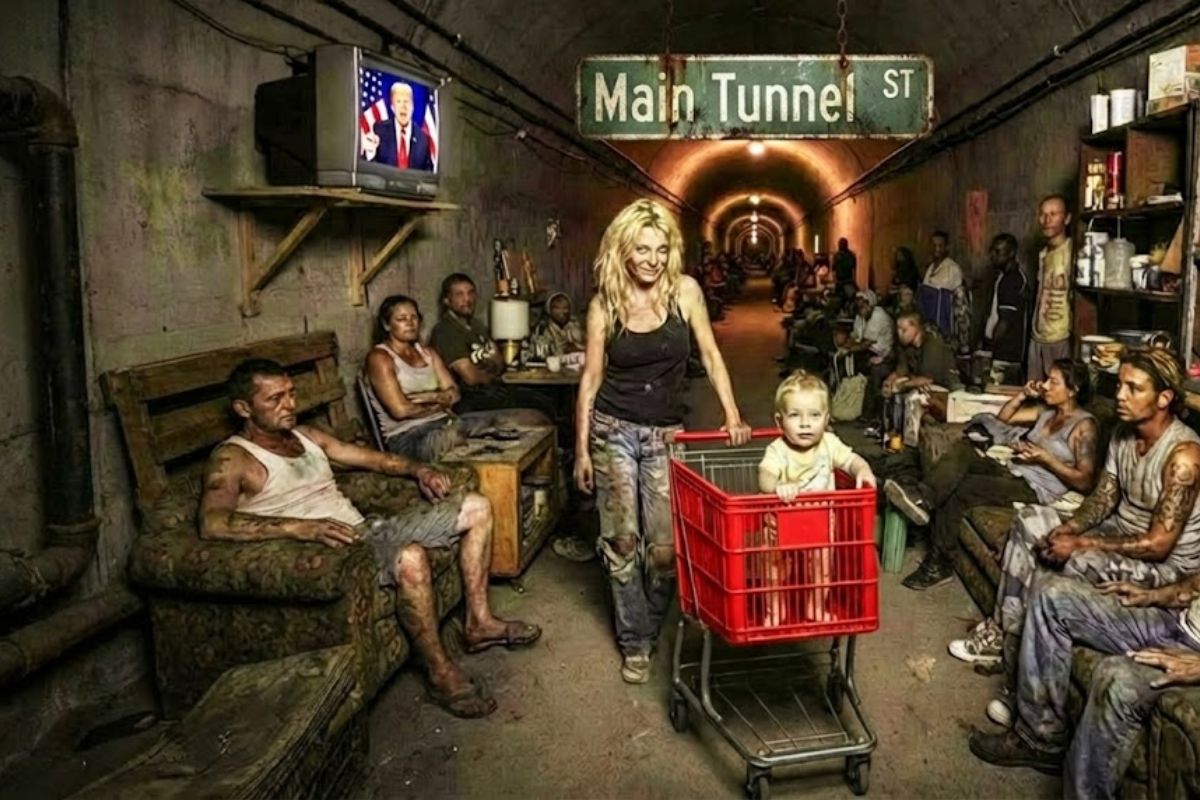
While Casinos Shine On The Surface, The Tunnels Of Las Vegas House A Subterranean City Of Las Vegas, Where Tunnel Dwellers And Homeless People In Las Vegas Face Floods In Las Vegas, Violence, Drugs, Mental Illness, Disappearances And An Invisible Daily Life To Tourists, Authorities And Even To The City Itself Above.
Underneath the illuminated Strip, the tunnels of Las Vegas extend for about 320 km, seven stories below the ground, forming a labyrinth where around 1,500 people live in almost complete darkness. While tourists lose money at the tables, there are people down there losing documents, health, safety, and often, their very identity.
In this underground, the rule is simple and cruel: those who do not adapt to the labyrinth, die. The tunnels were built to drain rainwater, but ended up becoming a subterranean city of Las Vegas, with territories, nicknames, codes of coexistence, “streets,” “neighborhoods,” and stories that never appear in official tourism materials.
A Labyrinth Hidden Beneath The Gaming City

Under the image of luxury and neon, the tunnels of Las Vegas form a parallel world. There are about 320 km of drainage tunnels where the sound of cars echoes off the concrete ceiling while people live in tents, old mattresses, improvised furniture, and piles of objects rescued from the city’s trash.
-
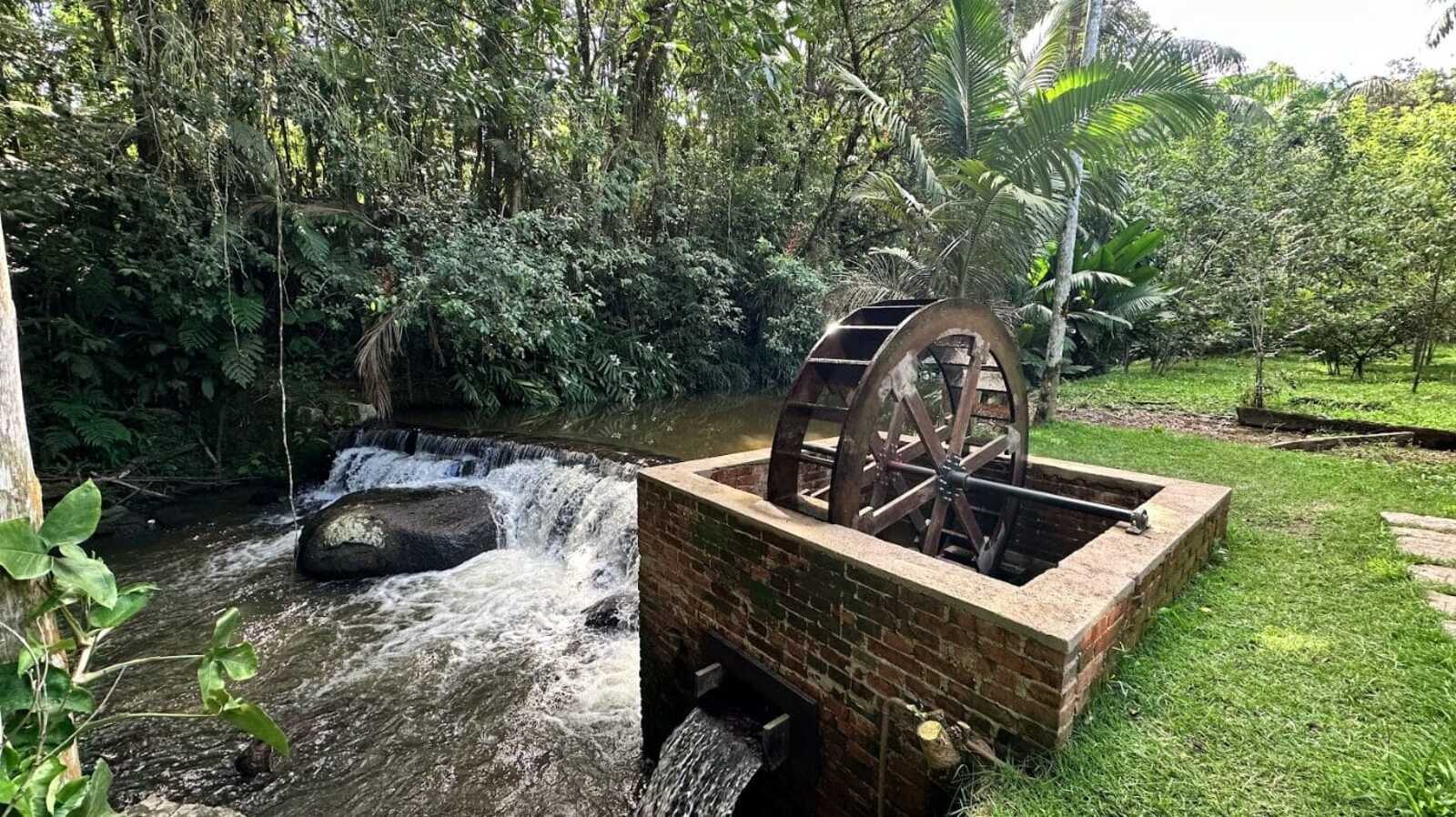
While restoring a historic mansion from 1910, a brick structure with an old turbine that generated energy from the Rio do Testo emerged, along with a hidden door and a rare floor concealed under layers of wax.
-
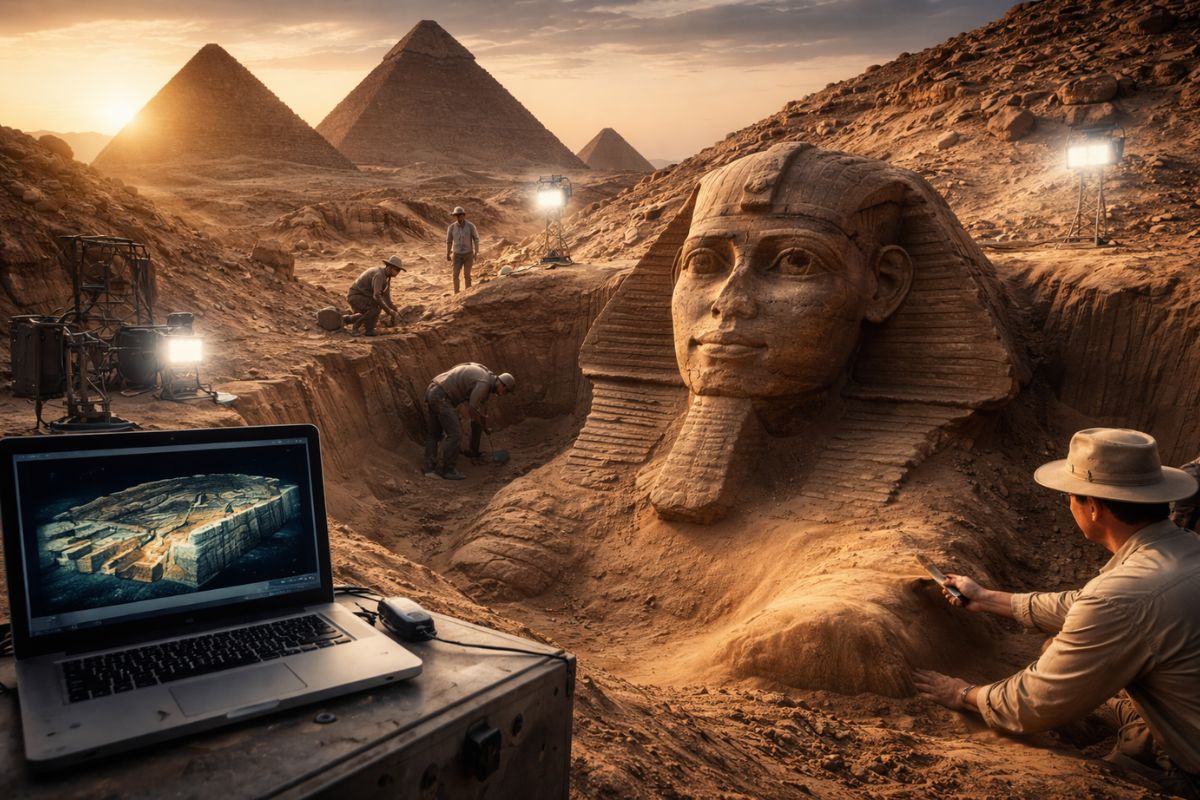
Italian researchers have detected what appears to be a second Sphinx buried under the sands of Egypt, and satellite scans reveal a gigantic underground megastructure hidden beneath the Giza Plateau for over 3,000 years.
-
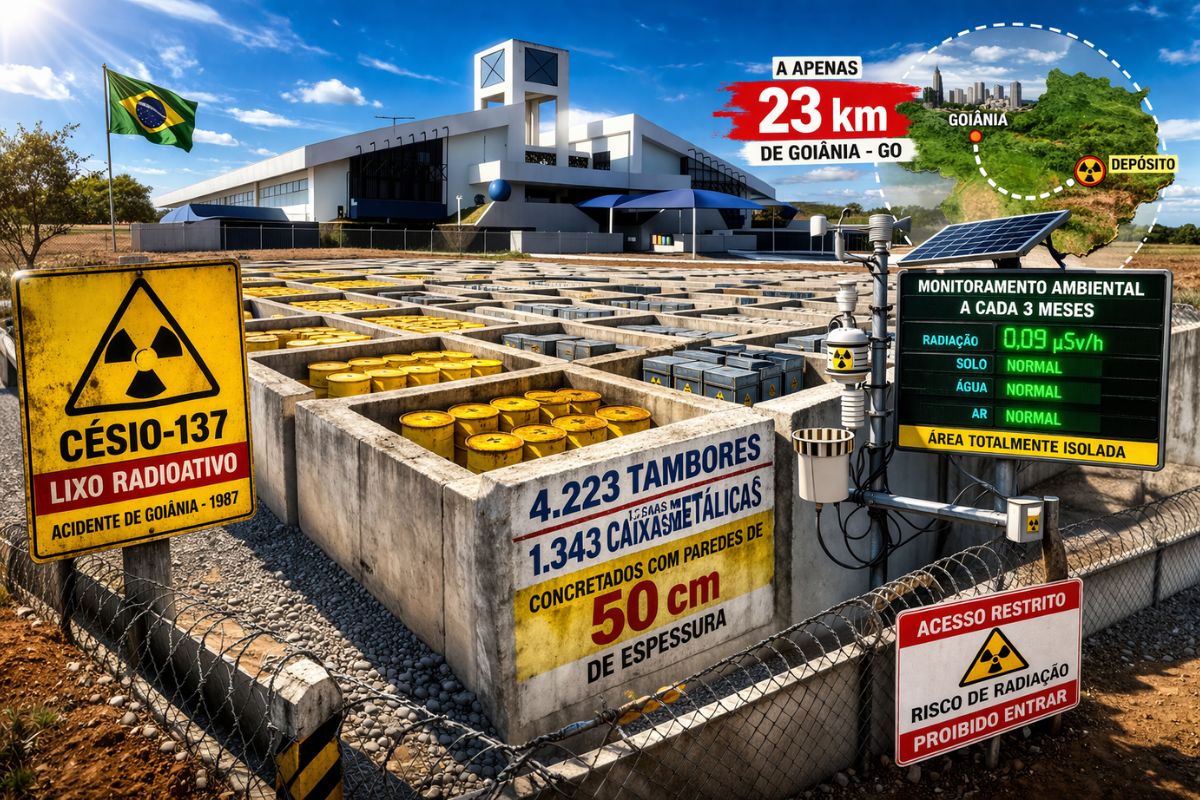
There are 4,223 drums and 1,343 metal boxes concreted with 50-centimeter walls that store the radioactive waste from Cesium-137 in the worst radiological accident in Brazil, just 23 kilometers from Goiânia, with environmental monitoring every three months.
-
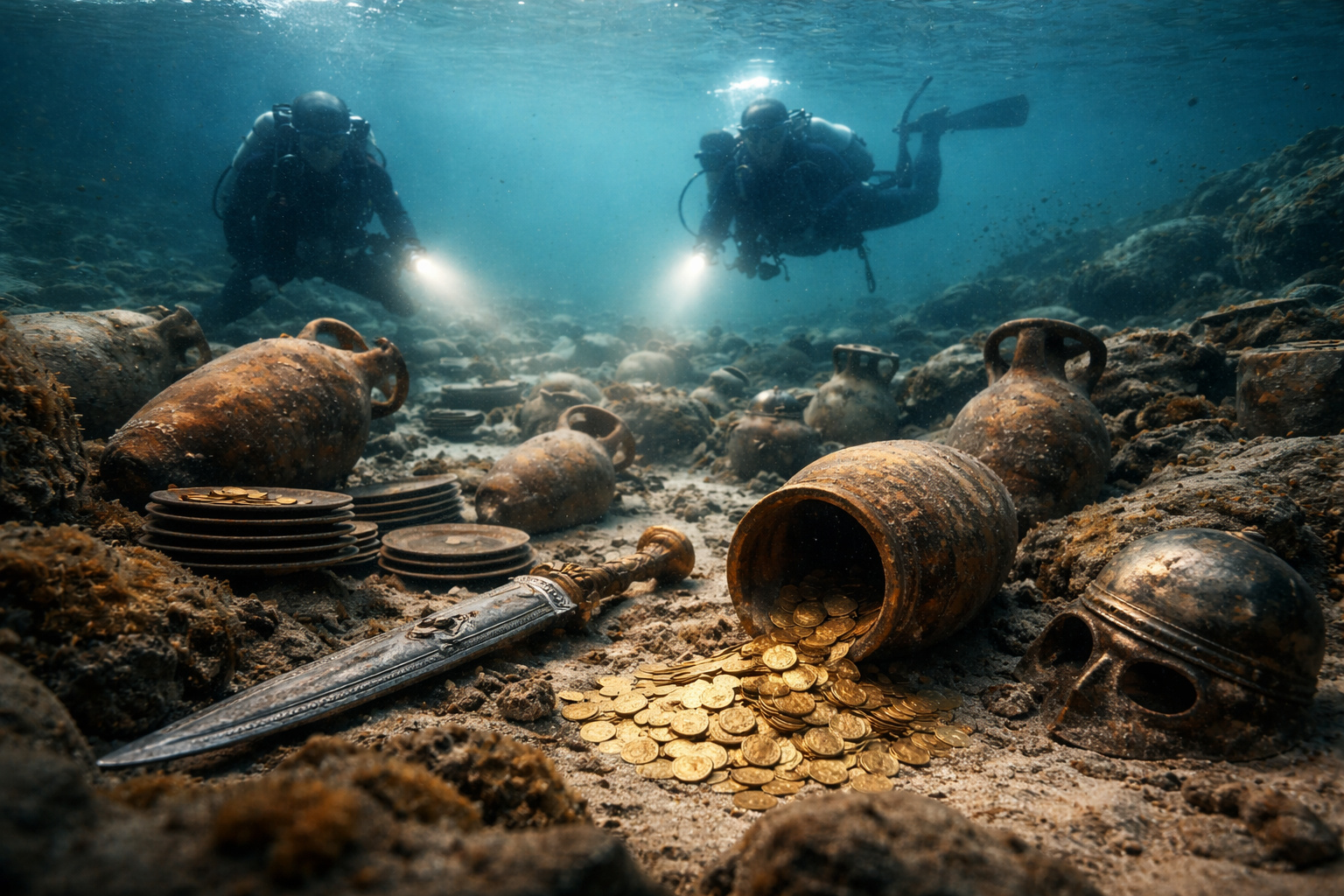
Giant Roman treasure found at the bottom of Lake Neuchâtel in Switzerland reveals an advanced trade system, circulation of goods, and armed escort in the Roman Empire about two thousand years ago.
Those who know the informal map of this subterranean city of Las Vegas can cross huge stretches without returning to the surface.
Some tunnel dwellers say they can cross the entire city just by walking underground, using memory, touch on the walls, and landmarks that no one on the surface would ever notice.
Up above, Nevada’s casinos rake in billions a year. Down below, the homeless in Las Vegas sleep in structures designed for floods, not for people, always with the feeling that any unusual noise could mean a stranger entering, a fight breaking out, or the water rising.
Floods In Las Vegas: When Water Becomes A Deadly Weapon

The desert deceives. The ground around the city is so hard that rainwater cannot penetrate, so the drainage system was built to divert the floodwaters into these tunnels beneath Las Vegas. It works well to protect the casinos. For those who live there, it’s a Russian roulette.

Even on a clear day on the Strip, a storm miles away can cause floods in Las Vegas and turn the tunnels into traps in a matter of minutes.
The water rushes down at high speed, carrying trash, debris, rats, and everything else in its path. There are no sirens, no warnings; often the only “alert” is the sound of the water approaching.
Residents report that in less than 10 to 20 minutes the water level can rise to several meters, enough to sweep away tents, mattresses, bicycles, and people. The saying that circulates down there is cruel: “the current never loses.”
These floods in Las Vegas have already claimed the lives of many who simply did not have time to run.
Who Are The Tunnel Dwellers
Most of the tunnel dwellers are people who were already homeless on the surface and descended in search of “shelter” away from police violence, the strong sun, and the disapproving glances. Down there, nobody asks for identification, nobody asks for a social security number, and nobody charges rent.
There are ex-workers who lost everything after retirement, people who came to try their luck at gambling and ended up without money or a ticket back, substance dependents, people with mental disorders without support, and also those who were born or grew up there, children who spent much of their lives without seeing the sunlight regularly.
Many homeless people in Las Vegas who descend into the tunnels end up losing their documents. Without identification, they cannot secure formal jobs, housing, or social programs.
On paper, it’s as if they do not exist, reinforcing the cycle where the subterranean city of Las Vegas becomes the only possible “address.”
Violence, Overdoses And The Rule Of “Everyone For Themselves”
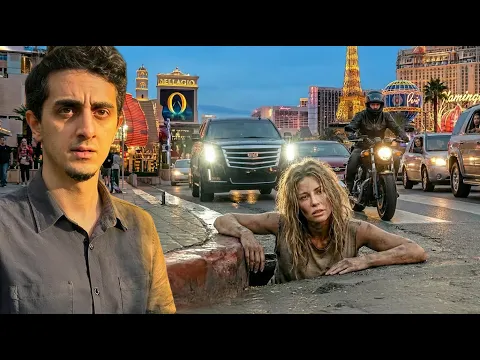

In the dark, away from cameras and the constant presence of police, the rule is simple: “nobody really controls anything”.
Guns circulate, knives appear in trivial discussions, and disputes over bicycles, drugs, or small possessions often end in serious violence, like the resident who got hit in the head with a board over a bike.
Drugs are part of the routine for many tunnel dwellers. Overdoses are so common that volunteers bring Narcan, a nasal spray capable of reversing some cases, to try to save those who fall unconscious.
Stories of people who died “right there, last night” are repeated from tunnel to tunnel. In some spots, improvised crosses and notes with “Rest in Peace” mark the places where someone lost their life.
At the same time, there are bonds of solidarity. Residents share food, blankets, hydrant water, chairs, and small improvised alcohol stoves.
But even this attempt at community coexists with constant fear: an aggressive person, a fire, a fight, or simply someone having a breakdown can turn the “neighborhood” into a war zone in a matter of minutes.
Living Without Light, Without A Bathroom, And Without An Address
Daily life in this subterranean city of Las Vegas has a brutal routine. There are no formal bathrooms: many use buckets with plastic bags, which are then discarded with the trash.
The floor mixes standing water, sewage, trash, dead animal remains, and objects brought in by the floods. The smell is described as something that “seems glued to the skin.”
Without stable electricity, many tunnel dwellers go years without using a flashlight, guiding themselves by memory and touch. In some stretches, a small gap in the ceiling lets in sunlight, creating rare “windows” to the surface, where one can see cars passing or even the famous Caesars Palace through metal grates.
Bicycles are so important that many people say that “a bike here is the car for those who live below”. They are used to scavenge food from hotel dumpsters, look for water, try to sell scrap, and cover long distances within the tunnels.
Without a bike, the homeless in Las Vegas depend only on their legs, which means hours of walking in the dark, with the risk of getting lost.
Trauma, Mental Health And The Sense Of Not Existing
The prolonged darkness affects not only vision. Reports of people “turning gray,” seeming to lose color, appear alongside mentions of paranoia, panic, and hallucinations. Some say they hear footsteps outside the tent, go out to check, and find nobody. Others talk about voices calling their name in the empty tunnel.
A resident recounts seeing a tall, thin, dark figure “darker than the dark itself” moving through the tunnels. For those who live there, the line between real fear, trauma, and possible hallucinations is very hard to distinguish.
The brain adapts to the constant risk, the darkness, and the idea that at any moment something could happen without witnesses.
This scenario is worsened by the lack of documents and connections. Many homeless people in Las Vegas lost contact with family years ago.
Parents who haven’t seen their children since they were teenagers, grandparents left behind, relatives who prefer not to ask “where are you.” The combination of extreme poverty, trauma, drug use, and invisibility creates a situation where leaving the tunnels seems as difficult as entering them.
The Contrast Between Postcard Vegas And Invisible Vegas
While tourists pose smiling in front of casinos and shows, the tunnels of Las Vegas continue hiding stories of people who have lost homes, health, ties, and hope, yet still organize their own logic of survival.
The sound of traffic serves as a soundtrack, constantly reminding that this subterranean city of Las Vegas exists literally beneath the tourist center of the “Sin City”, separated only by a few meters of concrete.
Above, lights, fountains, luxury hotels. Below, wet mattresses, rats, buckets used as bathrooms, and the fear of the next flood in Las Vegas catching everyone sleeping.
For many tunnel dwellers, the idea of “the future” is vague: some say they hope to get out of there, while others admit they might die in that place.
What unites them is the fact that they live in a space where almost nobody wants to look for too long, because it forces them to confront the human cost of the city that shines for the world.








-

-

-

4 pessoas reagiram a isso.