





 Portuguese
  English
  Spanish
  3 min of reading
  0 comments


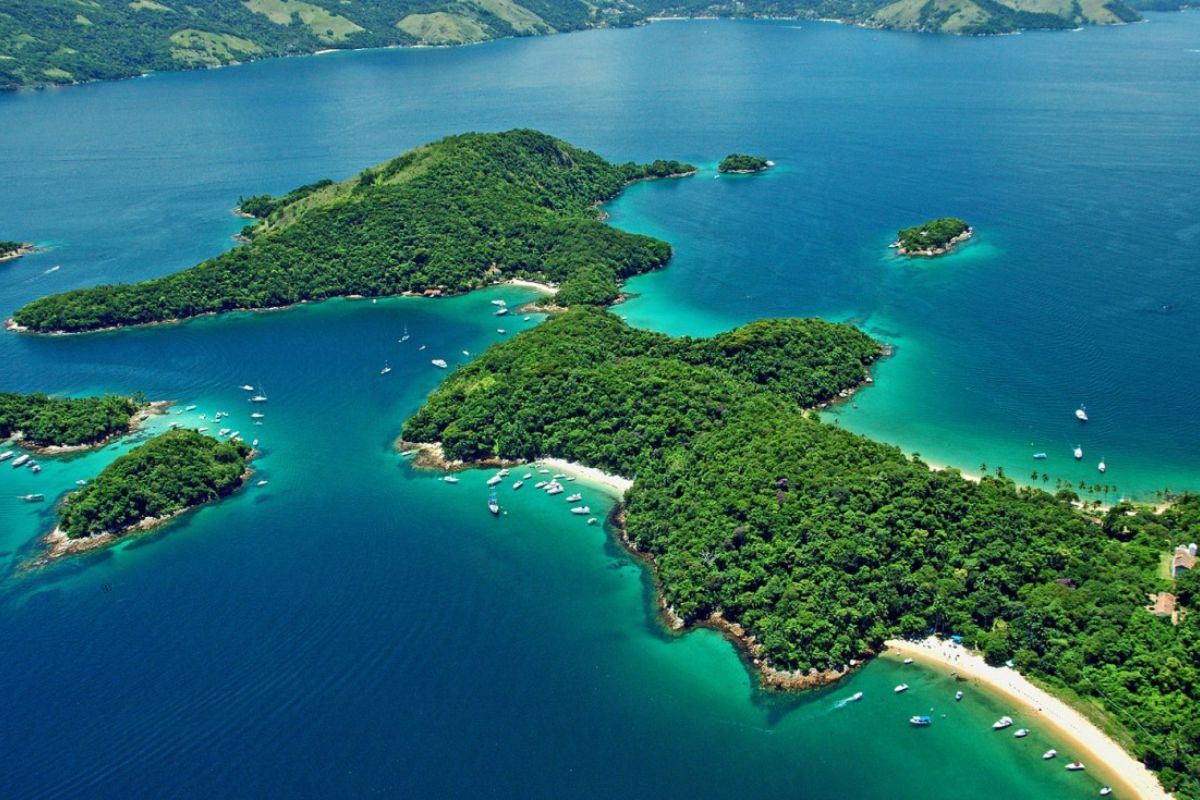
Angra dos Reis Offers An Island For Every Day Of The Year And Combines Tourism, Environmental Conservation, And Quality Of Life
The city of Angra dos Reis, on the southern coast of Rio de Janeiro, is world-renowned for housing 365 islands — one for each day of the year. More than just a curious fact, this archipelago has become one of the main destinations for ecological and nautical tourism in Brazil, attracting visitors seeking nature, tranquility, and adventure.
Located between the crystal-clear waters of the Costa Verde and the preserved Atlantic Forest, Angra offers unique experiences for those wishing to disconnect from the urban routine. With trails, secluded beaches, and traditional communities, the city combines biodiversity, caiçara culture, and established tourist infrastructure.
One Island Per Day And One Landscape Per Minute
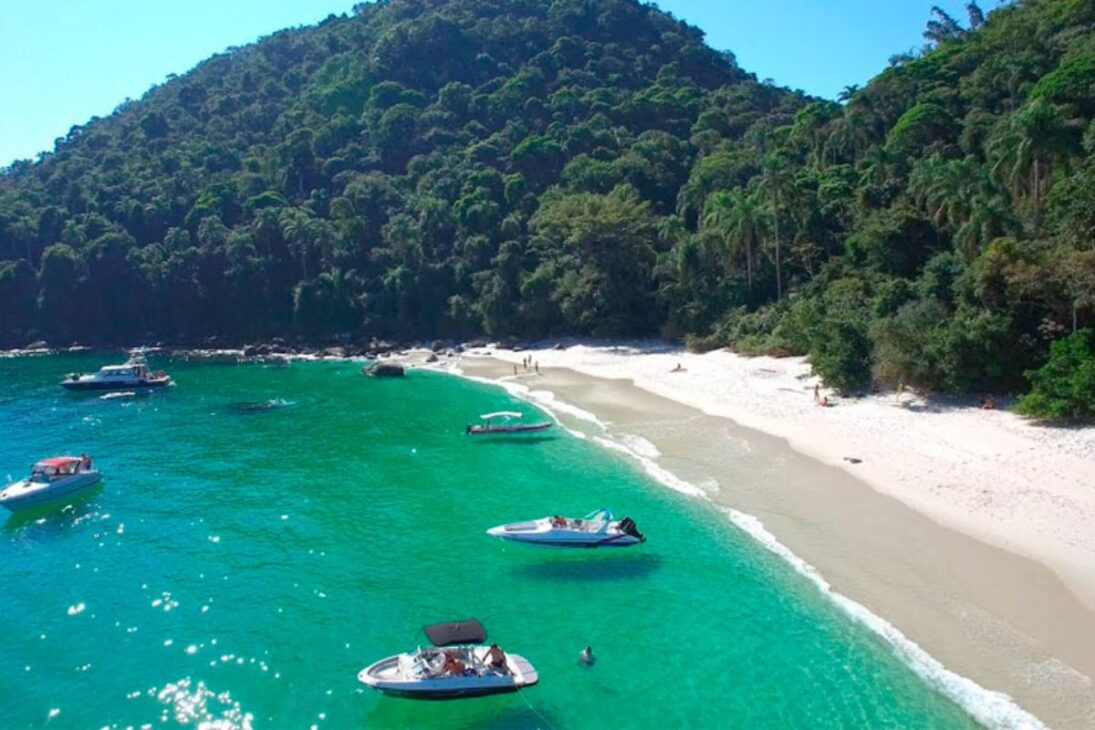
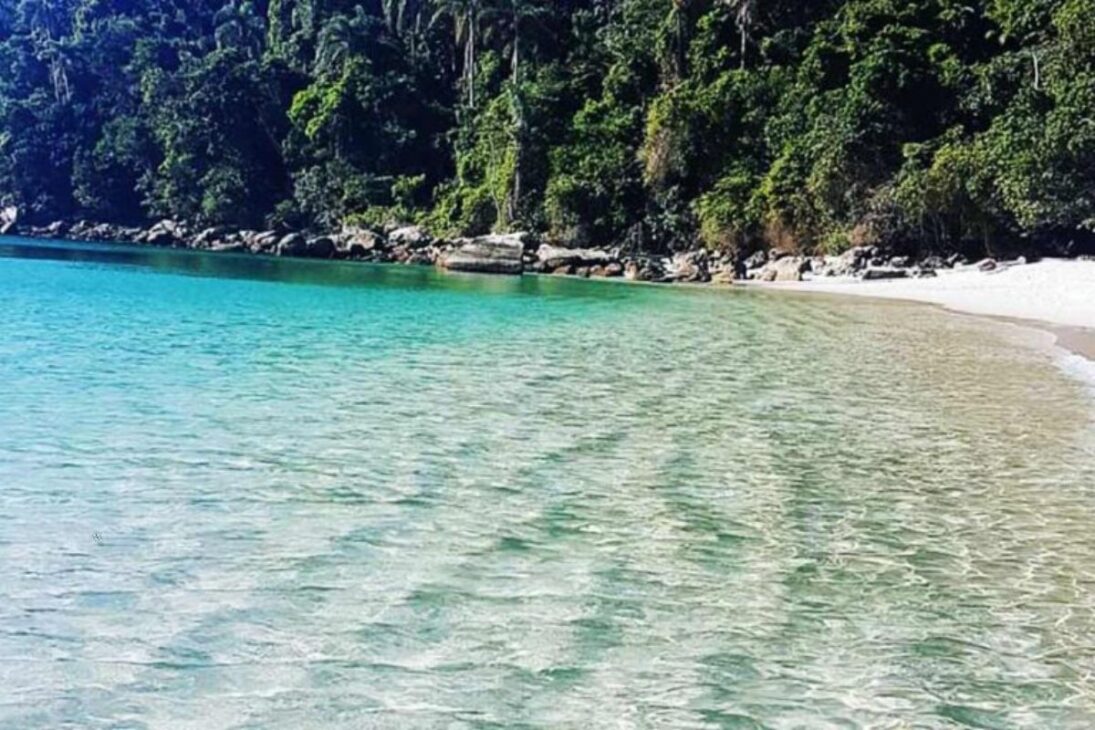
The impressive number of 365 islands reinforces the region’s tourist appeal. Among the most well-known is Ilha Grande, home to the famous Lopes Mendes beach, considered one of the most beautiful in the world. Ecological trails, diving in crystal-clear waters, and boat trips between islands like Gipóia, Cataguases, and Botinas are part of daily life for visitors.
-
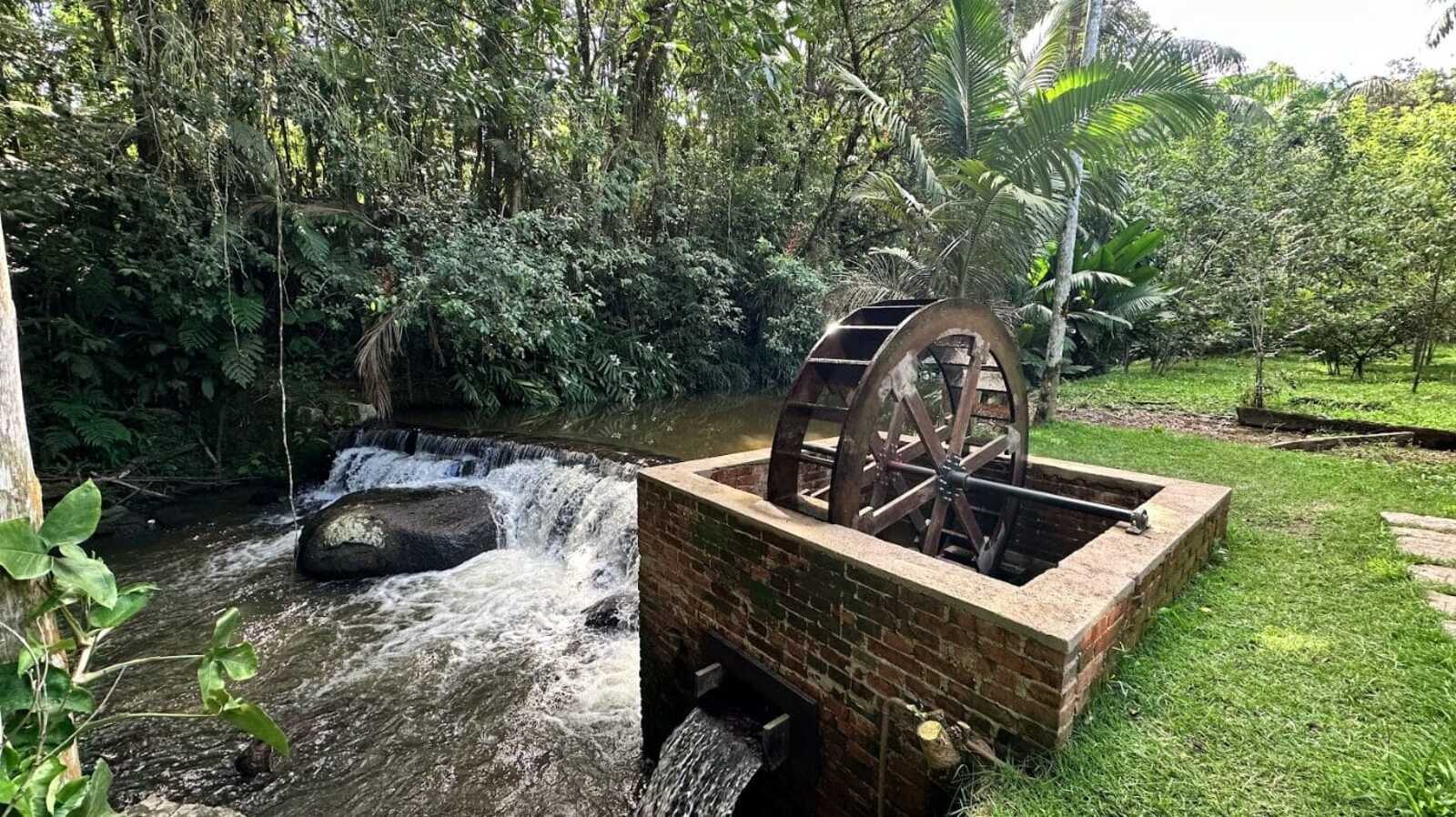
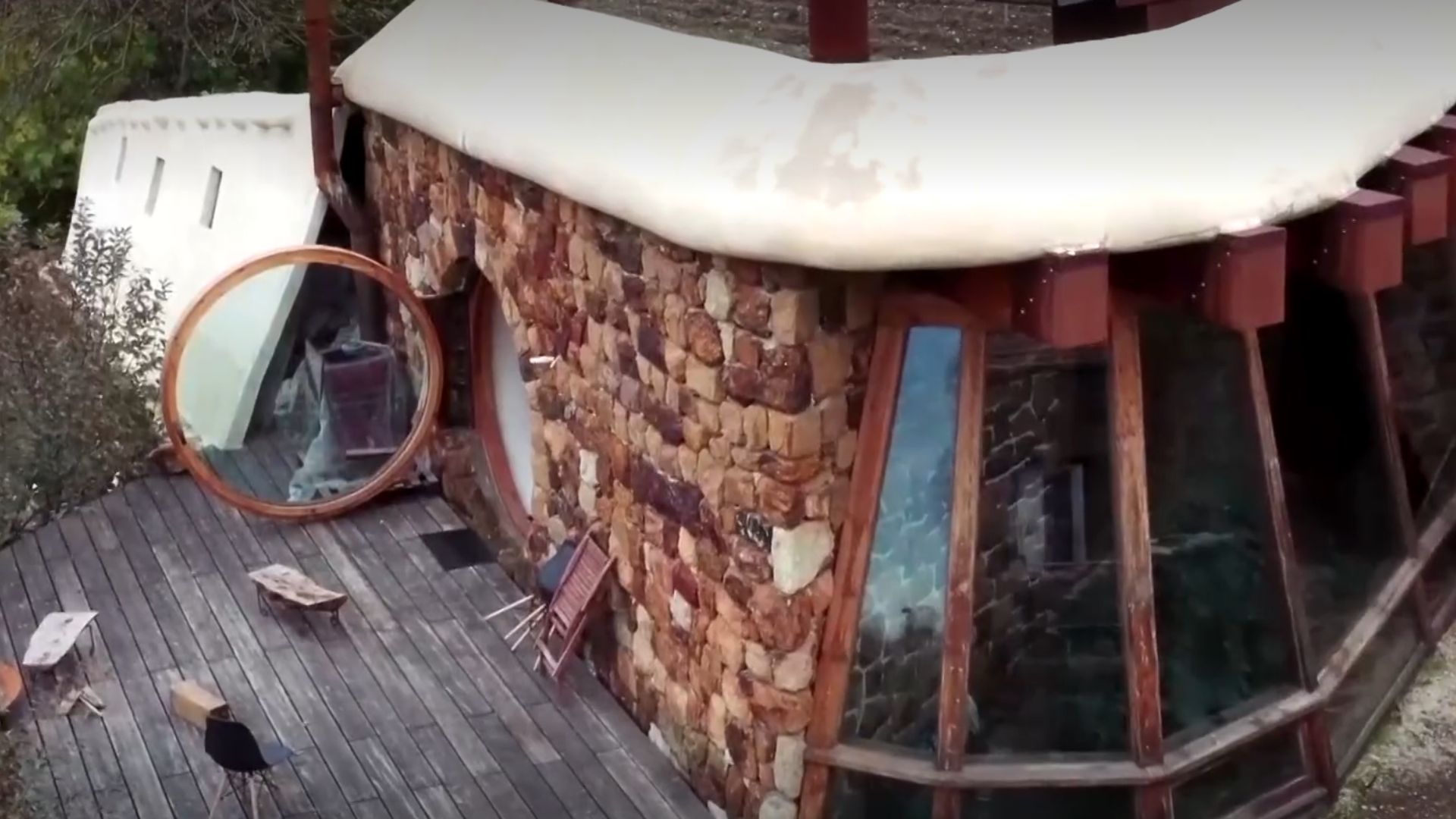
While restoring a historic mansion from 1910, a brick structure with an old turbine that generated energy from the Rio do Testo emerged, along with a hidden door and a rare floor concealed under layers of wax.
-
Italian researchers have detected what appears to be a second Sphinx buried under the sands of Egypt, and satellite scans reveal a gigantic underground megastructure hidden beneath the Giza Plateau for over 3,000 years.

-
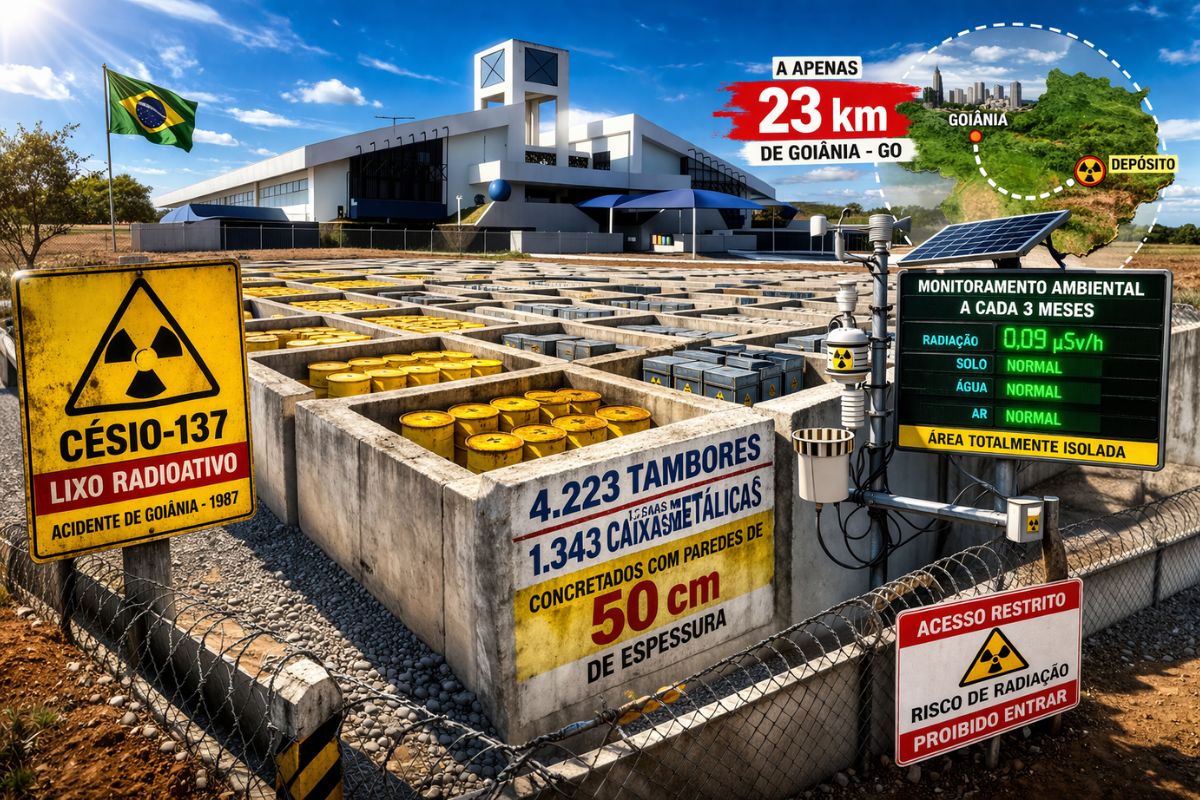
There are 4,223 drums and 1,343 metal boxes concreted with 50-centimeter walls that store the radioactive waste from Cesium-137 in the worst radiological accident in Brazil, just 23 kilometers from Goiânia, with environmental monitoring every three months.
-
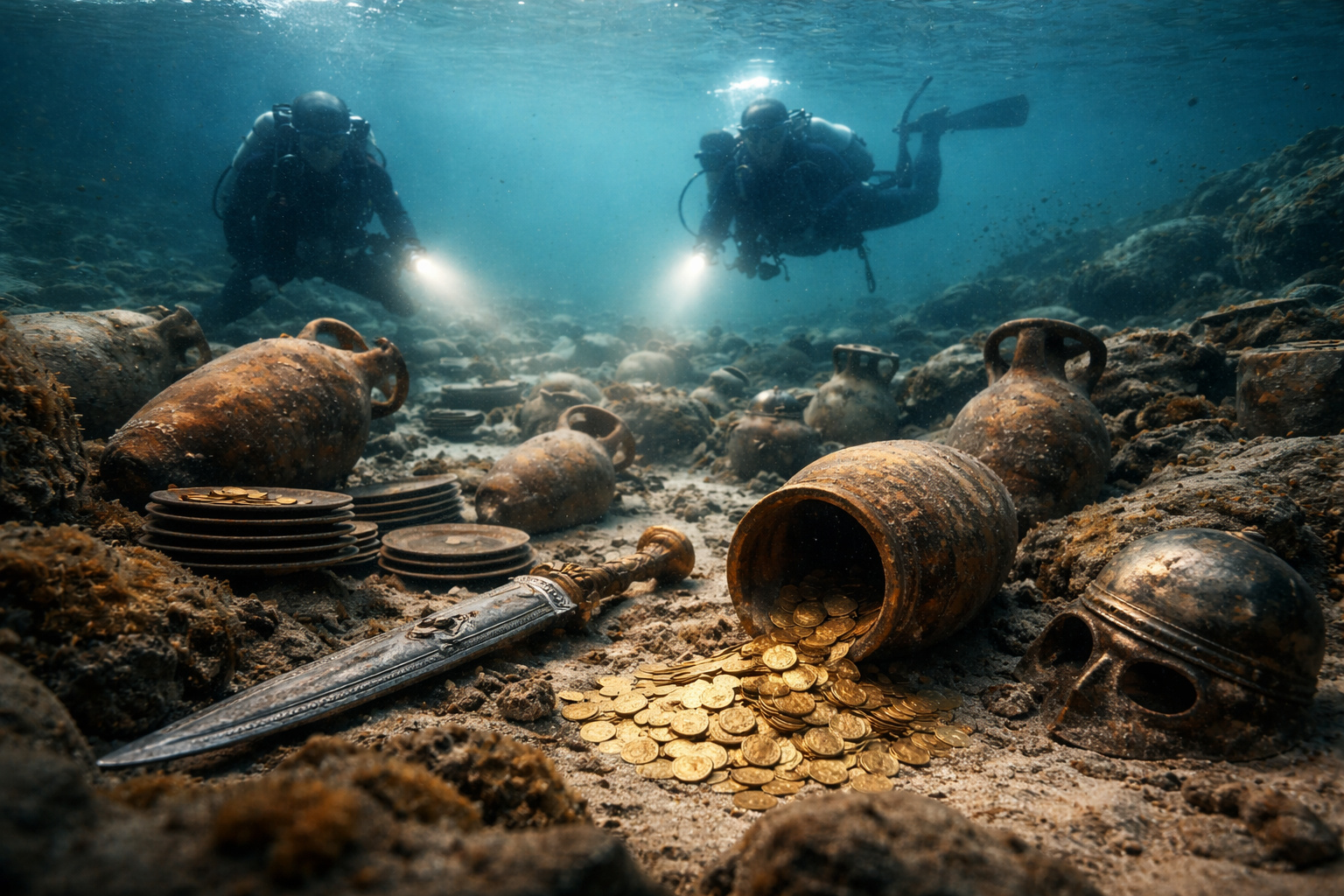
Giant Roman treasure found at the bottom of Lake Neuchâtel in Switzerland reveals an advanced trade system, circulation of goods, and armed escort in the Roman Empire about two thousand years ago.

Besides the beaches, Angra preserves areas of native forest with endemic species and stunning viewpoints, such as Pico do Papagaio and the Aventureiro trail. All this richness is safeguarded within protected areas, such as the APA de Tamoios and the Serra da Bocaina National Park.
Quality Of Life And Sustainability In Daily Life
Living in Angra dos Reis means interacting daily with the sea and practices of sustainability. The city has a consolidated basic infrastructure, including transportation by road and sea, as well as reliable energy and internet access in urbanized areas. The transportation system includes public boats and maritime taxis, essential for residents living on the islands.
In environmental aspects, the municipality is making progress with bans on disposable plastics, limitations on visitors to sensitive beaches, and incentives for solar energy. Selective waste collection is also a growing reality, demonstrating the local population’s commitment to preserving the paradise they inhabit.
Education Focused On The Ocean And Caiçara Culture
The proximity to the sea even influences education. The Federal Fluminense University (UFF) offers courses in Angra focused on Marine Biology, connecting science and local ecosystems. Municipal schools incorporate caiçara culture and environmental themes into their curricula, educating young people about the importance of marine conservation.
Technical training also aligns with the city’s profile: institutions like Senai offer training in tourism, diving, hospitality, and naval maintenance, preparing professionals for growing sectors in the region.
Tourism, Economy, And Local Tradition
Tourism is the main driver of the local economy, receiving about 2 million visitors per year. Schooner tours, accommodations, gastronomy, and commerce boost the municipality’s economy, generating jobs and income. But Angra is more than just tourism: the city also houses a naval industry, shipyards, and the Angra Nuclear Power Plant, contributing to infrastructure and the availability of skilled jobs.
Traditional culture remains alive in religious festivals, such as the Feast of Saint Sebastian, and in the local cuisine — particularly the fish with banana, a signature dish of the region. This connection between the past, nature, and modernity makes Angra dos Reis an example of balance between development and preservation.
Have you visited any of the 365 islands of Angra dos Reis? Which one enchanted you the most? Or do you think about living in such a place? Share your experience in the comments — we want to know how you live or dream of living in this Brazilian paradise.







Seja o primeiro a reagir!