





 Portuguese
  English
  Spanish
  5 min of reading
  0 comments


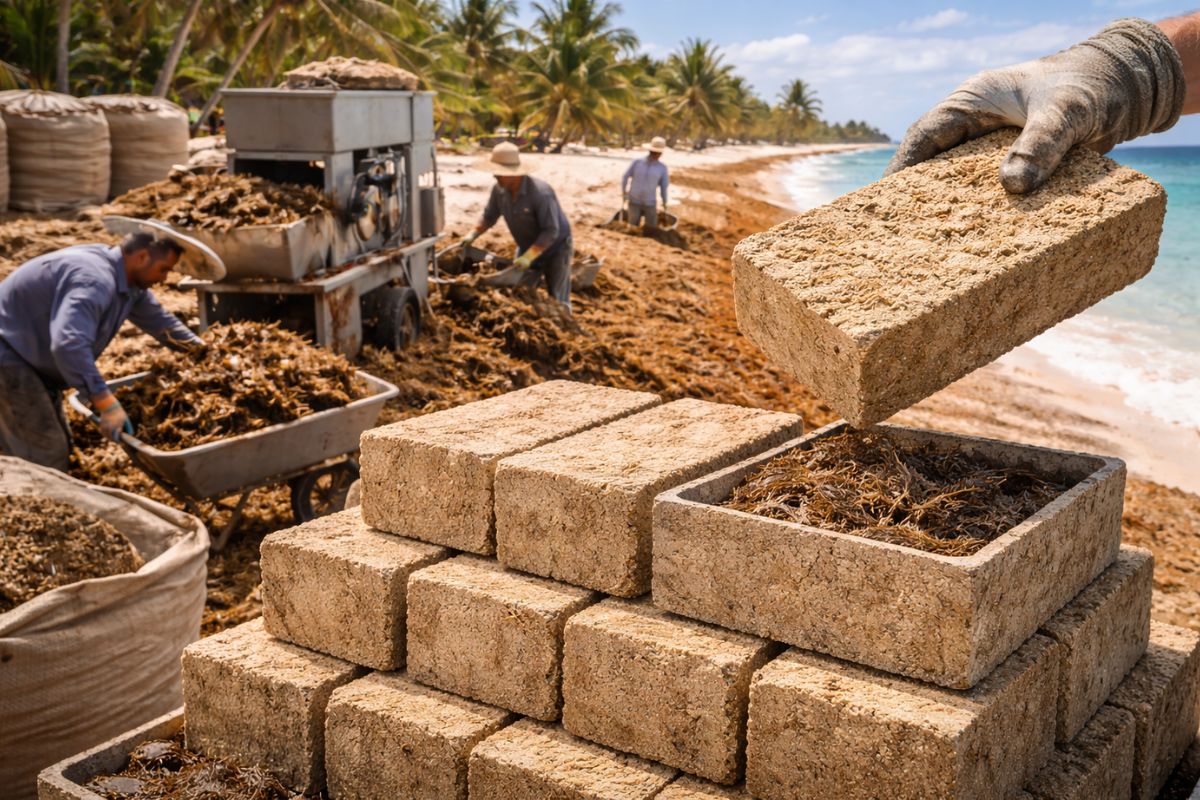
On The Coastal Strip Of Puerto Morelos In Quintana Roo, The Invasive Sargassum Stopped Being Expensive Mess For Hotels And Became Raw Material When Omar Vazquez Dries, Grinds And Mixes The Seaweed With Recycled Soil, Creating Recyclable Sargablocks That Have Raised Dozens Of Houses For Resilient And Thermal Families In Mexico.
The sargassum that washes up on the beaches of Mexico does not arrive in small portions. The dynamics described by local teams involve millions of tons accumulated throughout the year in different stretches of the coast, with decomposition that worsens the air and can bring respiratory discomfort, as well as a cleaning cost that pressures municipalities and hotels.
In Quintana Roo, the most visible response has always been to remove the seaweed as quickly as possible to preserve the sandy beach. The novelty is that part of this effort has begun to feed a productive chain that transforms sargassum into Sargablocks and attempts to convert an environmental liability into construction material for simple housing.
Sargassum Becomes An Environmental Bottleneck And A Permanent Cost On The Coast

Sargassum is described as an invasive species that appears and decomposes on the beaches, creating a scenario that mixes odor, loss of landscape, and the risk of respiratory discomfort for workers and residents.
-
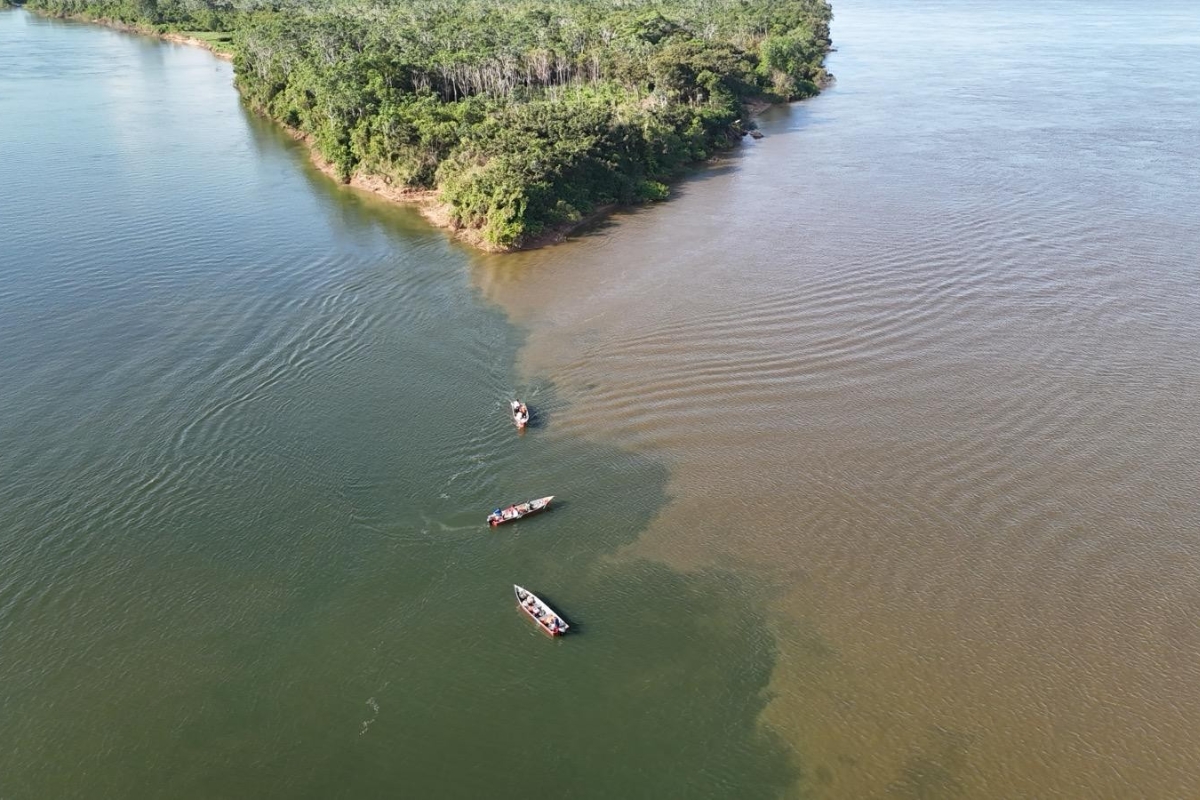
An impressive phenomenon in Northern Brazil causes rivers of different colors to flow side by side, revealing secrets about sediments, currents, and biodiversity.
-
While many schools are still struggling with the basics, a teacher in China went viral for having elementary school students build a two-stage rocket using plastic bottles, water, and pressurized air in a science class that caught the attention of the entire world.

-
10 million robots per year in unprecedented industrial scale place China at the forefront of automated production and raise the question of how far machines can manufacture other machines.

-
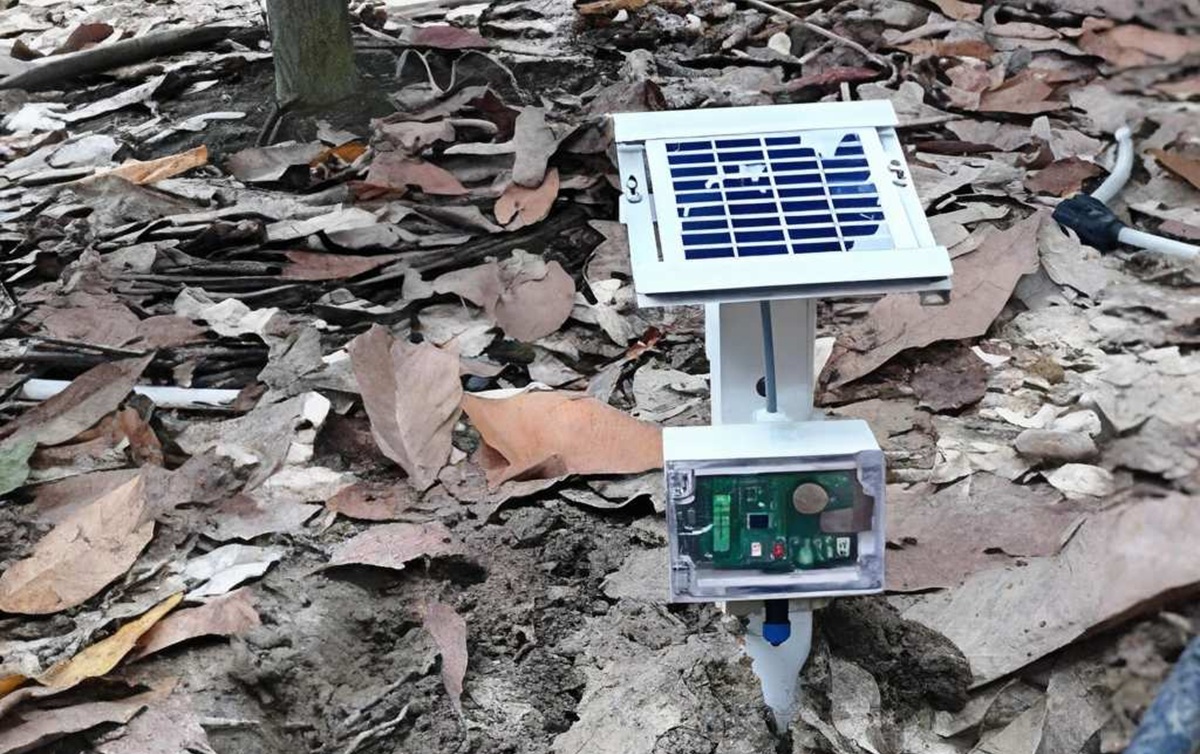
Researchers in Malaysia buried sensors at 15 and 30 cm and can now predict soil moisture with 95.49% accuracy, helping the field to irrigate only at the right time and reduce water waste.
When the sargassum tide grows, the problem becomes routine operational, with teams and machines dedicated solely to removing seaweed.
The economic impact hits those who depend on tourism.
In Quintana Roo, hotels pay to keep the sargassum out of sight, and cleaning can cost millions.
This type of spending is not limited to a single season because the phenomenon repeats itself and requires daily logistics, with trucks, scoops, and labor dedicated to it.
Puerto Morelos And The Collection Before Dawn As Part Of The Service

The operation reported in Puerto Morelos starts early, around 5 AM, with the team heading straight to the tide line to collect the mass of sargassum.
The goal is simple and pragmatic: to remove the seaweed before the sun accelerates decomposition and before the flow of tourists takes over the beach.
The daily volume mentioned is high for a coastal city, around 40 metric tons of sargassum per day, enough to fill large containers.
The scale helps explain why Puerto Morelos has become a strategic point in Quintana Roo when the idea of repurposing the material took shape, especially after 2018, a year when more than 50,000 metric tons invaded the coast and exposed the fragility of the model based solely on removal.
How Sargablocks With 40% Sargassum And Recycled Soil Are Born
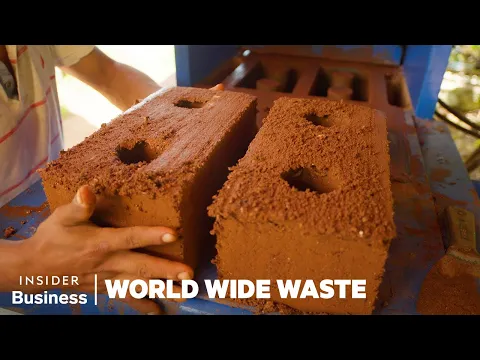

The Sargablocks process starts with dried sargassum. Workers grind the seaweed until it becomes a fine powder, crushing the material with stones, and then mix it with recycled soil from work site beds.
The mixture passes through a sieve to remove larger pieces and, then, water is added until it becomes a thick paste.
The exact recipe is not disclosed, but the described composition indicates that each brick has about 40% sargassum.
The technical proposal is that Sargablocks can be recycled countless times, reducing waste and allowing reuse in new constructions.
With one machine, production can reach up to 3,000 Sargablocks per day, and the inventor claims to have tested eight prototypes before arriving at the current format.
The production line also defines scale and employment. There are six full-time employees dedicated to Sargablocks, and some of them also work in the construction of houses.
The cited operational plan is to increase capacity with a larger machine, reaching 8,000 bricks per day, without relying on a proportional expansion of the team in Puerto Morelos and Quintana Roo.
Houses In Quintana Roo And The Real Test After A Hurricane
Since 2018, Omar Vazquez claims to have built more than 40 houses with Sargablocks, totaling sold and donated units.
He reports having sold more than 20 houses and donated another 15, claiming that the structures are simple yet durable, including the assertion that they can withstand hurricanes.
The personal story appears as part of the operational context.
He claims to have moved with his family to the United States at the age of 8, lived for decades without a home of his own, and returned to Mexico in 2014 with 55 dollars, before raising funds through buying and selling plants and setting up the workshop in Quintana Roo.
The use of Sargablocks gained practical relevance after a hurricane in 2021 that destroyed the home of a family served by the initiative.
The reconstruction with sargassum bricks is presented as a response of low logistical complexity, focusing on durability and on thermal performance noted by studies, keeping the house cooler in the summer and with better heat retention in the winter in Quintana Roo.
Why Mexico’s Solution Draws Attention And Where The Problem Also Appears
Over the past decade, sargassum waves have become so large that they can be detected from space, and the phenomenon has spread beyond Mexico, reaching areas like Florida, Texas, and parts of the Caribbean.
The exact cause of the increase is not pointed out as a consensus, but there are experts who associate the advance with high levels of nitrogen in the sea due to runoff from agricultural waste and deforestation.
The cited numbers illustrate the public and private pressure in Quintana Roo. In 2020, the Mexican government collected 19,000 metric tons of sargassum from the state’s beaches, and in 2021 this volume doubled.
In 2023, the Cancun Hotel Association allocated over 20 million dollars to remove sargassum, which helps explain why industrial solutions attract attention outside the public sector.
In this environment, Omar Vazquez reports contacts from investors and companies from over a dozen countries and is studying licensing the Sargablocks recipe to replicate the model.
In parallel, other entrepreneurs are testing new uses for sargassum in Mexico, such as notebooks and footwear, while a British startup, Seaweed Generation, explores using sargassum to capture carbon and store the material on the ocean floor.
Between the sargassum that washes up on the sand and the brick that becomes a wall, the case of Puerto Morelos shows a pragmatic way to reduce cleaning costs and expand access to simple housing in Quintana Roo and Mexico. The big question is whether the next coastal waste crisis will continue to be just an expense or could turn into infrastructure, even if on a local scale.
In your city, what waste becomes a recurring problem and would you trust an alternative material like sargassum and Sargablocks for basic construction, or do you think the risk is still too high?







-

-

-

-

6 pessoas reagiram a isso.