





 Portuguese
  English
  Spanish
  5 min of reading
  87 comments




Water Crisis in Kabul Exposes Risk of Urban Water Collapse and Raises Warning for Other Large Cities, Including Brazil
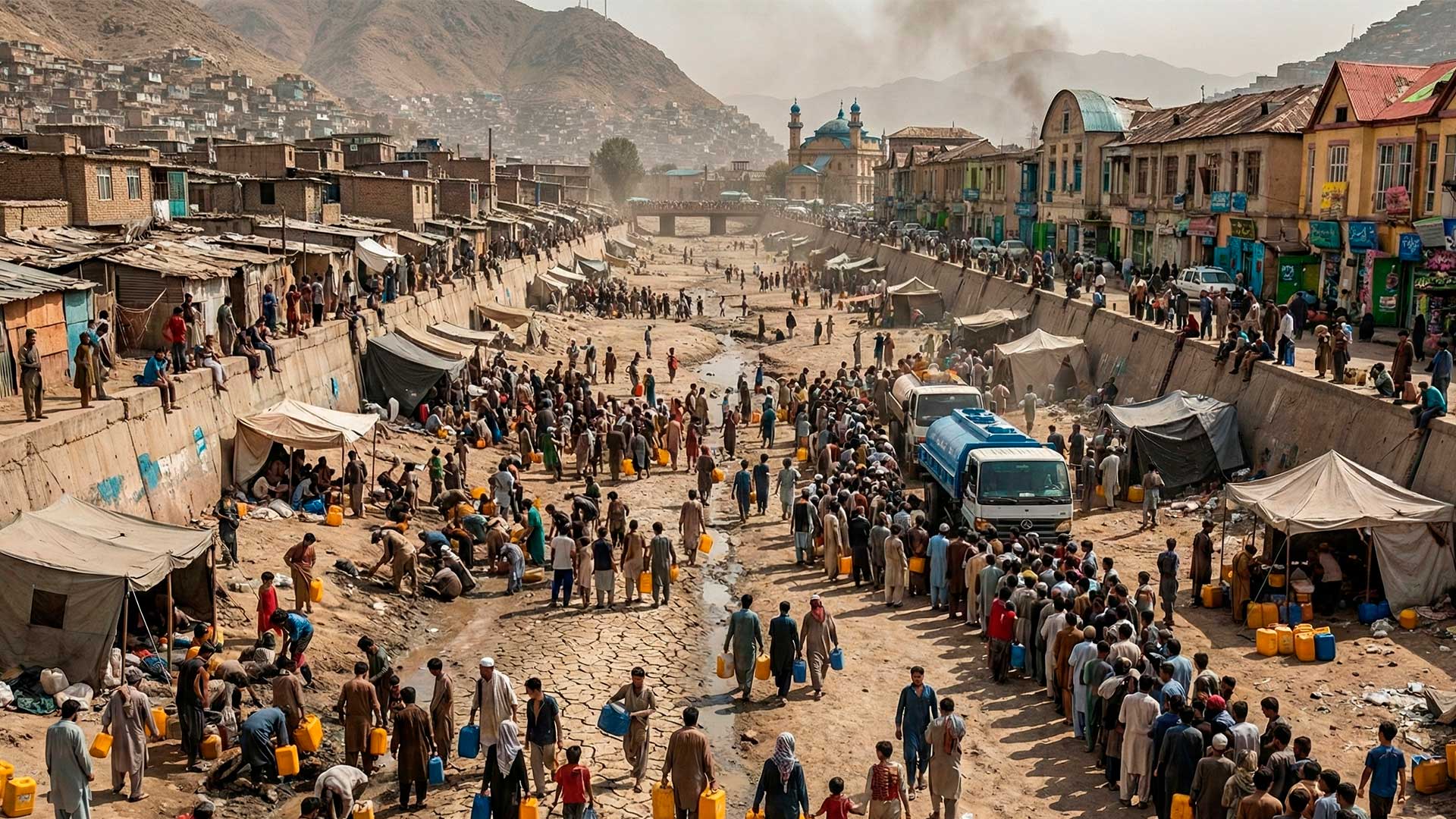
Kabul could become the first modern capital in the world to run out of water. The Afghan city, with about 6 million inhabitants, is facing an unprecedented water crisis. Recent reports indicate that underground reservoirs may collapse within a few years if nothing changes.
According to a report by the NGO Mercy Corps published in 2025, the groundwater tables in the region have dropped between 25 and 30 meters in the last decade. Water pumping already exceeds natural recharge by about 44 million cubic meters per year.
Experts estimate that if the current pace continues, supply could collapse before 2030.
-
A Mercado Livre customer opened their package and found 32 resumes of people looking for jobs crumpled as protective paper inside the box, exposing names, addresses, documents, and phone numbers of dozens of candidates.

-
Iceberg A23a, one of the largest in the world, is undergoing accelerated collapse and may disappear: what explains the end of the ice giant?
-
The simplest swap at home can reduce energy consumption by up to 90% without changing habits, using a technology that lasts up to 25 times longer and consumes only a fraction of the electricity.

-
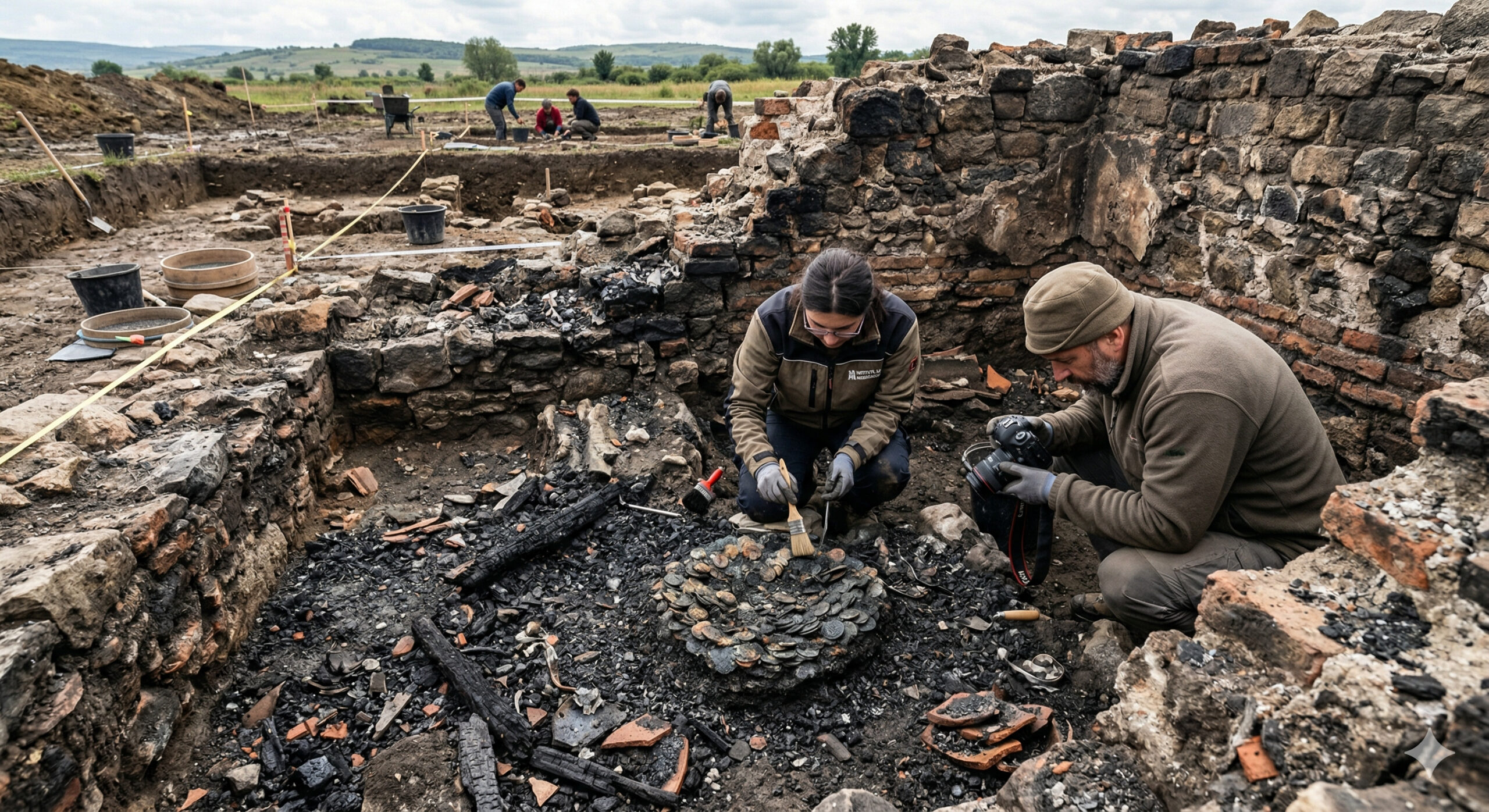
With over 14 million baskets of earth moved, an ancient North American metropolis built a monumental pyramid of 30 meters and established a city with 20,000 inhabitants nearly a thousand years ago.

The crisis combines climate change, unplanned urban growth, and weak management of water resources. The situation in Kabul echoes dramatic experiences that other metropolises have faced, such as Cape Town, Chennai, and even São Paulo. For Brazil, the case serves as an extreme laboratory on what happens when planning fails.
Why Kabul Is on the Verge of Running Out of Water
In recent decades, the climate in Kabul has become warmer and drier. Rainfall has decreased and become irregular, making natural recharge of the aquifers difficult. According to experts, this pattern is linked to the advancement of climate change over the Central Asia region.
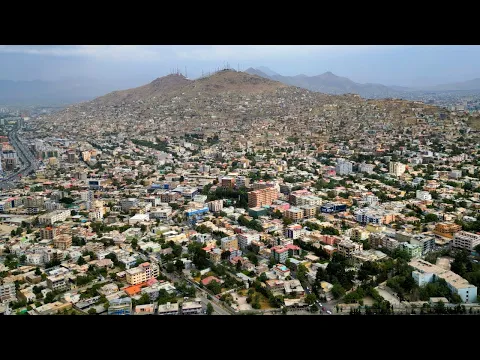

At the same time, the capital’s population has exploded after years of conflict and internal migration. It is estimated that between 6 and 7 million people currently live in the city, many in neighborhoods without public water supply. About 90 percent of residents depend on drilled wells, which are drying up quickly.
Another part of the problem lies in water governance. After the Taliban returned to power in 2021, much of the international aid was suspended and infrastructure projects stalled. According to Mercy Corps and UN agencies, the water and sanitation sector currently operates with a fraction of the necessary resources.
The crisis is not just about quantity but also about quality. Studies indicate that up to 80 percent of the groundwater in Kabul is contaminated with sewage, salinization, and metals like arsenic. According to UNICEF, eight out of ten Afghans consume unsafe water, leading to increased cases of diarrhea, cholera, and other waterborne diseases.
Wells Drying Up, Expensive Water, and Inequality in Access
As the water table drops, traditional wells can no longer reach water. Local reports indicate that nearly half of the drilled wells in the city have already dried up or operate at very low flow rates. Families can spend up to 30 percent of their income just to buy water from trucks or private companies, often without a guarantee of potability.
This burden hits the poorest hardest, who live in informal settlements and do not have connections to formal supply networks. In many neighborhoods, women and children walk long distances to fill buckets at overcrowded community sources. Humanitarian organizations warn that the water crisis in Kabul is already a humanitarian crisis.
What Other Cities Have Done to Avoid “Day Zero”
Extreme situations like this are not exclusive to Afghanistan. Between 2015 and 2018, Cape Town, South Africa, came close to the so-called “Day Zero,” when taps would be turned off for nearly 4.6 million residents. Studies describe that episode as the result of a historic drought combined with management failures, reversed only through strict rationing and mobilization campaigns.
In 2019, Chennai, India, also saw its four main reservoirs nearly dry up. The city declared its own “Day Zero,” and thousands of people began to depend on tanker trucks, forming queues for hours to get a few liters. Experts point to excessive groundwater pumping and lack of protection for recharge areas as decisive factors.
Brazil also has recent examples of water collapse on the brink of the limit. The crisis of 2014 and 2015 in São Paulo forced the Cantareira System to operate at only 3 to 5 percent of capacity, the worst level in 125 years, requiring the use of “dead storage” and emergency saving measures. Research and reports from the National Water Agency and academic institutions show that the combination of severe drought, urban expansion, and poor planning has made the metropolitan area highly vulnerable.
Lessons from Kabul for Brazil and Other Metropolises
In the case of Kabul, experts highlight three urgent lessons. First, unchecked use of groundwater can render entire cities unviable in just a few decades. Second, inadequate infrastructure accelerates the depletion of natural resources and leaves entire populations exposed to water and sanitation insecurity.
Third, long-term planning and education of the population are central tools for avoiding collapse. Measures such as protecting recharge areas, controlling well drilling, rainwater harvesting, and treated effluent reuse are prioritized in studies by international organizations. In Kabul’s case, even water diversion projects from neighboring rivers like the Panjshir are hindered by a lack of funding and political instability.
For Brazil, which often sees itself as a “water-rich” country, the Afghan scenario is a warning. Reports from ANA estimate that between 2013 and 2016, droughts affected about 48 million people, with 84 percent of those affected living in the Northeast. The crisis in São Paulo showed that even large metropolises are not free from rationing when water management does not keep pace with climate and urban growth.
Brazilian cities of all sizes can learn from what is happening today in Kabul. Investing in more efficient distribution networks, monitoring aquifers, protecting water sources, and including peripheral areas in supply planning reduces the risk of a tropical “Day Zero.” Without these changes, the image of an entire capital counting down to the last drop ceases to be a distant problem and becomes a possible future.
Do you believe that Brazil faces a real risk of seeing any major city approach what Kabul is experiencing, or do you consider this scenario exaggerated? In your opinion, does the responsibility weigh more on governments, sanitation companies, or our daily consumption in the water crisis? Leave your comment.





Nós gastamos água além do necessário, somos um povo sem educação,em quase todos os a sentido, jogamos lixo em quaisquer lugar , eu que sou uma pessoa sem grandes formação estou vendo acontecer ao meu redor infelizmente.
Depende da consciência de casa um de nós. E os governantes serem mais sérios e atuar com honestidade aplicabilidade dos recursos direcionados para essa causa primordial.
Muito boa reportagem. É imprescindível cuidar disso antes que outra seca nos atinja, isto envolve tanto o governo como o cidadão comum. Muitos problemas podem ser evitados agora.