





 Portuguese
  English
  Spanish
  4 min of reading
  0 comments


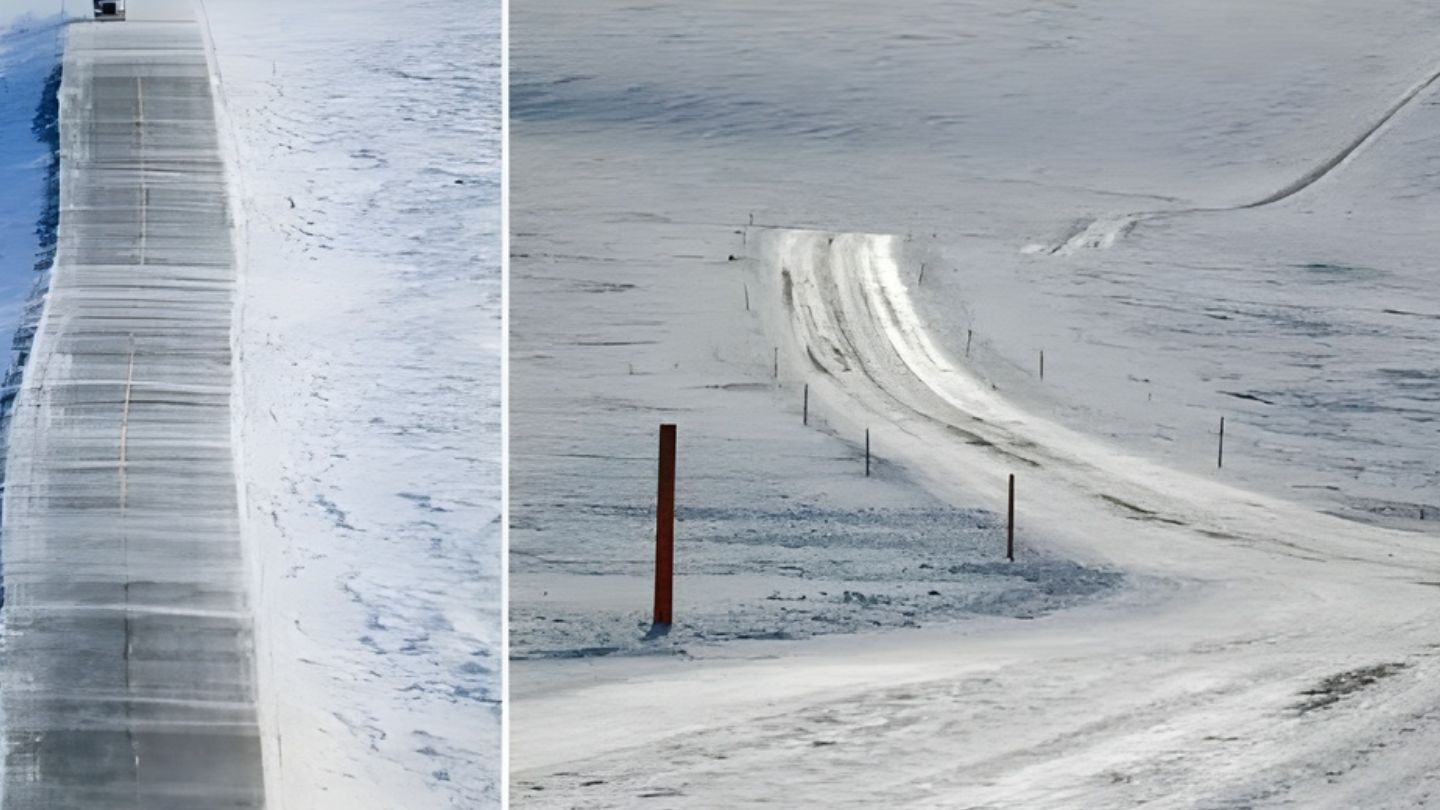
With 667 km in length in Alaska, the Dalton Highway was built on artificial insulating layers to avoid sinking in the permafrost, becoming one of the largest examples of road engineering on frozen ground in the world.
Building a road is already a challenge when the ground is firm. In the far north of Alaska, however, engineering had to solve a much more complex problem: how to keep a functional highway over ground that literally melts in the summer and expands in the winter. It was in this context that the Dalton Highway was born, one of the most extreme roadworks ever undertaken in regions of continuous permafrost.
With approximately 667 kilometers in length, the road connects Livengood to the industrial hub of Deadhorse, on the shores of the Arctic Ocean. More than just a logistical route, it is a permanent experiment in geotechnical engineering applied under conditions that challenge traditional civil construction principles.
The Biggest Enemy Is Not the Cold, but the Thaw
The biggest mistake when analyzing works in the Arctic is to assume that the main problem is low temperatures. In reality, the critical challenge is the thawing of the permafrost.
-
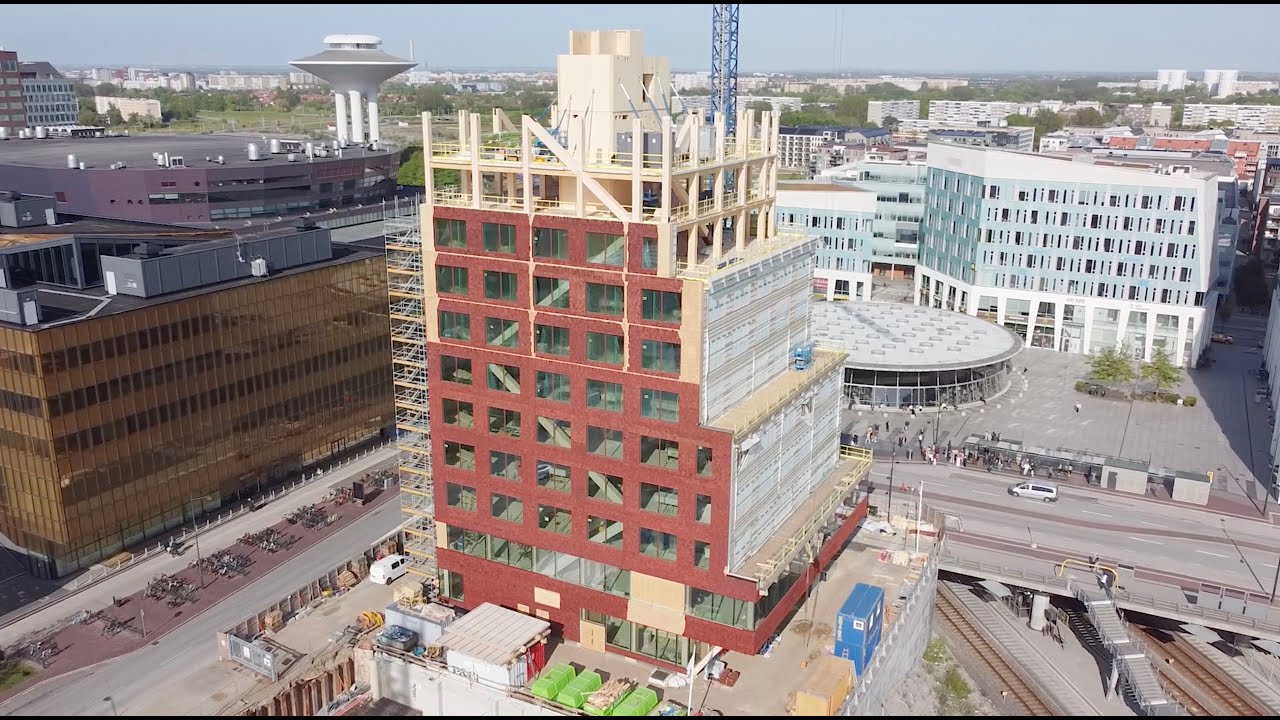
In Sweden, a 51-meter tower was built almost entirely of wood, without a concrete structural core and with solar panels integrated into the facade, using CLT and laminated beams to challenge the dominance of steel and concrete in modern buildings.
-
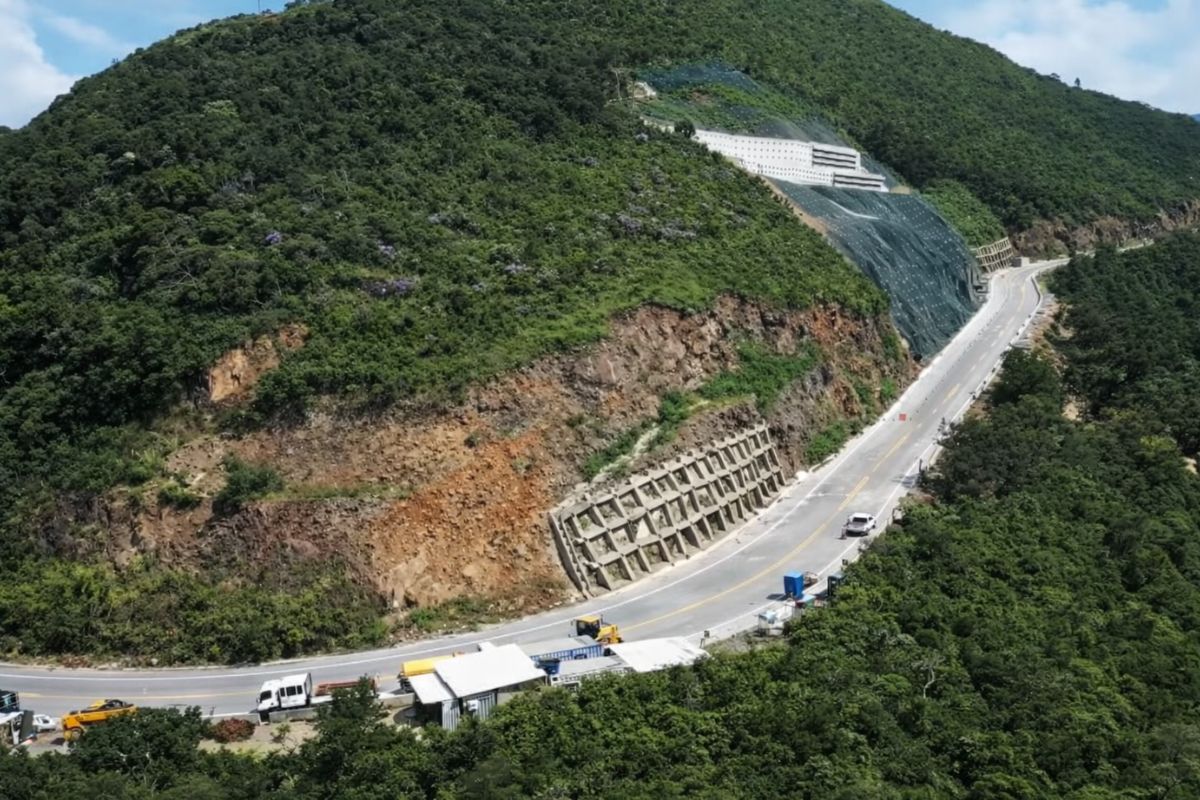
The section of Serra da Rocinha on BR-285 is now open in Timbé do Sul: 50 m tensioned curtains and top-down technique stabilize the slope, with a stairway duct controlling the water.
-
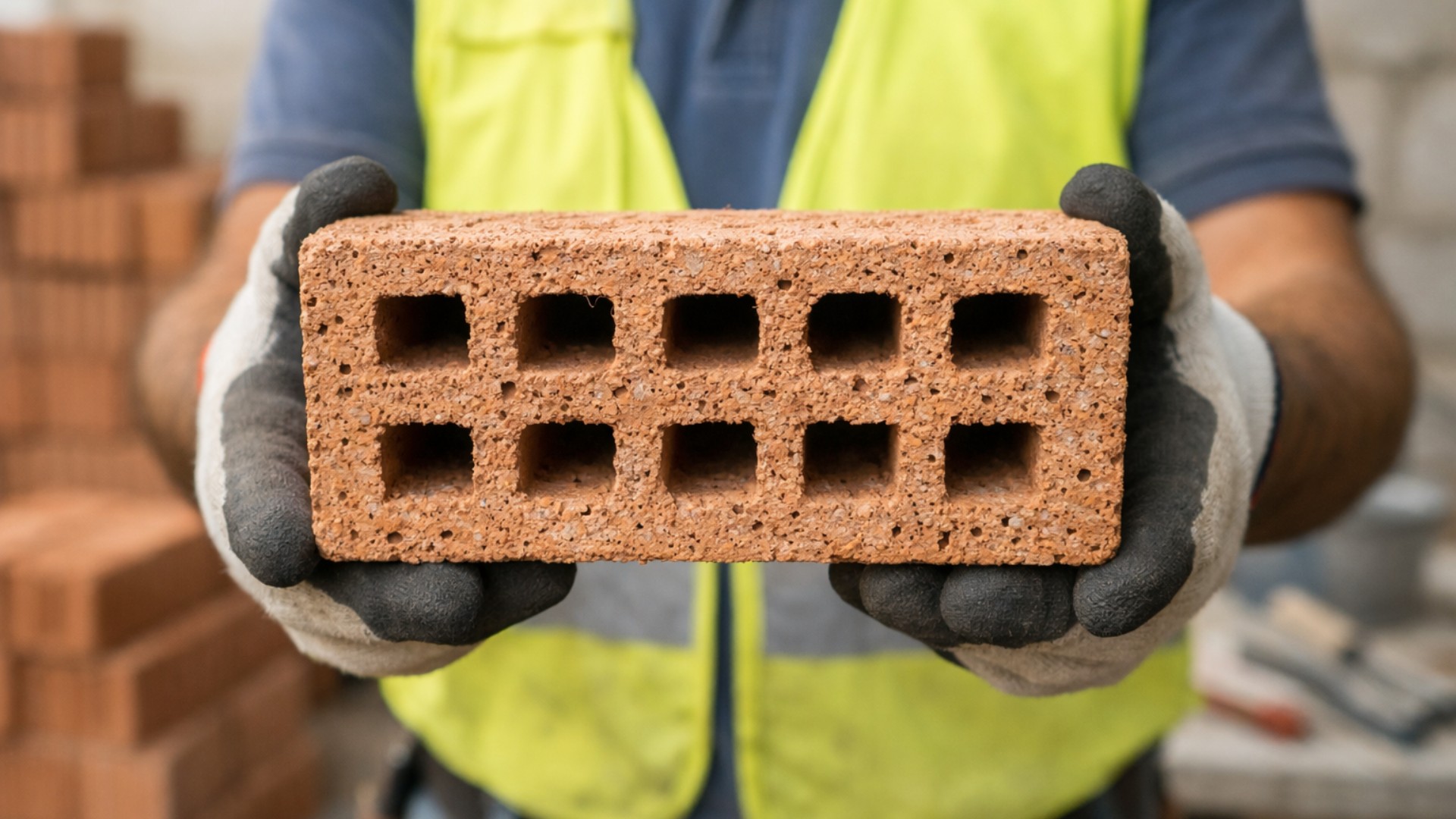
Scientists use sawdust mixed with clay to create a lighter brick, promising efficient thermal insulation and impressing by transforming waste into a solution for construction.
-
With a DNA shape, this bridge in Singapore draws attention in modern architecture and surprises tourists by transforming a simple crossing into an unforgettable visual experience in the urban heart.

The soil in the region is made up of layers of earth, sand, and sediments that remain frozen for thousands of years. When this soil warms up, it loses strength, undergoes severe settling, and can literally “swallow” rigid structures like asphalt and concrete.
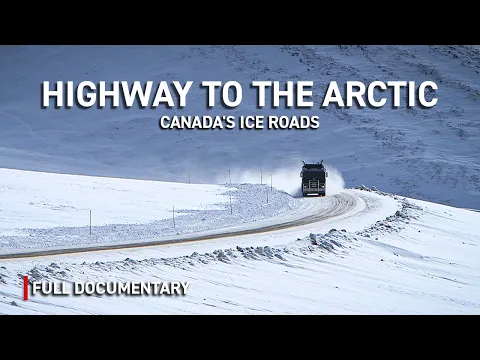

A conventional road, built directly on this type of soil, would sink in a few years. In some sections, in just a few months.
The Dalton Highway had to be designed to prevent the heat from the pavement from reaching the ground, avoiding the melting of the underground ice.
The Constructive Solution: Elevated Road Isolated from the Ground
Instead of supporting the pavement directly on the natural ground, engineers opted to create a raised artificial layer, functioning as a thermal and structural mattress. This solution is known as insulating embankment.
The system works as follows:
– The natural soil is not deeply excavated
– On top of it, a thick layer of gravel and coarse aggregate is built
– This layer creates a natural ventilation space
– Cold air circulates under the pavement, dissipating heat
In many sections, the road is elevated several meters above the natural ground level, drastically reducing heat transfer.
Thermal Columns and Passive Freezing Engineering
In more critical areas, where the permafrost is especially sensitive, the Dalton Highway uses devices known as thermosyphons. These vertical metal elements function as passive thermal exchange columns.

During winter, thermosyphons capture the cold air and transfer it to the ground, reinforcing the freezing of the permafrost. In summer, the system becomes practically inactive, preventing heat transfer downward.
The result is a foundation that self-regulates thermally, maintaining ground stability throughout the seasons.
A Road That Is Never “Finished”
Unlike conventional highways, the Dalton Highway is not a project with a defined endpoint. It requires continuous maintenance, geotechnical monitoring, and constant adjustments to the road profile.
Engineers monitor:
– differential settlement
– longitudinal deformations
– thermal variations in the soil
– surface and subsurface drainage
In several sections, the pavement needs to be periodically reprofiled, and new layers of granular material are added to maintain thermal insulation.
Volume of Materials and Constructive Scale
Although it is not a road famous for bridges or monumental tunnels, the Dalton Highway impresses with its continuous volume of materials moved. Throughout its 667 km, the following have been used:
– millions of cubic meters of gravel and aggregate
– thick layers of insulating granular material
– extensive drainage systems in frozen environments
– localized reinforcements with piles and retaining walls
All of this built in an area without nearby urban infrastructure, where each input needs to be transported over long distances.
A Road Designed to Survive Climate Change
With global warming accelerating the thawing of permafrost in various regions of the Arctic, the Dalton Highway has also become an open-air laboratory. Techniques tested here are being studied and adapted for other works in polar and subpolar regions.
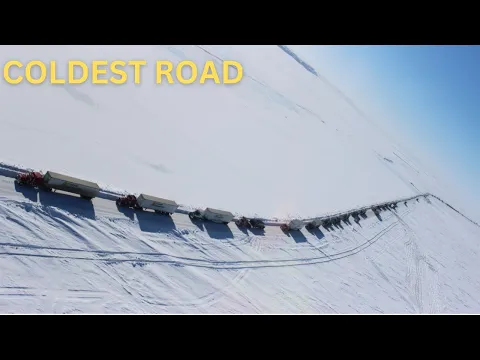
What was once a local engineering problem has become a global infrastructure issue, as roads, railways, and oil pipelines built on permafrost begin to exhibit structural failures in different countries.
Much More Than a Logistical Road
Although it was built mainly to serve the Trans-Alaska Pipeline System, the Dalton Highway represents something greater: the proof that civil engineering can adapt rigid structures to living soils, as long as the project considers the thermal behavior of the ground as part of the structure.
It does not conquer permafrost by force. It coexists with it.
This approach, based on insulation, ventilation, and passive thermal control, is now a reference for any construction that needs to exist over permanent ice without destroying it.






-

Uma pessoa reagiu a isso.