





 Portuguese
  English
  Spanish
 5 min of reading
  0 comments


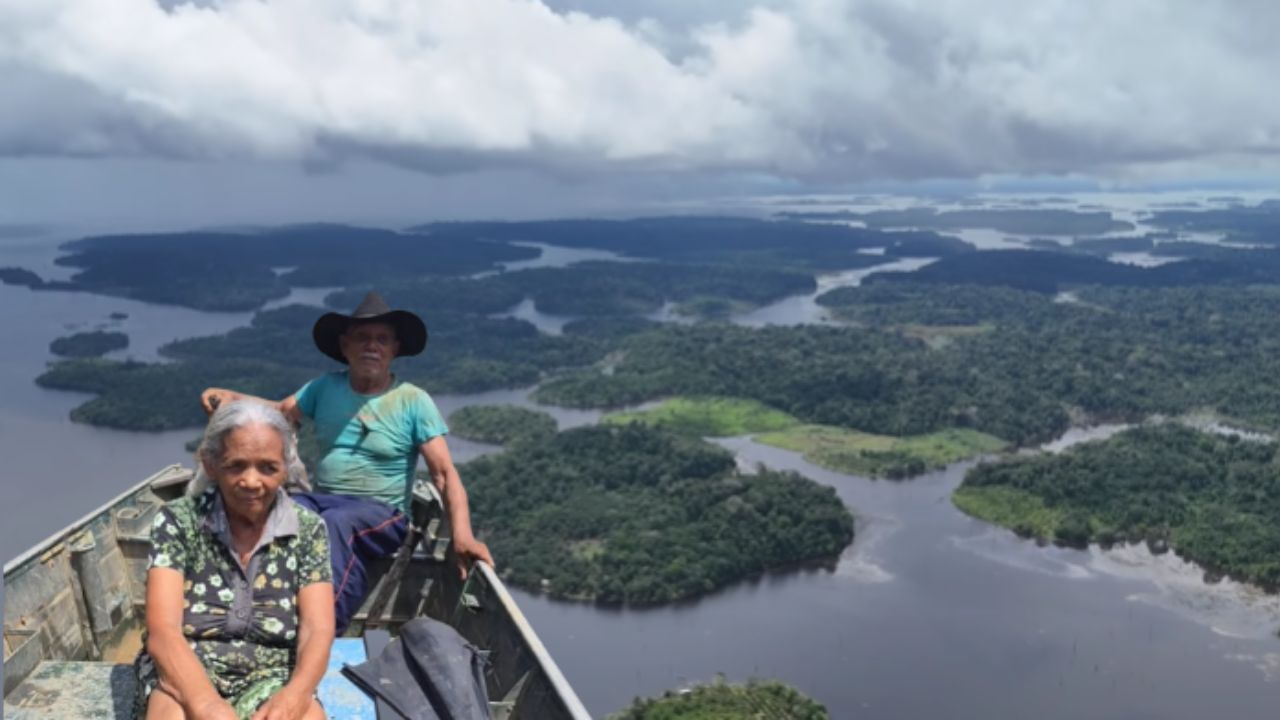
In The Deep Amazon, A Couple Of Elders Lives Isolated In A Simple House, Refusing The City And Showing How Hard Work, Unity, And Faith Still Sustain An Entire Family In The 21st Century.
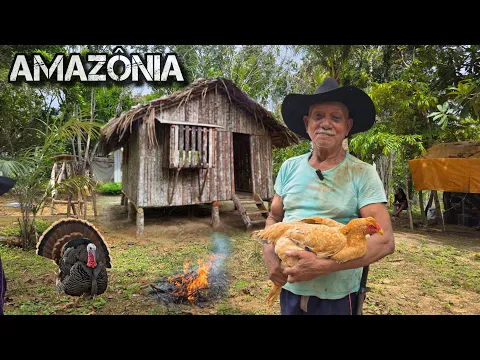
Far from the noise of the city, an 83-year-old farmer lives isolated in the Amazon rainforest, wakes up early every day and heads to the fields to ensure the family’s food with his own physical strength. His advanced age has not slowed down Seu Antônio, who plants, weeds, harvests, and transforms the land into food, even living in a place where electricity, machinery, or any urban comfort do not reach.
Together with his life partner, Dona Zenaide, 78, he maintains a routine that mixes simplicity, effort, and joy. Married for over six decades, they have transformed a piece of jungle into a home, farm, chicken coop, and a backyard full of stories, proving that even when living in isolation, it is possible to build a home full of love and dignity.
Small House, Big Heart
Seu Antônio’s house is simple, small, improvised, but full of meaning. Upon arrival, one finds a cramped space, with a bedroom, kitchen, and a small pantry where food supplies are stored with great care. There is no luxury, but there is organization, affection, and the feeling that every corner was conquered with sweat.
-
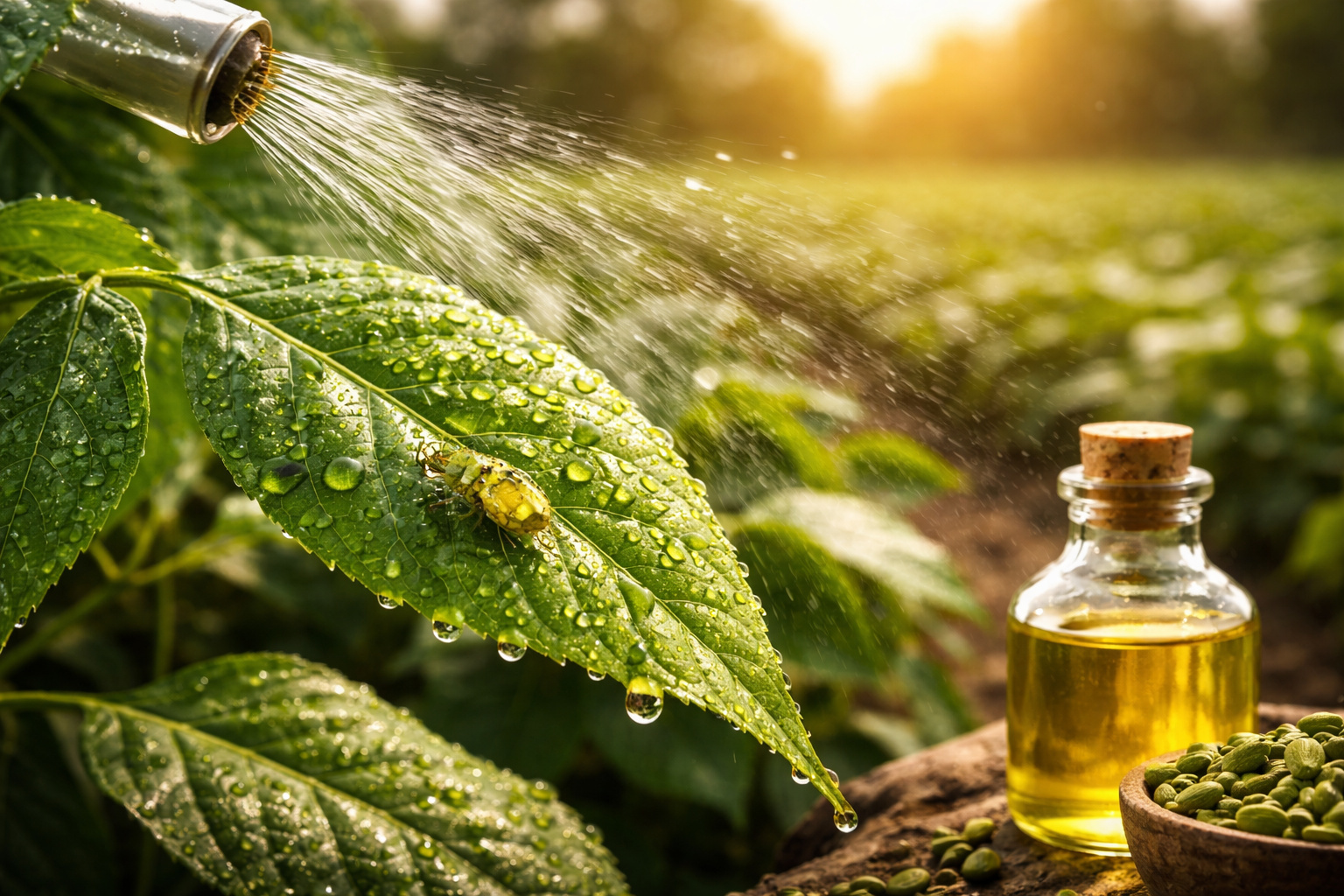
An Indian tree that grows in the Brazilian Northeast produces an oil capable of acting against more than 200 species of pests and interrupting the insect cycle, gaining ground as a natural alternative in soybean, cotton, and vegetable crops.
-
The rise in oil prices in the Middle East is already affecting Brazilian sugar: mills in the Central-South are seeing their margins shrink just as ethanol gains strength.

-
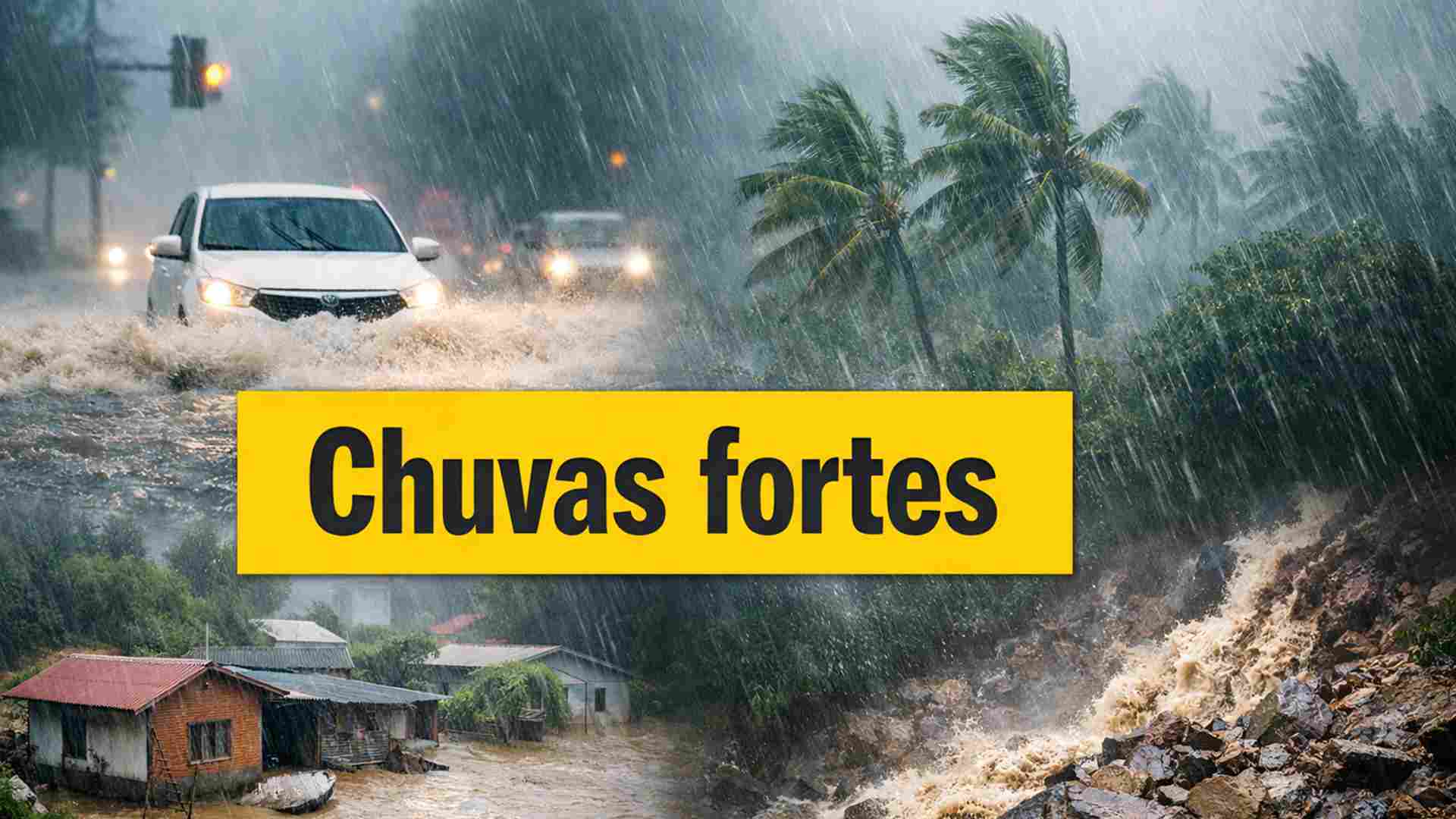
Rain gains strength in April, potentially exceeding 150 mm, placing the North, Northeast, and the coasts of the South and Southeast at the center of the heaviest forecast of the week.
-
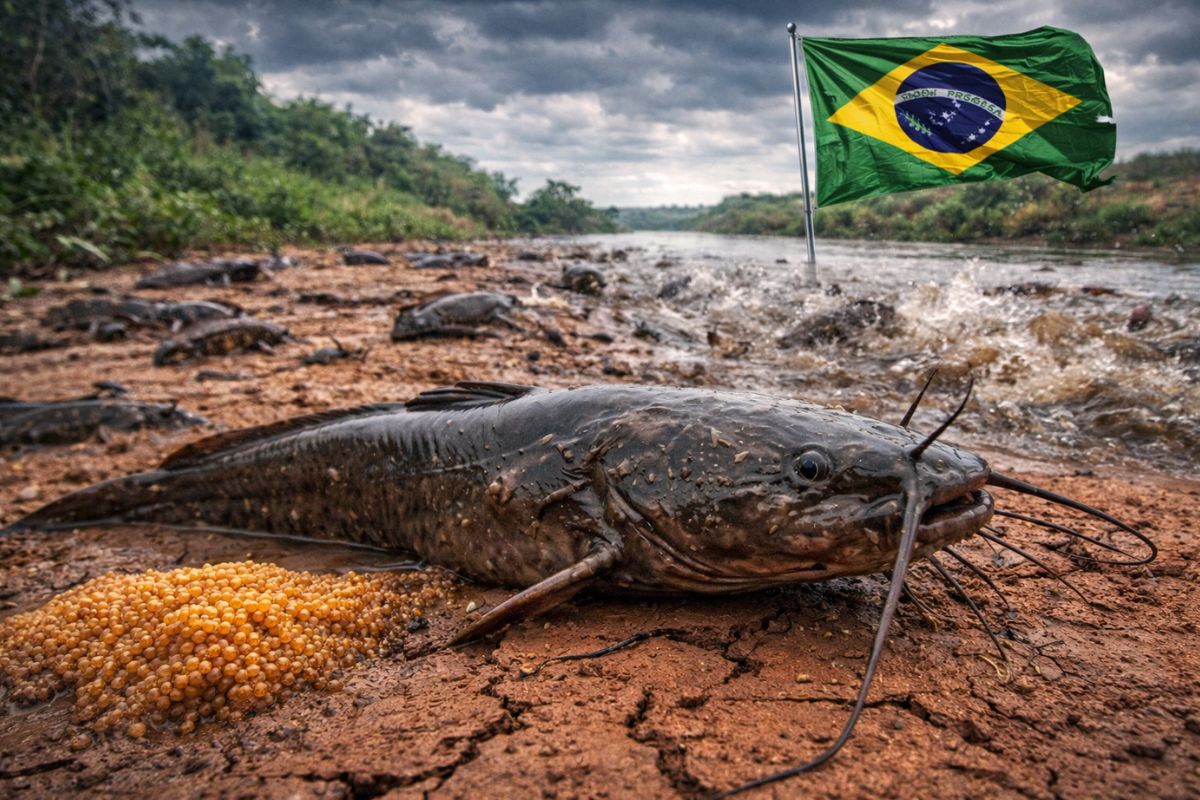
A fish that survives out of water, crawls on land until it finds another river, and whose female lays 80,000 eggs at once is infesting rivers and lakes in Brazil, and no one can stop this invasion.

The couple is already thinking of expanding the house, adding another room, and improving the structure. While that does not happen, everything is adapted: there is a tarp house to set up a hammock and rest when the sun is too hot, there is space for visitors, and there is always a place at the table for one more. Even living in isolation, Seu Antônio insists on welcoming those who arrive with a smile on his face and words of gratitude.
Farm That Nourishes and Teaches

Outside the house, the true “pantry” lies in the soil. Rice, beans, cassava, corn, okra, squash, coconut, and other plants grow thanks to the farmer’s daily work. Each row of planting holds a piece of the family’s history.
He calmly explains how rice is born, grows, is harvested, threshed, roasted, and then milled in the mortar until it becomes the grain that many only know prepared in a market bag. There, everything is done by hand, from planting to cooking, showing that living in isolation does not mean living without knowledge, but rather knowing nature up close.
Challenges also arise. Birds and other animals invade the rice field, eating part of the production, and there is not always time to weed everything. Still, Seu Antônio remains undaunted. At 83, he is still the one who plants, cleans, and cares for the farm, demonstrating a vigor that many young people do not have.
Living Without Electricity In The Middle Of The Forest

One of the most striking points in the story is the fact that the family lived for a long time without electricity. Living in a remote place, this farmer is isolated from basic services such as light, machinery, and motorized tools.
To have drinking water, they dug a well manually, with a pickaxe, relying on intuition, experience, and even nature’s signs, such as the path of termites indicating moisture in the soil. The well was not easy, the water did not appear quickly, but with persistence they managed to reach the “vein” of clean water.
Each task that, in the city, would be done with the help of electric tools, there is resolved with muscle, patience, and creativity. Everything is manual, everything depends on the will to keep fighting, even in a place where one lives isolated from urban comfort.
When The Light Comes From The Power Of The Sun

The big turning point in the family’s routine came with the arrival of a portable power station powered by a solar panel, a gift brought to them. Suddenly, the farm that lived only with a lamp gained outlets, light bulbs, and the ability to turn on tools.
As soon as the equipment arrived, Seu Antônio took the opportunity to solve an old problem: he needed power to cut wood and make the well cover. The station was connected, the electric saw began to work, and in a few minutes, the job was well underway. Technology met simplicity and proved that even those who live in isolation can have access to clean energy from the sun.
At night, the change became even clearer. The lights illuminated the house, and the old lantern could be turned off. What was once darkness became a well-lit, safe, and welcoming environment, without depending on the traditional power grid.
Country Lunch, Faith At The Table, And Gratitude

The food that comes from the farm returns to the table in the form of a hearty lunch made as a family. Country chicken, green beans with vinegar, rice made right there, corn, fresh-picked spices, all lovingly prepared by their daughter and Dona Zenaide.
When it’s time to eat, they pause, say a prayer, and thank God for the food, for the visitors, and for the opportunities that arise. The meal is not just about satisfying hunger; it’s about celebrating the simple yet meaningful life they chose when living isolated in the Amazon rainforest.
Even with advanced age, laughter, jokes, and lightness are present all the time. Dona Zenaide introduces herself, shares that she had eight children, lost three, but remains strong by her husband’s side, with whom she has been since she was 16 years old. They have 62 years of marriage, of struggles and achievements, always together. They are a rare portrait of a time when commitment, work, and family went hand in hand.
An Example Of Resistance And Life Choice
The story of Seu Antônio and Dona Zenaide shows that living in isolation is not just a geographical condition, it is also a choice of life. They could yearn for the city, the pavement, the comfort, but they prefer the farm, the animals, the noise of the river, and the silence of the forest.
While many dream of leaving the countryside, this 83-year-old farmer proves that it is possible to be happy staying where the heart has always been. He does not shy away from work, does not complain about age, and does not give in to difficulties. On the contrary, he gives thanks, plants, harvests, learns from nature, and welcomes those who come to his home with humility and a smile on his face.
At the end of the day, with the new light illuminating the house and the farm ready for the next dawn, there is one certainty: their life may be simple, but it is far from small.
And you, would you be able to live isolated in the middle of the Amazon rainforest, sustaining your life almost solely with the strength of your own hands and the land?





-

Uma pessoa reagiu a isso.