





 Portuguese
  English
  Spanish
  3 min of reading
  0 comments


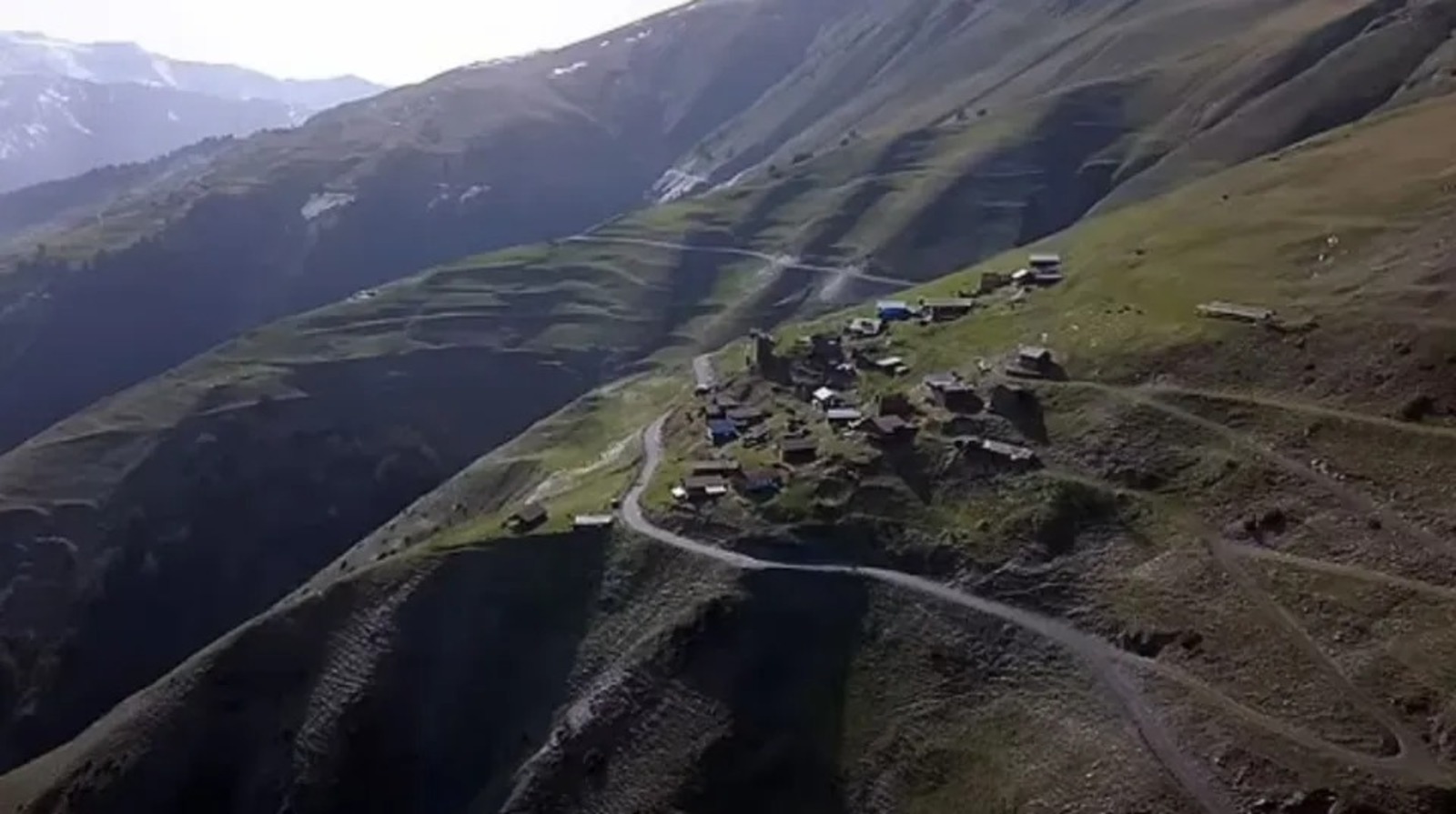
84-Year-Old Doctor Remains Isolated in Bochorma at 2,345 Meters in Georgia, Facing Extreme Winters to Ensure Unique Medical Care in Remote Historical Depopulated Mountainous Region of Eastern Europe
Doctor Irakli Khvedaguridze, 84, lives alone in the abandoned village of Bochorma, at 2,345 meters in Georgia, staying there to ensure medical care in an isolated mountainous region.
Solo Life in the Highest Settlement in Europe
Irakli is the last remaining resident of Bochorma, considered the highest settlement in Europe, located in a remote mountainous area of Georgia.
Throughout the year, he remains alone in the Tusheti region, including during harsh winters when temperatures drop below zero.
-
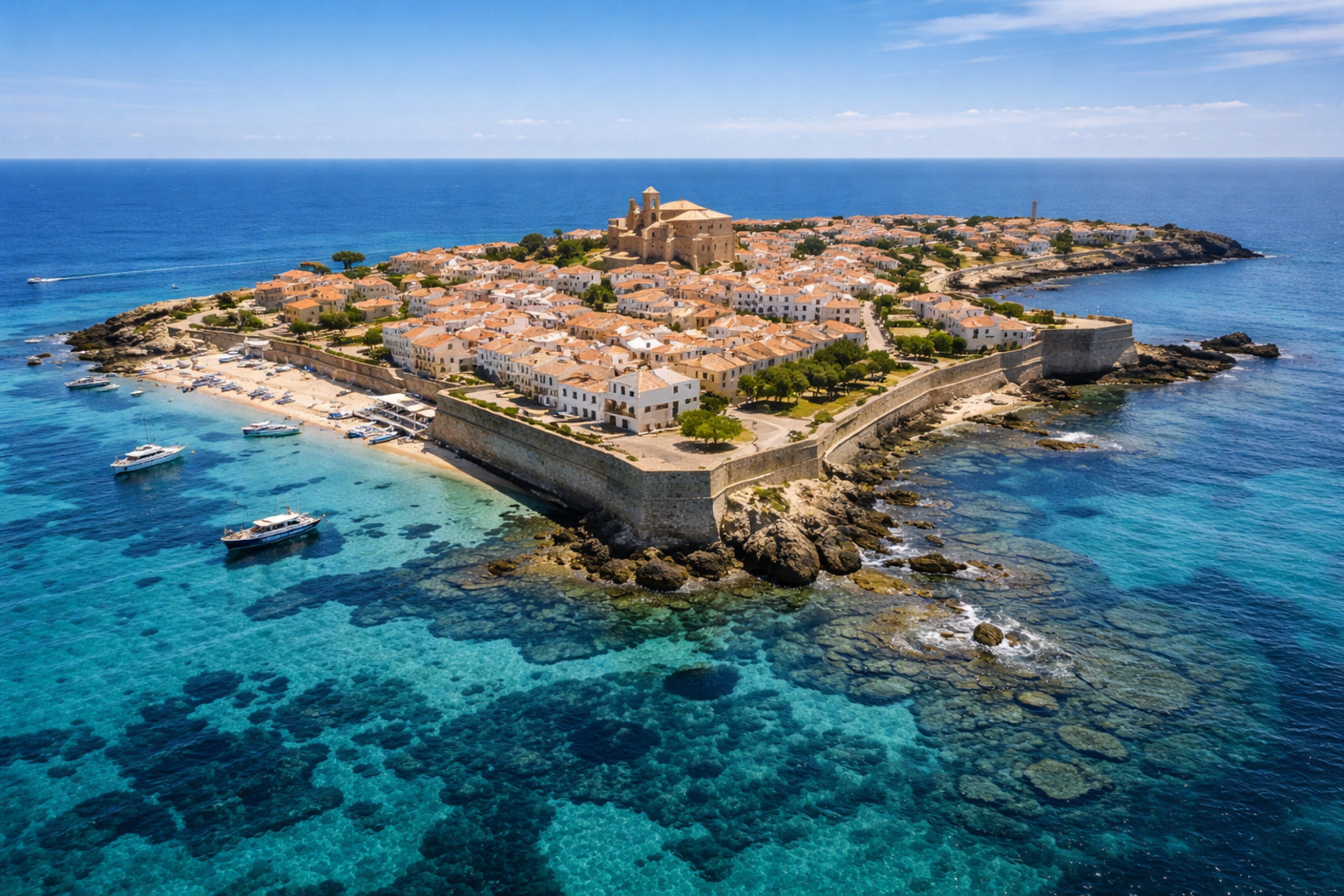
Tabarca, an 18th-century walled island with only 30 hectares and around 50 residents, lives isolated in the Mediterranean and now wants to separate from Alicante.
-
In Qatar, a strategic terminal at Hamad Port has been designed to store enough rice, sugar, and oil to supply 3 million people for up to two years, turning the port into one of the most secure food vaults in the Gulf.

-
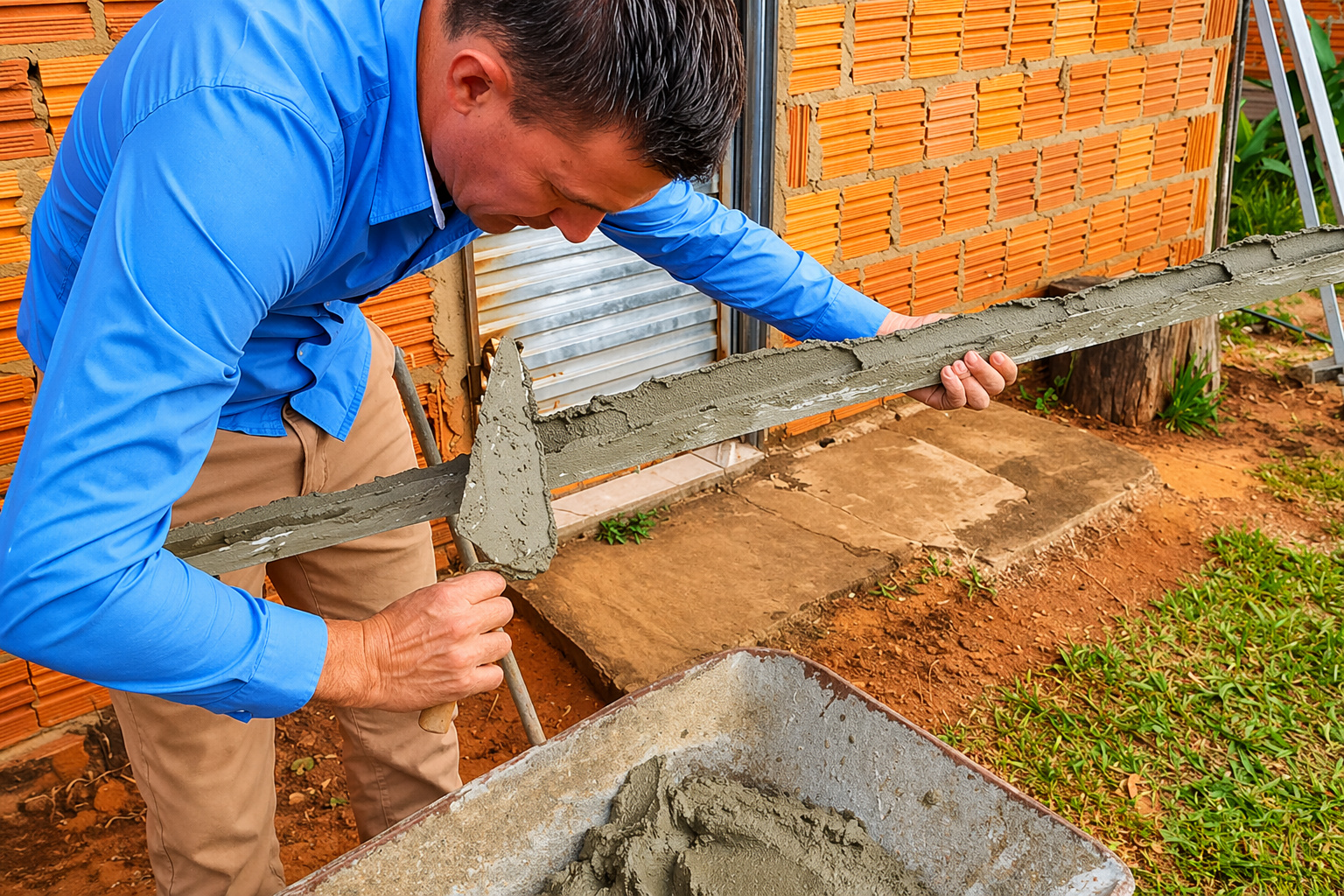
A mason from Mato Grosso do Sul develops an unusual plastering technique that eliminates seams, reduces the time to three hours, and leaves the wall completely smooth.
-
It has 65,000 tons, 280 meters, and 10 diesel engines: the HMS Queen Elizabeth is the largest aircraft carrier in the United Kingdom, combining advanced technology, F-35B fighters, and functioning as a complete airbase at sea.

Inside his cottage, there is only a wood-burning stove, kept continuously lit to withstand the severe mountain weather.
Born in the village itself, Irakli has only left Bochorma twice, when he went to study and when he accepted a job in another part of the country.
After years away, he decided to return permanently, choosing to live full-time in the isolated village with only his horse for company.
Medical Duty Above Extreme Conditions
Irakli claims that living alone under these conditions is challenging, but a strong sense of duty and personal ethics sustain his daily decision.
He is the only certified and licensed doctor in the entire Tusheti region, which covers approximately 380 square miles.
According to the veteran, his presence ensures aid to remaining residents and visitors in cases of unexpected medical emergencies.
Recently documented by filmmakers from Yes Theory, he explained that he always considers the collective well-being before his own comfort.
Even when he is ill, he states that he rides his horse and answers calls, maintaining his routine of assisting the local population.
Return to the Village After the Previous Doctor’s Departure
Irakli was working in another hospital when the doctor responsible for Bochorma left the region in 1979.
In the face of total absence of medical assistance, he decided to return to the village and take on the responsibility of saving lives.
The decision marked the beginning of a solitary routine, maintained for decades in one of the most isolated inhabited spots in Europe.
He reports that the greatest difficulty arises when he faces serious situations without sufficient resources to act quickly.
Still, he states that staying there is his professional and moral obligation, despite the extreme isolation and limitations.
Medical Emergencies and Limits of Action
When discussing the most difficult moments, Irakli recalls instances when he wanted to help but had no immediate means available.
In a notable incident, a 14-year-old boy severely cut his palm, with intense bleeding.
According to him, the situation required manual containment of the wound until a pilot named Shamila arrived.
The child was taken immediately, in an action deemed crucial to avoid a tragic outcome in that emergency.
Irakli describes these episodes as emotionally draining, especially when they involve children in imminent danger.
Historical Depopulation of the Tusheti Region
For thousands of years, Tusheti was inhabited by farmers who raised livestock, including sheep, as a basis for subsistence.
With the gradual decline of this tradition, most residents left the region in search of other job opportunities.
Of the 50 villages that make up Tusheti, only 10 remain sparsely populated today, according to the doctor himself.
Even in these communities, there are usually only one or two permanent residents, living similarly to Irakli.
When winter arrives at the end of September, many leave, but Irakli stays to assist tourists and residents.
It is unclear if there will be another doctor to take his place, but he states that he will continue to serve as long as he can.
With information from The Sun.





-

Uma pessoa reagiu a isso.