





 Portuguese
  English
  Spanish
  7 min of reading
  0 comments


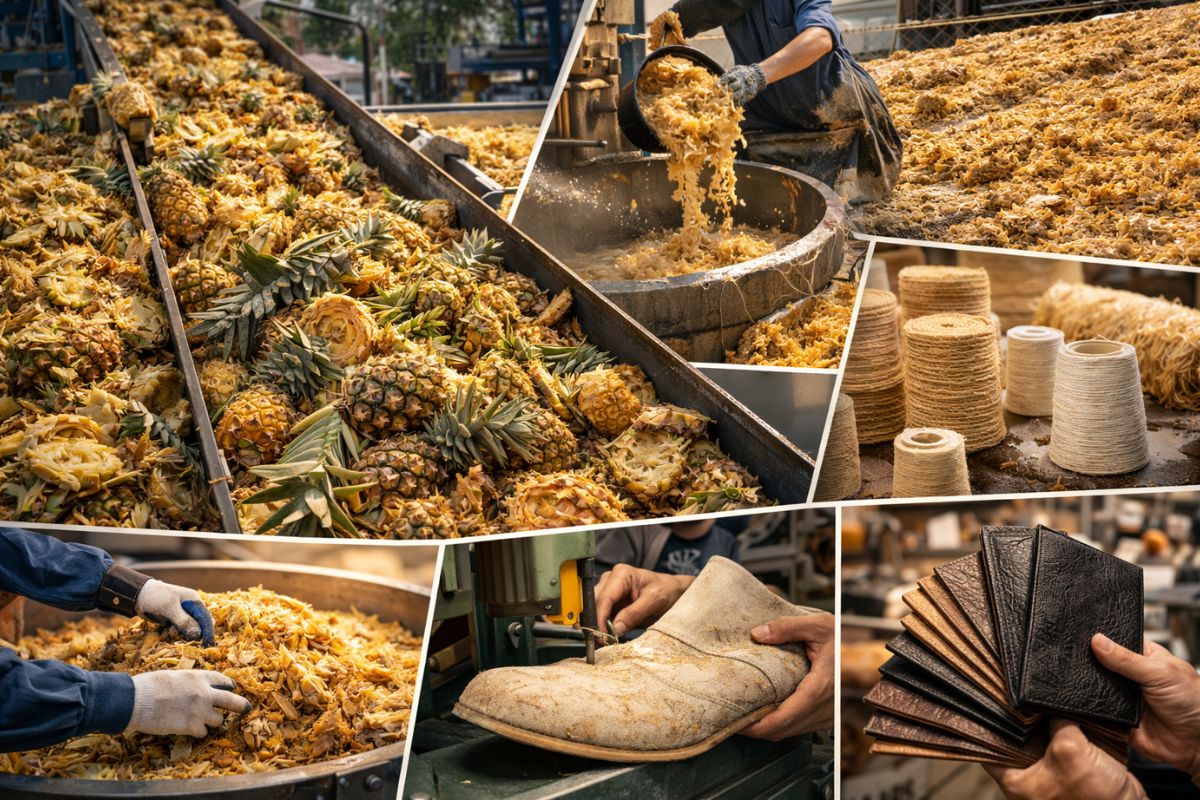
In The Pineapple Supply Chain, The Pineapple Waste That Was Destined For Burning, Decay, Or Landfill Enters Industrial Routes That Mix Fibers And Pinatex For Fashion, Compostable Plates With Seeds And Fermented Detergents, Connecting Farms, Factories, Taxes, And Final Price Across Three Continents, Without Relying On Luxury, Just On Scale.
What Changes When The Pineapple Waste Ceases To Be Trash And Becomes Raw Material With Defined Price, Standard, And Route. In A Global Chain Described In Investigations By Business Insider, The Plantation Occupies More Than 9,842 Square Kilometers Worldwide, An Area Mentioned As Sufficient To Cover New York Ten Times, And About Half Of Each Fruit Ends Up As Waste.
Instead Of Focusing Only On The Flesh, Producers And Factories Are Testing Three Solutions For The Same Problem. Transforming Leaves Into Fibers And Pinatex For Textiles, Pressing Compostable Plates From Crowns And Pieces, And Fermenting Peels And Seeds Into Detergents That Promise To Reduce Chemical Aggressiveness Without Abandoning Performance.
The Size Of Waste And Why It Became A Business

The Popularity Of Pineapple Grew Along With The Planted Area, And The Side Effect Is Predictable.
-
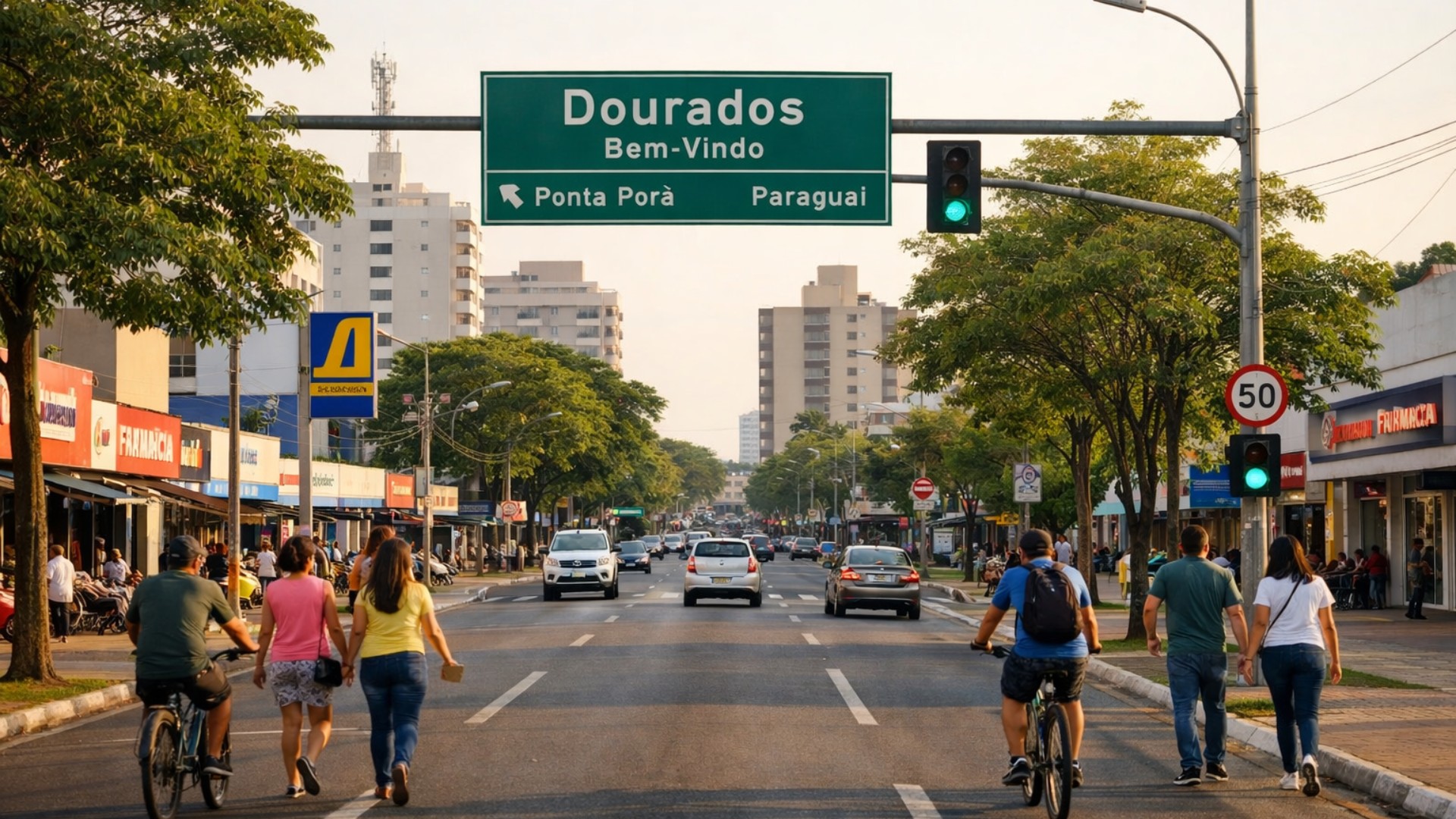
Brazilian city neighboring Paraguay becomes a ‘magnet’ for people seeking quality of life and high standards with exceptional growth and commutes of up to 15 minutes.
-
A rare storm transformed part of the Gulf into an unlikely scene of hail, extreme rain, and tornado risk in the middle of the desert, with volumes that exceeded the annual average in a single day.

-
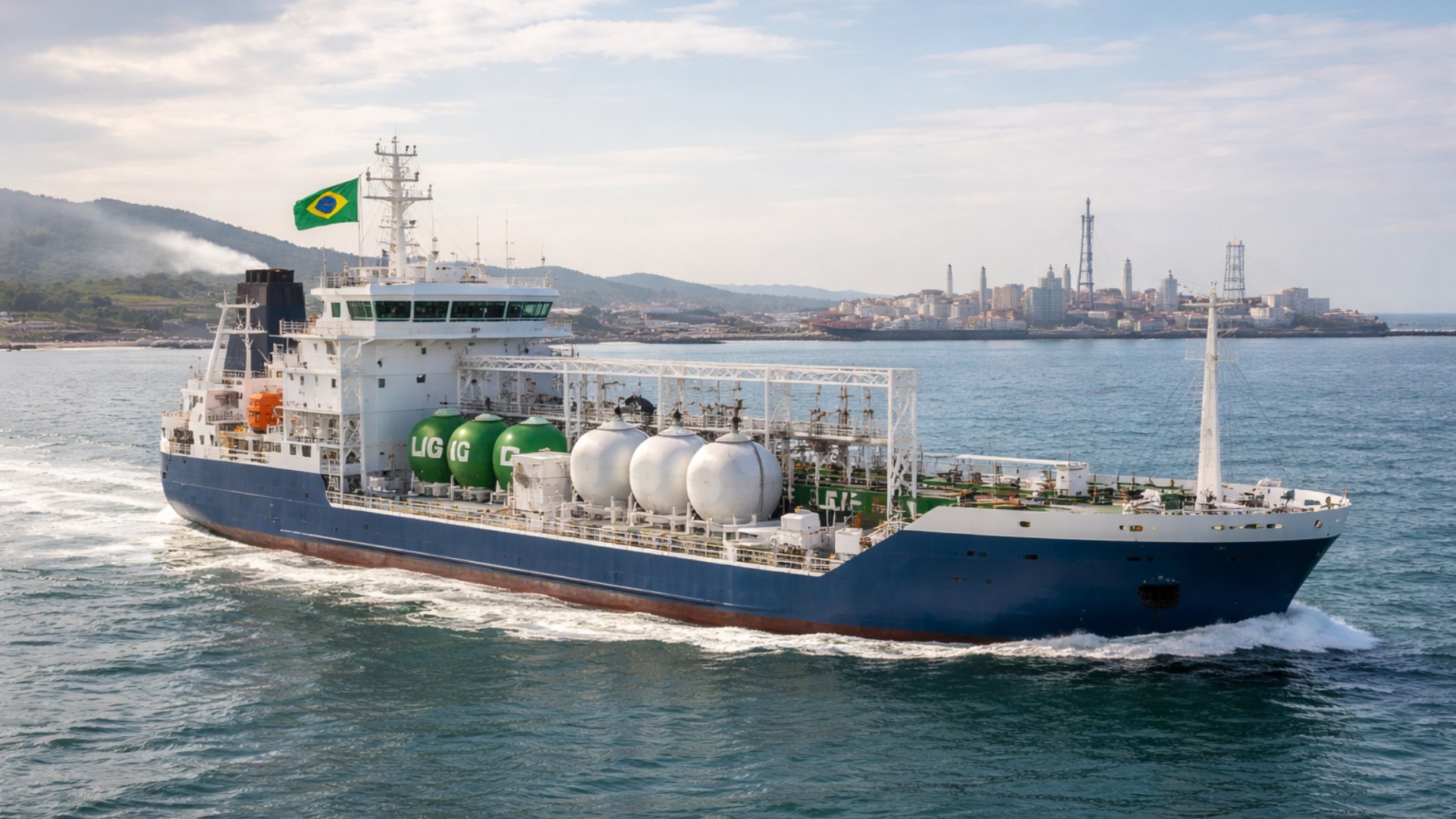
Brazil catches the world’s attention with ships powered by ethanol and biodiesel that have lower emissions, an unprecedented certification with advantages in chartering, and a revolution in cabotage.
-
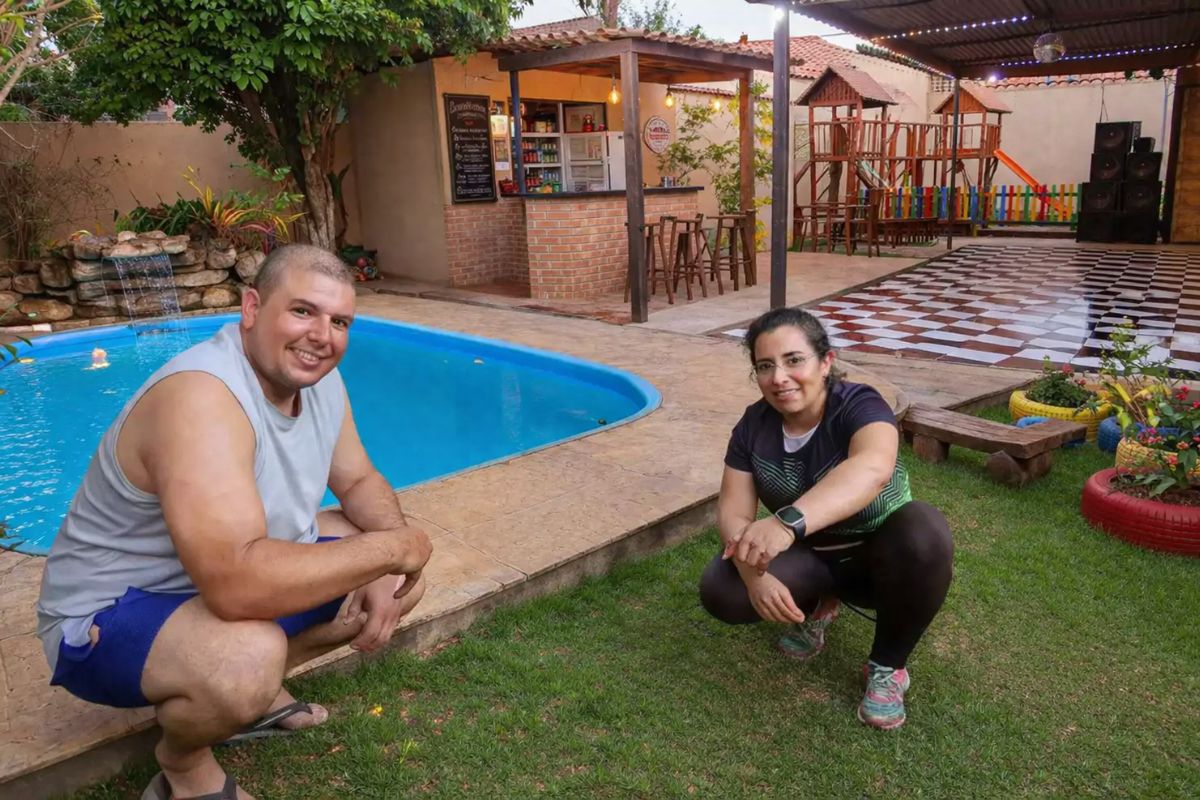
A couple who only has Sundays free has built a hand-dug pool, a hamburger joint, a dance hall, and a playground in their own home without hiring a mason, and even with breaks due to accidents and the pandemic, the work has never truly stopped.

When Almost Half Of The Fruit Is Discarded, The Pineapple Waste Ceases To Be A Backstage Detail And Becomes Handling Cost, Environmental Risk, And Industrial Opportunity, Especially Where The Traditional Destination Was Open-Air Burning Or Uncontrolled Decomposition.
This Turn Does Not Depend On An Isolated Miracle.
It Depends On Short Logistics, Simple Equipment To Separate Raw Material, And Contracts That Make Waste Purchase Predictable.
What Was Once A Surplus Becomes A Specified Input, And This Changes The Relationship Between Farmer, Processor, And The Brand That Purchases The Final Product.
From 16th Century Philippines To The Return Of Fibers In The 21st Century

The Idea Of Using Fibers From Pineapple Is Not New. In The Philippines, The Technique Dates Back To The 1500s And Produced The Piña Fabric, Used In Formal Garments Such As The Barong Tagalog.
The Origin Of Pineapple Is Attributed To South America, But After The Fruit Reached Europe, It Became A Status Symbol, Offered To Royalties Such As Charles II, And Associated With The Spanish Expansion Linked To The Reign Of Fernando II.
This Past Helps Explain The Recent Leap.
About A Decade Ago, Designer Carmen Ijosa Resumed The Historical Logic And Tried To Transform It Into Industrial Scale, Seeking To Replace Animal Leather With A Plant-Based Alternative.
The Leaves, With A Combination Of Strength And Flexibility And A Length That Can Reach Six Feet, Support The Technical Argument Of The Fibers That Enter Into New Materials.
Pinatex And Thread From Pineapple Waste With An International Chain
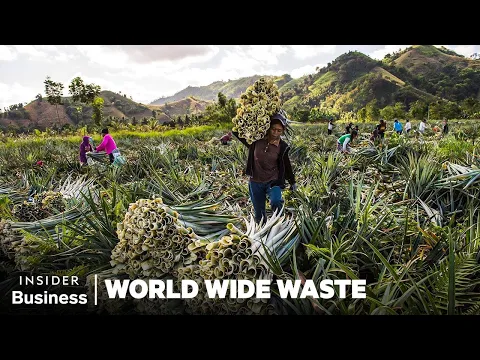

The Company Ananas Anam Was Launched In 2016 After Decades Of Developing The Process, With Two Described Fronts.
One Of Them Is Pinatex, Presented As A Material That Imitates Leather Characteristics, And The Other Is The Piña Thread, Which Serves As An Alternative For Textile Applications Where Aesthetics And Strength Matter As Much As Origin.
The Operation Depends On Partnerships With Suppliers, Including Dole Sunshine Company And Independent Farmers, With More Than 500 People Involved In The Chain.
Leaves That Would Be Burned Or Left To Decay Are Passed Through A Machine That Extracts Fibers, Then Dried In The Sun In A Few Hours, Before Following The Industrial Route.
In This Design, The Pineapple Waste Becomes Fibers With A Defined Destination, And The Waste Becomes Additional Revenue For The Producer.
Barcelona And Portugal As A Route For Material Transformation
After Extraction, Part Of The Flow Goes To Barcelona, Where The Fibers Undergo Guillotine Cutting, Alignment, And Grinding Until They Have An Appearance Similar To Cotton.
The Mass Is Compacted Into Bales, A Step That Standardizes Volume And Facilitates Transport, Reducing Variation In Quality Of The Raw Material That Reaches The Next Phases.
The Final Step Is Described In Portugal, Where The Fibers Enter A Punching Needle, Are Knitted With Threads Made From Corn Starch And Pass Through A 30-Meter Conveyor Belt For Dyeing And Drying.
A Resin Derived From Plants And Petroleum Provides Color And Durability, And A Heated Roller Flattens The Textile And Dries The Resin.
The Industrial Argument Is That Pinatex Would Be 95% Renewable Resources, With 5% Still Outside This Target, And That One Square Meter Of Pinatex Uses Leaves Sufficient For 16 Pineapple Plants, Along With The Estimate Of Preventing About 825 Tons Of Leaves From Being Burned Each Year.
Plates In Colombia And The Retail Price Shock
The Path Of Plates Bets On Another Logic.
Instead Of An International Textile Chain, The Proposal Is To Take Advantage Of Crowns And Pieces That Are Already Left Over From Local Processing, Mix With Recycled Paper And Press Sheets That Become Compostable Plates.
The Promise Is Not Luxury, It Is Scale: A Bulky Waste Enters As A Partial Substitute For Plastic, And The Product Needs To Work In The Supermarket Cart.
In Colombia, Life Pack Works With This Formula And Claims To Produce Up To 10,000 Plates In A Busy Day, Along With Containers And Cups.
Some Of The Products Include Sleeves With Edible Plant Seeds, An Idea That Reinforces The Circularity Narrative When The Plates Reach The Soil And Water.
The Cited Price Is About 2.5 Dollars Per Dozen, More Than Double The Retail Plastic Plate.
This Is The Point Where Green Plates Can Lose Out Financially, Even When Public Policy Pushes The Consumer In The Opposite Direction.
Plastic Tax, Demand, And The Race To Expand Plates
The Regulatory Context Appears As A Market Driver.
The Country Introduced A Tax On Single-Use Plastics In 2017 That Increases Year After Year, And In Some Cities, Informal Collectors Have Begun Receiving Salaries As Municipal Employees.
This Creates An Incentive For Alternatives But Does Not Eliminate The Price Friction And Resistance Of Consumer Habits.
Life Pack Is Described As Founded 12 Years Ago In Cali By A Couple, With Awards For Small Businesses And An Appearance On The Colombian Version Of Shark Tank.
The Plates Are Sold In Three Major Supermarket Chains In The Country, And The Company Receives Weekly Orders Through Its Own Website, Including Some Customers In The United States.
The Declared Challenge Is To Modernize Equipment To Expand Production And Franchise The Model To Other Countries.
Detergents In Vietnam And The Bet On Enzymatic Fermentation
In Vietnam, Fuwa Biotech Works With Pineapple Peels And Seeds To Produce Soaps And Natural Detergents.
The Starting Point Is A Canning Factory Where Thousands Of Fruits Are Cut Daily, And The Pile Of Waste At Noon Used To Go To Nearby Landfills, Generating Odor And Methane.
The Solution Was To Shorten The Logistics: The Pineapple Waste Travels By Truck For About Three Kilometers To The Production Site.
The Transformation Depends On Sugar And Water And, According To The Described Process, Uses About Two Metric Tons Of Sugar Per Month.
The Mixture Ferments And Releases Acids And Enzymes, Which Are The Functional Core Of The Detergents.
The Workers Stir It Every Day, And The Cited Schedule Indicates About A Month For Visible Change, Two Months To Form A Microbial Mass, And Three Months To Filter And Obtain The Liquid Base.
Here, The Pineapple Waste Ceases To Be An Environmental Passive And Becomes An Input For Enzyme-Based Detergents.
Testing, Safety, And The Technical Limit Of Detergent Stability
Fuwa Claims To Maintain A Laboratory To Measure PH, Test Additives, And Compare Competing Products.
The Environmental Discussion Enters Through The History Of Conventional Detergents Rich In Phosphorus And Nitrogen, Which Can Accelerate Algae Growth And Form Layers That Suffocate Aquatic Life, Associated With The Case Of Lake Erie In North America In The 1960s, When The Lake Almost Became Biologically Dead.
The Hypothesis Is That Enzyme-Based Detergents Can Reduce Part Of This Load, But Performance Needs To Be Demonstrated In More Scenarios.
Even So, The Technical Limit Is Clear: The Cited Evidence Is Still Partial And Needs Testing With A Broader Range Of Microorganisms To Validate Effectiveness On Different Surfaces And Conditions.
Another Bottleneck Is Shelf Life, Because Certain Enzymes Can Be Inactivated By Temperature; Fuwa Says Its Detergents Last About Two Years, A Range Similar To That Of Chemical Sprays.
The Method Would Have Been Learned By Huang From Ponbong, Who Would Have Shared The Formula Freely For Others To Apply.
When Fibers, Pinatex, Plates, And Detergents Compete For The Same Waste, The Question Stops Being Whether The Pineapple Waste Has Value.
The Competition Becomes Who Can Standardize Collection, Keep A Competitive Price, And Prove Performance Without Pushing Costs To The Consumer, While Public Policies Try To Reduce Plastic And Pollution.
By Your Practical Sense, Which Route Has The Best Chance Of Going Beyond The Niche, Fibers And Pinatex In Fashion, Plates In Retail, Or Detergents Through Fermentation, And What Experience With Price, Quality, Or Trust Would Lead You To Defend One Choice And Criticize Another With Conviction?







-

2 pessoas reagiram a isso.