





 Portuguese
  English
  Spanish
  4 min of reading
  0 comments


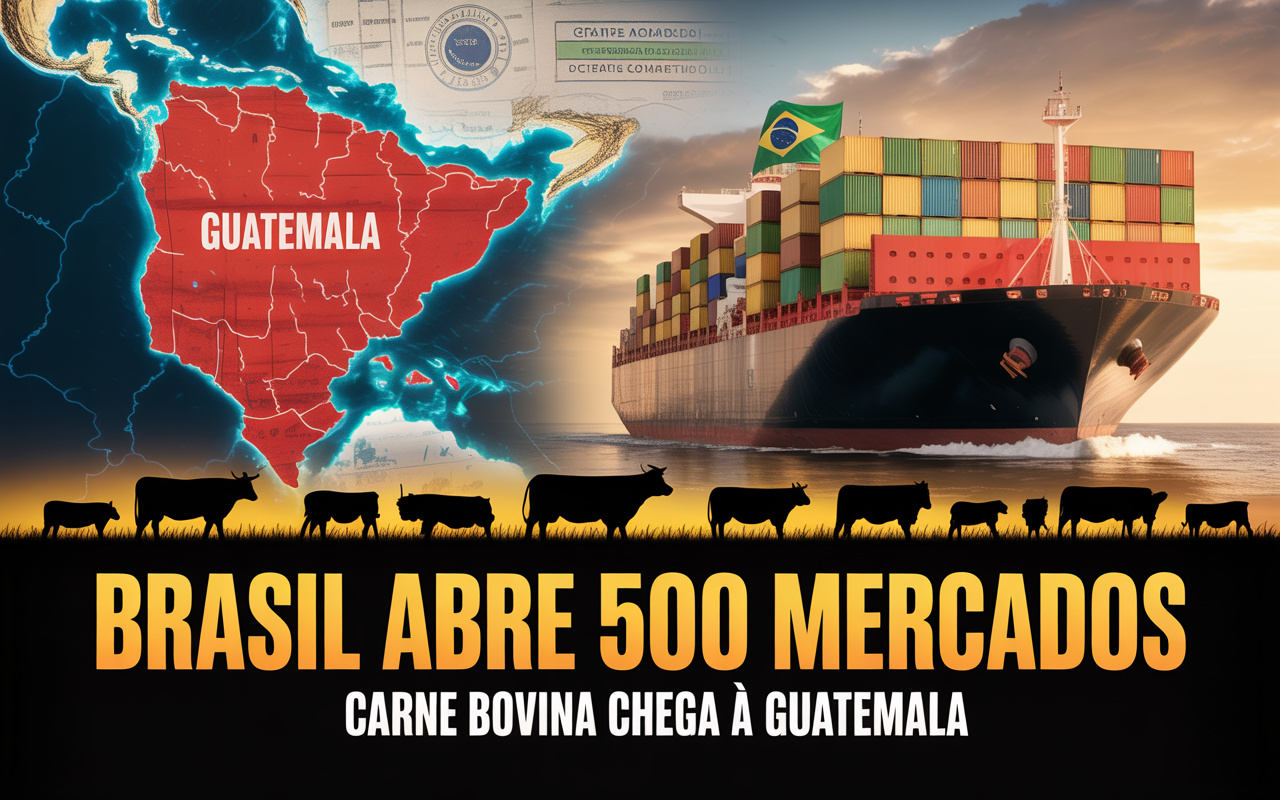
Brazil Opens 500th Market Since 2023, Conquers Guatemala and Expands Global Presence of Beef with Strategic Expansion Into Central America.
The opening of the Guatemalan market to Brazilian beef is not just another diplomatic announcement: it is a historical milestone that consolidates Brazil as an absolute protagonist in the global animal protein trade. By authorizing, on Tuesday (9), the export of beef and its derivatives, Guatemala has become the 500th new market opened by Brazilian agribusiness since 2023, an unprecedented pace for any other major exporter.
The number summarizes the international repositioning strategy adopted by the Brazilian government over the last three years, focusing on rebuilding alliances, sanitary expansion, and trade openness. According to the Ministry of Agriculture and Livestock, the achievement of 500 new accesses demonstrates global confidence in Brazilian sanitary standards and reinforces the robustness of the national production chain.
The Diplomatic Surge That Led Brazil to 500 New Markets Since 2023
The initial goal of the government, announced in 2023, was ambitious: to open 200 new markets. Three years later, the country has more than doubled that goal. The Minister of Agriculture, Carlos Fávaro, celebrated the achievement by highlighting that the progress reflects continuous efforts in technical negotiations and sanitary credibility:
-
Irrigation pond breaks on a farm in southern Piauí, leaving the reservoir empty and a trail of damage; nearly 1 billion liters flood a soybean field, causing losses, with no injuries reported, and the causes still officially unknown.

-
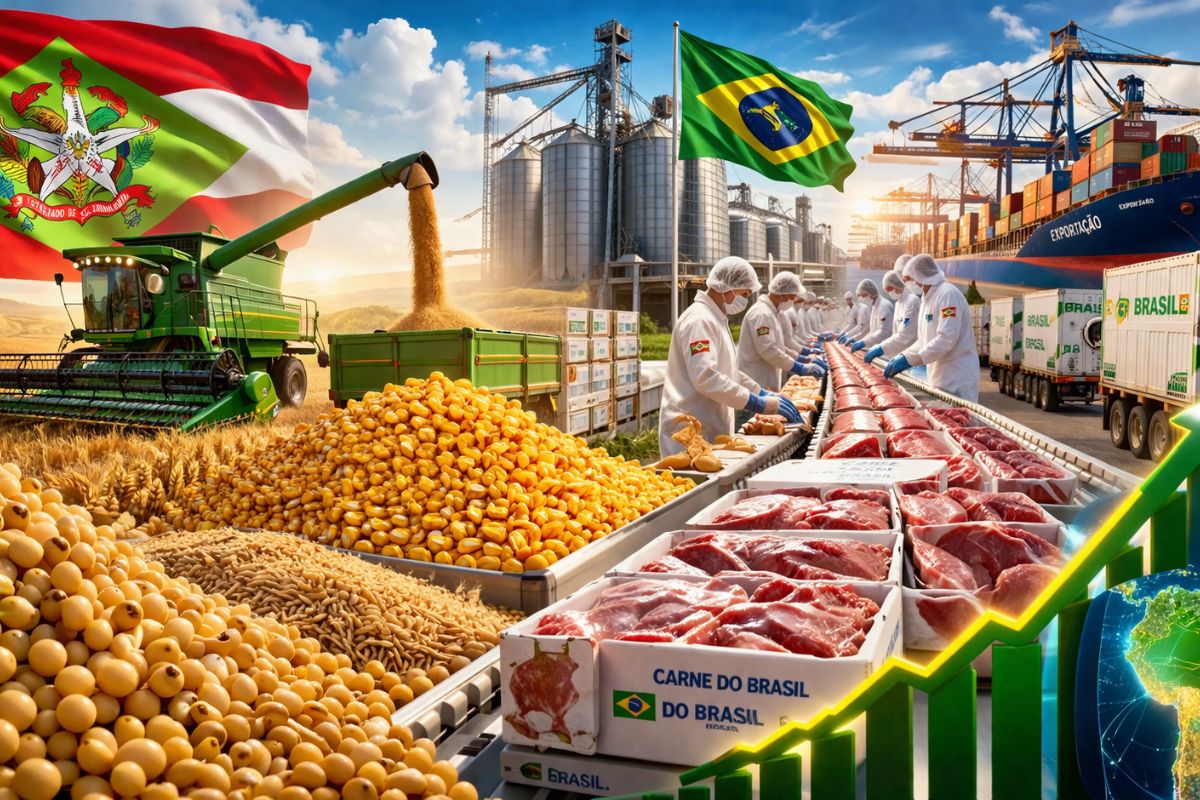
Santa Catarina harvested 7.85 million tons of grains and exported 2 million tons of meat in 2025: a growth of almost 6% in the food industry, which is four times higher than the national average and drives the entire Brazil.
-
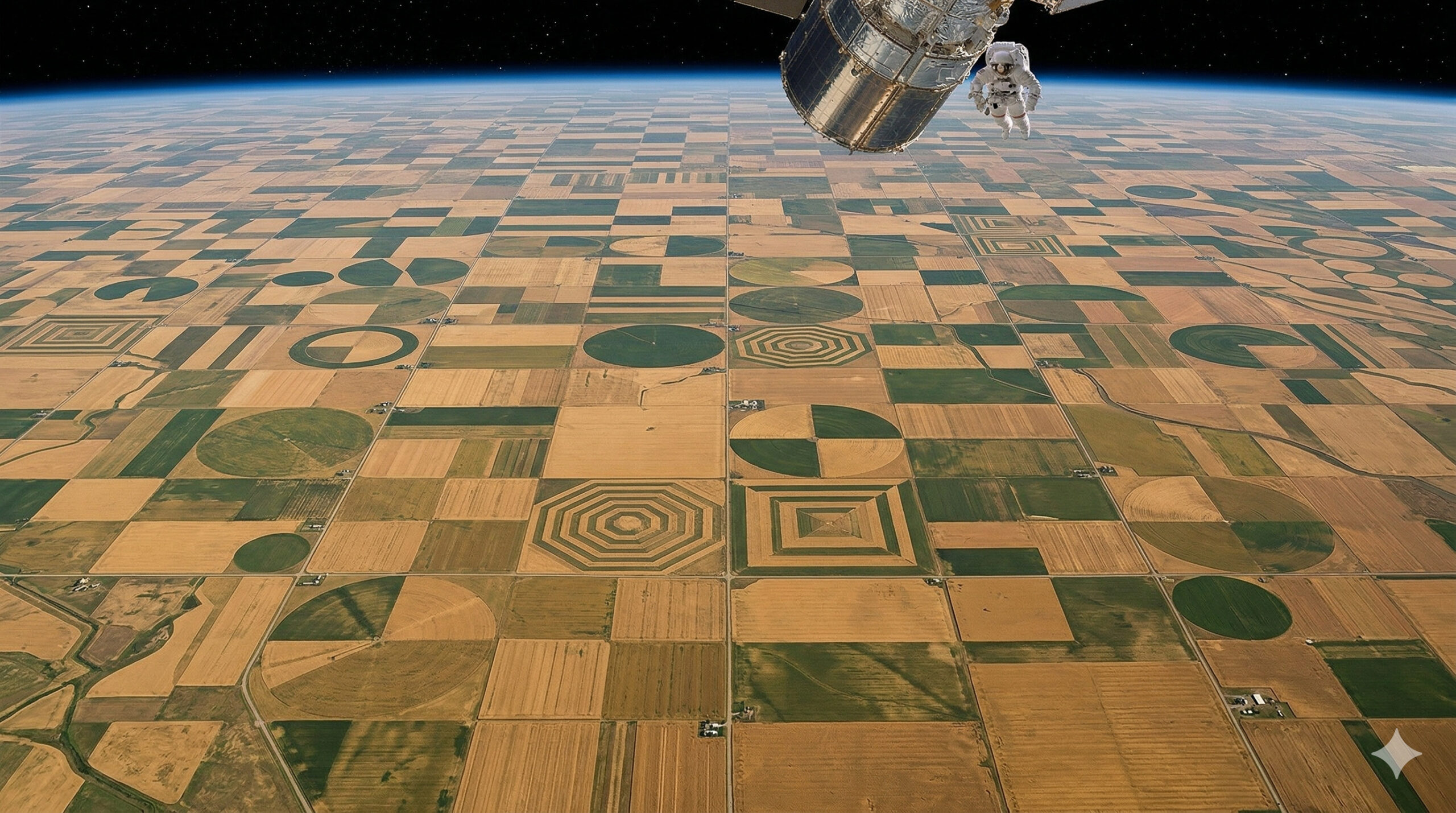
The expansion of greenhouses in southern Canada has become so intense that it has changed the appearance of the soil and even the nighttime glow of the region, transforming Ontario into one of the most visible agricultural hubs in North America from space.

-
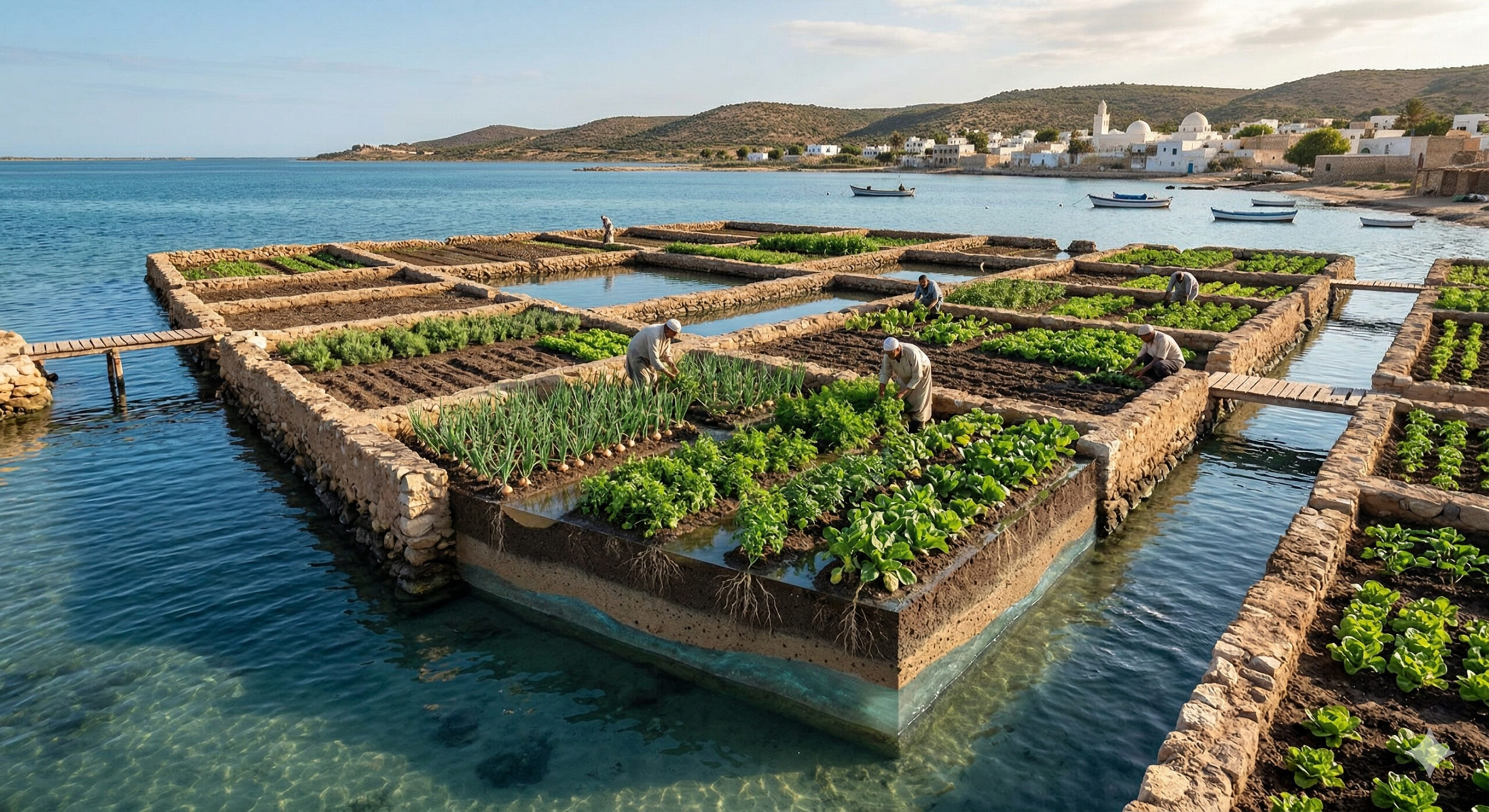
Almost nobody imagines it, but farmers in Tunisia grow food in the sand and make the roots drink fresh water that floats on top of seawater in an agricultural system considered unique in the world.
“In 2023, President Lula set the goal for us to open 200 new markets and restore good diplomatic relations. Now, three years later, we have reached 500. This shows the efforts of an entire team and the confidence that countries have in Brazilian sanitary standards.”
The achievement comes at a time when 70% of the beef produced in Brazil remains in the domestic market, ensuring supply and stability, while the exported portion sustains the country among the largest foreign exchange generators in agribusiness.
Guatemala: A Small Yet Strategic Market on the Central American Route
With around 18 million inhabitants, Guatemala has become an increasingly attractive destination for Brazilian food products. From January to October 2025 alone, the country imported US$ 192 million in agricultural products from Brazil, mainly cereals.
Now, the opening for beef places Brazil in a rapidly growing sector. In the last year, Guatemala imported US$ 155.6 million in beef, equivalent to 8.6% of national consumption, a surge of 122% compared to previous years.
The potential for expansion is even greater: over 70% of imports are frozen cuts, a segment in which Brazil is the global leader in competitiveness, volume, and technical standardization. The Brazilian presence is likely to reshape the Guatemalan domestic supply, reducing logistical costs and increasing the availability of high-quality protein.
For Guatemala, the entry of Brazilian beef meets an immediate objective: food security and stability of supply. For Brazil, it is a door to expand its presence throughout Central America, a region with strong dependence on imports of animal protein.
The Performance of Brazilian Beef: Leadership, Record Volume, and Constant Advancement
The announcement comes amid one of the strongest periods for Brazilian beef exports. In 2024, the country shipped 2.8 million tons, generating over US$ 12 billion. In 2025, the pace increased even further: by October, exports had already surpassed US$ 14 billion, consolidating one of the best results in the historical series.
This performance is the result of:
– qualification of new slaughterhouses
– bilateral sanitary agreements
– increasing traceability
– diversification of buyer markets
– growing global demand for high-value protein
The entry of Guatemala reinforces this movement, expanding the base of countries with formal access to Brazilian beef and strengthening the geographical diversification strategy.
Why Is Guatemala Importing Brazilian Beef Now
The opening of the Guatemalan market is the result of an equation involving sanitary security, competitive cost, and operational reliability. Brazil offers:
– unmatched production scale
– regularity of supply
– more competitive prices than global competitors
– a variety of cuts adaptable to local consumption standards
– established logistical and export capacity
With the growth of domestic demand in Guatemala and the expansion of the food service sector in the country, the arrival of Brazilian protein meets a movement toward modernization of the local market.
Regional Impact: An Opening That Projects Brazil Over All of Central America
Although Guatemala is not a large market in absolute terms, its opening has strategic significance.
The country serves as a logistical hub for northern Central America, with connections to El Salvador, Honduras, Belize, and Nicaragua. Local companies often redistribute products to neighboring countries, which could indirectly increase the reach of Brazilian beef.
Moreover, access to the Guatemalan market strengthens Brazil’s position in competition with exporters like the United States, Mexico, and Nicaragua, who already dominate part of the regional flows.
The Mark of 500 Markets Is Not Just Symbolic; It Changes the Global Game
With the entry into Guatemala, Brazil not only inaugurates a new commercial destination. It confirms a broader strategy: to be the largest and most reliable global supplier of beef.
The mark of 500 new markets since 2023 highlights that the country has expanded its economic diplomacy, consolidated its sanitary reputation, and positioned itself as a preferred partner in global supply.
The Guatemalan opening is yet another step, small in volume but enormous in significance. It reinforces Brazil’s presence in a little-explored region, expands opportunities for frozen cuts, and demonstrates that Brazilian beef continues to advance where there was once no space.









-

Uma pessoa reagiu a isso.