





 Portuguese
  English
  Spanish
  7 min of reading
  3 comments


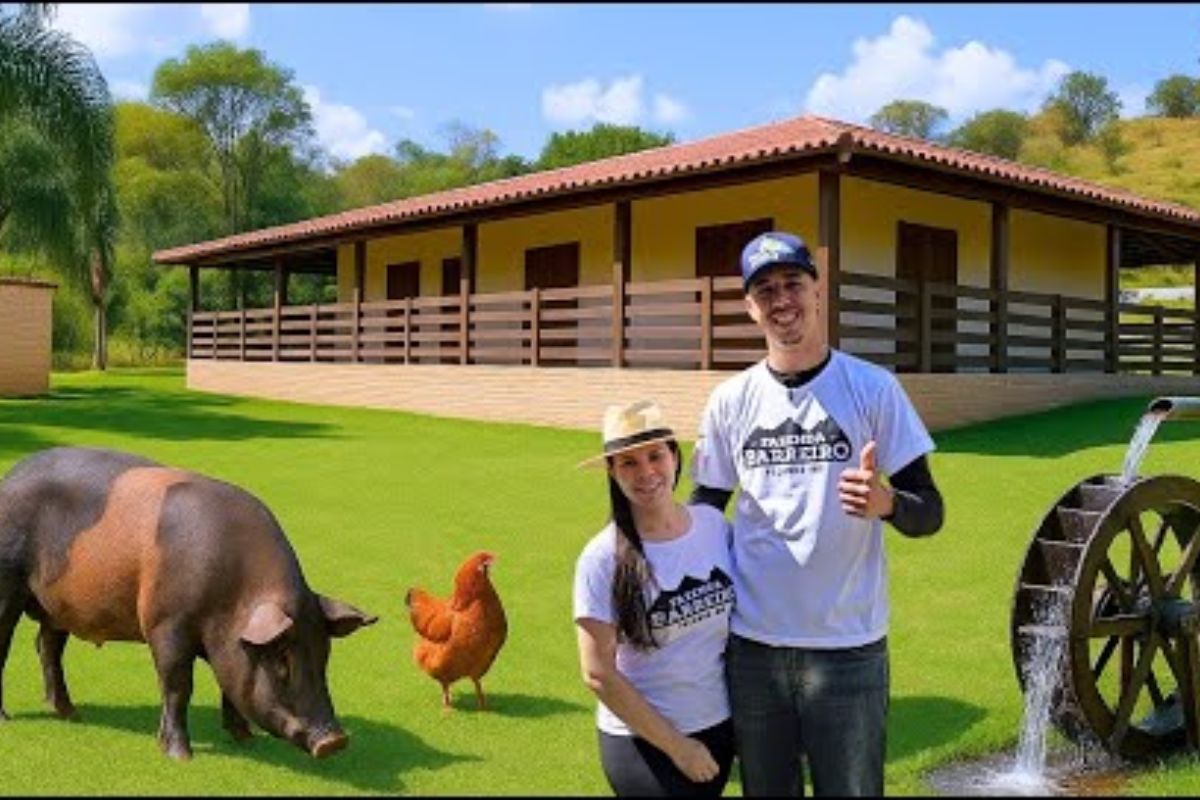


In The Middle Of A Health Crisis, A Young Couple Exchanges The City For The Countryside, Leaves Behind The Routine Of Courses And Urban Jobs, Takes On The Family Legacy, Learns From Neighbors And YouTube, And Builds, In A Few Years, A Diversified Production Of Milk, Cheese, Eggs, Fruits, Pigs, Fish And Vegetables To Supply Neighbors
When a young couple exchanges the city for the countryside for just fifteen days of refuge and decides never to return, it is not just the address that changes. The way of facing work, raising children, using the land, and even the relationship with time changes, as it stops being marked by the clock and becomes guided by the sunrise, the sound of birds, and the rhythm of animals.
For Junin and Priscila, the pandemic acted as a trigger for a definitive turnaround. What began as a temporary stay on a family farm turned into a life project, with the couple giving up their urban routine, veterinary and nursing courses, and taking on the responsibility to run a productive property practically from scratch, learning in practice how to transform a plot full of weeds into a lively, organized, and economically viable farm.
From The 15-Day Visit To The Life Project In The Countryside

Junin and Priscila arrived at the farm during the pandemic, intending to stay just fifteen days, waiting for the situation in the cities to calm down.
-
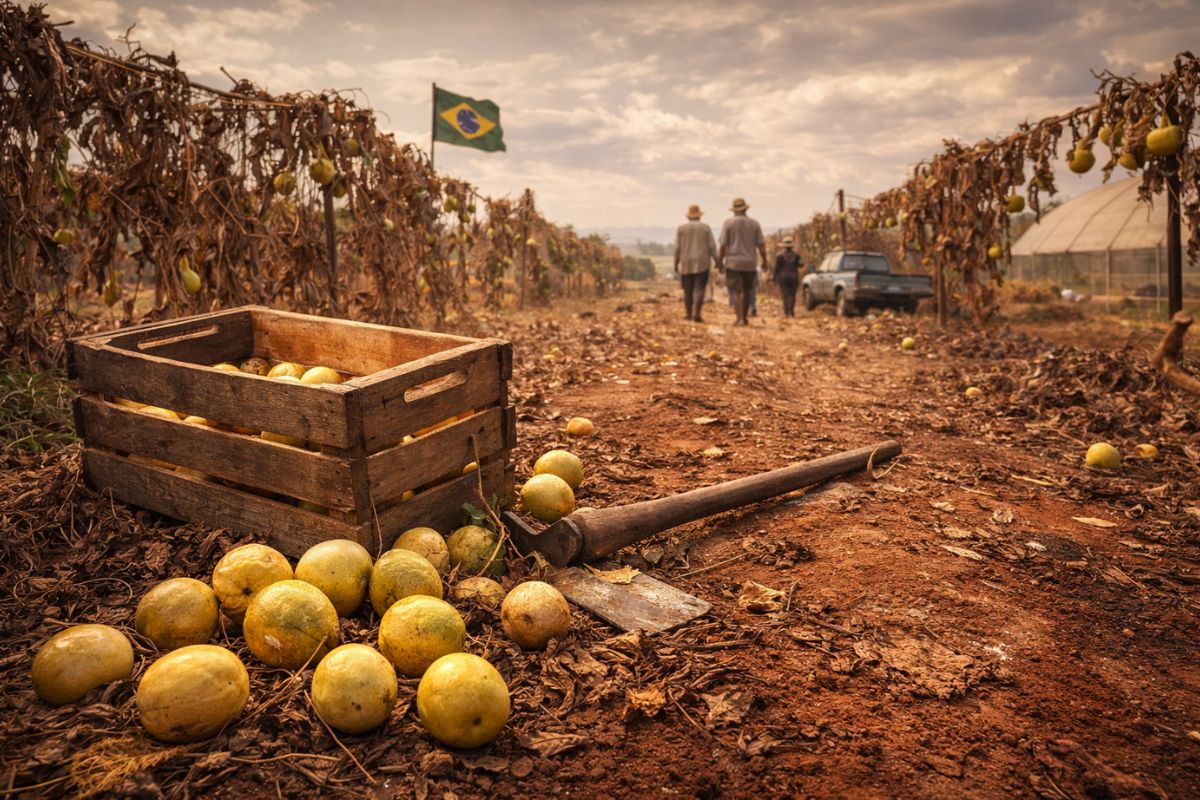
From 130 producers in the year 2000 to just 15 today: the dramatic decline of passion fruit in Araguari shows how the lack of labor in the Brazilian countryside is killing a decades-old agricultural tradition, even with Brazil being the largest producer in the world.
-
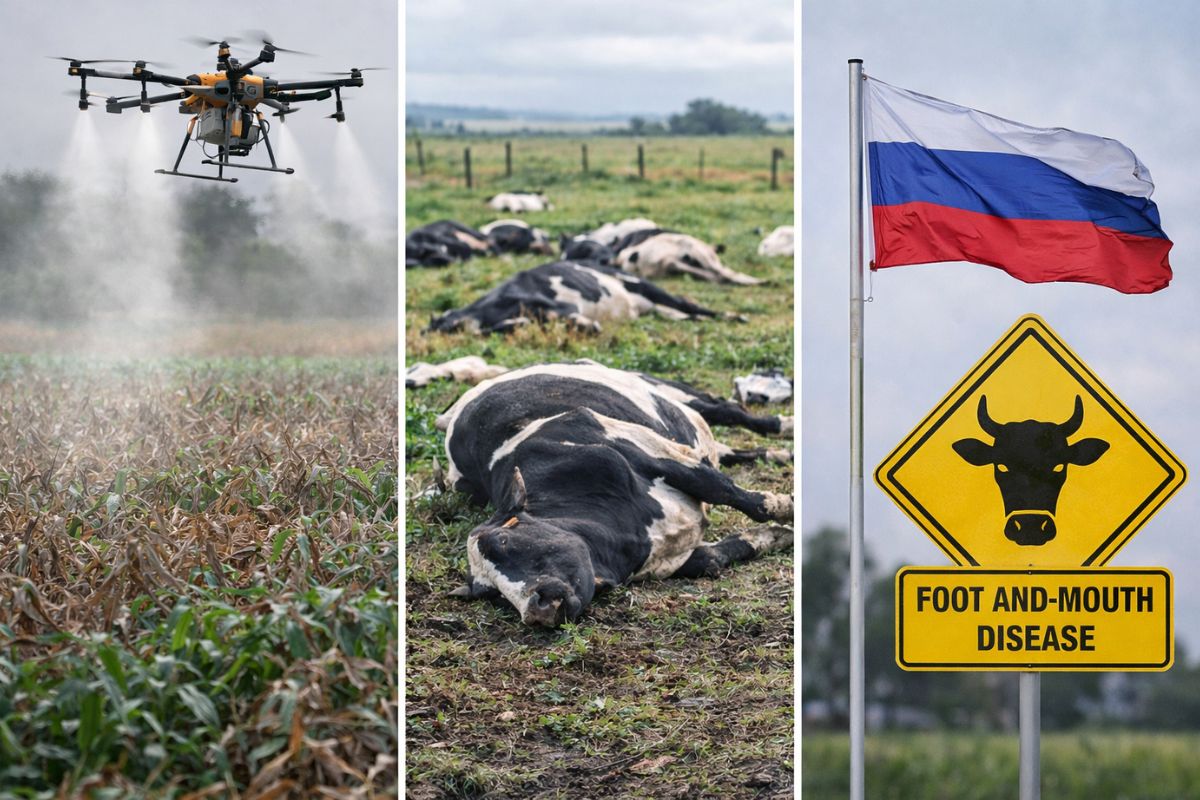
Agricultural drone sprayed poison into the air and destroyed the neighbor’s crops, causing 1 million in damages; 48 cows died from nitrite poisoning in the pasture, and Russia is hiding a possible outbreak of foot-and-mouth disease: the week was brutal for the rural sector.
-
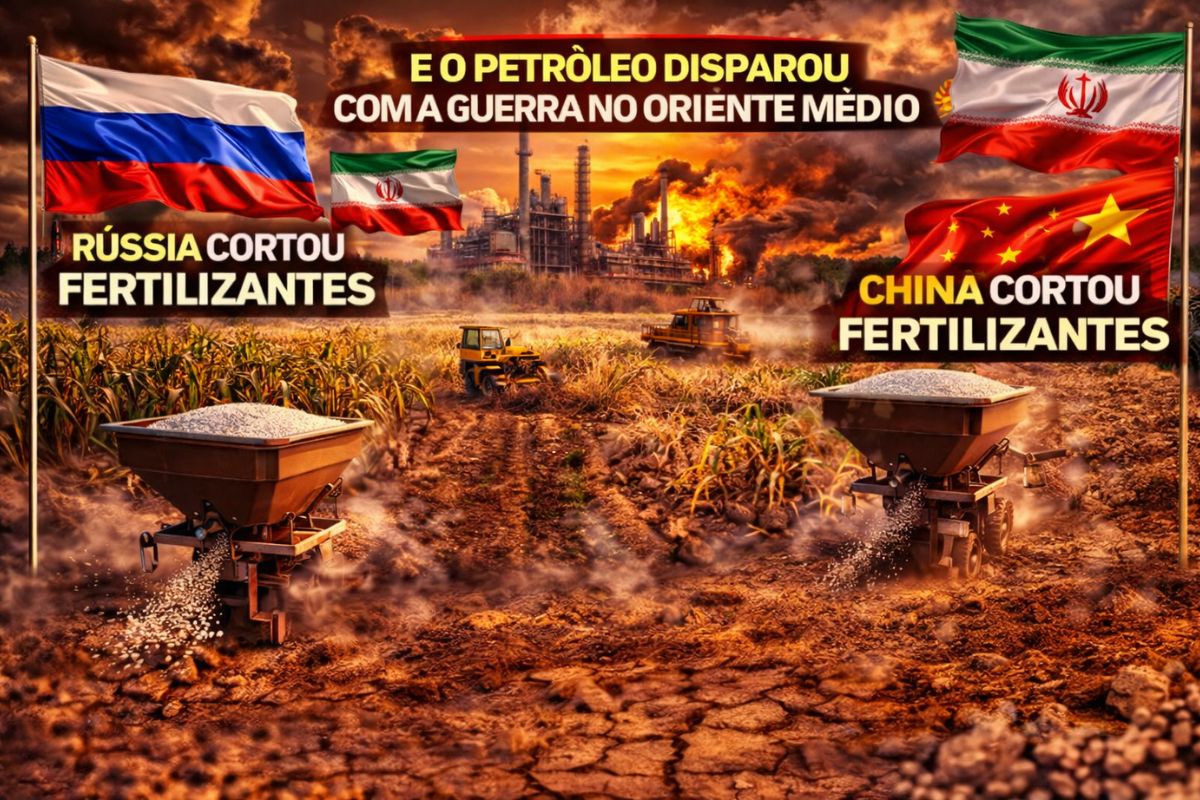
Russia cut fertilizers, China cut fertilizers, and oil prices soared with the war in the Middle East: sugarcane producers in the interior of São Paulo are seeing costs explode from all sides and warn that the effects will take months to be absorbed.
-
It does not come from flowers, is produced only every two years, and more than 90% goes straight to Europe: meet the bracatinga honeydew honey from Santa Catarina, considered one of the rarest in the world and overlooked by Brazil itself.

She was seven months pregnant, he was studying veterinary medicine in the capital, both still focused on urban life. The decision to stay seemed unlikely at that first moment.
Over time, however, the logic reversed.
The realization that the countryside offered more security, quality of life, and space to raise their son, Netinho, prevailed over any longing for the city.
When the farm faced the risk of closing, with employees leaving, the couple chose to take on the daily work: caring for the cattle, organizing the barn, maintaining the orchard, checking the water, taking care of the pigs and chickens, while also adapting the house with internet and minimal structure to continue studying and working.
Old Heritage, New Decision: Three Generations Connected By The Same Land

The farm did not come from nowhere.
Junin’s grandfather bought the land decades ago, paying with coffee and corn harvests, in a classic model of bartering work for productive land.
Over the years, his father began repurchasing parts from his siblings, consolidating the property and maintaining the family’s connection to that piece of land.
When the young couple exchanges the city for the countryside, they are not just seeking tranquility. They are taking on the continuation of a project initiated by their ancestors.
The fourth generation, represented by Netinho, grows up knowing that space has history, accumulated effort, and responsibility.
The decision to not “give up what the grandfather built and the father maintained” weighs more than any promise of a better salary in the city or a diploma hung on the wall.
Technical Learning In Practice: Neighbors, YouTube, And Trial And Error

Junin did not know how to milk cows, was not skilled in pasture management, cutting grass, or fencing. Priscila had never lived in the countryside.
The starting point was the humility to recognize that everything needed to be learned from scratch.
The combination of help from experienced neighbors and YouTube videos became the main “rural training course” for the couple.
It was so with the dairy cows, with the management of chickens, with the care for pigs, and especially with cheese production.
Priscila started experimenting at home, adjusting salt, texture, and dough consistency until reaching a standard that pleased the family and then, later, the customers.
From then on, cheese ceased to be merely for internal consumption and became part of a structured line of products, with farm labels, production routines, and regular deliveries.
Productive Structure: Milk, Cheese, Eggs, Pigs, Fish, And Fruits
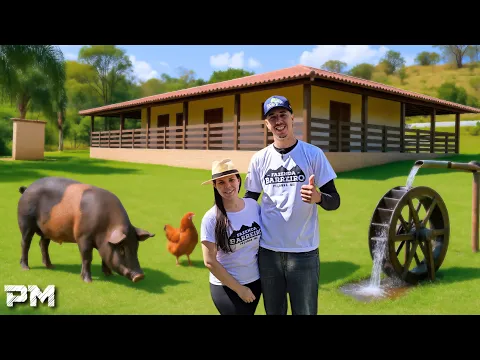
Today, the young couple exchanges the city for the countryside and fundamentally lives off what the farm produces.
The core of their income lies in milk transformed into artisanal cheese, produced daily with standardized processes, the use of whey, suitable molds, and dedicated space for draining and aging.
The whey, which could be waste, becomes a cheap input for fattening the pigs, reducing feed costs and increasing system efficiency.
In poultry farming, laying hens in a controlled regime provide valued free-range eggs, while chickens and chicks roam the yard, reinforcing the image of a diversified system.
The eggs are sent to local customers and to the capital, along with the cheeses, creating a constant flow of production and distribution.
Meanwhile, market pigs are fattened and sold by live weight to buyers in the region, utilizing whey and leftovers from the property.
Water, always a sensitive point for any producer, is managed using springs, tanks, and a water wheel that reduces dependence on electric pumps.
Tanks with tilapia and other fish complement the system and can serve both for the family’s consumption and, eventually, as another source of income.
Surrounding the house, orchards of orange, tangerine, starfruit, banana, and other fruits complete the food cycle, allowing the family to have a variety of fresh foods just a few meters from the door.
Organization, Pasture Management, And Long-Term Vision
The routine at the farm shows that the work is intense but structured.
Cows are milked in a covered barn, with management that seeks a balance between the number of animals and the pasture’s carrying capacity.
Junin’s goal is to replace quantity with quality, reducing the number of cows and increasing productivity per animal through better genetics and more adjusted management.
In the pasture, rotating areas for defined periods helps maintain the grass at an adequate height, even without large investments in fertilizers.
The goal is not to create a large herd, but rather a herd suitable for the size of the farm and the milk and cheese processing capacity.
With pigs, the reasoning is similar: limit the number of sows, castrate males at the right time, make better use of whey, and maintain a flow of growing animals until the point of sale.
The Child’s Life On The Farm: Active Childhood, Responsibility, And Monitored Freedom
At the center of this story, Netinho grows in an environment that combines responsibility and freedom.
He goes to school early, faces dirt roads, and crowded buses, but returns home to find space to play, kick a ball, and participate in the daily routine.
He learns to milk cows, handle calves, gather eggs, and receive small monetary rewards for the work he helps to carry out.
This dynamic creates a different vision of effort and reward.
Instead of just hearing about “hard work,” the child sees the direct results of what he does: gathered eggs, fed animals, cheese ready the next day.
His closeness to his father and mother in the farm routine also strengthens bonds and creates a sense of belonging to that territory, of responsibility for the continuity of the property, and a concrete understanding of where the food that reaches the table comes from.
Quality Of Life, Simplicity, And The Farm’s Future
For the couple, the comparison between city and countryside is not just financial.
They emphasize the quality of life linked to silence, birdsong, fresh food, and greater control over their own time.
The routine starts early, but it doesn’t end in traffic jams and exhausting journeys late into the night. It concludes in the yard, caring for the children, the animals, and organizing for the next day.
The farm, which was once just an inheritance and nearly closed down, is now the center of a future project.
The intention is to expand cheese production, consolidate the sale of fried green bananas, improve the genetics of the dairy herd, strengthen the orchard, and possibly establish a presence on social media to show the day-to-day life of the farm to those who still see the countryside only through their cellphone screens.
The same internet that taught them to make cheese and manage cattle can now help scale the family’s story.
In the end, Junin and Priscila’s case shows how, in the middle of a pandemic, a young couple exchanges the city for the countryside and finds in the land not only refuge, but a real path of work, income, and meaning.
And you, if you had the chance to make the same move, would you leave the city to live off the farm and learn everything from scratch in the countryside?








Sim
BOM DIA , Parabéns pra vcs estou tentando fazer o mesmo por esse tempo ,👏👏👍👍🙏🙏🙏
sim, vida mais saudável com qualidade