





 Portuguese
  English
  Spanish
  6 min of reading
  17 comments


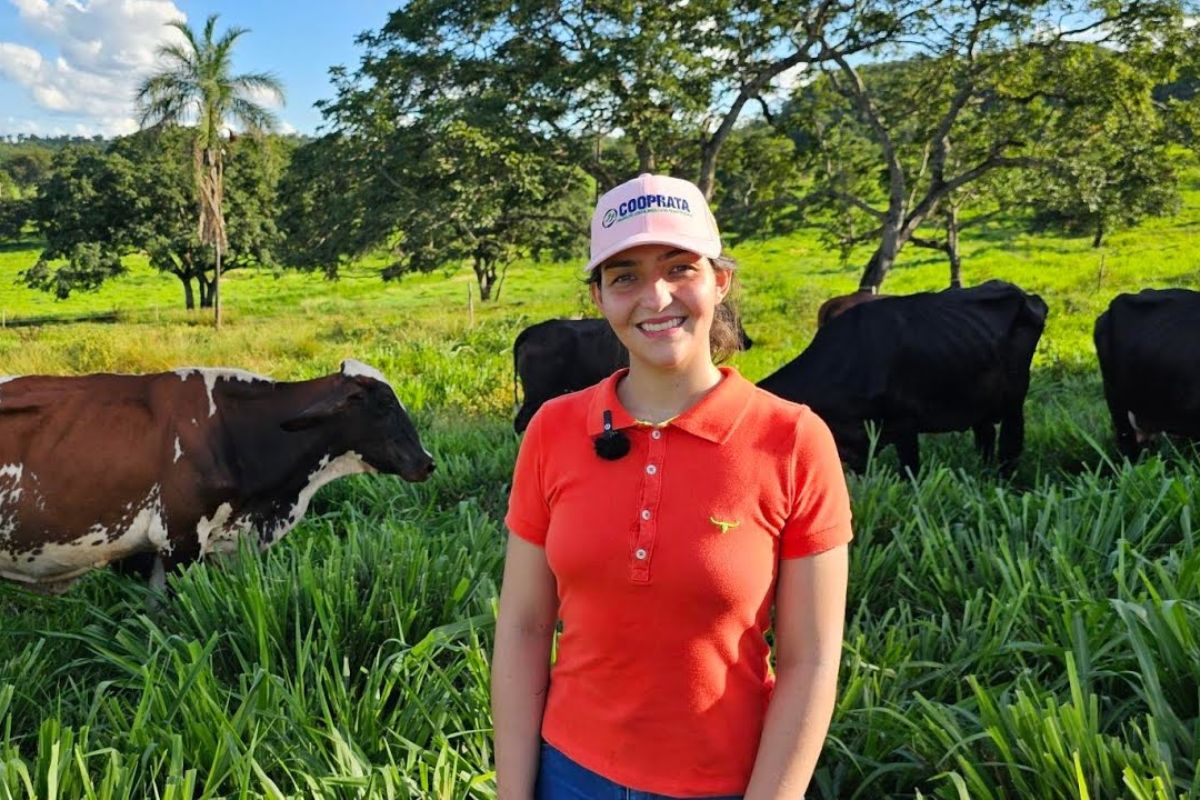


With 58 Cows, 860 Liters, and a Lot of Family Tradition, Young Cattle Rancher Builds Her Own Farm, Overcomes Losses in the Corral, and Transforms Milk Routine into a Future Project in the Minas Gerais Countryside
In just a year at the helm of her own farm, Istella transforms 58 cows into 860 liters daily, keeps the family tradition alive, navigates the milk price crisis, overcomes losses in the herd, and proves that management, discipline, and faith sustain cattle ranching, even amid economic instability in the field.
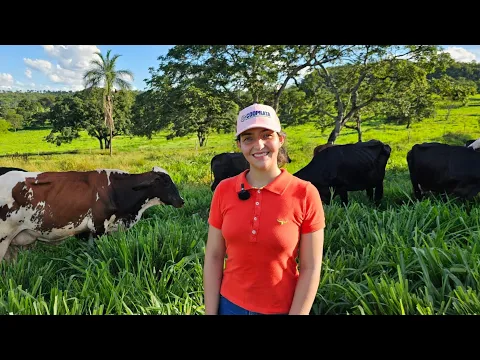
She grew up hearing that everything the house had came from milk. Today, with her husband and son in the corral, she takes charge of the São Sebastião farm, faces daily early mornings, pushes herself for results, and shows in practice that family tradition, technique, and courage can raise a cattle ranching business practically from scratch.
From Childhood in the Corral to a Farm in Her Own Name

Daughter of dairy farmers, Istella was raised on her parents’ farm in the Triângulo Mineiro, learning early on that the household income came from milking.
-
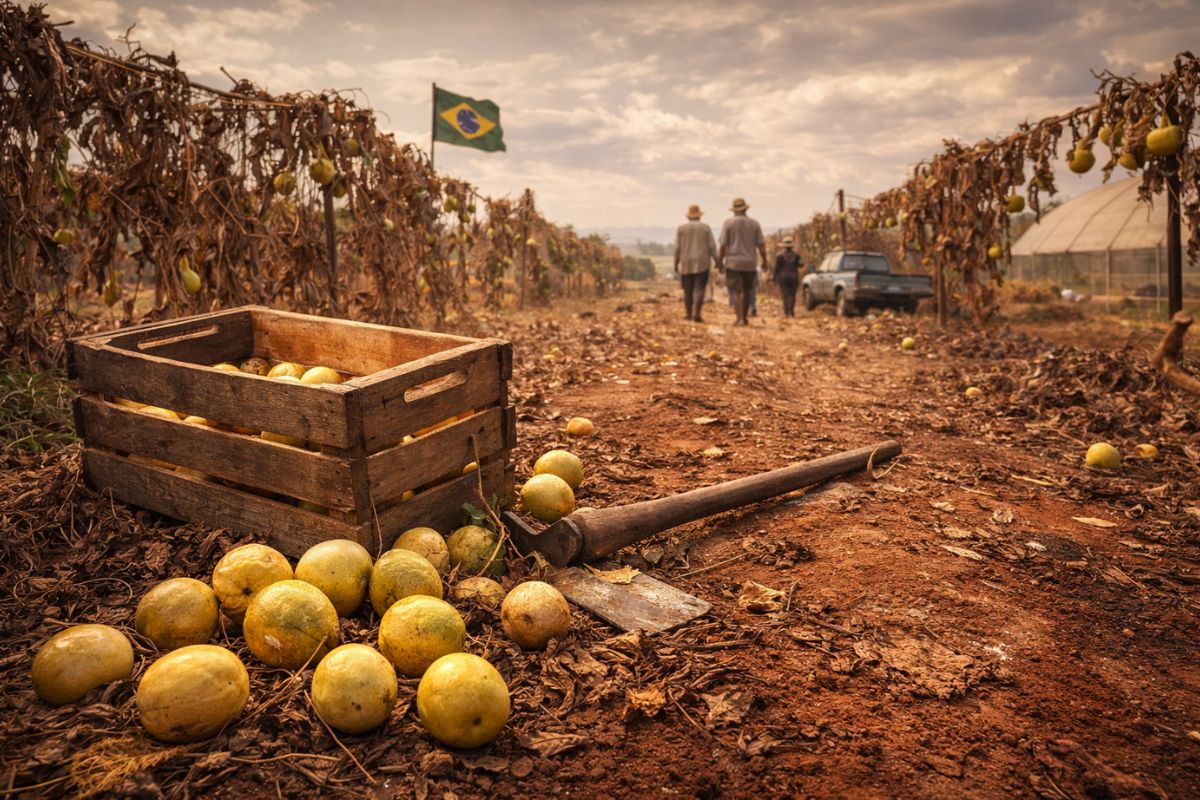
From 130 producers in the year 2000 to just 15 today: the dramatic decline of passion fruit in Araguari shows how the lack of labor in the Brazilian countryside is killing a decades-old agricultural tradition, even with Brazil being the largest producer in the world.
-
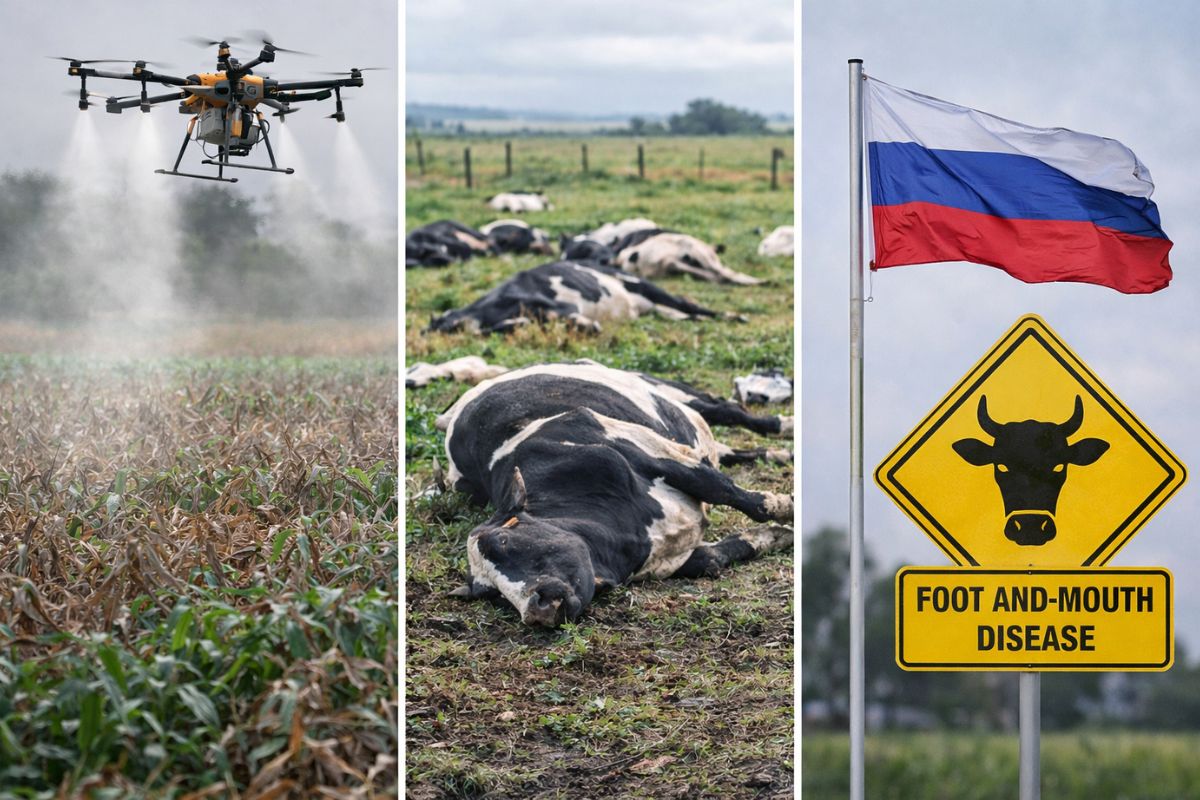
Agricultural drone sprayed poison into the air and destroyed the neighbor’s crops, causing 1 million in damages; 48 cows died from nitrite poisoning in the pasture, and Russia is hiding a possible outbreak of foot-and-mouth disease: the week was brutal for the rural sector.
-
Russia cut fertilizers, China cut fertilizers, and oil prices soared with the war in the Middle East: sugarcane producers in the interior of São Paulo are seeing costs explode from all sides and warn that the effects will take months to be absorbed.

-
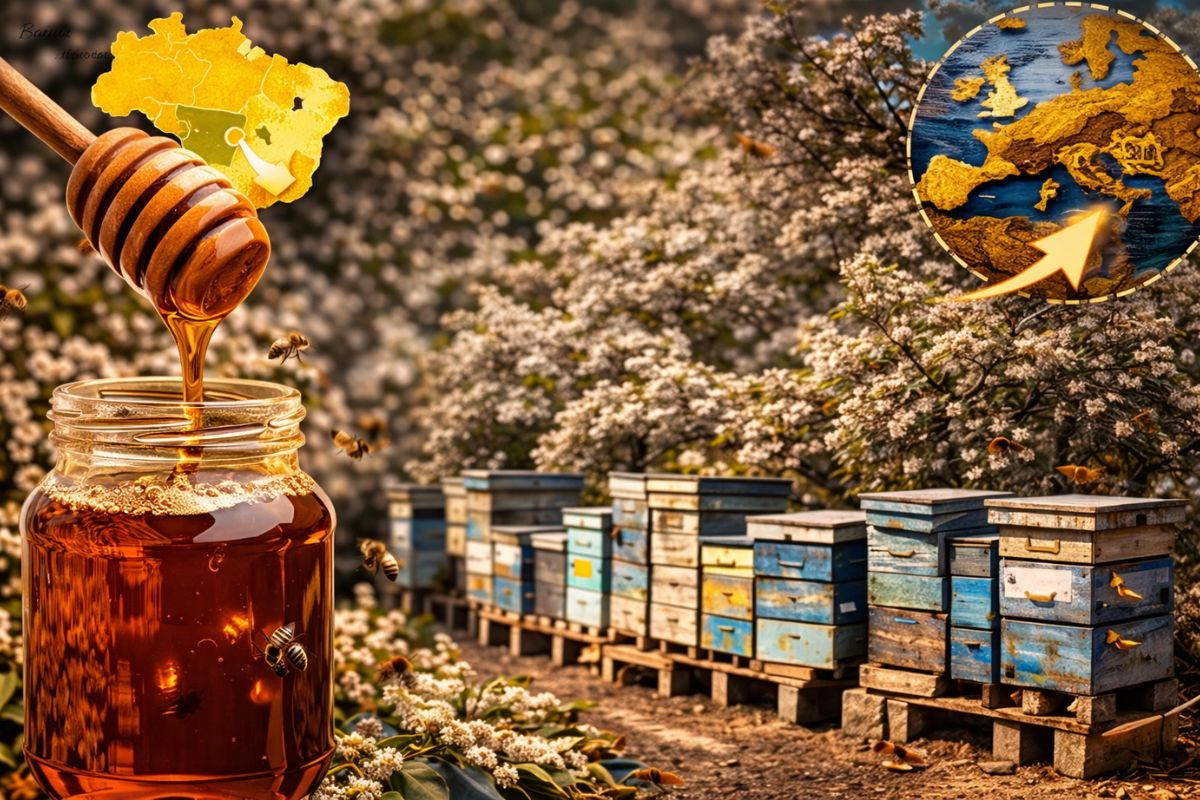
It does not come from flowers, is produced only every two years, and more than 90% goes straight to Europe: meet the bracatinga honeydew honey from Santa Catarina, considered one of the rarest in the world and overlooked by Brazil itself.
Her father hand-milked cows, set up the first mechanized milking room, and made sure to involve both daughters in every step of the work.
Thus, the milk tradition passed from great-grandparents to grandparents, from grandparents to parents, and from parents to the two sisters.
In adult life, she still tried the path of the big city. She enrolled in veterinary school in Uberlândia, took courses in farm management and family succession, worked outside, and even acted in a cooperative.
But urban life did not fit.
Realizing her place was in the countryside, she returned to her parents, convinced that she wanted to be the new guardian of the family tradition in dairy farming.
One Year in Charge: 58 Cows, 860 Liters, and a Non-Stop Routine

About a year ago, on March 10, Istella and her husband took sole charge of the dairy cattle operation on the property.
There are 58 lactating cows, producing an average of approximately 860 liters of milk per day, in a system that requires constant presence.
The alarm goes off at 5 a.m., every day, including Sundays and holidays. Between a quick breakfast, waking up their son, and traveling to the corral, milking begins around 5:30 a.m.
Their son, José Vítor, accompanies the daily routine.
On school days, he takes a van to school in the city. On other days, he sleeps in the car until the work begins, helps put salt in the troughs, and moves among the cows naturally.
The image of the child in the corral, repeating gestures he saw from his grandparents, symbolizes the strength of the family tradition applied to a new generation of producers, now under the leadership of a young cattle rancher.
Corral Management, Feed, and Clean Water to Ensure Production

During milking, each group is fed a ration formulated by a nutritionist, with 3 kilos in the morning, 3 kilos in the afternoon, additional pulp, and protein salt in each trough.
Istella and her husband moisten the mixture, creating a “soup” that facilitates consumption and reduces waste.
Nothing is improvised: the diet is calculated so that cows of different production levels do not exceed the amount the calf can consume and do not experience a sudden drop in milk.
Sanitary control includes testing each cow with a can twice a day. At each milking, the first jets are tested visually, identifying clots, texture changes, or signs of clinical and subclinical mastitis.
Meanwhile, calves receive pelleted feed to prevent dust in the lungs and encourage early consumption.
Pastures are divided into 12 paddocks, rotating every two to three days, preventing the animals from tearing new sprouts and harming regrowth.
The water comes from an artesian well, and drinking troughs are cleaned regularly. Istella knows that clean water and appropriate shade directly impact tank volume.
In the dry season, the system changes: the feed shifts to corn silage and cottonseed in trough batteries, reducing displacement and bringing the cows closer to a “eat and sleep” routine.
It was in this scenario that the herd reached 1,000 liters per day in previous periods.
Milk Crisis, Eight Lost Animals, and the Emotional Test
The first year in charge of the farm was not only marked by positive results. Istella faced a difficult combination of a milk price crisis with losses within the herd.
At one point, eight cows died, including animals with pre-existing issues, falls in the corral, fractures, and even a snake attack.
For someone starting out, losing eight cows is a heavy blow to the financial and emotional structure.
She admits she considered giving up.
At the same time she saw costs rising, she was monitoring the milk prices paid below expectations, during a phase when the couple was still adjusting management, reproduction, and cash flow. It was at this moment that the support network proved crucial.
Her father, with decades of experience, reminded her that he had been through worse situations, reinforcing that the family tradition is precisely about enduring bad phases and continuing to produce.
Reproduction, Genetics, and Planning for the Next Milk Crop
Even amid the crisis, the farm did not stop thinking about the future of the herd.
Istella has already initiated reproductive protocols, with insemination of some cows and heifers, aiming to gradually improve the genetic base without losing docility and adaptability to the pasture and silage system.
Pregnant cows receive specific pre-calving feed, shade, and a vaccination schedule to ensure healthy calves.
One of the farm’s references is a cow named Estrela, a first-calf heifer that already produced around 40 liters per day at her peak lactation.
Currently resting and pregnant again, she represents the farm’s potential to work with high-production animals and good temperament.
Surrounding her, heifers raised by Istella on her father’s farm are now entering the production queue, completing a cycle in which the family tradition generates its own genetics and technical sustainability for the activity.
Succession, Faith, and the Weight of Honoring the Surname in the Field
The story of the São Sebastião farm is not just about numbers of liters or heads.
It is directly linked to the community chapel, monthly prayers, the rosary on the 26th, and the faith cultivated in the same landscape that houses pastures, corrals, and watering troughs.
Istella and her family follow the community’s religious routine, seeing faith as part of the emotional management necessary to navigate price crises, droughts, and unexpected losses in the herd.
At the breakfast table, cheese made with milk from the farm, freshly baked cheese bread, and products from the regional cooperative reinforce the integration between property, local industry, and consumer market.
On the guitar, inherited from her father, Istella plays songs she learned at home, connecting past and present.
For her, the farm in her name is not just an economic asset but proof that the family tradition can adapt, professionalize, and remain alive in the hands of a woman, a husband newly committed to farm life, and a son growing up in the corral.
With this first year of 58 cows, 860 liters daily, and much accumulated learning, the producer envisions a future with more liters, more organization, and less improvisation, while not giving up the roots that shaped her.
On the horizon, the goal is to reach much greater production levels, always with management adjusted to the reality of the climate, prices, and the family itself.
And you, looking at your own story, to what extent do you think family tradition still weighs in decisions about staying or leaving the field?










Tenho admiração por pessoas decididas, corajosas o suficiente pra comandar e saber administrar os bens concedidos. Administrar não é pra qualquer um, cada um com seu potencial
Que exemplo, muitas BENÇÃOS a ela. Parabéns e sucesso. Felicidades sempre. Nunca perca a esperança, siga sempre em frente e com o ALTÍSSIMO PAI NOSSO.
Gostaria de saber, como foi está sucessão familiar? E a outra irmã?