





 Portuguese
  English
  Spanish
  5 min of reading
  2 comments


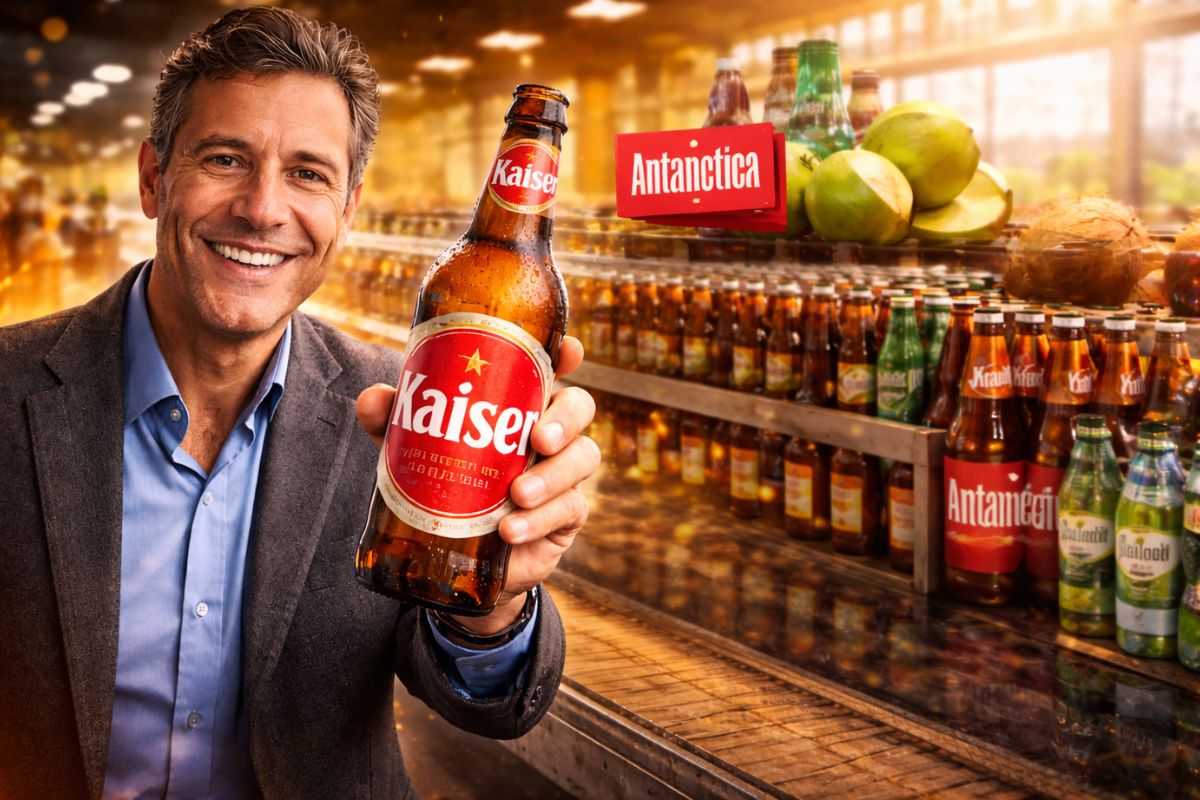


The Beer Kaiser Was Born in 1982 in Minas, Became a Weapon Against the Domination of Brahma and Antarctica and Cleared the Way for Industrialized Coconut Water and New Markets in Brazil
In 1982, Luís Otávio Poças Gonçalves built the Kaiser brewery from scratch and launched a beer that changed the game in a region where Brahma and Antarctica dominated the point of sale with tied sales. In just three months, the strategy gained traction and dismantled the mechanism that suffocated competitors in retail, making the beer the missing piece to protect the entire beverage portfolio.
Twenty years after the launch, Poças sold Kaiser for US$ 765 million. And the story didn’t stop at the beer: he created Quero Coco, identified as the first industrialized coconut water in the world, set up an insect factory for animal feed, and in 2023, at 81 years old, returned to university to solve a technical problem and launch another product.
The Problem: When There Is No Beer, the Market Closes the Door
Poças operated with beverages in Minas Gerais and experienced the pressure from the giants firsthand. Brahma and Antarctica, according to the data, dominated the beer market and conditioned the supply of their beers to the purchase of soft drinks from the same source. Without beer at the counter, the point of sale was out of the game.
-
The largest food company on the planet, JBS, has just opened a 4,000 square meter laboratory in Florianópolis to develop customized proteins that modulate muscle mass gain, immune response, and metabolic performance.

-
After nearly 30 bids and competition among industry giants, a Spanish company purchases one of the largest airports in Brazil for almost R$ 3 billion and takes over the management of Galeão in a concession that will last until 2039.

-
The Federal Revenue Service now automatically cross-references everything you declare with data from banks, credit cards, brokerage firms, and insurance companies, and any discrepancy between your income and your expenses triggers an alert in seconds.

-
Amid global tensions, Brazil blocks the United States’ proposal at the WTO and paves the way for a trade crisis and possible retaliations.


The result was a hard drop in market share: the share that was reported as 30% to 40% fell to 16% and continued to decline. That was when the solution became obvious: create a proprietary beer to break the deadlock.
The Loan of US$ 6 Million and the Beer Factory in Divinópolis
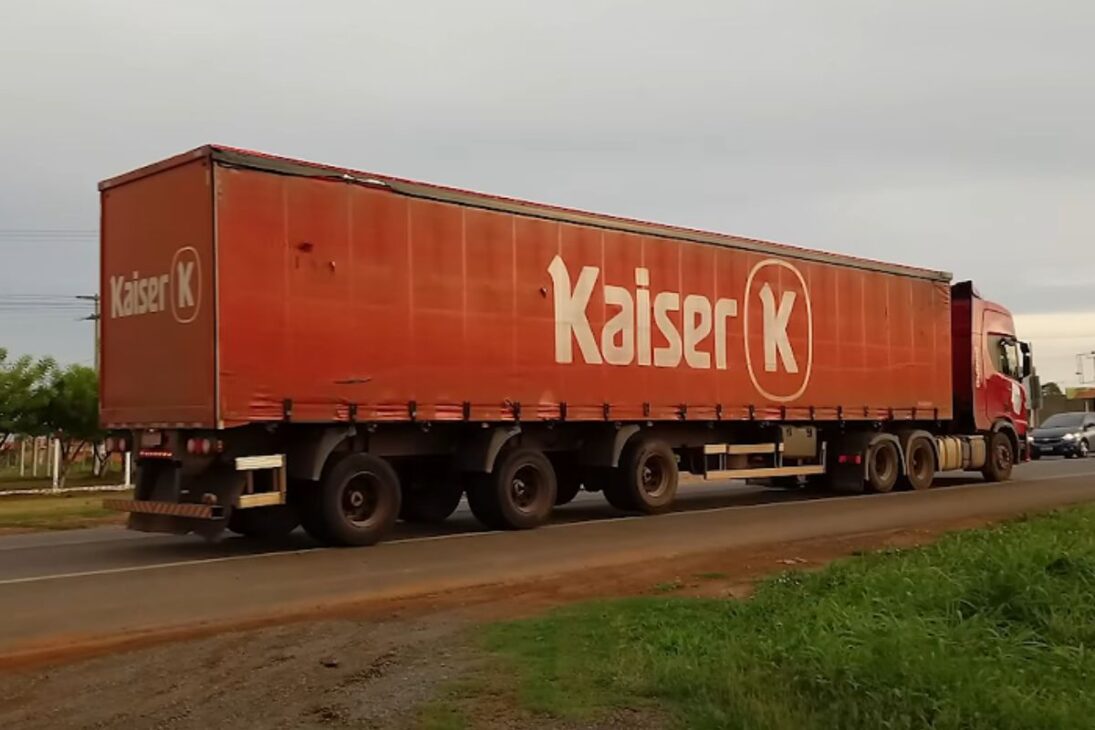
Without a partner, Poças went it alone. The data reports that he risked his own capital and also took out a loan of US$ 6 million, a significant amount for the time, to build the first Kaiser beer factory in Divinópolis, Minas Gerais.
To come up with the ideal recipe, over 700,000 liters of beer were tested. The name was chosen as a symbol of ambition: Kaiser, “emperor” in German, easy to pronounce, and reflecting the strength of one who would challenge two empires.
The Turnaround in 90 Days: The Beer Changes the Whole Portfolio
Kaiser was launched on April 22, 1982. Three months later, the data describes a turnaround that surprised even those who called the project madness: market share of soft drinks in the region jumped from 16% to 48%.
The key point is the indirect effect. The beer was not just a new product; it was a gateway to retail, as it neutralized tied sales and reestablished the beverage portfolio on the streets with vigor.
Coca-Cola Enters as a Partner and Kaiser Gains Scale
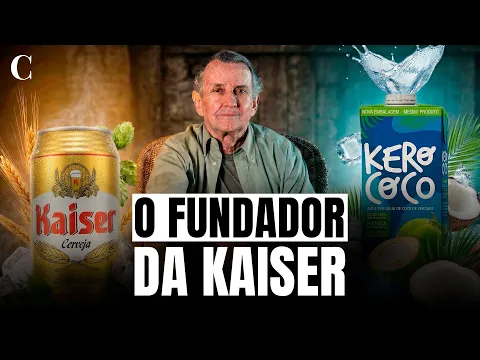

Poças first attempted to persuade executives from Coca-Cola International to join the business and received a notable refusal, recorded in the data as a dollar bill handed over as a “contribution.” Even so, after the success, the story changed.
The data reports that two years after the launch, Poças sold 15% to Heineken, paid off the debt, and in 1984, Coca-Cola International entered as a partner, purchasing 10% of the brewery.
The same company that said no started paying to participate, in a move described as unprecedented in the multinational’s context.
With strong distribution as an ally, Kaiser grew to a 19% national market share, and the operation boasted 10 factories, 2,300 direct employees, and 450,000 points of sale, according to the numbers cited in the data.
The Merger That Changed the Game and the Sale for US$ 765 Million
In 1999, the data highlights the merger of Brahma and Antarctica to create Ambev, further increasing market concentration. For Poças, this reduced the possibility of real competition.
In 2002, twenty years after founding the brewery with the US$ 6 million loan, Poças sold Kaiser to the Canadian Molson Coors for US$ 765 million. The beer had been the engine of the turnaround, but he left at the right time.
After the Beer: Industrialized Coconut Water and Quero Coco
In 1995, Poças met Teutônio Vilela Filho, linked to Só Coco, and asked what happened to the excess coconut water. The answer cited in the data is that about 75,000 liters were discarded daily.
Poças saw an opportunity and sought a technical solution at the Federal University of Viçosa. After a year and a half of research, a viable packaging technology emerged.
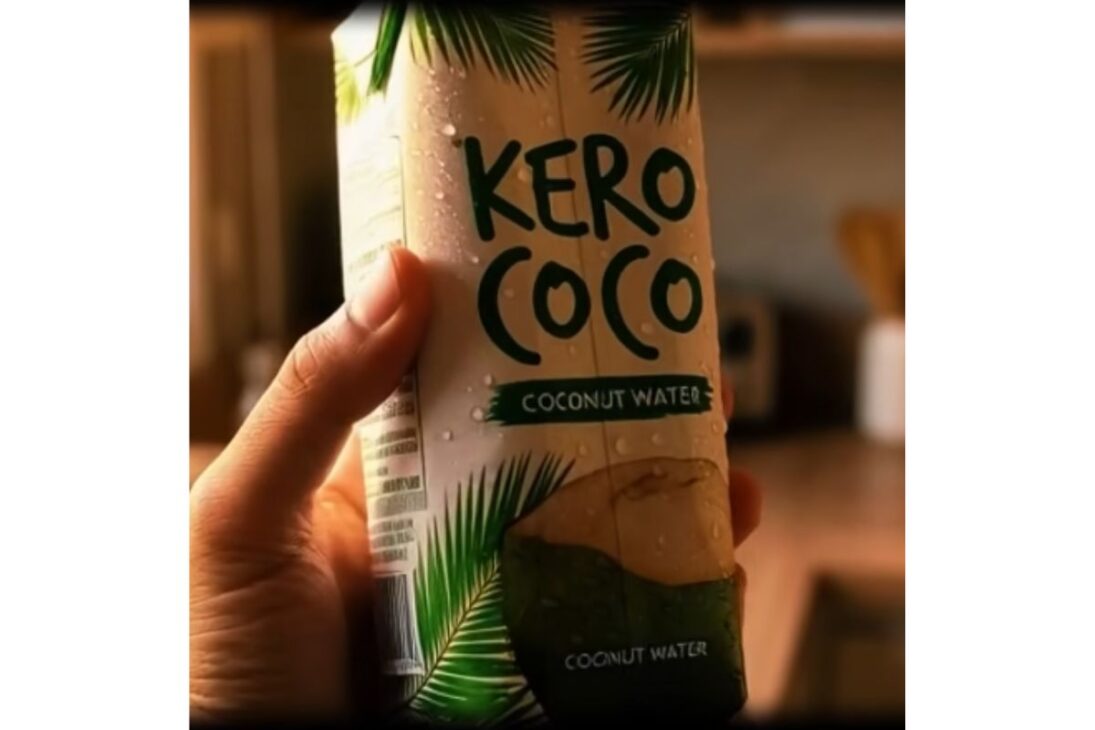
Ama Coco was born, and later, the Quero Coco brand, described as the first industrialized coconut water in the world.
In 2009, the data notes sales of R$ 25 million and nearly 70% of the bottled coconut water market in Brazil, prior to the sale to Pepsi, with undisclosed values.
From Farm to Insect Protein and Animal Feed
Even before selling Quero Coco, Poças developed other businesses related to farming and the cachaça Vale Verde, which started as a small production and turned into a space open to visitors.
The data mentions that the Vale Verde Park receives about 10,000 visitors per month and that the cachaça generates over R$ 3 million a year.
In bird breeding, there was a problem with reproductive performance in captivity, linked to feeding. Poças brought the issue to UFMG, sent 180 birds for testing, and after 22 formulations, arrived at a balanced feed.
The highlighted discovery is that the best protein for this type of feed was insect protein, leading to the creation of Mega Azo and the first factory of insects for food purposes in Brazil, with traceability and production cited as over 1.5 tons per month.
The Next Bottle: The Technical Challenge and the 2023 Launch
The data reports that after severe losses in coconut plantations due to drought and in the midst of the 2020 pandemic, Poças returned to the Federal University of Viçosa with a new goal: to package sugarcane juice.
The problem was technical, as the high sucrose content complicated the traditional pasteurization process, and long-life packaging did not work.
The method was developed with the support of Daniel Fornari, and in April 2023, at 81 years old, Poças launched the Vale Verde sugarcane juice in 300 ml bottles at a supermarket chain in Belo Horizonte. The logic repeats: find the technical solution and turn it into a product.
The Thread That Binds: How a Beer Opened a Creation Mindset
The story begins with a beer used to break a commercial blockade and ends with a sequence of businesses where the pattern is the same: identify a blockage, set up operations, seek science when necessary, and scale.
From your point of view, what best explains the turnaround: the courage to take risks with Kaiser beer or the ability to see technical problems and turn them into products?






Essa é a verdadeira visão de acreditar em uma ideia e buscar soluções de viábilidades
PQP Corajoso e super inteligente