





 Portuguese
  English
  Spanish
  3 min of reading
  0 comments


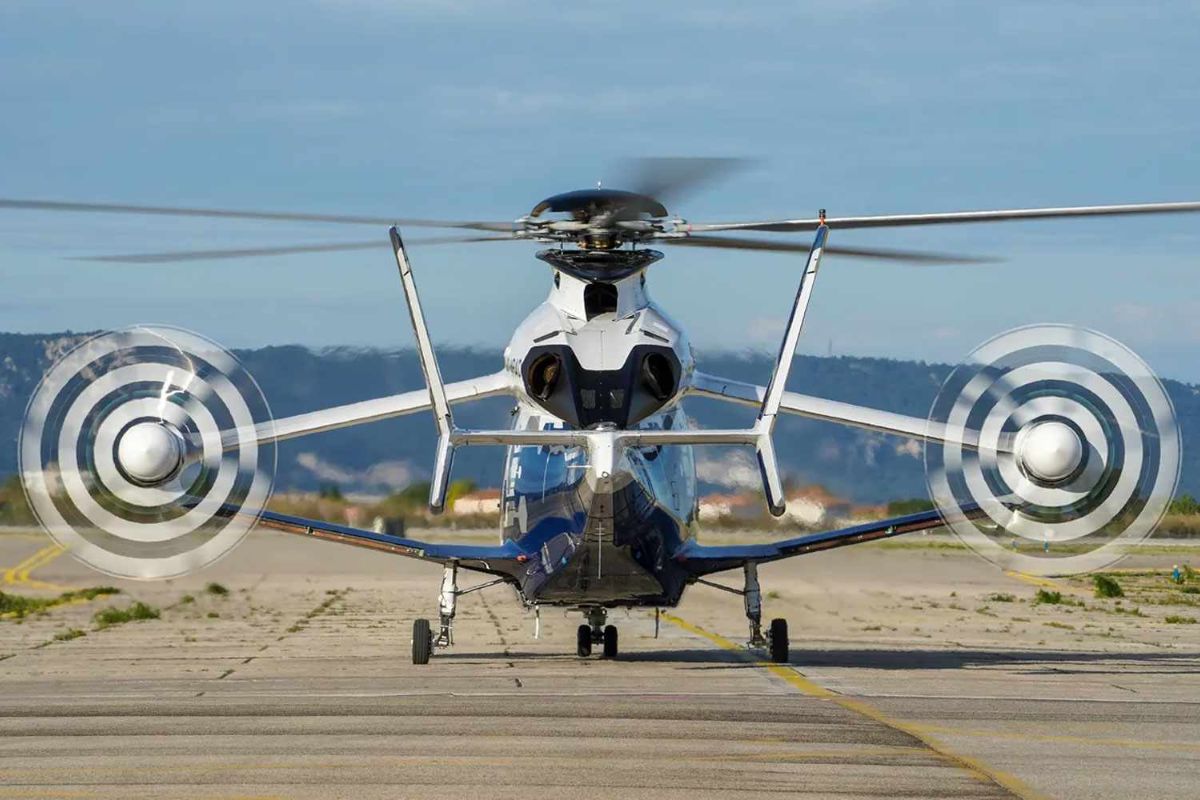
Airbus Racer: The Fastest Helicopter of the Future. Unveiled at the Paris Air Show 2025, the Airbus Racer combines characteristics of both an airplane and a helicopter, promising to change the concept of speed and efficiency in aviation.
The fastest helicopter of the future was revealed to the public at the Paris Air Show 2025 in Le Bourget, France. The Airbus Racer captured attention by merging the vertical takeoff and landing capabilities typical of a helicopter with the speed of a turboprop airplane.
According to information from the portal Aero Behind Aviation, which covered the launch at Airbus’s invitation, the Racer reached 445 km/h in flight tests, surpassing conventional helicopters by up to 50%. This performance positions the aircraft as a strong candidate to redefine air transport in civil and military missions.
What Is the Airbus Racer
The Racer is a demonstrator project, not a final market product. It was developed to validate a hybrid concept that leverages the vertical landing and takeoff of helicopters and the high speed of fixed-wing aircraft.
-
Chaos On Airplane Could Be Expensive: Proposal Aims To Prevent Disruptive Passengers From Flying For Up To 1 Year In Brazil And Face Fines Of Up To R$17,500

-
Man Arrested After Halting Takeoff of Fire Department Helicopter During Child Rescue in Guaratuba

-
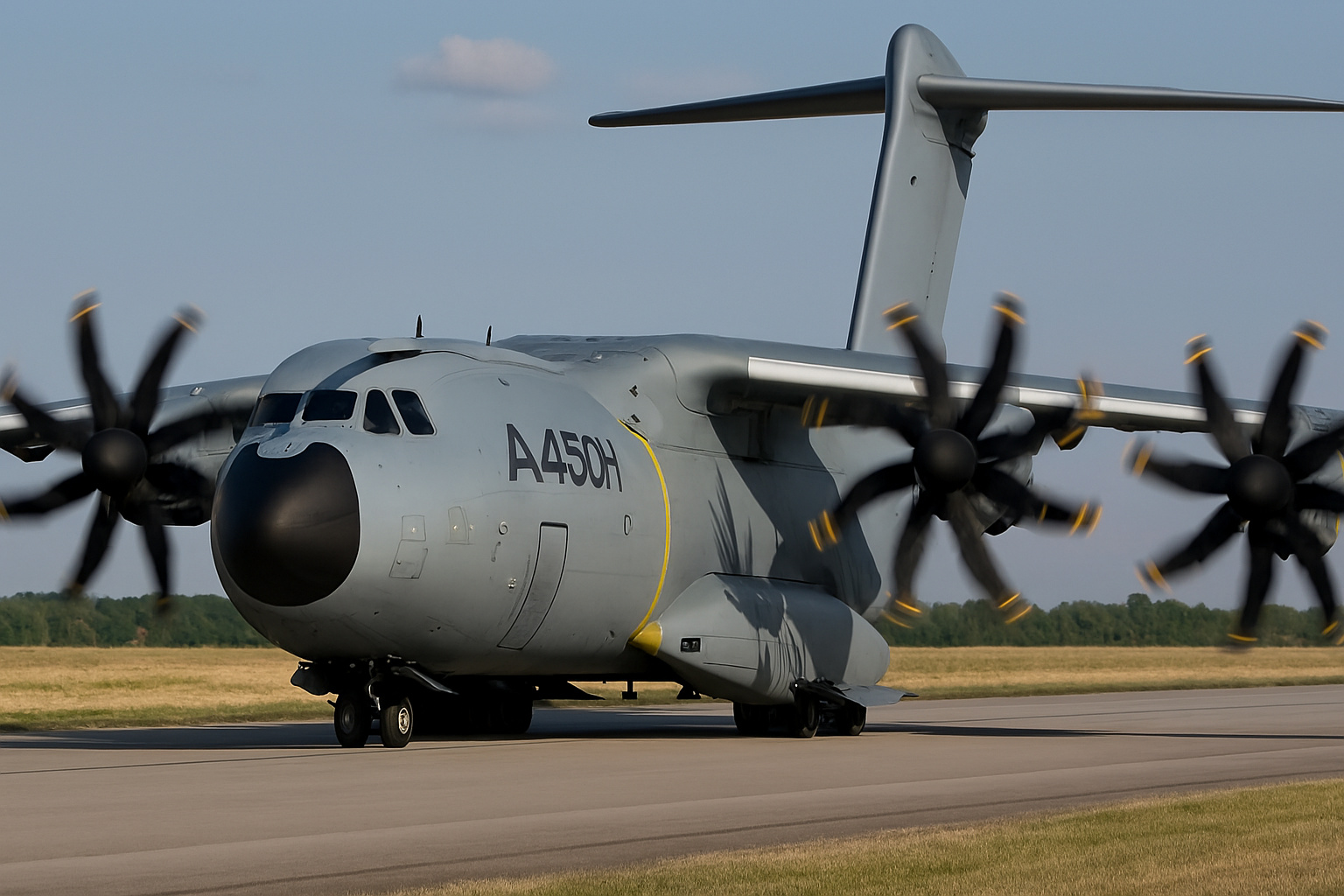
With 37 Tons of Cargo, Over 8,000 km Range, and Ability to Land on Unpaved Runways, the Airbus A400M Demonstrates How Europe Created a Military Giant That Transports Armored Vehicles, Aerially Refuels Fighters, and Operates in Conflict Zones and Humanitarian Missions Worldwide
-
Emergency Landing in Campos Amarais After Bird Strike on Small Plane


The major innovation lies in its side-mounted propeller blades, which work alongside the main rotor. This configuration allows for airplane speed without sacrificing helicopter versatility. Additionally, the Racer does not use a tail rotor: stability is maintained by the side engines themselves.
How Fast Can the Fastest Helicopter of the Future Go
During flight trials in southern France, the Racer reached a speed of 240 knots (445 km/h). This represents a significant difference compared to conventional helicopters, which rarely exceed 300 km/h.
Another highlight is its efficiency. The fastest helicopter of the future can fly with only one engine active, reducing fuel consumption and CO₂ emissions by up to 25%.
Where the Aircraft Can Be Used
According to Airbus engineers, the intention is to apply the Racer in offshore operations, medical rescue, defense, and executive transport. Its fuselage resembles that of the H160, allowing for future configurations for 6 to 12 passengers, with great potential to service maritime platforms and remote areas.
Moreover, due to its ability to take off vertically and cover long distances in less time, the aircraft proves strategic for countries needing agile transport in hard-to-reach locations.
Why the Racer Is Considered the Fastest Helicopter of the Future
The project brings together 40 partners from 13 European countries and over 90 registered patents, a clear indication of the level of innovation and investment involved. Airbus believes the Racer could be the key to a new standard in air mobility, combining speed, economy, and operational versatility.
It is worth noting that the idea of merging the advantages of planes and helicopters has been attempted by other manufacturers in the past, but never solidified. Airbus believes the current technological moment is favorable for making this concept viable.
Is It Worth Investing in This Concept?
Although still a demonstrator, the Racer points the way for the future of aviation. If approved, the fastest helicopter of the future could reduce operational costs and open new possibilities for rapid air transport.
Experts highlight that its greatest advantage lies in addressing critical demands such as rescues and logistics in isolated regions where speed is essential.
The fastest helicopter of the future, the Airbus Racer, demonstrates how aviation can evolve by uniting efficiency, innovation, and speed. Although still in the testing phase, the aircraft reinforces Airbus’s leadership in disruptive solutions for the sector.
And you, do you believe the Racer could revolutionize air transport or will it just be another experimental prototype? Leave your thoughts in the comments — we want to hear from those who closely follow advancements in aviation.










-

-

-

-

-

-

111 pessoas reagiram a isso.