





 Portuguese
  English
  Spanish
  4 min of reading
  0 comments


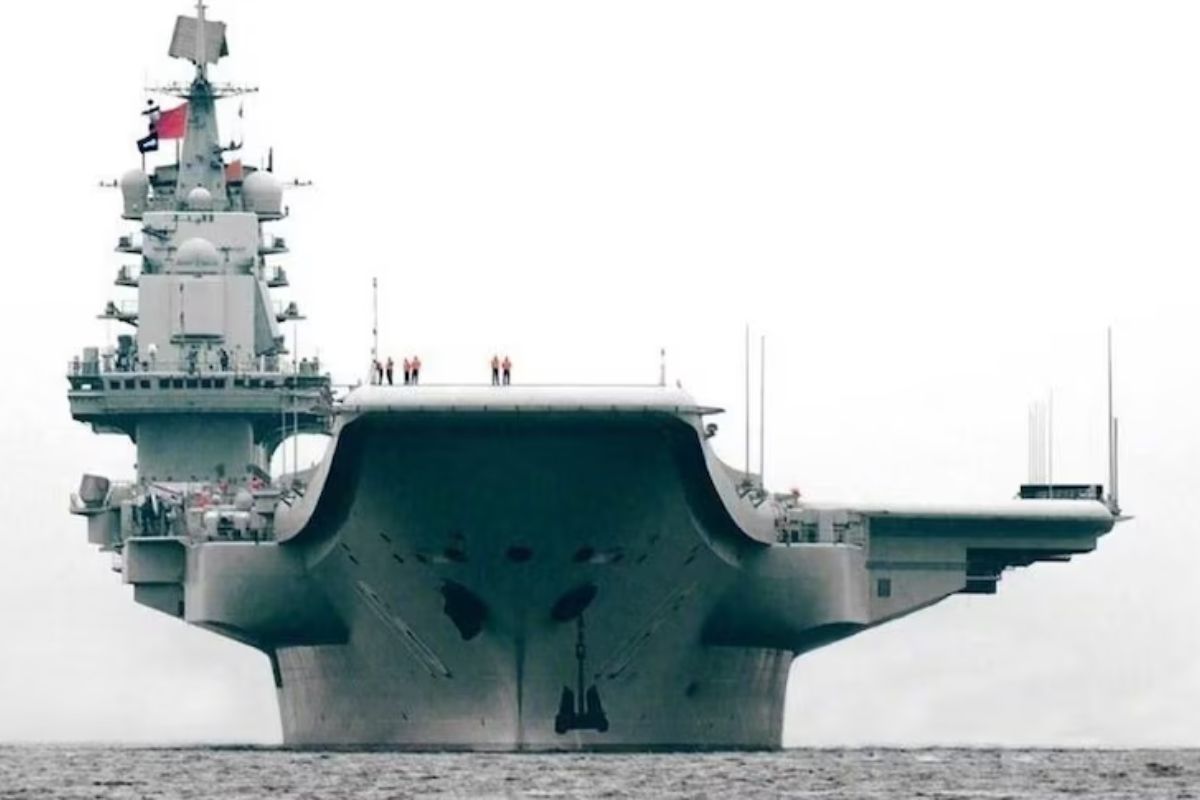
Outcome of a Naval Program Seeking Technological Independence, the Shandong Represents a Decisive Step for the Chinese Navy in Consolidating China’s Shipbuilding Industry Capacity in Constructing a Large Aircraft Carrier
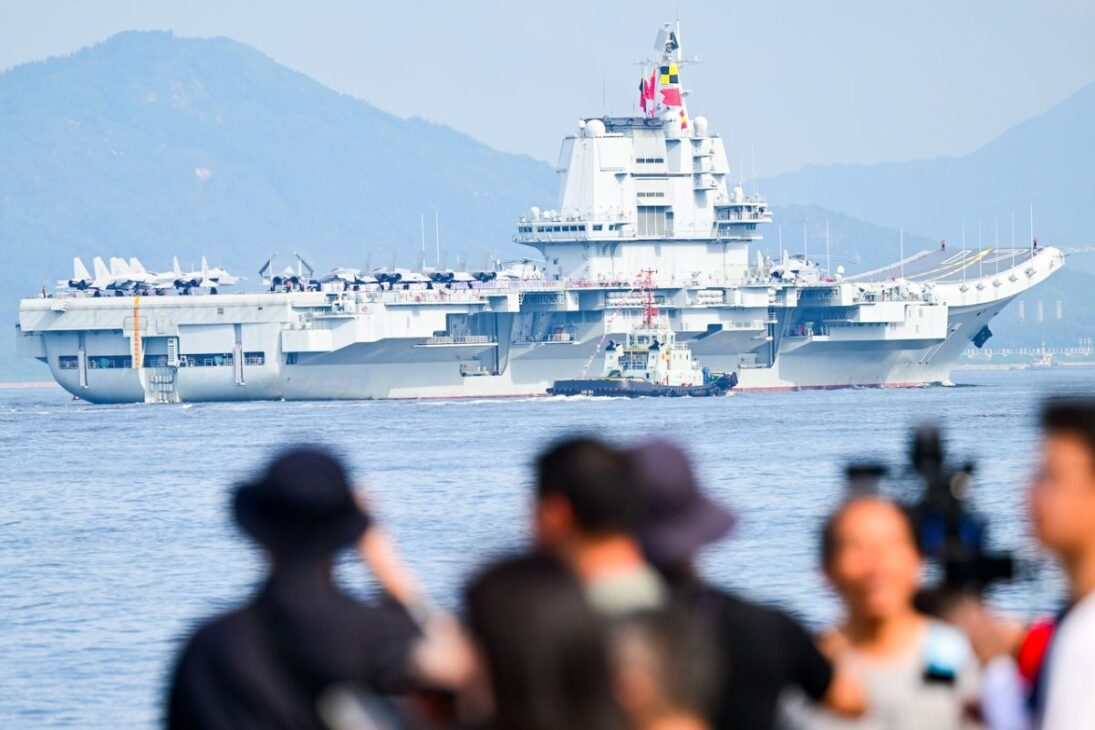
The Shandong has entered history as one of the largest aircraft carriers ever built entirely by China. With approximately 315 meters in length and a displacement that can reach about 70 thousand tons, the ship symbolizes the technological advancement of the Chinese shipbuilding industry.
More than a warship, the Shandong represents a strategic milestone for the country. It was designed and built entirely by Chinese shipyards, consolidating the national capacity to develop aircraft carriers without relying on foreign designs.
The Construction of the Shandong and the Industrial Leap of China
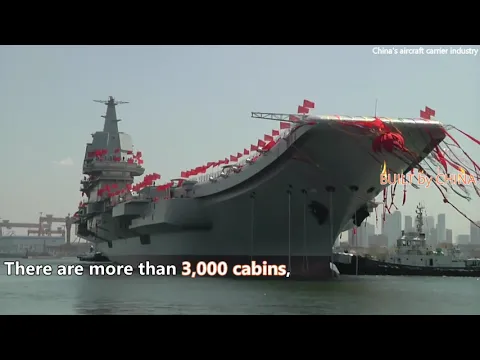
The construction of the Shandong officially began in late 2013, when the first steel plate was cut at Chinese shipyards.
-
In a flooded well, archaeologists found a 1,700-year-old Roman egg that still contains clear and yolk intact inside the very thin shell.

-
Something is happening around the Earth: Inside the huge explosion of fireballs in 2026

-
A hot air bubble coming from Argentina expands over Brazil, causing thermometers to exceed 38 degrees with a thermal sensation of 40 degrees in late March, affecting 6 states at once.

-
The radish leaf that almost everyone throws away has more polyphenols, flavonoids, and fiber than the consumed root, and a 2025 study showed that the leaf contains compounds that protect the intestine, combat inflammation, and may inhibit the growth of cancer cells.


The project was led by the Dalian Shipbuilding Industry Company, linked to the state giant China State Shipbuilding Corporation.
During the years of construction, the program involved a huge industrial effort.
The ship required thousands of workers, tens of thousands of components, and a complex integration of naval systems.
According to engineers involved in the project, over 3.8 million meters of cables and about 12 thousand different pieces of equipment were installed during the process.
These numbers illustrate the scale of the technical challenge involved in creating the Shandong.
Dimensions and Structure of the Shandong Aircraft Carrier
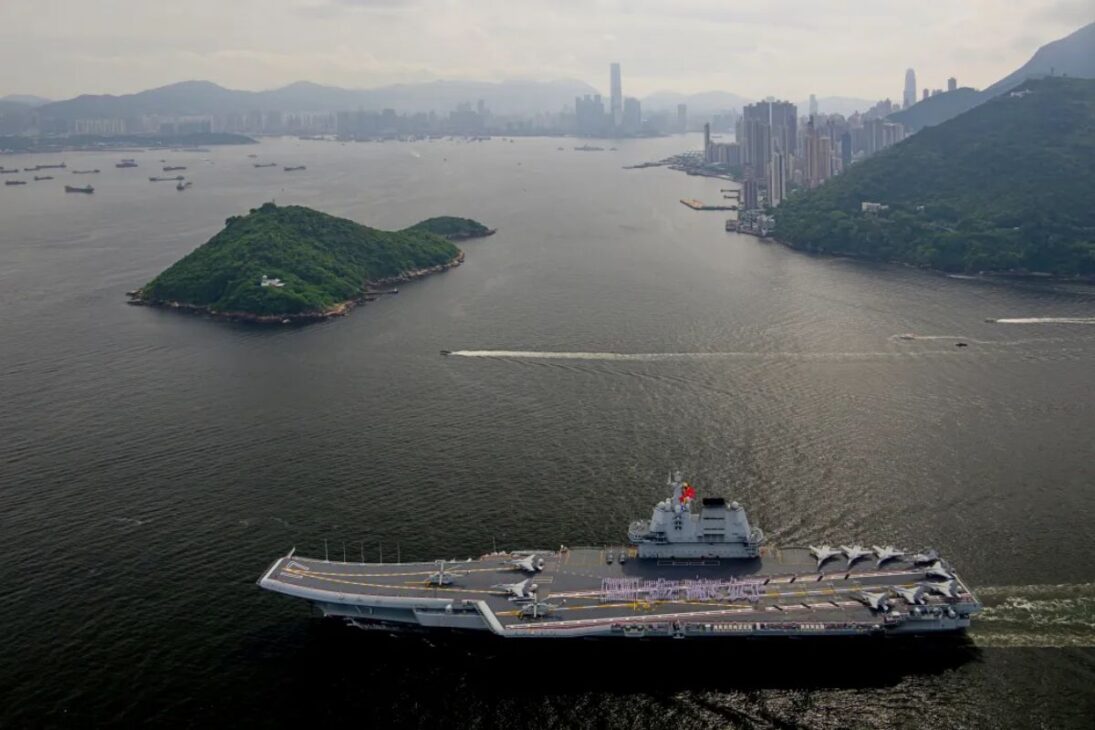
The Shandong has dimensions comparable to some of the largest warships today.
At about 315 meters in length, the ship has a flight deck whose area approaches the size of three football fields.
Its structure includes over 3,000 internal compartments, distributed across several levels.
The ship is approximately twenty stories tall when considering its entire vertical structure.
Additionally, the deck was designed with three takeoff runways equipped with an inclined ramp, a system known as ski-jump.
This type of ramp helps embarked aircraft gain lift during takeoff.
Aircraft and Operations on the Deck of the Shandong
The main aircraft onboard the Shandong is the J-15, a model developed for carrier operations.
These planes are responsible for the main air defense and attack missions of the vessel.
The operations on the deck require extremely precise coordination.
Each takeoff involves specialized teams controlling positioning, signaling, and releasing the aircraft.
The operators undergo thousands of hours of training to ensure that each procedure is executed with absolute precision.
This synchronization between pilots, deck operators, and ship systems is essential for the safe operation of an aircraft carrier.
Defense Systems and Military Operation

In addition to operating aircraft, the Shandong has various naval defense systems.
Among them are high-rate anti-missile guns, capable of firing thousands of projectiles per minute to intercept aerial threats.
These systems act as a last line of defense against anti-ship missiles or hostile aircraft.
Some of these guns can fire nearly 10 thousand rounds per minute, creating a fire barrier against nearby threats.
The ship also relies on a complex logistical support network.
Naval bases and support ships ensure fuel, maintenance, and supplies to keep the Shandong operational for long periods at sea.
The Role of the Shandong in China’s Naval Strategy
The Shandong occupies a central position in China’s maritime strategy.
It represents the first step for the country towards the independent construction of large aircraft carriers.
Prior to it, China operated only one ship of this type based on a refurbished foreign hull.
With the Shandong, the country demonstrated the capacity to design, build, and integrate a complete aircraft carrier utilizing its own industry.
This reinforces China’s ambition to expand its naval presence in strategic areas of the Pacific and the Indian Ocean.
Moreover, the project served as a technological basis for new, even more advanced aircraft carriers.
The Shandong represents much more than a large military ship.
It symbolizes the evolution of Chinese naval engineering and the consolidation of the country’s capacity to build large aircraft carriers.
With hundreds of meters in length, thousands of equipment, and a complex operational structure, the Shandong has become a milestone in the development of the Chinese navy.
The ship’s construction demonstrates how large-scale military projects can drive technological and industrial advances.
Now the question remains.
With the rapid growth of Asian navies, do you believe that aircraft carriers like the Shandong will continue to be central pieces in global naval strategy in the coming decades?








-

-

2 pessoas reagiram a isso.