





 Portuguese
  English
  Spanish
  4 min of reading
  0 comments


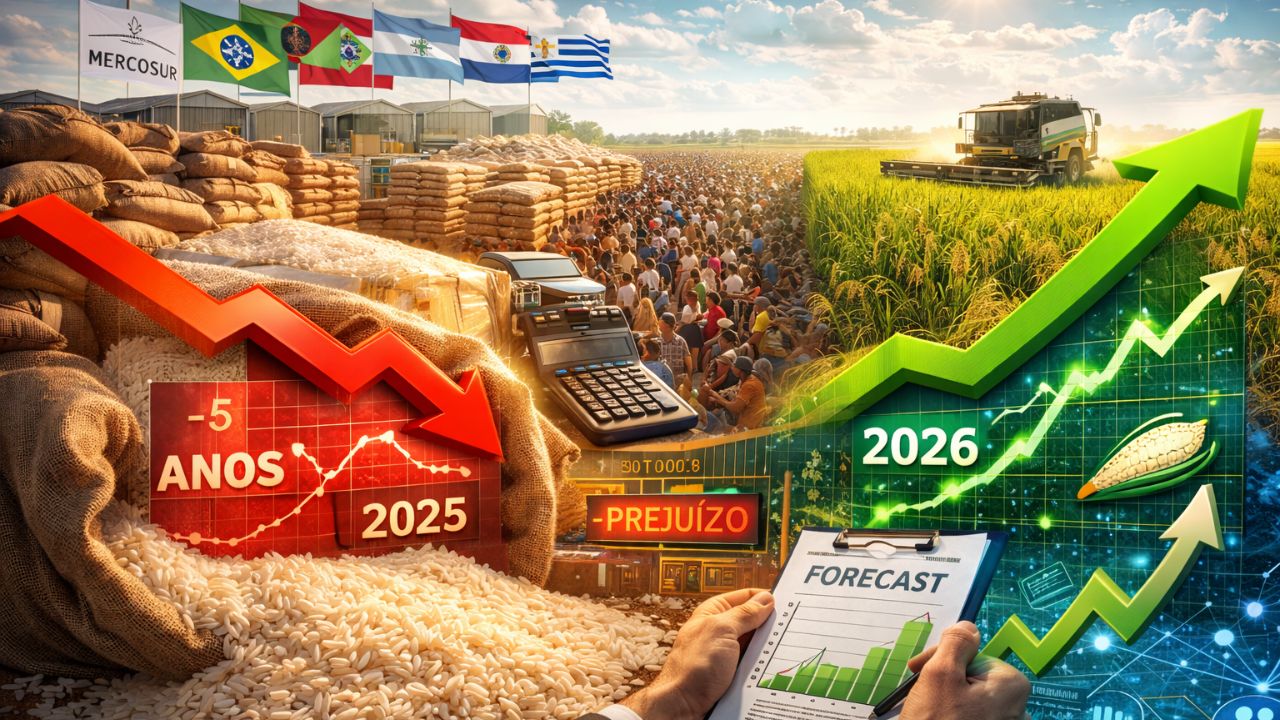
With Historical Losses in the Field and Prices Between R$ 46 and R$ 55 per Sack in RS, Rice Enters 2026 with Signs of Recovery Due to Demand in the North, Auctions from Conab, and Reaction from the External Market
The rice market ends 2025 as one of the worst years on record, with historical losses for producers across the country. In Rio Grande do Sul, prices ranged between R$ 46 and R$ 55 per 50 kg sack, the lowest level in over five years and well below the cost of production, according to the data.
Despite a recent improvement in states in the Central North, the pace remains slow overall. Nevertheless, the consultant’s reading is that the beginning of 2026 could mark a turning point, with demand pressure in the North, expectations for Conab’s auctions, and external factors that may reopen space for exports and recovery of prices.
Why 2025 Became One of the Worst Years for Rice
The central issue of 2025 was the combination of low prices and high costs. In the gaucho market, rice traded between R$ 46 and R$ 55 per sack, a level that does not cover expenses and leaves the producer suffering losses.
-
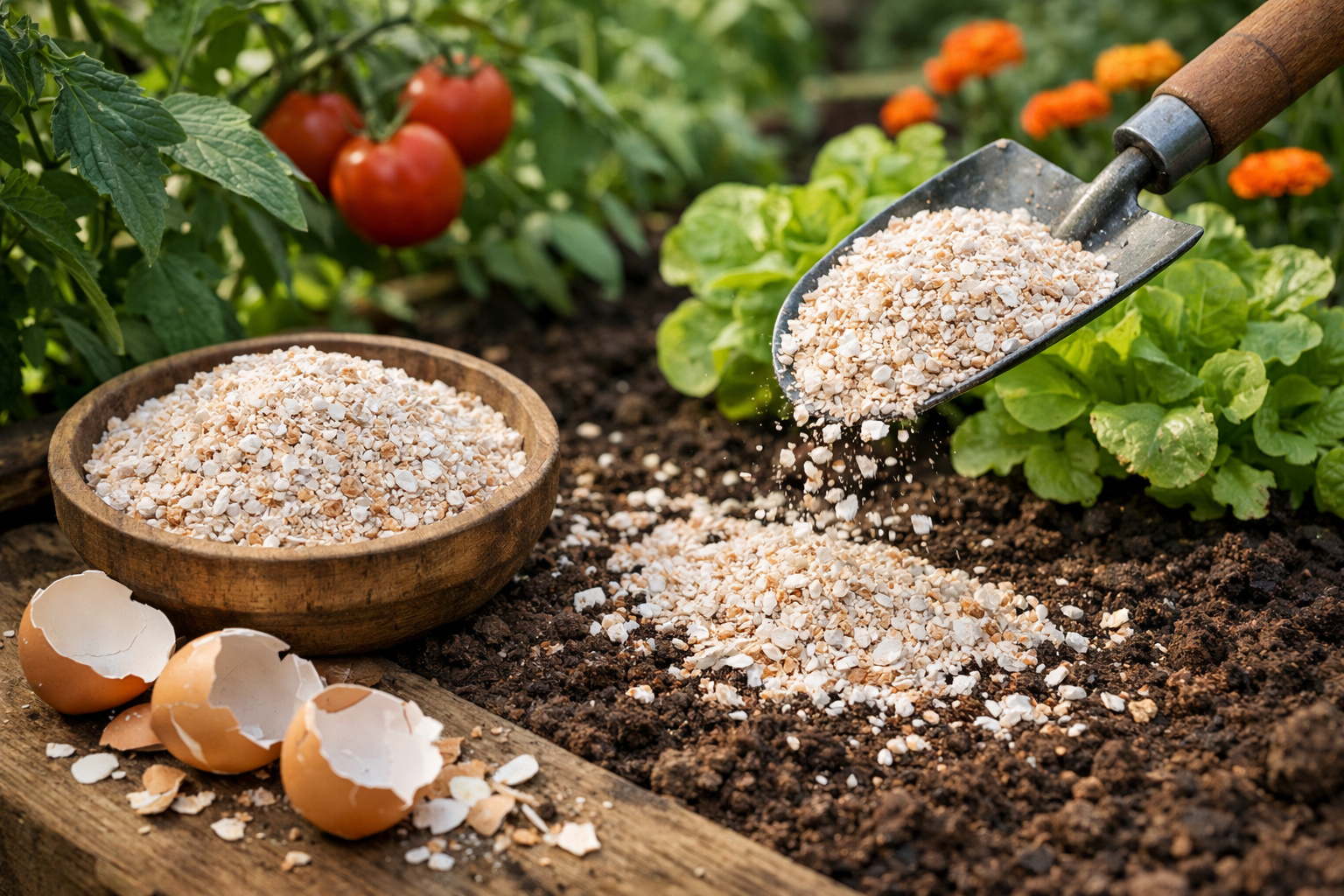
The eggshell that almost everyone throws away is made up of about 95% calcium carbonate and can help enrich the soil when crushed, slowly releasing nutrients and being reused in home gardens and vegetable patches.
-
This farm in the United States does not use sunlight, does not use soil, and produces 500 times more food per square meter than traditional agriculture: the secret lies in 42,000 LEDs, hydroponics, and a system that recycles even the heat from the lamps.

-
The water that almost everyone throws away after cooking potatoes carries nutrients released during the preparation and can be reused to help in the development of plants when used correctly at the base of gardens and pots, at no additional cost and without changing the routine.

-
The sea water temperature rose from 28 to 34 degrees in Santa Catarina and killed up to 90% of the oysters: producers who planted over 1 million seeds lost practically everything and say that if it happens again, production is doomed to end.


This situation was not limited to one region. The data describes producers with losses across the country, reinforcing that the year “will not be remembered.” It is a historical loss that occurs when income decreases while costs remain above prices.
Cheap Rice in Retail and the Feeling of “Relief” That May End


The decline in the supply chain reached the shelves. The data indicates 5 kg packages below R$ 9 in the retail sector of the South, showing just how cheap the product has become for consumers.
However, this relief is likely to be temporary. The projection presented is clear: the coming year is expected to change the picture, with a trend of appreciation and the disappearance of these very low prices, as the market adjusts supply and demand.
Central North Improves a Bit, But the Market Still Moves Slowly
In recent weeks, there has been a slight price improvement in states in the Central North, with movement cited of R$ 60 to R$ 70 per sack in regions such as Tocantins, Bahia, and parts of Goiás. Nonetheless, the market remains calm overall.
This local improvement does not negate the situation in the South, which continues to be a reference point and where the impact of low prices was felt more heavily in 2025.
Strong Demand in the North is Expected to Drive the Beginning of 2026
One of the key drivers pointed out is the demand in the North, especially due to Tocantins. The data describes that there was no planting of the first crop in a significant portion, pushing the harvest to later and reducing supply at the beginning of the year.
As a result, the industry in the region is likely to seek rice from other origins, pulling product from the South. This demand pressure in the North could upset the balance and provide support for prices at the beginning of 2026, according to the presented assessment.
Conab Enters the Radar with Auctions to Provide Liquidity
Another factor mentioned is the expectation of actions from Conab to increase liquidity. The data mentions two auctions on December 24, one for Pepro and another for PEP, totaling 444.9 thousand tons as an instrument to mobilize the market.
The reading is that, with liquidity and more active demand, the market could gain momentum and open up space for positive price adjustments.
External Market and Exchange Rate: The Push That Could Accelerate Recovery
On the international side, the data indicates that the Asian rice market experienced a significant increase, over 10% in December, which is likely to stimulate interest in exports. Additionally, the exchange rate is cited as a factor that may provide support.
With domestic rice being very inexpensive and the external environment becoming firmer, the projection is for greater interest in exports in 2026, helping to improve the pricing picture.
Mercosur with Lower Supply and the Risk of Tightening Supply
The supply scenario also comes into play. The data mentions declines in harvests in Paraguay, Argentina, and Uruguay, in addition to reductions in Brazil. This combination reduces regional slack and increases the likelihood of a more competitive market.
With less supply in Mercosur and demand responding, the projected expectation is for positive momentum for rice in 2026, reinforcing the context of historical losses in 2025 and a turnaround in the subsequent cycle.
In your view, will this recovery of rice in 2026 happen more due to demand in the North, due to exports, or due to lower supply in Mercosur?









-

2 pessoas reagiram a isso.